
In This Article
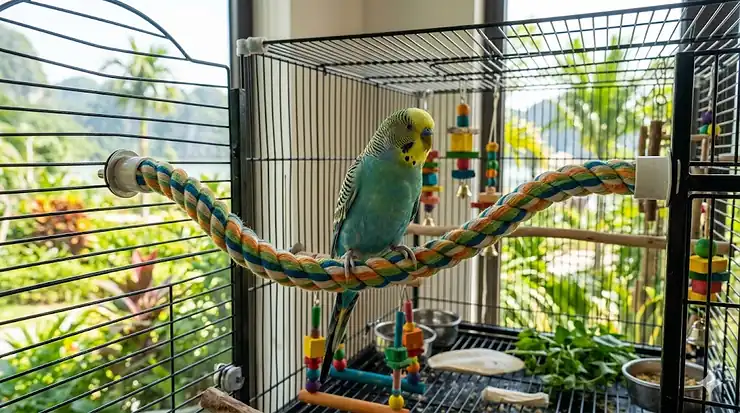
Picture this: your beloved cockatiel spending 12 hours a day standing on the same hard plastic dowel. Sounds uncomfortable, right? That’s exactly why choosing the right rope perch for birds isn’t just about cage aesthetics—it’s about your feathered friend’s health and happiness.
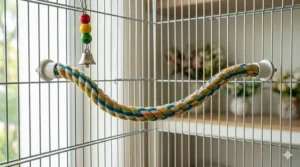
I’ve spent years observing bird behavior, and one thing becomes crystal clear: birds that have access to diverse perching options are noticeably more active, playful, and content. A quality rope perch for birds offers something traditional perches simply can’t match—a soft, flexible surface that mimics natural branches while providing gentle support for those tiny feet.
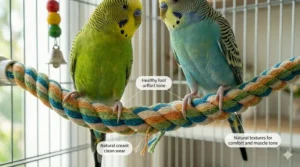
Think of it this way: if you wore stiff, uncomfortable shoes every single day, your feet would hurt. Birds experience the same discomfort when forced to perch on uniform, hard surfaces constantly. The bendable rope perch for birds creates a comfortable sleeping perch that adapts to your bird’s natural grip, reducing joint stress and preventing bumblefoot—a painful condition that affects many captive birds.
According to VCA Animal Hospitals, soft braided rope perches are particularly beneficial for birds with arthritic joints, providing a comfortable option that’s easy to grip. Whether you’re caring for parakeets, cockatiels, conures, or larger parrots, understanding the benefits of bird rope perches will transform your approach to cage setup.
In this comprehensive guide, I’ll walk you through the top 7 cotton rope perch options available in 2026, explain what makes a flexible bird perch superior for foot health, and share expert tips on choosing the perfect adjustable perch position for your specific bird species. Let’s dive in and discover how the right soft perch option can make all the difference in your bird’s daily comfort.
Quick Comparison Table
| Product | Length | Diameter | Best For | Price Range | Rating |
|---|---|---|---|---|---|
| JW Pet Comfy Perch | 14″-36″ | 5/8″-1-1/8″ | All bird sizes | $8-$15 | ⭐⭐⭐⭐⭐ |
| Penn-Plax Bird Life Rope Perch | 21″ | 5/8″ | Small-Medium birds | $7-$12 | ⭐⭐⭐⭐½ |
| Super Bird Creations Bungee | 52″-97″ | Various | Exercise & play | $12-$25 | ⭐⭐⭐⭐⭐ |
| SunGrow Spiral Rope Perch | 59″ | Standard | Medium-Large parrots | $10-$16 | ⭐⭐⭐⭐ |
| GINXIA Cotton Rope Perch | 43″-83″ | 0.8″ | Budget-friendly | $9-$14 | ⭐⭐⭐⭐ |
| Prevue Pet Rope Perch | Custom sizes | Variable | Specific cages | $8-$13 | ⭐⭐⭐⭐ |
| Rainbow Spiral Cotton Perch | Medium-Large | 3/4″-1″ | Premium quality | $15-$22 | ⭐⭐⭐⭐½ |
💬 Just one click – help others make better buying decisions too!😊
Top 7 Rope Perch for Birds: Expert Analysis
1. JW Pet Comfy Perch – Best Overall Choice
The JW Pet Comfy Perch stands as my top recommendation for bird owners seeking versatility and quality. This flexible bird perch bends into countless shapes, allowing you to create custom configurations that keep your bird mentally stimulated.
Key Specifications:
- Available in three sizes: Small (5/8″ diameter), Medium (7/8″ diameter), and Large (1-1/8″ diameter)
- Lengths range from 14″ to 36″ depending on size category
- Multi-colored cotton rope over bendable wire core
- Plastic screw-off attachments for easy installation
Customer Feedback: Bird owners consistently praise this cotton rope perch for its durability and ease of cleaning. Many report their birds immediately gravitate toward it as their preferred sleeping perch, appreciating the soft surface that doesn’t irritate their feet like wooden dowels.
✅ Pros:
- Extremely bendable for creative cage layouts
- Available in multiple sizes for all bird species
- Easy-twist attachments install in seconds
❌ Cons:
- Colors may vary from pictures
- Wire core occasionally becomes exposed with heavy chewers
Price Range: $8-$15 depending on size
This bendable rope perch for birds transforms from straight to curved with minimal effort, making it perfect for creating comfortable sleeping perch areas or exercise zones. The adjustable perch position capability means you can modify your cage setup weekly to prevent boredom.
2. Penn-Plax Bird Life Multicolored Rope Perch – Best for Small Birds
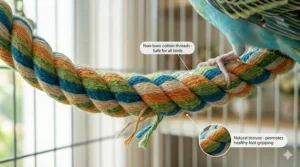
The Penn-Plax Bird Life Multicolored Rope Perch delivers excellent value for owners of parakeets, lovebirds, and cockatiels. This flexible bird perch features a 21-inch length that fits most small to medium cages perfectly.
Key Specifications:
- 21″ overall length (17.75″ rope length)
- 5/8″ diameter ideal for smaller birds
- Blue mounting caps with secure threading
- Vibrant multicolored cotton exterior
Customer Feedback: Owners appreciate how this bird rope perches product maintains its shape without becoming too stiff. Several customers note their birds enjoy chewing the colorful cotton while perching, satisfying both entertainment and comfort needs.
✅ Pros:
- Budget-friendly pricing
- Secure mounting system
- Perfect diameter for small bird feet
❌ Cons:
- Single size option limits versatility
- May be too thin for larger parrots
Price Range: $7-$12
This soft perch option excels at creating loops and curves that encourage climbing and exploration. The cotton rope perch material provides gentle traction without abrading delicate foot pads.
3. Super Bird Creations Bungee Rope Perch – Best for Exercise
The Super Bird Creations Bungee Rope Perch takes the traditional rope perch concept and adds a bouncy twist. This isn’t just a static perching spot—it’s an exercise tool that challenges your bird’s balance and coordination.
Key Specifications:
- Available in Small (52″), Medium (66″), Large (96″), and X-Large (97″)
- Spiral design with internal wire for shaping
- Includes jingling cowbell for entertainment
- 100% cotton exterior shell
Customer Feedback: According to users, birds absolutely love the springy bounce this perch provides. Many report their parrots use it both for daytime play and nighttime roosting, making it the most-used accessory in their cages.
✅ Pros:
- Promotes excellent exercise and balance development
- Durable construction withstands daily use
- Recommended by avian professionals
❌ Cons:
- Higher price point than basic perches
- Some birds initially hesitant about the movement
Price Range: $12-$25 depending on size
This bendable rope perch for birds doubles as both a comfortable sleeping perch and an engaging toy. The spiral design allows for countless configurations, while the adjustable perch position feature lets you place it horizontally, vertically, or diagonally.
4. SunGrow Spiral Rope Perch – Best Design Innovation
The SunGrow Spiral Rope Perch features a unique coiled design that naturally encourages climbing and exploration. At 59 inches, this cotton rope perch provides extensive coverage in larger cages.
Key Specifications:
- 59″ (1.5 meter) total length
- Spiral/coiled design
- Soft cotton blend material
- Includes jingling bell attachment
Customer Feedback: Bird owners report this perch becomes their birds’ favorite sleeping spot. The spiral design creates natural curves that birds instinctively nestle into, providing a sense of security.
✅ Pros:
- Innovative spiral shape birds love
- Gentle on sensitive talons
- Can be straightened or kept coiled
❌ Cons:
- May be too long for smaller cages
- Bell might be too loud for some households
Price Range: $10-$16
This flexible bird perch works beautifully as both a climbing rope and a comfortable sleeping perch. The soft cotton blend makes it an ideal soft perch option for older birds or those recovering from foot injuries.
5. GINXIA Parrot Rope Perch – Best Budget Option
The GINXIA Parrot Rope Perch proves you don’t need to spend a fortune for quality. Available in three lengths (43″, 63″, and 83″), this bird rope perches product offers exceptional value.
Key Specifications:
- Three size options: 43″, 63″, or 83″
- 0.8″ diameter suitable for most birds
- Colorful non-toxic cotton rope
- Flexible metal core for shaping
Customer Feedback: Budget-conscious bird owners praise this perch for delivering performance comparable to premium brands at half the price. The colorful design attracts birds immediately.
✅ Pros:
- Extremely affordable
- Multiple length options
- Bright colors stimulate visual interest
❌ Cons:
- Quality control occasionally inconsistent
- Metal core may be less durable than premium options
Price Range: $9-$14
This bendable rope perch for birds provides excellent value for multi-bird households needing several perches. The adjustable perch position capability allows for creative cage configurations without breaking the bank.
6. Prevue Pet Rope Perch – Best for Specific Cages
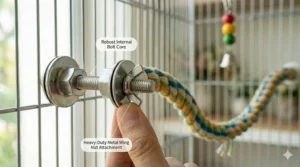
The Prevue Pet Rope Perch series is designed to integrate seamlessly with Prevue cage models, though it works well in most wire cages. This flexible bird perch focuses on compatibility and ease of installation.
Key Specifications:
- Custom-sized for specific Prevue cage models
- Variable diameters available
- Simple bolt-on attachments
- Natural and colored options
Customer Feedback: Owners of Prevue cages appreciate the perfect fit this perch provides. The secure mounting system prevents the common problem of perches sliding down cage bars.
✅ Pros:
- Perfect fit for Prevue cages
- Secure mounting prevents slipping
- Variety of size options
❌ Cons:
- May require specific cage compatibility
- Limited availability compared to universal brands
Price Range: $8-$13
This cotton rope perch excels when paired with compatible cages, creating a comfortable sleeping perch that stays exactly where you position it.
7. Rainbow Spiral Cotton Rope Perch – Premium Choice
The Rainbow Spiral Cotton Rope Perch represents the premium tier of bird rope perches. Superior materials and craftsmanship justify the higher price for serious bird enthusiasts.
Key Specifications:
- Medium and Large sizes available
- 3/4″ to 1″ diameter options
- High-quality cotton construction
- Enhanced durability for heavy chewers
Customer Feedback: Bird owners who invest in this premium perch report exceptional longevity. Many note it maintains its shape and appearance far longer than budget alternatives.
✅ Pros:
- Superior material quality
- Excellent bendability without wire exposure
- Lasts significantly longer than budget perches
❌ Cons:
- Higher price point
- Occasionally out of stock
Price Range: $15-$22
This soft perch option delivers premium comfort and durability. The excellent adjustable perch position capability combined with superior materials makes it worth the investment for birds that are heavy chewers or need maximum foot support.
✨ Don’t Miss These Exclusive Deals!
🔍 Take your bird’s habitat to the next level with these carefully selected products. Click on any highlighted item to check current pricing and availability. These rope perches will help you create an authentic comfortable environment your feathered friend will love!
What Makes a Great Rope Perch for Birds?
Choosing the perfect rope perch for birds involves more than picking the prettiest color. Let me break down the essential factors that separate exceptional perches from mediocre ones.
Material Quality Matters
Not all cotton rope perches are created equal. Natural hemp or cotton rope provides a softer surface that’s easy to grip and safe for parrots to chew on. Avoid synthetic materials that can fray into dangerous strands—these pose serious ingestion risks.
Look for 100% natural cotton or hemp construction. These materials offer the right balance of softness and durability. The flexible bird perch should feel substantial in your hands, not flimsy or loosely woven. Quality construction means the rope won’t unravel quickly, even with daily chewing.
Diameter Selection for Different Bird Sizes
The diameter of your bendable rope perch for birds directly impacts foot health. The bird’s toes should wrap three-quarters of the way around the perching surface on a perch of the proper diameter. Too thin, and your bird can’t grip properly; too thick creates unnecessary strain.
For parakeets and small birds, look for 1/2″ to 5/8″ diameter perches. Cockatiels and conures thrive on 5/8″ to 7/8″ options. Larger parrots like African Greys and Amazons need 7/8″ to 1-1/4″ diameters. Many quality manufacturers offer size guides—use them!
Flexibility and Shape Retention
The best bird rope perches balance flexibility with shape retention. You want a perch that bends easily into curves and loops but doesn’t sag under your bird’s weight. Internal wire cores should be sturdy enough to maintain position yet pliable enough for creative configurations.
Test the perch before installation—it should bend smoothly without kinking or creasing. The comfortable sleeping perch you create today should still hold its shape weeks later, even with a bird walking across it multiple times daily.
Safety Features to Prioritize
Safety cannot be compromised. Inspect any soft perch option for:
- Secure end caps that won’t pop off during play
- Tight weaving with no loose threads initially present
- Non-toxic materials and dyes
- Smooth wire cores without sharp edges
When rope perches become tattered from birds chewing on them, causing rope strands or fibers to get tangled around a bird’s toes, they should be removed and replaced. Regular inspection prevents accidents.
Attachment Hardware Quality
The adjustable perch position feature only works if the mounting hardware stays secure. Look for threaded caps made from durable plastic or metal that won’t crack under pressure. Wing nuts and bolts should tighten firmly without excessive effort.
Quick-mount systems are convenient but verify they can’t be dislodged by a determined bird. Your cotton rope perch needs rock-solid attachment points—anything less creates a safety hazard.
Health Benefits of Rope Perches
Understanding why rope perches benefit your bird’s health helps you appreciate their importance beyond simple comfort.
Preventing Bumblefoot and Pressure Sores
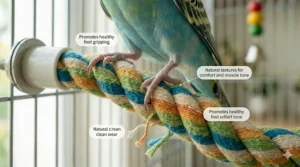
Different perch sizes strengthen foot muscles through varied gripping motions, preventing pressure sores and bumblefoot. The soft surface of a rope perch for birds distributes weight more evenly than hard plastic or wooden dowels.
Bumblefoot—a painful bacterial infection of the foot pad—develops when birds stand on the same hard surface constantly. The flexible bird perch provides relief by offering a gentler surface that doesn’t create pressure points. Think of it as the difference between standing on concrete versus carpet all day.
Joint Support for Aging Birds
Older birds, like aging humans, develop arthritis and joint stiffness. Soft, braided rope perches are a comfortable option for birds, especially if the bird is older and has arthritic joints. The slight give in the bendable rope perch for birds reduces impact stress on ankles and knees.
I’ve observed countless senior parrots regain mobility and enthusiasm after their owners introduced quality rope perches. The difference can be dramatic—birds that previously moved reluctantly suddenly explore their cages with renewed vigor.
Muscle Development and Exercise
The slight instability of a bungee-style bird rope perches promotes core muscle development. Your bird constantly adjusts its balance, strengthening leg and chest muscles without conscious effort. It’s like a low-intensity workout happening throughout the day.
This matters more than you might think. Captive birds often lack exercise opportunities available in the wild. A well-designed comfortable sleeping perch that also provides gentle resistance helps maintain muscle tone and coordination.
Behavioral Health Improvements
Stable, textured perches even decrease feather picking and pacing, signs of avian anxiety you definitely don’t want to see. The variety provided by different soft perch options reduces boredom—a primary cause of destructive behaviors.
Birds that have multiple perch types, including quality cotton rope perch options, display more natural behaviors. They explore, climb, and interact with their environment rather than sitting motionless or developing stereotypic movements.
How to Choose the Right Size
Selecting the correct rope perch for birds size prevents foot problems and ensures your bird actually uses the perch.
Measuring Your Bird’s Feet
Observe your bird gripping its current perch. The toes should wrap comfortably around approximately two-thirds to three-quarters of the circumference. If toes barely touch or overlap excessively, the diameter is wrong.
For a quick measurement, gently hold your bird and measure across the foot from outside toe to outside toe when naturally spread. The ideal perch diameter should be roughly half this measurement for most species.
Species-Specific Recommendations
Different bird species have specific needs:
Small Birds (Finches, Canaries, Budgies): 1/2″ to 5/8″ diameter works best. These tiny birds need proportionally smaller perches to maintain proper grip.
Medium Birds (Cockatiels, Conures, Small Parakeets): 5/8″ to 7/8″ provides optimal support. This size range allows natural toe spreading without strain.
Large Birds (African Greys, Amazons, Small Cockatoos): 7/8″ to 1-1/4″ diameters accommodate larger feet. These birds benefit from the cushioning effect of thicker rope construction.
Extra-Large Birds (Macaws, Large Cockatoos): 1-1/4″ to 1-1/2″ ensures proper support for heavy bodies. Don’t skimp on diameter for big birds—undersized perches cause serious joint problems.
Length Considerations for Cage Size
Your flexible bird perch length should match your cage dimensions. Measure the intended installation area before purchasing. A 36″ perch won’t work in a 24″ wide cage without creative arrangement.
Consider whether you want a straight perch spanning the cage width or a curved design that creates vertical space. Longer perches offer more configuration options but require more bending and shaping.
Multiple Perch Variety Strategy
Never rely on a single perch type. Mix perch diameters and materials including wood, rope, and concrete to prevent foot fatigue and bumblefoot while naturally trimming nails and exercising different muscle groups throughout the day.
I recommend this setup for most birds:
- One thick rope perch as the primary comfortable sleeping perch
- Two natural wood branches of varying diameters
- One concrete or pumice perch for nail maintenance
- One flexible rope perch for climbing and entertainment
This variety ensures your bird’s feet encounter different textures and diameters daily, promoting healthy development and preventing pressure sores.
Installation and Placement Tips
Even the perfect bendable rope perch for birds fails if installed incorrectly. Proper placement maximizes benefits while preventing common problems.
Optimal Perch Height Positioning
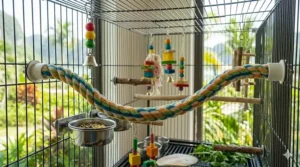
Position perches at varying heights with at least 6 inches from cage walls and away from food bowls to prevent tail damage and contamination. Birds view height as security, so place the primary comfortable sleeping perch in the upper third of the cage.
Never install perches directly above food or water bowls—droppings will contaminate these essentials. Leave adequate space above the highest perch so your bird’s head and crest feathers don’t touch the cage top when perched.
Create a “ladder” effect with perches at different heights. This encourages movement and exercise throughout the day rather than parking in one spot.
Creating Exercise Zones
Designate different cage areas for specific activities. Place the adjustable perch position-capable rope perch away from food bowls to create a dedicated exercise zone. Birds are more likely to engage in climbing and playing when perches are spaced to require small flights between them.
Avoid overcrowding—use 3-5 perches in most cages depending on cage size. Too many perches restrict flight space and make cleaning difficult.
Avoiding Common Placement Mistakes
Never place perches where tail feathers will drag against cage sides. Long-tailed species like macaws need particular attention here. Your soft perch option should position the bird’s tail at least 2-3 inches from any cage wall.
Don’t create “perch highways” where all perches align horizontally. This limits vertical space usage. Instead, stagger heights and angles to encourage three-dimensional movement.
Seasonal Adjustments
Rotate perch positions every 2-3 months to maintain mental stimulation. This simple change prevents cage boredom and encourages birds to re-explore their environment. Swap your cotton rope perch with other perch types periodically.
During molting seasons, some birds prefer lower perches as their energy decreases. Be observant and willing to adjust the adjustable perch position based on your bird’s current condition.
Maintenance and Cleaning Guide
A dirty rope perch for birds becomes a health hazard quickly. Proper maintenance extends perch life while protecting your bird.
Daily Inspection Routine
Check perches during your morning bird greeting. Look for:
- Loose threads or fraying spots
- Droppings accumulation (spot clean immediately)
- Changes in rope tension or shape
- Exposed wire cores
Catching problems early prevents injuries. A quick visual inspection takes 30 seconds and can prevent serious issues.
Weekly Deep Cleaning Methods
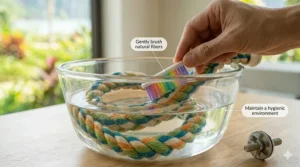
Remove the bird rope perches weekly for thorough cleaning. For rope perches:
- Unscrew from cage and remove any visible debris
- Soak in warm water with bird-safe cleaner for 10-15 minutes
- Scrub gently with a soft brush (toothbrushes work well)
- Rinse thoroughly—soap residue can irritate feet
- Air dry completely before reinstalling
Never use bleach or harsh chemicals. Clean perches weekly with bird-safe soap. Natural cleaners like diluted vinegar solution work effectively.
Machine Washing Tips
Some cotton rope perches tolerate machine washing. Place in a mesh laundry bag to prevent tangling. Use hot water and a gentle cycle with bird-safe detergent. Air dry completely—never use the dryer, as heat can damage wire cores.
Verify manufacturer recommendations before machine washing. Some flexible bird perch designs with complex wire structures shouldn’t go in machines.
When to Replace Your Perch
Replace worn perches every 6-12 months based on chewing damage. Even with excellent maintenance, rope perches eventually wear out. Replace when you notice:
- Significant fraying with loose threads
- Exposed or sharp wire cores
- Loss of shape retention
- Persistent odors despite cleaning
- Visible thinning or weakness
Don’t risk your bird’s safety by extending a perch’s life beyond its useful period. Quality perches are affordable enough to replace regularly.
Preventing Bacterial Growth
Rope absorbs moisture, creating potential bacterial breeding grounds. Position your comfortable sleeping perch away from water dishes to minimize moisture exposure. If perches get wet, remove and dry immediately.
Consider having backup perches so you can rotate while cleaning and drying others. This prevents ever leaving your bird without a soft perch option.
Safety Considerations and Red Flags
Vigilance prevents accidents with any bird accessory, including rope perches.
Identifying Fraying and Wear
Inspect the bendable rope perch for birds weekly for fraying. Loose strands can get caught around a bird’s toes or foot, leading to a serious injury. This risk is especially high with synthetic fiber ropes—stick with natural materials.
Run your fingers along the entire perch length. Any rough spots, loose threads, or exposed wire warrant immediate attention. Don’t wait for “just a little fraying” to become a major hazard.
Toe Entanglement Risks
Small birds are particularly vulnerable to toe entanglement in frayed rope. Check feet during your daily interaction time for any wrapped threads. Caught threads can restrict blood flow, causing serious injury within hours.
If you notice fraying developing, either trim the loose threads carefully or replace the perch entirely. Never leave loose threads “for later”—do it immediately.
Material Toxicity Concerns
Ensure your cotton rope perch uses non-toxic dyes and materials. Some cheap imports use unsafe coloring agents. Stick with reputable brands that explicitly state “bird-safe” materials.
Natural, undyed rope is safest if you have concerns. While colored perches are more visually appealing, your bird’s health trumps aesthetics.
Signs Your Bird Needs a Different Perch
Watch for these warning signs:
- Reluctance to use the perch
- Favoring one foot while perched
- Redness or swelling on foot pads
- Limping or difficulty climbing
- Excessive chewing focused on perch ends
These symptoms suggest the current flexible bird perch isn’t suitable. Try a different diameter, material, or style.
Comparing Rope Perches vs. Other Perch Types
Understanding how rope perches stack up against alternatives helps you create the ideal cage environment.
Rope vs. Natural Wood Perches
Natural wood perches offer irregular surfaces that exercise feet differently than rope. Natural wood branches offer the best grip, exercise, and enrichment for your feathered friend’s wellbeing. However, wood lacks the cushioning effect of rope.
The ideal approach combines both. Use wood perches for the main cage structure and nail trimming, adding a soft perch option for sleeping and relaxation. Each serves a distinct purpose.
Rope vs. Concrete/Pumice Perches
Concrete perches excel at nail maintenance through natural filing action. However, they’re hard and abrasive—concrete perches should not be the only perches used in cages, as they can be abrasive to the bottom of a bird’s feet, resulting in irritation and sores.
Position concrete perches strategically (never as sleeping spots) and balance them with multiple bird rope perches for comprehensive foot care.
Rope vs. Plastic Dowels
Plastic dowels offer easy cleaning but terrible foot health support. The uniform diameter and smooth surface provide no exercise, nail trimming, or grip variation. Mix perch diameters and materials to prevent foot fatigue.
If your cage came with plastic dowels, replace them with a combination of rope, wood, and cement options immediately. Your bird will thank you.
Creating a Balanced Perch Setup
The winning combination for most birds includes:
- 40% natural wood branches (various diameters)
- 30% rope perches (primary sleeping and comfort areas)
- 20% cement/pumice (nail and beak maintenance)
- 10% specialty perches (platform, heated, etc.)
This mix provides comprehensive foot health support while maintaining interest and comfort.
DIY vs. Commercial Rope Perches
Some bird owners consider making their own rope perches. Let’s examine the pros and cons.
Pros of Making Your Own
DIY rope perches allow complete customization of length, thickness, and materials. You control every aspect, ensuring pet-safe materials and perfect sizing for your specific cage. Cost savings can be significant if you already have supplies.
The creative process itself can be rewarding. Many bird owners enjoy crafting custom accessories for their pets.
Safety Concerns with Homemade Options
Avoid anything treated with pesticides, paints, or chemicals which can be toxic for birds. Creating a safe DIY rope perch requires knowledge of bird-safe materials, proper rope types, and secure construction techniques.
The biggest risk is inadequate wire core protection. Exposed wires cause serious foot injuries. Commercial perches have engineering and testing behind them—DIY versions require careful attention to safety.
When Commercial Options Are Better
For most bird owners, commercial bird rope perches offer superior safety and convenience. Reputable manufacturers test products extensively and use verified bird-safe materials. The time investment in creating safe DIY perches often exceeds simply purchasing quality commercial options.
If you have limited DIY experience or any uncertainty about materials, stick with established brands. Your bird’s safety isn’t worth the risk of getting it wrong.
Training Your Bird to Use Rope Perches
Some birds hesitate around new perches. Here’s how to encourage acceptance.
Introducing New Perches Gradually
Never remove all familiar perches simultaneously. Add the new flexible bird perch alongside existing ones, allowing your bird to investigate at their own pace. Cornell University’s Avian Health Program recommends placing new perches in a lower-traffic area initially—not the primary sleeping spot.
Birds are naturally curious. Most will investigate the new perch within 24-48 hours. Let them approach when ready rather than forcing interaction.
Positive Reinforcement Techniques
When your bird touches or steps on the new comfortable sleeping perch, immediately offer a favorite treat. Pair each reward with gentle praise to reinforce positive reinforcement and behavior shaping.
Keep training sessions brief—5-10 minutes maximum. Multiple short sessions work better than one long stressful period.
Dealing with Perch Rejection
If your bird actively avoids the new perch after several days, reassess placement and type. Some birds have texture preferences—try a different soft perch option or cotton rope perch style.
Position the perch near favorite toys or feeding areas to create positive associations. Sometimes simple proximity changes everything.
Building Confidence Over Time
Be patient. Some birds take weeks to fully embrace new perches. As long as you see gradual progress (even just touching the perch occasionally), you’re moving in the right direction.
Never punish or force interaction. This creates lasting negative associations that make future introductions harder.
Top Brands and Where to Buy
Knowing which brands deliver quality helps you shop confidently.
Most Trusted Manufacturers
JW Pet/Petmate consistently delivers reliable products at fair prices. Their rope perches maintain shape well and use quality materials. Excellent warranty support.
Super Bird Creations represents the premium tier with exceptional durability and bird-safe certifications. Recommended by avian veterinarians nationwide.
Penn-Plax offers solid mid-range options with good value. Their rope perches work well for small to medium birds.
SunGrow provides innovative designs at competitive prices. Good balance of features and affordability.
Online Retailers Worth Checking
Amazon provides the widest selection with customer reviews helping you avoid problematic products. Prime shipping means quick delivery when you need replacements.
Chewy specializes in pet supplies with excellent customer service and auto-ship discounts on regular purchases. Their bird section has expanded significantly.
Specialty bird stores like My Safe Bird Store and The Birdsafe Store offer curated selections with expert guidance. Higher prices but exceptional knowledge.
Getting the Best Value
Compare prices across multiple retailers before purchasing. Sales often reduce costs by 20-30%. Subscribe to email lists for exclusive coupons.
Buy in sets when possible—purchasing 2-3 rope perches together usually offers per-unit savings. Having backups during cleaning periods justifies bulk buying anyway.
Budget-Friendly Alternatives
Quality rope perches don’t require emptying your wallet. Here’s how to maximize value.
Finding Quality on a Budget
The GINXIA Parrot Rope Perch delivers impressive performance under $15. While not as refined as premium options, it provides the essential benefits of a bendable rope perch for birds at a fraction of the cost.
Look for sales and clearance sections at major pet retailers. Discontinued colors or packaging changes often mean steep discounts on identical products.
Multi-Pack Deals
Purchasing multi-packs reduces per-perch costs significantly. If you have multiple cages or birds, this approach makes excellent financial sense.
Some manufacturers offer variety packs with different sizes and styles. These provide experimentation opportunities while maximizing value.
Longevity vs. Initial Cost
Cheap perches that need monthly replacement cost more long-term than quality options lasting a year. Calculate cost-per-month rather than just initial price.
A $20 perch lasting 12 months costs $1.67 monthly. A $8 perch requiring replacement every 2 months costs $4 monthly. The “expensive” option saves money.
Frequently Asked Questions
❓ How often should I replace rope perch for birds?
❓ Can rope perches cause bumblefoot in birds?
❓ What diameter rope perch is best for cockatiels?
❓ Are cotton or hemp rope perches better for birds?
❓ How do I clean bird rope perches without damaging them?
Conclusion: Choosing Your Perfect Rope Perch
After reviewing the top rope perch for birds options available in 2026, the conclusion becomes clear: investing in quality perches directly impacts your bird’s daily comfort and long-term health.
Whether you choose the versatile JW Pet Comfy Perch, the exercise-focused Super Bird Creations Bungee, or the budget-friendly GINXIA Cotton Rope Perch, you’re making a positive change in your bird’s environment. Each product reviewed here offers genuine benefits—your choice depends on your specific bird’s size, preferences, and cage setup.
Remember that the best approach combines multiple perch types. Your flexible bird perch shouldn’t stand alone but rather complement natural wood branches and other textures. This variety prevents foot problems while keeping your bird mentally engaged.
The adjustable perch position capability of quality rope perches means you can refresh your bird’s environment regularly without purchasing new equipment. Simply reshape the bendable rope perch for birds into new configurations every few weeks.
Start with one quality cotton rope perch positioned as a comfortable sleeping perch in your cage’s upper section. Observe your bird’s response over the first week. Most birds immediately appreciate the softer surface, spending more time on rope perches than traditional dowels.
As you expand your perch collection, prioritize variety over quantity. Three well-chosen perches of different materials and diameters serve your bird better than six identical options. The investment in proper bird rope perches pays dividends through improved foot health, enhanced activity levels, and visible happiness in your feathered companion.
Your bird spends virtually every waking hour standing. Doesn’t that deserve the same attention we give to food, toys, and socialization? The right soft perch option transforms their daily experience from tolerable to genuinely comfortable. That’s not an exaggeration—it’s observable reality backed by avian veterinarian recommendations and thousands of bird owner experiences.
Take action today. Evaluate your current perch setup honestly. If you’re still using only the plastic dowels that came with the cage, your bird deserves better. Order at least one quality rope perch and watch the difference it makes. The improved foot health, increased activity, and obvious comfort you’ll observe make this one of the easiest and most impactful upgrades you can provide.
Recommended for You
- 7 Best Java Wood Bird Perch Options for Healthier Birds 2026
- 7 Best Manzanita Bird Perch Options for Healthy Parrots 2026
- 7 Best Natural Wood Perches for Birds in 2026
Disclaimer: This article contains affiliate links. If you purchase products through these links, we may earn a small commission at no additional cost to you.
✨ Found this helpful? Share it with your friends! 💬🤗
