
In This Article
Picture this: you’re holding your beloved parrot, and those razor-sharp talons dig into your hand like tiny daggers. Sound familiar? You’re not alone. Thousands of bird owners wrestle with overgrown nails every few months, turning what should be a bonding experience into a stressful wrestling match.
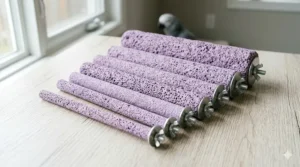
Here’s what most people don’t realize—in the wild, birds naturally wear down their nails and beaks on varied surfaces like tree bark, rocks, and rough branches. But in captivity? Those smooth wooden dowels do absolutely nothing for nail maintenance. Enter the pumice perch for birds, a game-changing accessory that mimics nature’s own grooming system.
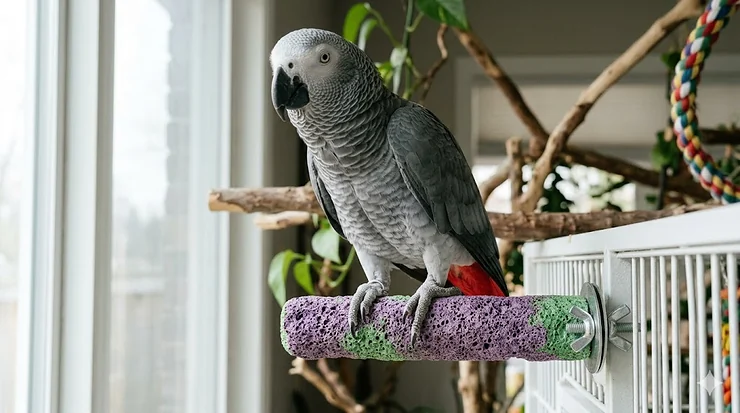
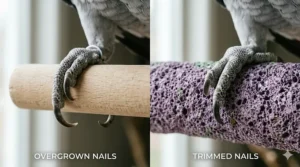
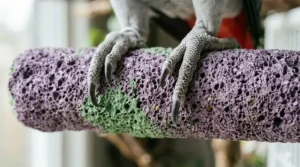
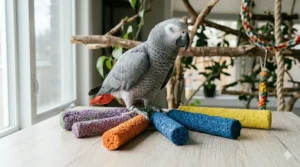
A pumice perch for birds isn’t just another cage accessory—it’s a self-grooming solution that works 24/7 while your bird perches, sleeps, and plays. The textured pumice stone bird perch gently files down overgrown nails with every step, eliminating the trauma of nail clipping sessions. Modern bird nail filing perch options combine comfort with functionality, featuring smooth tops for tender foot pads and rough sides for natural nail maintenance. This innovation helps you avoid nail clipping stress while promoting self-grooming solutions that keep your feathered companion healthy and happy.
According to VCA Animal Hospitals, cement or ceramic perches may help wear down the beak but should not be used as the only perch in the cage, as their rough surface may lead to development of pressure sores on the bottom of feet. That’s why choosing the right cement perch for parrots matters—quality design protects those delicate foot pads while delivering effective grooming.
Quick Comparison Table
| Product | Best For | Size Range | Price | Material | Rating |
|---|---|---|---|---|---|
| Sweet Feet & Beak Safety Pumice Perch | All birds | XS-XL | $8-$18 | Plastic & Pumice | 4.5/5 |
| Manzanita Superoost Pedicure Perch | Natural wood lovers | XS-Large | $22-$35 | Manzanita & Pumice | 4.7/5 |
| Penn-Plax Cement Trimmer | Budget-conscious | 7″-10″ | $5-$12 | Cement | 4.2/5 |
| Living World Pedi-Perch | Wave design fans | Small-Large | $7-$15 | Cement | 4.3/5 |
| RYPET Quartz Sand U-Shaped | Space savers | S-XL | $9-$16 | PVC & Quartz | 4.4/5 |
| KINTOR Natural Wood Quartz | Natural aesthetic | 8″ | $11-$14 | Wood & Quartz | 4.1/5 |
| Sweet Feet Comfort Grip | Sensitive feet | XS-Medium | $9-$17 | Plastic & Pumice | 4.6/5 |
💬 Just one click – help others make better buying decisions too!😊
Top 7 Pumice Perch for Birds: Expert Analysis
1. Sweet Feet & Beak Safety Pumice Bird Perch — Industry Gold Standard
When it comes to pumice perch for birds, this patented design has dominated the market for over two decades. The brilliant engineering: smooth plastic on top protects tender foot pads, while pumice-coated sides naturally trim nails with every grip.
Key Specs: Available in 5 sizes (XS 1/2″×6″ to XL 2.25″×14″), lightweight plastic core with genuine pumice coating, three color options (Blue, Green, Purple), horizontal bar mounting with safety cap.
Customer Feedback: Bird owners rave about the noticeable difference within weeks. One African Grey owner reported going from monthly nail trims to just twice yearly. The lightweight construction means even small cages can accommodate these without structural concerns.
✅ Pros: Patented smooth-top design prevents foot sores, significantly lighter than cement alternatives, available in multiple sizes for any bird species
❌ Cons: Only works with horizontal cage bars, colors vary and cannot be selected
Price: $8-$18 | Best For: Finches through macaws seeking proven nail maintenance
2. Sweet Feet & Beak Superoost Manzanita Pumice Pedicure Perch — Nature Meets Innovation
The Sweet Feet & Beak Superoost combines rock-hard manzanita wood with cosmetic-grade pumice strips, creating a perch that feels natural while functioning as an effective bird nail filing perch.
Key Specs: Natural manzanita wood base (hardest wood available), 100% cosmetic-grade pumice on sides, sizes from XS 8″ to Large 12″×2″, each perch unique due to natural branching.
Customer Feedback: Cockatiel owners particularly appreciate how this cement perch for parrots alternative mimics wild perching conditions. Birds instinctively prefer its irregular diameter over uniform dowels.
✅ Pros: Extremely durable natural wood resists chewing, promotes natural foot exercise with varying diameter, USA-made with zero artificial dyes
❌ Cons: Higher price point than plastic alternatives, natural variations mean unpredictable appearance
Price: $22-$35 | Best For: Owners prioritizing natural materials and long-term durability
3. Penn-Plax Bird-Life Cement Trimmer Bird Perch — Budget Champion
The Penn-Plax Cement Trimmer features a tapered design that accommodates various foot sizes while the textured surface keeps nails naturally filed.
Key Specs: Available in 7″ (medium birds) and 10″ (large birds), variable diameter design reduces foot stress, metal mounting hardware included, food-safe color coating.
Customer Feedback: Canary and parakeet owners find the 7″ size perfect for smaller cages. However, some users note the cement can be somewhat rough initially.
✅ Pros: Extremely affordable entry-level option, durable cement construction lasts years, easy installation
❌ Cons: Heavier than plastic/pumice alternatives, can be overly abrasive for delicate feet
Price: $5-$12 | Best For: Budget-conscious bird owners with medium to large birds
4. Living World Pedi-Perch — Therapeutic Wave Design
The Living World Pedi-Perch stands out with its distinctive wavy profile. This therapeutic design does more than trim nails—it promotes foot circulation and helps prevent arthritis through varied pressure points.
Key Specs: Multi-grip wave surface design, available in Small/Medium/Large sizes, non-toxic cement composition, helps maintain beak condition.
Customer Feedback: Owners of senior birds particularly value the circulation benefits. The wave pattern ensures birds can’t stand in one position for extended periods.
✅ Pros: Unique wave design promotes better foot health, helps prevent arthritis and atrophy, budget-friendly pricing
❌ Cons: Color selection unavailable (ships randomly), some birds initially resist the unfamiliar texture
Price: $7-$15 | Best For: Senior birds or those requiring enhanced foot circulation
5. RYPET Parrot Perch Rough-surfaced Quartz Sand U-Shaped — Space-Saving Innovation
The RYPET U-Shaped Perch revolutionizes cage layout. Its unique U-shape mounts to cage sides, creating a comfortable corner perch while maximizing interior space.
Key Specs: Natural quartz sand over food-grade PVC core, U-shaped design for corner mounting, sizes S/L/XL for various bird species, built-in bolt mounting system.
Customer Feedback: Conure owners love how this pumice stone bird perch saves cage real estate. The quartz sand provides excellent grip without being overly abrasive.
✅ Pros: Space-efficient U-shaped design, natural quartz sand coating very durable, easy wing-nut installation
❌ Cons: Limited to U-shape configuration, PVC core less natural than wood alternatives
Price: $9-$16 | Best For: Smaller cages needing efficient space utilization
6. KINTOR Natural Wood Quartz Sand Perch — Aesthetic Excellence
The KINTOR Natural Wood Perch delivers real wood interior wrapped in quartz sand creates a perch that looks organic while functioning as an effective nail maintenance tool.
Key Specs: Natural wood core with quartz sand coating, 8″ standard length, 0.8″ diameter, food-grade color coating safe for chewing, metal wing-nut attachment.
Customer Feedback: Budgie and lovebird owners appreciate the natural appearance. The wood core provides satisfying chewing opportunities while the quartz maintains nail health.
✅ Pros: Natural wood aesthetic appeals to birds, safe for chewing behavior, affordable mid-range pricing
❌ Cons: Single size limits compatibility, sand coating can wear faster than pumice
Price: $11-$14 | Best For: Small to medium birds in decorative cages
7. Sweet Feet & Beak Comfort Grip Safety Perch — Ultimate Comfort Focus
The Sweet Feet & Beak Comfort Grip prioritizes bird comfort above all else. With the smoothest top surface in the category, this perch excels for birds with sensitive feet.
Key Specs: Extra-smooth comfort grip top surface, textured pumice sides for nail maintenance, sizes XS 4.5″ through Medium 8.5″, lightweight plastic construction.
Customer Feedback: Pionus and African Grey owners with birds showing signs of foot sensitivity report this as the only pedicure perch their birds will consistently use.
✅ Pros: Gentlest top surface available, perfect for birds with foot issues, lightweight and easy to clean
❌ Cons: Limited size range (only through Medium), higher price than basic options
Price: $9-$17 | Best For: Birds with sensitive feet or previous foot injuries
✨ Don’t Miss These Exclusive Deals!
🔍 Take your bird care to the next level with these carefully selected products. Click on any highlighted item to check current pricing and availability. These tools will help you create an authentic natural grooming environment your feathered friend will love!
What Makes Pumice Perch for Birds Effective?
The secret behind natural nail maintenance lies in how wild birds groom themselves. In their native habitats, birds are naturally very active during the day and would normally encounter a huge variety of textured surfaces that are mother nature’s way of keeping their nails and beaks conditioned.
A quality pumice perch for birds replicates this natural process. The key is texture graduation: smooth enough to protect delicate foot pads, yet abrasive enough to file nails with regular use. Pumice stone itself is volcanic rock filled with tiny air pockets, creating a surface that’s both lightweight and effectively abrasive—ideal for natural grooming without excessive wear.
Modern bird nail filing perch designs consider three critical factors: surface texture for filing, top smoothness for comfort, and diameter variation for foot exercise. The best cement perch for parrots balances all three elements.
Key Benefits of Using Pumice Stone Bird Perch
🦜 Eliminate Nail Clipping Trauma
Nail trimming sessions rank among the most stressful experiences for birds and owners alike. A proper pumice perch for birds transforms this quarterly nightmare into an automated, stress-free process. Birds naturally grip perches hundreds of times daily, and those textured surfaces do the filing work during normal activities. Most owners report reducing professional nail trims from monthly to 2-3 times yearly.
🦜 Natural Beak Conditioning
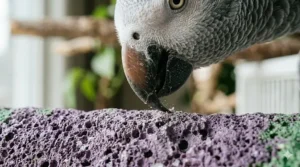
Birds instinctively wipe their beaks on perches after eating, and that rough pumice surface helps maintain proper beak shape and length. According to the Merck Veterinary Manual, providing your bird with one perch made of cement can help wear down its nails, but be sure the bird has other perches, because standing on a cement perch all the time can be rough on its feet. Birds intentionally grind the upper and lower beak together during periods of rest, and so long as the underlying bone structure is intact and their beaks are symmetric, a bird can normally maintain its own beak length.
🦜 Improved Foot Health Through Exercise
Uniform diameter perches create pressure points that can lead to foot problems. Quality pumice perches feature varying diameters that encourage different grip positions, strengthening foot muscles and improving circulation. Understanding your bird’s unique anatomy helps explain why perch variety matters—their feet contain numerous tendons and small bones that require exercise to maintain flexibility. This variation keeps tendons flexible and prevents arthritis development.
🦜 Cost-Effective Long-Term Solution
Consider this five-year scenario: Professional nail trims at $25 per visit × 4 times yearly = $100 annually = $500 over five years. Quality pumice perch: $18 initial purchase + $18 replacement at year 3 = $36 total. The savings speak for themselves.
How to Choose the Right Pumice Perch
Match Perch Diameter to Your Bird Species
Size matters tremendously. Here’s the general sizing guide:
- Finches, Canaries: XS (1/2″ diameter)
- Budgies, Lovebirds: XS-Small (1/2″-7/8″)
- Cockatiels, Small Conures: Small-Medium (7/8″-1.25″)
- African Greys, Amazons: Medium-Large (1.25″-1.5″)
- Cockatoos, Macaws: Large-XL (1.5″-2.25″)
Your bird should wrap its toes around approximately 3/4 of the perch circumference for optimal grip and filing action.
Consider Top Surface Smoothness
Test the surface yourself. If it feels uncomfortably abrasive on your palm, it’s too rough for extended foot contact. Premium options feature smooth plastic or sealed wood tops with pumice only on the gripping sides.
Evaluate Material Durability
Plastic with Pumice Coating: Lightweight, easy to clean, won’t stress cage structure.
Natural Wood with Pumice: Aesthetically pleasing, satisfies chewing urges, varies naturally in diameter.
Solid Cement: Most affordable, extremely durable, but heaviest option.
Plan for Multiple Perch Variety
Cement or ceramic perches should not be used as the only perch, or most frequently used perch in the cage, as their rough surface may lead to development of pressure sores on the bottom of feet. Plan to use pumice perches alongside natural wood branches and soft rope perches. A healthy cage setup includes 3-5 perches of varying textures.
Installation and Placement Best Practices
Strategic Positioning for Maximum Effectiveness
Near Food and Water: Birds spend extended periods here throughout the day. Positioning a pumice perch at the feeding station ensures consistent nail contact.
Favorite Sleeping Spots: If your bird has a preferred sleeping location, placing a comfort-focused pumice perch there ensures overnight nail filing. However, prioritize perches with smooth tops for sleeping positions.
Not as Highest Perch: Birds instinctively prefer the highest available perch for security. Avoid making your pumice perch the topmost option to prevent excessive use.
Gradual Introduction for Hesitant Birds
Some birds resist new perches initially. Start by placing the new perch outside the cage for a few days, letting your bird observe it without pressure. Once familiar with its appearance, install it in a low-traffic cage area. Encourage use by temporarily placing treats on or near the perch. Most birds adapt within 3-5 days.
Maintenance and Care Guide
Regular Cleaning Schedule
Weekly: Wipe down perches with bird-safe disinfectant or plain water to remove fresh droppings.
Monthly: Remove perches entirely and scrub with warm water and mild soap. For plastic perches, dishwasher cycles work perfectly.
Quarterly: Check for wear patterns, loose mounting hardware, or deteriorating pumice coating.
When to Replace Your Pumice Perch
Worn Smooth Surfaces: If the pumice texture has worn completely smooth, it’s no longer filing nails effectively. Typical lifespan ranges 18-36 months.
Structural Damage: Cracks, breaks, or loose pumice coating create safety hazards.
Hygiene Concerns: Perches with deep grooves that won’t clean properly should be replaced.
Safe Cleaning Products
Never use harsh chemicals around birds. Stick to plain hot water and scrubbing, mild dish soap (thoroughly rinsed), bird-safe disinfectants, or white vinegar solutions (1:1 with water). Avoid bleach, ammonia, or scented cleaners entirely.
Common Mistakes to Avoid
Using Pumice Perch as Only Perch Option
This ranks as the most common error. Exclusive use of rough-textured perches can damage foot pads over time. Aim for diversity: natural wood branches, soft rope perches for sleeping, flat platforms for larger birds, and one or two pumice perches for grooming.
Selecting Wrong Size for Bird Species
Oversized perches prevent proper grip, eliminating the filing effect entirely. Conversely, undersized perches strain foot muscles and tendons. Always match perch diameter to your specific bird species.
Forcing Reluctant Birds
If your bird actively avoids the new pumice perch after several weeks, don’t force the issue. Some birds have sensitivity to rough textures. Respect your bird’s choices and try alternative approaches.
Ignoring Foot Health Signs
Watch for redness or swelling on foot pads, limping or favoring one foot, refusal to perch normally, or excessive picking at feet. These symptoms indicate potential bumblefoot (pressure sores) requiring veterinary attention.
Comparing Pumice vs. Other Perch Types
| Feature | Pumice Perch | Wood Perch | Rope Perch | Dowel Perch |
|---|---|---|---|---|
| Nail Trimming | ⭐⭐⭐⭐⭐ Excellent | ⭐⭐⭐ Moderate | ⭐ Poor | ⭐ Poor |
| Comfort | ⭐⭐⭐⭐ Good | ⭐⭐⭐⭐⭐ Excellent | ⭐⭐⭐⭐⭐ Excellent | ⭐⭐⭐ Fair |
| Durability | ⭐⭐⭐⭐ Very Good | ⭐⭐⭐ Good | ⭐⭐ Fair | ⭐⭐⭐⭐ Very Good |
| Foot Exercise | ⭐⭐⭐⭐ Good | ⭐⭐⭐⭐⭐ Excellent | ⭐⭐⭐ Good | ⭐⭐ Poor |
| Price | $$$ | $$ | $ | $ |
Each perch type serves distinct purposes. Natural wood perches provide the best foot exercise. Rope perches offer supreme comfort for sleeping. And pumice perches deliver unmatched nail maintenance.
Price Range and Value Analysis
| Price Tier | Range | What to Expect | Best Value Pick |
|---|---|---|---|
| Budget | $5-$10 | Basic cement perches, limited sizes | Penn-Plax Cement Trimmer |
| Mid-Range | $11-$18 | Pumice/quartz options, better comfort | Sweet Feet Safety Pumice |
| Premium | $20-$35 | Natural wood, patented designs | Manzanita Superoost |
Large parrots—macaws, cockatoos, African Greys—benefit tremendously from premium natural wood perches. Their powerful beaks destroy budget options in weeks, making frequent replacements more expensive than one quality purchase.
❓ Frequently Asked Questions
❓ How long does it take for a pumice perch for birds to show results?
❓ Can I use pumice stone bird perch for small birds like finches?
❓ How many cement perch for parrots should I have in one cage?
❓ Do bird nail filing perch work for beaks too?
❓ Can aggressive chewers destroy pumice perches?
Conclusion: Invest in Your Bird’s Natural Grooming Routine
Choosing the right pumice perch for birds transforms nail maintenance from a stressful ordeal into an effortless daily routine. By mimicking the natural surfaces wild birds encounter, these specialized perches work continuously—filing nails, conditioning beaks, and promoting healthy feet without any effort from you or stress for your feathered companion.
The products we’ve reviewed represent the best options available in 2026, each excelling in different categories. Whether you prioritize budget-friendly solutions like the Penn-Plax Cement Trimmer, innovative designs like the RYPET U-Shaped Perch, or premium natural options like the Manzanita Superoost, there’s a perfect match for your bird’s needs.
Remember, the goal isn’t finding one perfect perch—it’s creating a diverse perching environment that keeps your bird engaged, comfortable, and naturally groomed. Combine one or two pumice perches with natural wood branches, soft rope perches, and varying diameters for optimal foot health.
Recommended for You
- 7 Best Rope Perch for Birds – 2026
- 7 Best Java Wood Bird Perch Options for Healthier Birds 2026
- 7 Best Manzanita Bird Perch Options for Healthy Parrots 2026
Disclaimer: This article contains affiliate links. If you purchase products through these links, we may earn a small commission at no additional cost to you.
✨ Found this helpful? Share it with your friends! 💬🤗
