
In This Article
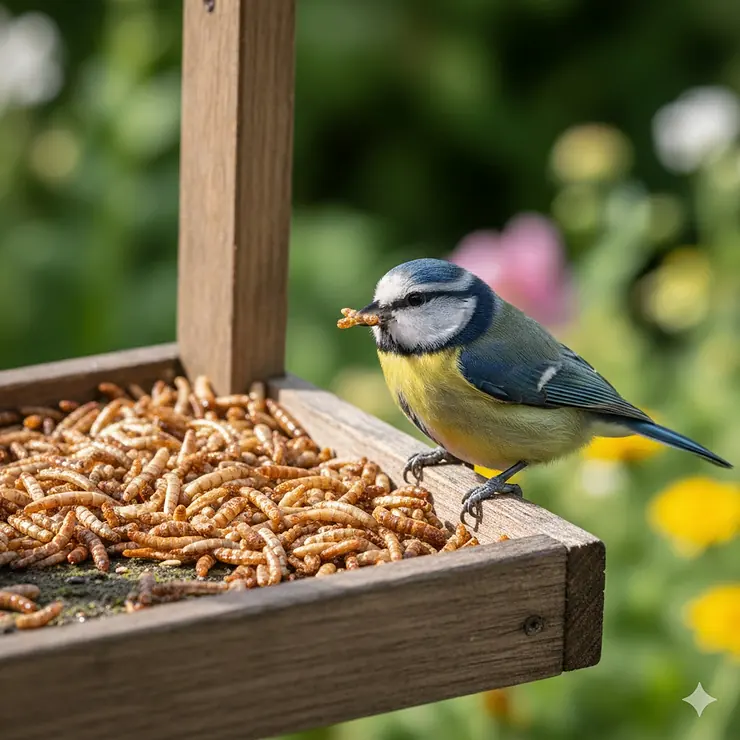
I still remember the first time I scattered dried mealworms for birds in my backyard feeder. Within minutes, a family of bluebirds swooped down like they’d discovered hidden treasure. That magical moment transformed my understanding of what truly attracts and nourishes our feathered friends.
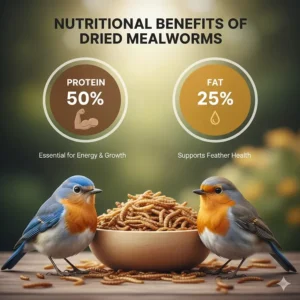
Here’s something most bird enthusiasts don’t realize: dried mealworms for birds pack more than 50% protein content, absolutely dwarfing the measly 15% found in black oil sunflower seeds. According to the Georgia Department of Natural Resources, these nutrient-dense larvae attract species that normally wouldn’t visit traditional seed feeders, including bluebirds, wrens, robins, and even the elusive yellow-rumped warblers.
Whether you’re feeding wild birds during harsh winters, supplementing your backyard chickens’ diet, or helping baby birds through nesting season, choosing the right dried mealworms makes all the difference. In this comprehensive guide, I’ll walk you through the top 7 products currently dominating Amazon in 2026, revealing which options deliver the best value, highest quality, and most impressive results for different bird species and situations.
Quick Comparison Table
| Product | Size | Protein Content | Price Range | Best For | Rating |
|---|---|---|---|---|---|
| TradeKing Dried Mealworms | 5 lb | 55.3% | $30-35 | Bulk buyers | ⭐⭐⭐⭐⭐ |
| WORMSKING 2LB | 2 lb | 52%+ | $18-22 | Wild birds | ⭐⭐⭐⭐½ |
| Kaytee Mealworms | 3.5 oz | 47% | $8-10 | Beginners | ⭐⭐⭐⭐ |
| LuckyQworms | 20 lb | 50%+ | $80-95 | Large flocks | ⭐⭐⭐⭐⭐ |
| Songbird Essentials | 10 oz | 53% | $12-15 | Premium quality | ⭐⭐⭐⭐½ |
| I LOVE WORMS | 5 lb | 51% | $28-33 | Multi-purpose | ⭐⭐⭐⭐ |
| UCM Group Organic | 5 lb | 50% | $25-30 | Organic seekers | ⭐⭐⭐⭐½ |
💬 Just one click – help others make better buying decisions too! 😊
✨ Don’t Miss These Exclusive Deals!
🔍 Take your bird feeding to the next level with these carefully selected products. Click on any highlighted item to check current pricing and availability. These high-protein treats will help you attract colorful species your neighbors will envy!
Top 7 Dried Mealworms for Birds: Expert Analysis
1. TradeKing 5 lb Dried Mealworms – Best Overall Value
Walking into the world of bulk dried mealworms, TradeKing 5 lb Dried Mealworms consistently outperforms competitors with an impressive 55.3% crude protein content. This veterinarian-certified product comes in multiple size options (1, 2, 5, and 11 lbs), making it perfect whether you’re feeding a couple of backyard chickens or maintaining feeders for dozens of wild birds.
Key Specifications:
- Protein: 55.3% minimum
- Fat: 24.4% minimum
- Available sizes: 1-11 lbs
- Resealable stand-up pouch
The resealable packaging deserves special mention. Unlike cheaper brands that arrive in flimsy bags, TradeKing uses heavy-duty pouches that actually keep moisture out for months. Customers rave about attracting cardinals, woodpeckers, and chickadees that previously ignored their feeders.
✅ Pros:
- Veterinary certified for safety
- Multiple size options
- Excellent protein-to-price ratio
❌ Cons:
- Larger bags can take months to use for small setups
- Some users report occasional broken pieces
Customer Feedback: Buyers consistently praise the freshness and whole-worm quality, with many noting their chickens produce noticeably stronger eggshells after regular feeding.
2. WORMSKING 2LB Dried Mealworms – Best for Wild Bird Enthusiasts
For those specifically targeting wild birds, WORMSKING 2LB Dried Mealworms strikes the perfect balance between quantity and manageability. This microwave-dried product maintains maximum nutritional integrity while eliminating the storage hassles of live mealworms.
Key Specifications:
- Non-GMO, additive-free
- Fed with carrots and wheat bran
- Microwave drying process
- Dust-free formula
What sets WORMSKING apart is their unique feeding regimen during the larvae stage. By nourishing the mealworms with carrots and wheat bran, they create a vitamin-enriched final product that shows up in your birds’ vibrant plumage and energetic behavior.
✅ Pros:
- Premium microwave drying preserves nutrients
- Excellent for winter bird support
- Resealable bag maintains freshness
❌ Cons:
- Medium size may not suit very large operations
- Slightly higher price per ounce than bulk options
Customer Feedback: Bluebird lovers specifically mention this brand attracts more nesting pairs during spring months.
3. Kaytee Wild Bird Food Mealworms – Best for Beginners
If you’re dipping your toes into dried mealworms for birds for the first time, Kaytee Wild Bird Food Mealworms offers the perfect starter option. Available in convenient 3.5-ounce, 7-ounce, and 2-pound sizes, this trusted brand has over 150 years of bird nutrition expertise backing every bag.
Key Specifications:
- Protein: 47% minimum
- Oven-dried processing
- 100% mealworm, no fillers
- Multiple size options
Kaytee produces consistently oven-dried mealworms that maintain their shape without the shriveled, hollow appearance common in poorly processed varieties. The smaller packaging sizes let you test whether your local bird population embraces mealworms before committing to bulk purchases.
✅ Pros:
- Perfect portion sizes for testing
- Trusted brand with quality control
- Attracts diverse species including woodpeckers
❌ Cons:
- Higher per-ounce cost in smaller sizes
- Some bags contain more broken pieces than competitors
Customer Feedback: Wildlife rehabilitators often choose this brand for feeding injured birds, citing its digestibility and consistent quality.
4. LuckyQworms 20lbs Dried Mealworms – Best for Large Operations
Running a serious chicken operation or managing multiple wild bird feeding stations? LuckyQworms 20lbs Dried Mealworms delivers industrial-scale nutrition without industrial-scale prices. This bulk option provides the best per-pound value currently available on Amazon.
Key Specifications:
- Massive 20 lb quantity
- Over 50% protein content
- Non-GMO certification
- Chemical-free processing
At 20 pounds, you’re looking at roughly 6-8 months of daily supplementation for a small backyard flock. The LuckyQworms brand processes their mealworms without any chemical additives, relying solely on heat drying to preserve the natural protein and calcium content.
✅ Pros:
- Unbeatable bulk pricing
- Year-round supply for most users
- Excellent for molting season support
❌ Cons:
- Requires proper storage containers
- Commitment to large quantity
- Free shipping threshold may apply
Customer Feedback: Chicken owners report improved egg production and healthier feather regrowth during autumn molting when incorporating 5-10% mealworms into daily feed.
5. Songbird Essentials Dried Mealworms – Best Premium Quality
Sometimes you want the absolute finest dried mealworms for birds without compromise. Songbird Essentials Dried Mealworms delivers premium-grade larvae in both 3.5-ounce packets and 10-ounce rigid containers. Each container holds approximately 9,500 individual mealworms.
Key Specifications:
- 100% naturally dried
- 53% protein content
- Rigid storage containers
- Premium whole worms
The rigid container design isn’t just fancy packaging—it genuinely protects the mealworms from crushing during shipping and storage. You’ll find fewer broken pieces and more intact worms compared to bag-only competitors. According to research published in PMC, whole mealworms provide better nutrition absorption for birds.
✅ Pros:
- Exceptional whole-worm percentage
- Convenient rigid containers
- Higher protein than many competitors
❌ Cons:
- Premium pricing
- Smaller quantities available
- Container takes up more storage space
Customer Feedback: Bluebird enthusiasts particularly appreciate the consistent quality, noting that parent birds seem to prefer these for feeding nestlings.
6. I LOVE WORMS Dried Mealworms 5lb – Best Multi-Purpose Option
Need versatility? I LOVE WORMS Dried Mealworms 5lb works beautifully for wild birds, chickens, ducks, reptiles, and even aquarium fish. This microwave-dried product maintains maximum nutritional value while remaining affordable enough for regular use.
Key Specifications:
- 51%+ protein content
- Veterinarian certified
- Non-toxic, additive-free
- Multi-species approved
What makes I LOVE WORMS special is their dedication to microwave drying technology, which preserves more vitamins and fatty acids compared to traditional oven drying. If you’re feeding multiple types of animals, this single product eliminates the need for different specialty feeds.
✅ Pros:
- Suitable for diverse animals
- Fresh microwave processing
- Good balance of quality and price
❌ Cons:
- Mid-range size may not suit extreme needs
- Protein content slightly lower than top competitors
Customer Feedback: Reptile owners and bird feeders alike praise the consistent size and freshness, with many reporting their bearded dragons and chickadees equally enthusiastic.
7. UCM Group 5LB Organic Dried Mealworms – Best Organic Choice
For those committed to organic bird feeding, UCM Group 5LB Organic Dried Mealworms provides certified organic, non-GMO nutrition. This product specifically targets health-conscious bird enthusiasts concerned about pesticide residues and artificial additives.
Key Specifications:
- 100% Non-GMO certified
- Organic chicken feed standard
- 50% protein minimum
- Suitable for all poultry and wild birds
The organic certification means these mealworms were raised on organic substrates without synthetic pesticides or growth hormones. While you’ll pay slightly more per pound, you’re investing in the cleanest possible protein source for your feathered friends.
✅ Pros:
- Certified organic production
- No synthetic additives
- Supports sustainable farming
❌ Cons:
- Higher price point
- Organic claims may matter less for wild bird feeding
- Limited size options
Customer Feedback: Backyard chicken owners focused on organic egg production consistently choose this brand, noting it aligns with their commitment to chemical-free farming.
Understanding Dried Mealworms: What Makes Them Special?
Dried mealworms for birds aren’t just trendy—they’re scientifically proven nutrition powerhouses. These larvae (technically from the darkling beetle, Tenebrio molitor) undergo complete metamorphosis, and we harvest them during their most protein-rich life stage.
The Nutritional Breakdown
When moisture is removed from live mealworms, the concentration of nutrients skyrockets. According to Wild Birds Unlimited research, dried mealworms contain approximately 53% protein, 28% fat, 8.5% carbohydrates, and 4.1% ash once moisture is removed. Compare this to:
- Black oil sunflower seeds: 15% protein, 25% fat
- Nyjer seeds: 18% protein, 35% fat
- Suet cakes: 8% protein, 70% fat
The protein profile matters tremendously during three critical periods: spring nesting season when birds need energy for egg production, summer when parent birds feed growing chicks, and autumn when birds prepare for migration or winter survival.
Why Birds Go Crazy for Them
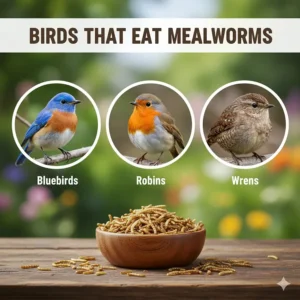
Birds possess an innate recognition of high-quality protein sources. In the wild, they’d spend hours hunting live insects to meet their nutritional needs. Dried mealworms deliver that same protein punch with zero hunting effort, making them irresistible to insect-eating species like bluebirds, wrens, chickadees, and nuthatches.
Best Dried Mealworms vs Traditional Bird Feed Comparison
| Feature | Dried Mealworms | Sunflower Seeds | Suet Cakes |
|---|---|---|---|
| Protein Content | 50-55% | 15% | 8% |
| Fat Content | 24-28% | 25% | 70% |
| Attracts Insect-Eaters | ✅ Excellent | ❌ Poor | ⚠️ Moderate |
| Storage | Easy, room temp | Easy | Refrigeration recommended |
| Year-Round Use | ✅ Yes | ✅ Yes | Best in winter |
| Cost per Pound | $6-12 | $1-3 | $4-8 |
How to Choose the Perfect Dried Mealworms for Your Needs
Step 1: Identify Your Primary Users
Are you feeding wild birds exclusively, or do you have backyard chickens? Wild bird feeders can thrive with smaller packages (1-3 lbs), while chicken owners typically need 5-20 lb bulk options to maintain cost-effectiveness.
Step 2: Check Protein Content
Don’t settle for products below 45% protein. The best dried mealworms consistently deliver 50-55% protein, ensuring maximum nutritional bang for your buck. Look for guaranteed analysis on packaging.
Step 3: Verify Processing Methods
Microwave and oven-drying both work well, but microwave processing typically preserves more vitamins and fatty acids. Avoid products that don’t specify their drying method—this often indicates lower quality control.
Step 4: Examine Package Quality
Resealable bags dramatically extend shelf life by preventing moisture infiltration. Rigid containers offer even better protection but cost more and take up additional storage space.
Step 5: Consider Organic Certification
For backyard poultry producing eggs you’ll eat, organic certification matters. For wild bird feeding, non-GMO status provides sufficient quality assurance without the premium pricing.
Step 6: Calculate Cost Per Pound
Divide total price by weight to compare true value across different package sizes. Bulk purchases almost always offer better per-pound pricing, but only make sense if you’ll use the quantity before quality degrades.
Step 7: Read Recent Reviews
Amazon reviews reveal crucial details about freshness, shipping quality, and actual bird acceptance rates. Prioritize reviews from the past 3-6 months for current product quality indicators.
Maximizing Dried Mealworms: Feeding Strategies That Work
For Wild Birds
Scatter mealworms on platform feeders or the ground to encourage natural foraging behavior. Mix them with regular seed to help birds discover this new food source. During nesting season (April-July), increase quantities to support protein-hungry parent birds.
For Backyard Chickens
Supplement up to 10% of daily feed with dried mealworms, particularly during molting season (autumn) when chickens need extra protein for feather regrowth. Hand-feeding mealworms helps tame nervous chickens and strengthens your bond with the flock.
For Ducks and Waterfowl
Ducks absolutely devour dried mealworms. Sprinkle them on the ground or add to water for enrichment activities. The high protein supports egg production and keeps ducks entertained.
Rehydration Techniques
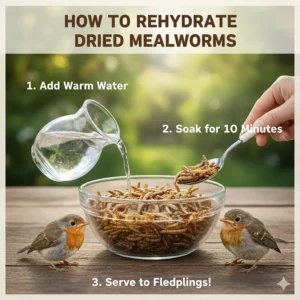
Soak dried mealworms in warm water for 10-15 minutes before offering to baby birds or chickens with digestive sensitivities. Rehydrated worms more closely mimic natural insects and ease digestion.
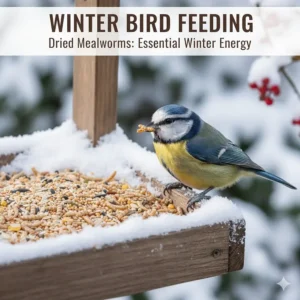
Seasonal Feeding Guide: When Birds Need Mealworms Most
🌸 Spring (March-May)
Peak demand! Nesting birds require massive protein quantities for egg production and chick feeding. Increase mealworm offerings by 50-75% during this crucial period.
☀️ Summer (June-August)
Maintain steady supplies as parent birds continue feeding multiple broods. Young birds learning to forage benefit tremendously from easily accessible high-protein food.
🍂 Autumn (September-November)
Migratory birds need fat and protein to fuel long journeys. Resident birds prepare for winter by building fat reserves. Chickens molt and require extra protein for feather replacement.
❄️ Winter (December-February)
Reduced insect availability makes dried mealworms invaluable. Birds burn more calories maintaining body temperature, so continue regular feeding throughout cold months.
Storage and Shelf Life: Keeping Mealworms Fresh
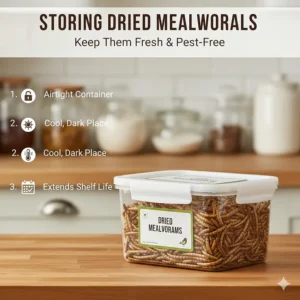
Proper storage extends shelf life from months to over a year. Store unopened bags in cool, dry locations away from direct sunlight. Once opened, transfer mealworms to airtight containers with tight-sealing lids.
Avoid refrigeration for dried mealworms—it’s unnecessary and can actually introduce moisture through condensation when containers return to room temperature. If you notice any musty odors or visible mold, discard the entire batch immediately.
Pro tip: Add a food-grade silica gel packet to your storage container for extra moisture protection, especially in humid climates.
Common Mistakes to Avoid When Feeding Dried Mealworms
Overfeeding
While birds love mealworms for birds, they shouldn’t comprise more than 20% of total diet. Balance protein with seeds, fruits, and vegetables for complete nutrition.
Ignoring Quality
Cheap bulk dried mealworms often contain high percentages of broken pieces, dust, and debris. These low-quality products frustrate birds and waste your money.
Poor Feeder Placement
Exposed feeders allow rain to rehydrate mealworms, creating moldy messes. Use covered platform feeders or specialized mealworm feeders with drainage.
Forgetting Water
High-protein bird food increases water requirements. Always provide fresh, clean water near mealworm feeding stations, especially during summer heat.
Best Dried Mealworms Brands: Price vs Value Analysis
| Price Range | Recommended For | Expected Quality |
|---|---|---|
| Budget ($5-10/lb) | Occasional treats | Moderate whole-worm percentage |
| Mid-Range ($8-15/lb) | Regular feeding | High whole-worm percentage |
| Premium ($12-20/lb) | Show poultry, premium wild birds | Exceptional quality, organic options |
Environmental Impact: Are Dried Mealworms Sustainable?
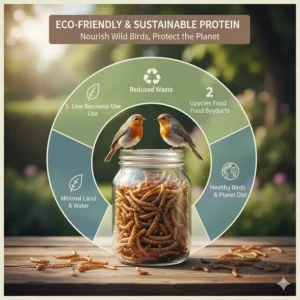
According to MIT research on sustainable nutrition, mealworm farming requires 2,000 fewer gallons of water and uses less than 20% of the land needed to produce equivalent protein from beef.
Mealworms convert food waste into high-quality protein with remarkable efficiency, making them one of the most sustainable protein sources available. Unlike traditional livestock, mealworm operations produce minimal greenhouse gases and require no antibiotics or hormones.
When you choose dried mealworms for birds, you’re supporting a more sustainable food system while providing superior nutrition to your feathered friends.
Species-Specific Feeding: Which Birds Prefer Mealworms?
Bluebirds ⭐⭐⭐⭐⭐
Absolutely obsessed! Bluebirds evolved as insect specialists and recognize mealworms as premium food immediately.
Robins ⭐⭐⭐⭐⭐
Natural insect-eaters, robins eagerly consume mealworms year-round, especially during nesting season.
Chickadees ⭐⭐⭐⭐½
Quick learners that readily adapt to dried mealworms and often cache extras for later consumption.
Woodpeckers ⭐⭐⭐⭐
Appreciate the protein boost, particularly downy and hairy woodpeckers visiting backyard feeders.
Cardinals ⭐⭐⭐½
Primarily seed-eaters but increasingly accept mealworms, especially when mixed with favorite seeds.
Wrens ⭐⭐⭐⭐⭐
Enthusiastic mealworm consumers that benefit greatly from the high protein bird food during breeding season.
Troubleshooting: What If Birds Won’t Eat Your Mealworms?
Problem: Birds Ignore Mealworms Completely
Solution: Mix mealworms with familiar seeds. Birds suspicious of new foods need time and familiar anchors. Start with 10% mealworms, gradually increasing over 2-3 weeks.
Problem: Only Undesirable Species Eat Them
Solution: Use specialized feeders that exclude larger birds and squirrels. Mealworm-specific feeders with appropriate entrance holes attract target species while deterring pests.
Problem: Mealworms Get Wet and Moldy
Solution: Switch to covered feeders with drainage holes. Offer smaller quantities you can replenish daily rather than leaving large amounts exposed to weather.
Problem: Too Expensive for Regular Use
Solution: Reserve mealworm treats for specific seasons when birds need them most—spring nesting and autumn migration. Stretch your budget by mixing with regular feed rather than offering pure mealworms.
DIY vs Store-Bought: Should You Raise Your Own?
Raising live mealworms at home sounds appealing, but the reality involves significant time commitment, odor management, and temperature control. For most hobbyists, purchasing high-protein bird food makes far more sense.
Home mealworm farming requires:
- Dedicated space at 75-80°F
- Weekly substrate changes
- Separation of life stages
- 3-4 months from egg to harvest
Unless you’re feeding hundreds of chickens or running a rehabilitation center, the convenience and consistent quality of commercial dried mealworms outweighs home production savings.
Health Benefits: How Mealworms Improve Bird Wellness
Stronger Eggs and Better Hatching Rates
The combination of protein and calcium in dried mealworms produces noticeably stronger eggshells. Chicken owners report reduced cracking and improved chick hatching success.
Enhanced Feather Quality
Protein comprises 85% of feather structure. Birds receiving adequate mealworm supplementation display glossier, more vibrant plumage with fewer broken feathers.
Improved Immune Function
Research indicates that the amino acid profile in mealworm treats for wild birds supports stronger immune responses, particularly important during stressful periods like molting or migration.
Faster Recovery from Illness
Wildlife rehabilitators consistently choose mealworms for injured or orphaned birds because the easily digestible protein accelerates healing and recovery.
Advanced Feeding Techniques for Serious Bird Enthusiasts
Timed Feeding Programs
Set consistent feeding schedules to train birds when mealworms appear. Regular timing creates reliable bird-watching opportunities and helps parent birds plan feeding runs.
Species-Specific Stations
Create dedicated feeding stations for different bird types. Platform feeders for robins and thrashers, hanging feeders for chickadees and wrens, and ground scatter for towhees.
Seasonal Rotation Strategy
Rotate between dried mealworms, suet, and seeds throughout the year to provide varied nutrition while managing costs. Heavy mealworm use during spring and autumn, transitioning to suet in winter and seeds in summer.
Supplementation Enrichment
Coat dried insect bird feed with calcium powder or vitamin supplements for birds with special needs. Particularly valuable for birds recovering from injury or young birds building strength.
FAQ: Everything You Need to Know About Dried Mealworms
❓ Can I feed dried mealworms to baby birds?
❓ How long do dried mealworms last in storage?
❓ Will dried mealworms attract unwanted pests?
❓ Are dried mealworms better than live ones?
❓ How many mealworms should I feed chickens daily?
Conclusion: Investing in Quality Dried Mealworms
After reviewing the top products, comparing nutritional profiles, and analyzing customer feedback, choosing the right dried mealworms for birds comes down to matching product characteristics with your specific needs.
For most wild bird enthusiasts, TradeKing 5 lb Dried Mealworms delivers unbeatable value with verified quality and convenient sizing. Chicken owners managing larger flocks should seriously consider LuckyQworms 20lbs for optimal per-pound pricing. Beginners testing the waters can’t go wrong with trusted Kaytee Wild Bird Food Mealworms in smaller starter sizes.
Remember, the best dried mealworms transform ordinary bird feeding into extraordinary wildlife encounters. You’re not just providing nutrition—you’re supporting healthy ecosystems, strengthening local bird populations, and creating unforgettable backyard moments.
Whether you’re attracting brilliant bluebirds, maintaining productive laying hens, or supporting wild birds through harsh winters, high-quality dried insect bird feed makes all the difference. Choose wisely, feed consistently, and watch as your yard becomes the neighborhood hotspot for thriving, vibrant birds.
Recommended for You
- How to Clean Bird Feeder: 7 Must-Have Tools (2026 Guide)
- 7 Best Winter Bird Feeding Sunflower Seeds for 2026
- 7 Best Squirrel Proof Bird Feeder for Sunflower Seeds 2026
Disclaimer: This article contains affiliate links. If you purchase products through these links, we may earn a small commission at no additional cost to you.
✨ Found this helpful? Share it with your friends! 💬🤗
