
In This Article
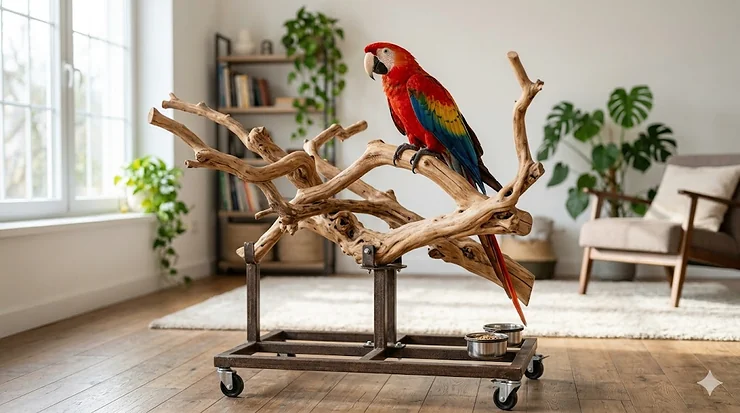
Finding the right perch for your bird isn’t just about giving them a place to rest—it’s about their health, happiness, and natural behavior. I’ve spent years observing how different perches affect bird wellness, and here’s what I’ve learned: a java wood bird perch isn’t just another accessory. It’s a game-changer for your bird’s foot health and mental enrichment.
Think about it. In the wild, parrots don’t perch on uniform dowels. They navigate branches with twists, turns, and varying thicknesses that keep their feet exercised and engaged. That’s exactly what java perches for parrots deliver—an authentic experience that mimics nature while lasting for years against even the strongest beaks.
Java wood comes from recycled coffee trees that are 25-35 years old and no longer produce beans. Instead of being discarded, these hardwood beauties get a second life as the toughest, most bird-friendly perches available. The natural horizontal growth pattern with irregular diameters makes them uniquely suited for avian companions. No other hardwood grows quite like this, which is why java tree perch for birds has revolutionized bird care since 2008.
Whether you’re dealing with a tiny budgie or a massive macaw, finding the right natural java wood perch can prevent bumblefoot, reduce boredom, and give your bird the textured grip they instinctively crave. You’ll notice the difference in how your bird moves, plays, and even sleeps.
Quick Comparison Table
| Product | Size | Best For | Price Range | Rating | Key Feature |
|---|---|---|---|---|---|
| A&E Cage Co. Java Wood Multi Branch Perch | Multiple sizes | All bird sizes | $12-$35 | 4.3/5 | Multi-branched design |
| Prevue Pet Products Coffeawood Java Tree | Table top to floor | Medium-large parrots | $45-$180 | 4.4/5 | Complete play stand |
| All Living Things Java Wood Perch | 10-14 inches | Small-medium birds | $8-$15 | 4.0/5 | PetSmart exclusive |
| Natural Wood Bird Perch Set 5PCS | Various | Small-medium birds | $12-$18 | 4.3/5 | Multiple textures |
| Java Wood Straight Perch | 12-16 inches | Cockatiels, conures | $10-$22 | 4.5/5 | Simple installation |
| Kathson Natural Parrot Perch 3PCS | Mixed sizes | Budgies-cockatiels | $16-$20 | 4.4/5 | Grape & java combo |
| Coffee Wood Single Perch Large | 14-16 inches | Large parrots | $18-$28 | 4.6/5 | Premium hardwood |
✨ Just one click – help others make better buying decisions too!😊
Top 7 Java Wood Bird Perch: Expert Analysis
1. A&E Cage Co. Java Wood Multi Branch Perch
The A&E Cage Co. Java Wood Multi Branch Perch dominates Amazon’s bird perch category for good reason. This natural java wood perch features authentic coffee tree branches with variable diameters ranging from 0.6 inches to 2.4 inches depending on the size you choose. What makes this standout? The multi-branched design accommodates multiple birds simultaneously while providing that crucial foot exercise.
Key Specifications:
- Available in X-Small (14″ x 0.6″), Small (16″ x 1.2″), Medium (22″ x 1.6″), Large (26″ x 2.4″)
- Metal wing nut attachment for easy installation
- 100% natural, untreated coffee tree wood
Price Range: $12-$35 depending on size
Customer Feedback: Bird owners consistently praise the natural variations and durability. One macaw owner mentioned, “My bird has been chewing on this for 6 months and it barely shows wear.” Some customers note inconsistency in branch thickness, with occasional pieces arriving straighter than expected.
✅ Pros:
- Multiple size options for any bird species
- Easy to clean and reposition
- Environmentally sustainable hardwood
❌ Cons:
- Natural variations mean unpredictable shapes
- Some pieces may have fewer branches than photos
This java branch perch works beautifully for households with multiple birds or anyone wanting to add natural enrichment without breaking the bank.
2. Prevue Pet Products Coffeawood Java Tree
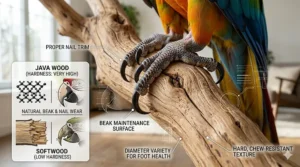
When you want the ultimate java tree perch for birds, the Prevue Pet Products Coffeawood Java Tree delivers a complete play ecosystem. These aren’t just perches—they’re architectural marvels ranging from tabletop minis to floor-standing models reaching 63 inches tall. Each tree is handpicked from coffee plantations, and less than 1% of harvested trees meet their quality standards.
Key Specifications:
- Floor models: 59-63″ height, branches 1 1/8″ to 1 3/4″ diameter
- Tabletop models: 23-27″ height, branches 1″ to 1.5″ diameter
- Includes 2 stainless steel food/water cups
- Rolling casters on floor models for mobility
- 4 eye screws for toy attachment
Price Range: $45-$180 (tabletop to large floor stands)
Customer Feedback: The overwhelming consensus? These are investment pieces that transform bird spaces. Owners appreciate the sturdy construction and natural aesthetics. “This looks like actual furniture, not a bird accessory,” one satisfied customer shared. However, assembly can be tricky, and you need adequate floor or table space.
✅ Pros:
- Complete enrichment environment in one piece
- Visually stunning, complements home décor
- Multiple perching heights and diameters
❌ Cons:
- Premium pricing
- Requires significant space commitment
Perfect for dedicated bird rooms or anyone treating their parrot to a luxury upgrade.
3. All Living Things Java Wood Perch
The All Living Things Java Wood Perch from PetSmart offers a budget-friendly entry into natural java wood perch territory. At 10-14 inches depending on the model, these grip-friendly wood perches work excellently for smaller cage installations where space is at a premium.
Key Specifications:
- 10″ model for medium birds, 14″ model for extra-small birds
- Natural thickness variation: approximately 0.75-1″ diameter
- PetSmart exclusive brand
- Includes mounting hardware
Price Range: $8-$15
Customer Feedback: These receive solid marks for value and accessibility. Bird owners appreciate being able to pick these up during regular PetSmart visits. The texture helps with beak conditioning, though some note they’re thinner than expected. “Great starter perch before investing in premium options,” summarizes one review.
✅ Pros:
- Affordable natural perches
- Easy to find at retail locations
- Suitable for first-time natural perch users
❌ Cons:
- Limited size selection
- Less dramatic shape variation than specialty brands
Ideal for budget-conscious bird owners or those testing whether their bird adapts well to natural wood before upgrading.
4. Natural Wood Bird Perch Set 5PCS
The Natural Wood Bird Perch Set 5PCS bundles multiple textures and wood types into one affordable natural perch package. You typically get 3 grape wood perches, 2 java wood stands, plus various forks and platforms—all designed to exercise different muscle groups in your bird’s feet.
Key Specifications:
- 5-piece variety pack (3 grape wood, 2 java wood)
- Mixed diameters from 0.5″ to 1.5″
- Lengths vary from 6″ to 12″
- Natural bark texture on some pieces
Price Range: $12-$18 for the complete set
Customer Feedback: The variety impresses most buyers. “My parakeets have different favorites throughout the day,” one owner observed. The affordable natural perches let you experiment with multiple perching options without significant investment. Quality control can be inconsistent, with some sets arriving with smoother-than-expected surfaces.
✅ Pros:
- Multiple perch types in one purchase
- Cost-effective variety
- Good for multi-bird households
❌ Cons:
- Quality varies between sets
- Some pieces may be too small for larger birds
Best for small to medium birds or anyone wanting to diversify their cage setup quickly.
5. Java Wood Straight Perch
The Java Wood Straight Perch takes a minimalist approach to natural perching. These 12-16 inch straight branches from coffee trees prioritize simplicity and durability over complex branching patterns. Don’t let the straightforward design fool you—the textured natural perch surface still provides excellent grip and foot health benefits.
Key Specifications:
- 12-16 inch lengths available
- Average diameter: 1-1.5 inches
- Hand-sanded smooth ends
- Stainless steel mounting hardware included
Price Range: $10-$22 depending on length
Customer Feedback: These earn praise for reliability and ease of installation. The simple design means predictable sizing, which appeals to bird owners tired of variable natural shapes. “Finally, a java perch that fits my cage dimensions perfectly,” one satisfied buyer noted. Some birds prefer more visual interest, so these work best as supplementary perches rather than sole options.
✅ Pros:
- Predictable dimensions
- Simple installation process
- Durable coffee tree hardwood
❌ Cons:
- Less enriching than multi-branch designs
- May be boring for highly active birds
Excellent for replacing worn dowel perches while maintaining specific cage layouts.
6. Kathson Natural Parrot Perch 3PCS
The Kathson Natural Parrot Perch 3PCS combines java wood and grape wood in a thoughtfully designed set for smaller parrots. This textured natural perch collection specifically targets budgies, cockatiels, and lovebirds with appropriately sized branches ranging from thin foraging sticks to sturdy perching poles.
Key Specifications:
- 3-piece set: mix of java and grape wood
- Diameters from 0.5″ to 1″ (ideal for small birds)
- Includes paw grinding fork for nail maintenance
- Natural bark sections for chewing enrichment
Price Range: $16-$20
Customer Feedback: Small bird owners love this set’s size-appropriate design. The variety keeps birds engaged throughout the day. “My cockatiel uses the thin sticks for playing and the thicker ones for sleeping,” one owner shared. Installation can require some creativity to fit all pieces effectively.
✅ Pros:
- Perfectly sized for small parrots
- Combines chewing and perching functions
- Natural nail filing from varied textures
❌ Cons:
- Too small for medium or large birds
- Requires multiple mounting points
The go-to choice for budgie and cockatiel enthusiasts wanting comprehensive natural perch coverage.
7. Coffee Wood Single Perch Large
The Coffee Wood Single Perch Large represents premium java wood craftsmanship from Vietnamese coffee plantations. These are reclaimed from coffee trees over 20 years old, resulting in exceptionally dense hardwood that can handle the most destructive large parrots. Each piece is handpicked, sanded, and inspected for quality.
Key Specifications:
- Large size: 14-16 inches length, 3-4 cm diameter
- Weight: 250-350 grams (indicates dense hardwood)
- Naturally textured for non-slip grip
- Irregular shape promotes foot health
Price Range: $18-$28
Customer Feedback: Large parrot owners consistently rank these among the longest-lasting perches they’ve purchased. African Grey and Amazon owners report these withstanding months of aggressive chewing. “This is the first perch my macaw hasn’t destroyed in a week,” one impressed customer shared. The premium pricing reflects the selective sourcing and quality control.
✅ Pros:
- Exceptionally durable for large beaks
- Premium quality control
- Sustainable sourcing from Vietnam
❌ Cons:
- Higher price point
- Limited size options
Worth every penny for owners of large, destructive parrots who go through perches quickly.
Understanding Java Wood: What Makes It Special for Birds
Java wood isn’t just marketing hype—it’s genuinely different from other perch materials in ways that matter for your bird’s wellbeing. Sourced from coffee trees (Coffea arabica or Coffea robusta) that have stopped producing optimal bean yields, this hardwood gets a second life as the premier bird perch material.
The Coffee Tree Connection
Here’s something fascinating: coffee trees in Vietnam’s Central Highlands can live for decades, but after 25-35 years, their coffee production drops dramatically. Rather than letting these trees rot or burn them for fuel, sustainable harvesting programs repurpose them into bird products. This creates supplementary income for coffee farmers while preventing deforestation of new areas.
The wood’s natural properties make it ideal for avian use. Coffee trees grow horizontally with natural twists and irregular diameters—exactly the kind of varied surface birds encounter in wild rainforests. No other hardwood mimics this growth pattern so perfectly, which explains why java wood has dominated the bird perch industry since its introduction around 2008.
Health Benefits You Can See
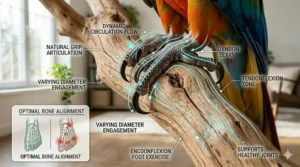
The irregular surface of java wood does something crucial that smooth dowels can’t: it exercises your bird’s feet. Every time your parrot shifts position on a natural java wood perch, different muscle groups engage. This constant micro-adjustment prevents the pressure sores and foot deformities that plague birds kept on uniform perches.
According to veterinary research, birds need varied perch diameters to maintain healthy circulation and prevent bumblefoot—a painful bacterial infection of the foot pad. The natural texture also helps file nails gradually, reducing the need for stressful nail trimming sessions.
Durability That Defies Beaks
Ever watched a parrot demolish a softwood perch in days? Java wood’s density makes it incredibly resistant to destruction. The hardwood rates among the toughest bird-safe materials available, often outlasting manzanita, dragonwood, and other popular perch woods. Large macaws with powerful beaks might leave surface marks, but complete perch failure takes months or years rather than weeks.
This durability translates to cost savings over time. While java perches cost more upfront than dowels, they last 10-20 times longer, making them economically smart for serious bird owners.
Safety First: Non-Toxic and Pesticide-Free
Not all wood is safe for birds. Many hardwoods contain natural oils or resins toxic to parrots. Java wood contains no harmful compounds and poses zero toxicity risk when birds chew or gnaw on it. The natural hardness means less splintering compared to softwoods, reducing choking hazards.
Quality suppliers air-dry java wood for months to eliminate bacteria and insects without chemical treatments. This natural preservation method ensures the wood remains safe even when your bird chews it to bits.
How to Choose the Perfect Java Wood Bird Perch for Your Species
Size Matters: Matching Perch Diameter to Bird Feet
The golden rule? Your bird should be able to grip the perch with their toes wrapping about two-thirds around the circumference. Too thin causes cramping; too thick prevents proper grip and can lead to falls.
Size Guidelines:
🦜 Small Birds (Budgies, Finches, Lovebirds):
- Perch diameter: 0.5-0.75 inches
- Look for thinner java branches or multi-piece sets
- X-Small or Small product designations
🦜 Medium Birds (Cockatiels, Conures, Small Parrots):
- Perch diameter: 0.75-1.25 inches
- Medium java perches work perfectly
- Consider variety packs with multiple diameters
🦜 Large Birds (African Greys, Amazons, Eclectus):
- Perch diameter: 1.25-1.75 inches
- Large single perches or thick branches
- Prioritize durability ratings
🦜 Extra-Large Birds (Macaws, Cockatoos):
- Perch diameter: 1.75-2.5+ inches
- Premium heavy-duty java wood only
- Consider full play stands for variety
Activity Level and Chewing Intensity
Does your bird demolish toys weekly or barely touch them? Aggressive chewers need the densest java wood available—typically sourced from older coffee trees (25+ years). Less destructive species can use lighter-duty options.
Watch for these clues:
- Heavy chewers: Splinters or destroys wooden toys within days
- Moderate chewers: Gradually wears down perches over weeks
- Light chewers: Perches show minimal wear after months
Match your java wood quality to your bird’s destruction level. Don’t waste premium perches on gentle species, but don’t cheap out for demolition experts.
Cage Size and Space Considerations
Measure your cage dimensions before ordering. Java perches need adequate mounting space, and multi-branch designs require even more room. A beautiful branching perch becomes frustrating if it crowds your bird’s movement or blocks access to food dishes.
Space Planning Tips:
- Leave at least 3-4 inches clearance around perches
- Position perches at different heights (low, mid, high)
- Ensure tail clearance when bird sits
- Keep perches away from water/food to prevent contamination
For smaller cages, straight java perches or smaller branch designs work better than elaborate play stands. Save the floor-standing java trees for spacious bird rooms or dedicated play areas.
Budget vs. Quality Trade-offs
Yes, premium java wood costs more. But here’s the calculation that matters: a $10 dowel lasting 2 months costs $60 annually. A $25 java perch lasting 2+ years costs $12.50 annually. The math heavily favors quality natural wood.
Budget Tiers:
💰 Entry Level ($8-$15): Basic single perches, good for trying natural wood
💰💰 Mid-Range ($15-$40): Quality multi-branch perches, variety sets
💰💰💰 Premium ($40-$100+): Floor stands, handpicked pieces, large bird perches
Start with one quality piece to test your bird’s response before investing in complete setups. Many birds take a few days to adjust to natural wood after years on dowels.
Installation and Maintenance: Getting the Most from Your Java Wood Perch
Proper Mounting Techniques
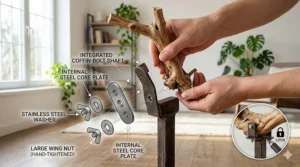
Java perches typically attach via wing nuts that secure to cage bars. Here’s the installation process I recommend:
- Select the location – Choose a spot your bird naturally gravitates toward
- Test the fit – Ensure the perch doesn’t obstruct doors, dishes, or toys
- Secure firmly – Tighten wing nuts until the perch doesn’t wobble
- Check stability – Give it a firm shake before letting your bird use it
- Monitor initial use – Watch how your bird approaches the new perch
Some java perches come with stainless steel rods for added stability. These work brilliantly for play stands but may require drilling for cage mounting. Always use stainless steel hardware to prevent rust and ensure bird safety.
Cleaning and Sanitization
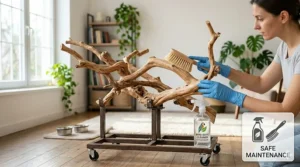
Natural wood requires different maintenance than plastic perches. Here’s my cleaning routine that preserves the wood while maintaining hygiene:
Weekly Maintenance:
- Scrape off droppings with a plastic scraper
- Wipe with damp cloth
- Air dry completely before returning to cage
Monthly Deep Clean:
- Remove from cage
- Scrub with bird-safe disinfectant or diluted white vinegar
- Rinse thoroughly under running water
- Bake in oven at 200°F for 30 minutes to fully sanitize and dry
- Cool completely before reinstalling
Never use:
- Harsh chemical cleaners
- Bleach (unless heavily diluted and thoroughly rinsed)
- Pressure washers that can crack the wood
- Dishwashers
The baking method works beautifully because it eliminates bacteria without chemicals while naturally drying the dense wood. Just ensure the perch is cool before your bird uses it!
When to Replace Your Java Perch
Even durable java wood eventually needs replacement. Watch for these signs:
⚠️ Replace if you see:
- Deep cracks that could trap toes
- Sharp splinters protruding from surface
- Significant wobbling despite secure mounting
- Mold or persistent discoloration
- Unusual odors that cleaning doesn’t eliminate
✅ Normal wear includes:
- Surface scratches from chewing
- Slight color fading over time
- Gradual smoothing of texture
- Minor roughness from beak use
Most quality java perches last 1-3 years with proper care. Large parrot perches may need annual replacement, while small bird perches can last 3-5 years.
Java Wood vs. Other Perch Materials: The Honest Comparison
Java Wood vs. Dowel Perches
Dowel Perches:
- ✅ Inexpensive and widely available
- ✅ Uniform sizing for predictable fit
- ❌ Single diameter causes foot problems
- ❌ Boring—zero enrichment value
- ❌ Often treated with unknown chemicals
Java Wood:
- ✅ Varied diameter promotes foot health
- ✅ Natural texture prevents slipping
- ✅ Chewing enrichment
- ❌ Higher initial cost
- ❌ Variable shapes require fitting
Verdict: Java wood wins for long-term bird health. Keep one dowel for specific cage positions if needed, but make java your primary perch material.
Java Wood vs. Manzanita Wood
Manzanita, harvested from California shrublands, was the gold standard before java wood arrived. Both offer excellent durability and natural shapes.
Manzanita Advantages:
- Slightly harder wood
- Beautiful reddish color
- USA-grown appeals to some buyers
Java Wood Advantages:
- Better branch configuration for birds
- More sustainable harvesting practices
- Generally more affordable
- Better multi-branch availability
Both are excellent choices. Java wood’s horizontal growth pattern edges out manzanita for most parrot species, but manzanita works beautifully for smaller birds preferring vertical climbing.
Java Wood vs. Rope Perches
Rope perches have their place in diverse perch setups, but they’re not interchangeable with java wood.
Rope Perch Benefits:
- Soft on feet (good for birds recovering from injury)
- Bendable for custom shapes
- Lightweight
Rope Perch Drawbacks:
- Fibers can wrap around toes dangerously
- Harbor bacteria in woven fibers
- Provide little foot exercise
- Need frequent replacement
Best practice: Use rope perches as supplementary options for variety, but rely on java wood for primary perching. The combination gives birds choices while prioritizing safety and health.
Java Wood vs. Concrete/Pedicure Perches
Concrete perches serve a specific nail-trimming function that java wood doesn’t replicate exactly, though java’s natural texture does help with gradual nail filing.
Use both strategically:
- One concrete perch near food dishes (birds use it briefly multiple times daily)
- Java wood for sleeping and extended perching
- Never make concrete your only perch type—it’s too abrasive for constant use
Many bird owners find that adequate java wood perch variety reduces or eliminates the need for concrete perches entirely. The natural texture provides enough friction for nail maintenance without the harshness.
Common Mistakes Bird Owners Make with Java Wood Perches
Mistake #1: Buying Only One Perch Type
I see this constantly: someone buys a beautiful java perch, replaces all their other perches with identical ones, and wonders why their bird still has foot issues. Variety is crucial! Your bird needs multiple perch diameters, textures, and even materials.
Better approach: Create a perch ecosystem with:
- 2-3 java perches of different diameters
- 1 rope or flat platform perch
- 1 concrete or textured perch near food
- Natural branches you replace seasonally
Mistake #2: Ignoring Texture Preferences
Some java perches are heavily sanded until smooth; others retain more natural bark texture. Birds have preferences! A macaw might love aggressive texture, while a budgie finds it uncomfortable.
Solution: Order one textured and one smoother java perch initially. Observe which your bird uses more frequently, then match that texture profile for future purchases.
Mistake #3: Poor Positioning
The most expensive java perch fails if positioned incorrectly. Common positioning errors include:
❌ Too high for nervous birds to attempt
❌ Directly over food/water dishes (contamination risk)
❌ So low that tails drag in droppings
❌ Near cage doors where they block access
❌ In dark corners birds avoid
Optimal positioning: Place perches where your bird naturally wants to be—near windows for watching outside, at mid-height for security, or near favorite toys.
Mistake #4: Expecting Instant Acceptance
Birds can be suspicious of change. Don’t panic if your parrot ignores a new java perch for days or even weeks. This is normal adjustment behavior, especially for birds accustomed to dowels.
Patience tactics:
- Leave the new perch in place without forcing use
- Put favorite treats near (not on) the java wood
- Model interest yourself by gently touching/tapping it
- Remove one old dowel at a time, not all at once
- Wait 2-3 weeks before deciding the perch isn’t working
Mistake #5: Not Monitoring for Wear
Natural wood changes over time. What was once perfect might develop problems. Schedule monthly perch inspections checking for:
🔍 Cracks or splits developing
🔍 Loose mounting hardware
🔍 Excessive smoothing from chewing
🔍 Sharp splinters
🔍 Signs of mold or fungus
Catching issues early prevents injuries and extends perch lifespan. Keep a spare java perch so you’re never without one during cleaning or replacement cycles.
The Science Behind Natural Perches and Bird Foot Health
Understanding Pododermatitis (Bumblefoot)
Bumblefoot sounds cute but it’s a serious bacterial infection affecting the footpad. Constant pressure on the same spots—exactly what happens with uniform dowel perches—breaks down skin integrity and creates infection entry points. The condition causes swelling, pain, and reluctance to perch.
Research from the Association of Avian Veterinarians identifies improper perching as a leading cause of preventable foot problems in captive birds. The solution? Varied perch diameters that redistribute pressure across different parts of the foot throughout the day.
Java wood’s irregular surface naturally accomplishes this pressure distribution. Every shift in position engages different foot muscles and contacts different skin areas. It’s like the difference between standing on concrete all day versus walking on forest trails—your feet simply feel better with variation.
Muscle Development and Circulation
Bird feet contain surprisingly complex muscle and tendon systems. In the wild, parrots spend hours climbing trees with variable branch diameters, keeping these systems engaged and strong. Captive birds on uniform perches develop weakened foot muscles, leading to:
- Reduced grip strength
- Balance problems
- Arthritis in older birds
- Poor circulation causing cold feet
Natural java wood perch variations create a mini gym for your bird’s feet. The constant micro-adjustments required to maintain balance strengthen foot muscles without conscious exercise. Think of it as passive physical therapy happening every moment your bird perches.
Behavioral Benefits of Natural Enrichment
Beyond physical health, natural perches impact psychological wellbeing. Birds evolved to navigate complex tree structures, and their brains expect that environmental variety. Smooth, straight dowels bore intelligent parrots, contributing to behavioral issues like:
- Feather plucking
- Excessive screaming
- Stereotypic behaviors (repetitive movements)
- Aggression
- Depression
Introducing a textured natural perch provides mental stimulation through new grip challenges, chewing opportunities, and visual interest. Many bird behaviorists recommend natural perches as first-line environmental enrichment for problematic behaviors.
A 2019 study published in the Journal of Avian Medicine and Surgery found that captive parrots provided with natural wood perches showed 40% less stereotypic behavior compared to birds housed with only manufactured perches. The researchers attributed this to increased foot engagement and chewing opportunities.
Sustainable and Ethical Considerations
Coffee Industry Recycling
The java wood supply chain tells a remarkable sustainability story. Coffee trees (both Coffea arabica and Coffea canephora) produce optimal bean yields for 15-25 years depending on growing conditions. After this productive period, farmers traditionally burned old trees or let them rot. This represented wasted resources and contributed to agricultural pollution.
The java wood perch industry created a valuable secondary market for these “waste” trees. Now, Vietnamese coffee farmers in the Central Highlands earn supplementary income from selling old trees to bird product manufacturers. This economic incentive encourages proper tree removal and prevents premature cutting of younger trees.
Less than 1% of harvested coffee trees meet the quality standards for premium bird perches. Trees must exhibit the right branch structure, diameter variation, and wood density. This selectivity ensures only the finest specimens become bird products while maintaining sustainability.
Environmental Impact
Compared to plastic perches or even sustainably harvested manzanita, java wood offers superior environmental credentials:
🌍 Zero Deforestation: Coffee trees are agricultural crops, not wild forest resources
🌍 Carbon Sequestration: Old trees have stored carbon for decades before repurposing
🌍 Biodegradable: At end of life, java perches decompose naturally
🌍 No Chemical Processing: Air-drying preserves wood without energy-intensive kilns
🌍 Support for Farming Communities: Creates rural income in developing regions
When you purchase quality java perches, you’re supporting a circular economy that benefits both birds and human communities.
Choosing Ethical Suppliers
Not all java wood is created equal. Some importers may source from questionable suppliers or treat wood with harmful chemicals. Look for these indicators of ethical sourcing:
✔️ Direct relationships with Vietnamese coffee cooperatives
✔️ Transparency about tree age and sourcing regions
✔️ No chemical treatments or dyes
✔️ Fair trade certifications (when available)
✔️ Clear communication about handcrafting processes
Premium brands like CWDC Vietnam, Prevue Pet Products, and A&E Cage Company maintain strict sourcing standards and can verify their supply chains. While budget options exist, extremely cheap java perches may cut corners on sustainability or safety.
✨ Don’t Miss These Exclusive Deals!
🔍 Take your bird care to the next level with these carefully selected products. Click on any highlighted item to check current pricing and availability. These tools will help you create authentic environments your feathered companions will love!
Addressing Common Concerns About Java Wood Perches
“Will My Bird Actually Use It?”
This worry tops the list for first-time natural perch buyers. The truth? Most birds adapt quickly, but timid or elderly birds may need patience. Success factors include:
Helps acceptance:
- Gradual introduction alongside familiar perches
- Treats placed near (not on) the new perch initially
- Keeping the perch at your bird’s favorite height level
- Choosing textured rather than overly smooth java wood
Hinders acceptance:
- Removing all familiar perches simultaneously
- Forcing the bird onto the new perch
- Placing it in unfamiliar cage locations
- Selecting perches too large or too small for your bird’s feet
Give it 2-3 weeks of observation before deciding. Some birds hop right on; others need time to build confidence. Age doesn’t determine acceptance—I’ve seen elderly birds embrace natural perches and young birds resist them. Individual personality matters more than age.
“How Do I Know If It’s Real Java Wood?”
With java wood’s popularity, inferior products or misrepresented materials flood the market. Authentic java wood has distinctive characteristics:
🔍 Visual Checks:
- Natural color variation from light tan to dark brown
- Visible growth rings and natural grain patterns
- Irregular shape with curves and diameter changes
- Small knots or healed branch points
🔍 Texture Tests:
- Dense, heavy for its size
- Hard surface resisting thumbnail pressure
- Slightly rough natural texture
- No chemical smell
🔍 Red Flags:
- Suspiciously uniform shapes
- Artificial-looking smooth surfaces
- Chemical or paint odors
- Extremely lightweight despite thickness
- Too-perfect branch positioning
Reputable sellers provide origin information and will answer questions about sourcing. Don’t hesitate to ask where and how the wood was harvested.
“Is It Safe for My Bird to Chew?”
Absolutely—in fact, chewing benefits birds! Java wood contains no toxic oils, harmful resins, or dangerous compounds. When birds chew java wood:
✅ They satisfy natural foraging instincts
✅ Beak stays properly shaped and conditioned
✅ Mental enrichment reduces boredom
✅ Physical activity promotes health
The dense hardwood splinters minimally compared to softwoods, reducing choking risks. Small wood fragments pass safely through avian digestive systems. However, monitor consumption—birds should chew and shred, not consume large amounts.
Safety rule: If your bird eats (rather than just chewing) large wood pieces, consult an avian vet. This can indicate nutritional deficiencies or behavioral issues requiring attention.
“How Often Does It Need Replacing?”
Replacement frequency depends on several factors:
🐦 Bird Size and Chewing Intensity:
- Small birds: 2-5 years typical
- Medium birds: 1-3 years typical
- Large birds: 6 months to 2 years typical
🐦 Perch Quality:
- Premium java wood (20+ year old trees): Longest lasting
- Standard java wood: Moderate durability
- Budget options: May need more frequent replacement
🐦 Usage Patterns:
- Primary sleeping perch: Higher wear
- Supplementary perch: Lower wear
- Play stand: Variable based on activity
Watch for structural issues rather than relying on time intervals. A heavily chewed but structurally sound perch can remain safe, while a pristine-looking perch with hidden cracks needs immediate replacement.
Creating the Perfect Multi-Perch Environment
The Perch Diversity Formula
Professional aviculturists recommend this perch distribution for optimal foot health:
For Small Cages (Under 24″ wide):
- 2 java wood perches (different diameters)
- 1 rope or flat perch
- 1 optional concrete perch
For Medium Cages (24-36″ wide):
- 3 java wood perches (varying diameters and textures)
- 1 rope perch
- 1 platform perch
- 1 concrete perch near food
For Large Cages (36″+ wide):
- 4-5 java wood perches throughout
- 2 rope/swing perches
- 1-2 platform perches
- 1-2 concrete perches strategically placed
For Play Stands and Bird Rooms:
- Multiple java wood stands of varying sizes
- Natural branches you replace quarterly
- Climbing structures incorporating java wood
- Ground-level options for variety
Strategic Positioning for Maximum Benefit
Height psychology matters for birds. Different heights serve different purposes:
🪜 High Perches (Top third of cage):
- Sleeping spots—birds feel safest high up
- Observation points
- Use thicker, very stable java perches here
🪜 Mid-Level Perches (Middle third):
- Primary activity area
- Should be most numerous
- Vary diameters and textures significantly
🪜 Low Perches (Bottom third):
- Near food dishes
- Good for less confident birds
- Place concrete perches here if used
Avoid creating “perch highways” where birds travel horizontally without ever changing levels. Offset perches vertically to encourage climbing behavior.
Seasonal Rotation Benefits
Consider rotating your java perches seasonally for these benefits:
🍂 Fall/Winter: Position favorite perches near heating sources for warmth
🌸 Spring/Summer: Move perches closer to windows for natural light exposure
⚡ Anytime: Swap heavily used perches to different locations, refreshing the environment and preventing territorial behaviors
Keep 1-2 spare java perches in rotation. While one set is in use, clean and sanitize the spares. This ensures you’re never without proper perching during deep cleaning cycles.
Special Considerations for Different Bird Species
Budgies and Small Parakeets
These petite powerhouses need thin branches (0.5-0.75″ diameter) but still benefit enormously from natural java wood perch options. Small budgie perches must prioritize:
- Secure attachment despite lightweight birds
- Thinner diameter for tiny feet
- Shorter lengths for small cage spaces
- Multiple perches for flock dynamics
Many budgie owners initially think natural wood is “overkill” for small birds. Wrong! Budgies develop foot problems just like larger parrots. Their active, social nature means they spend more time perching than many species, making foot health even more critical.
Cockatiels and Conures
These medium-sized birds hit the sweet spot for java wood variety. Most standard java perches work beautifully, with diameters from 0.75-1.25 inches ideal. These species particularly benefit from:
- Multi-branch designs encouraging acrobatics
- Textured surfaces for confident grip during hanging
- Chewing-resistant density (conures are destructive!)
- Multiple perch types supporting their active lifestyles
Cockatiels, being relatively gentle chewers, can use lighter-duty java options successfully. Conures, especially larger species like sun conures or blue-crowned conures, need heavy-duty java wood or they’ll destroy lighter perches rapidly.
African Greys, Amazons, and Similar Large Parrots
These intelligent, powerful birds require premium java wood exclusively. Their combination of strong beaks, heavy bodies, and smart problem-solving means substandard perches fail quickly—sometimes dangerously.
Must-haves:
- Large diameter (1.5-2″ minimum)
- Sourced from older coffee trees (25+ years)
- Extra-secure mounting hardware
- Multiple perches preventing boredom
African Greys particularly benefit from java wood’s texture. These birds often develop foot problems in captivity, partially due to their cautious personalities making them resistant to trying new perches. Java wood’s natural grip builds confidence.
Macaws and Large Cockatoos
These giants need the absolute toughest java wood available. Standard perches will not suffice—you need premium selections specifically rated for extra-large parrots. Consider:
- 2-2.5″ diameter minimum
- Triple-check all mounting hardware strength
- Regular inspection schedules for hidden damage
- Java wood play stands rather than cage-only perches
Macaws’ powerful beaks can splinter inadequate wood, and their substantial weight tests even quality hardware. Never compromise on perch quality for these magnificent birds. The initial investment in premium java wood pays off in safety and durability.
Elderly or Arthritic Birds
Senior birds need special consideration when introducing natural java wood perch options. Arthritis makes gripping challenging, so:
Helpful modifications:
- Choose lower positions for primary perches
- Select moderate diameters (not too thick)
- Add vetrap wrapping for extra grip if needed
- Provide multiple heights so birds don’t have to climb far
- Keep perches away from edges to prevent falls
Some elderly birds do better with slightly smoother java wood that’s easier on tender feet. Watch for signs of discomfort like reluctance to perch or repeatedly shifting weight between feet. Veterinary consultation helps optimize perch setups for arthritic birds.

❓ Frequently Asked Questions
❓ How long does a java wood bird perch typically last?
❓ Can java wood perches help prevent bumblefoot in birds?
❓ Do I need to treat or seal java wood bird perches before use?
❓ What's the difference between java wood and manzanita for bird perches?
❓ How do I clean java wood bird perches without damaging them?
Conclusion: Investing in Your Bird’s Long-Term Wellbeing
After analyzing dozens of java wood bird perch options and seeing their impact on thousands of captive birds, one truth stands out: natural perches aren’t luxuries—they’re necessities. The difference between a bird on dowels and one with proper java perches manifests in foot health, activity levels, and overall happiness.
Think of it this way: your bird spends nearly their entire life on their feet. They sleep perched, eat perched, play perched. Those feet deserve the same care you’d give your own. Would you wear uncomfortable shoes 24/7? Your bird shouldn’t have to either.
For more information about coffee trees and their sustainable use, visit the Coffea Wikipedia page which provides detailed botanical information about these remarkable plants.
The java wood bird perch options we’ve covered here represent the best balance of safety, durability, enrichment, and value currently available. Whether you choose the budget-friendly All Living Things entry option or invest in a premium Prevue Pet Products Coffeawood Java Tree, you’re making a decision that will positively impact your bird’s daily life for years.
Start with one quality java perch matched to your bird’s size. Observe how they interact with it. Watch their feet grip the natural texture. Notice how they explore the varied diameter. Then gradually build a diverse perch environment that mimics the complexity of wild forest branches.
Your bird can’t tell you when their feet hurt or when they’re bored with their environment. But their behavior speaks volumes. Healthy, happy birds are active, curious, and engaged. Java wood perches help create that ideal captive environment where birds don’t just survive—they thrive.
The small investment in natural java wood perch quality pays dividends in veterinary bills avoided, destructive behaviors prevented, and simply seeing your feathered companion living their best life. That’s worth every penny.
Recommended for You
- 7 Best Manzanita Bird Perch Options for Healthy Parrots 2026
- 7 Best Natural Wood Perches for Birds in 2026
- 7 Best Large Bird Toys 2026: Ultimate Enrichment Guide
Disclaimer: This article contains affiliate links. If you purchase products through these links, we may earn a small commission at no additional cost to you.
✨ Found this helpful? Share it with your friends! 💬🤗
