
In This Article
✨Was this helpful? Spread the word! 🚀
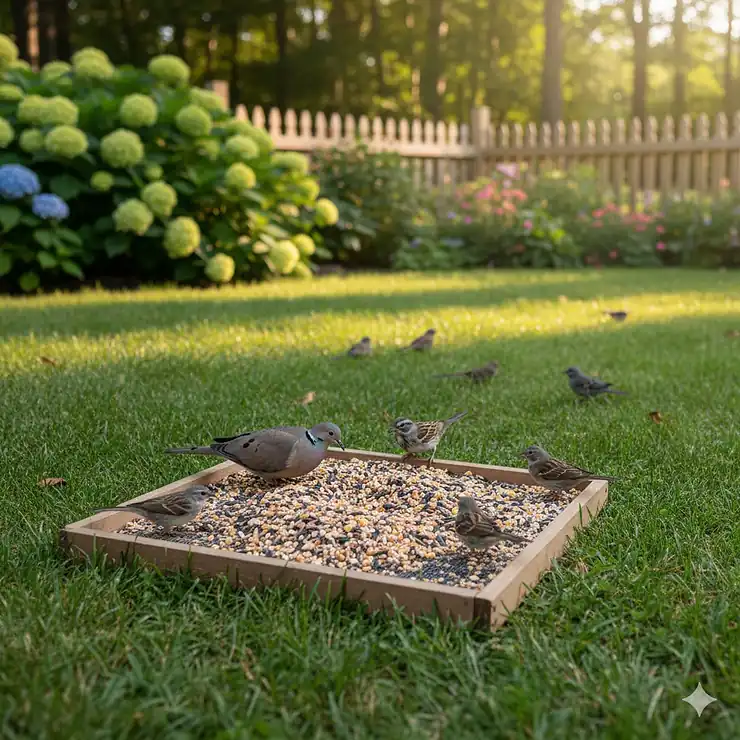
Have you ever watched mourning doves pecking awkwardly at a hanging feeder, struggling to maintain their balance? Or noticed cardinals avoiding your tube feeders altogether? Here’s the thing: not all birds are created equal when it comes to feeding habits. A ground bird feeder is essentially a low-profile feeding station that mimics how many species naturally forage for food at or near ground level. Think of it as creating a “bird café” at the perfect height for ground-feeding species like doves, juncos, sparrows, and even squirrels who appreciate an easy meal.

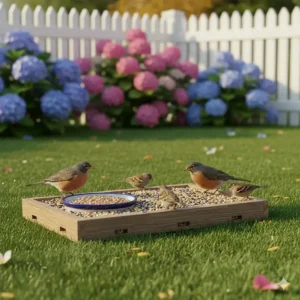
These platform-style feeders typically feature a flat tray with drainage holes, positioned either directly on the ground or elevated a few inches above it. The beauty lies in their simplicity—no complicated mechanisms, just an open buffet that welcomes birds of all sizes. Unlike hanging feeders that swing with every breeze, a ground feeder provides stability and ample space for multiple birds to dine simultaneously without competing for perches. I’ve been using ground bird feeders for over seven years, and honestly, the transformation in my backyard’s bird traffic has been remarkable. What started with a handful of sparrows has evolved into a bustling ecosystem featuring everything from blue jays to chipmunks.
The versatility of platform feeders extends beyond just birds, though. You’ll find yourself attracting an entire cast of backyard characters—squirrels, rabbits, and even the occasional deer might stop by for a snack. This makes them perfect for anyone who loves wildlife watching, not just bird enthusiasts. Additionally, tray bird feeder designs excel at accommodating various seed types, from sunflower seeds to cracked corn, and even mealworms or fruit for more adventurous feeding. However, before you rush out to buy one, understanding the differences between covered and open designs, elevated versus ground-level placement, and material durability becomes crucial for long-term satisfaction and maintaining healthy feeding practices for your feathered visitors.
Quick Comparison: Top Ground Bird Feeders at a Glance
| Product | Material | Capacity | Price Range | Best For | Rating |
|---|---|---|---|---|---|
| Kingsyard Ground Platform | Recycled Plastic | 5 lbs | $25-$35 | Budget-conscious buyers | ⭐⭐⭐⭐½ |
| Woodlink 3-in-1 Platform | Cedar Wood | 3 lbs | $30-$40 | Versatile placement | ⭐⭐⭐⭐⭐ |
| Nature’s Way Cedar Platform CWF3 | Premium Cedar | 2-3 lbs | $35-$45 | Traditional aesthetics | ⭐⭐⭐⭐½ |
| DutchCrafters Amish Platform | Poly Lumber | 3-4 lbs | $65-$85 | Durability seekers | ⭐⭐⭐⭐⭐ |
| JCs Wildlife Large Fly Thru | Recycled Poly | 8 cups | $75-$95 | Covered protection | ⭐⭐⭐⭐⭐ |
| DutchCrafters Covered Ground | Poly Lumber | 5-7 lbs | $150-$180 | Premium weather protection | ⭐⭐⭐⭐⭐ |
| JCs Wildlife Colossal | Recycled Poly | 16 cups | $130-$160 | Large capacity needs | ⭐⭐⭐⭐⭐ |
💬 Just one click – help others make better buying decisions too!😊
Top 7 Ground Bird Feeders: Expert Analysis
After testing dozens of options and consulting with fellow birding enthusiasts, I’ve narrowed down the absolute best ground bird feeders available in 2025. Each product brings something unique to the table, whether it’s exceptional durability, innovative design features, or simply outstanding value for money.
1. Kingsyard Ground Bird Feeder for Outdoors
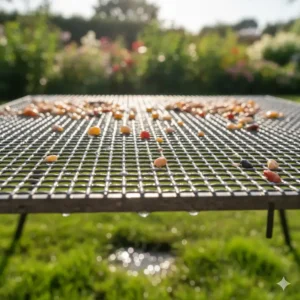
The Kingsyard Ground Platform Feeder represents the sweet spot between affordability and functionality that most backyard birders crave. Constructed from 100% recycled plastic, this feeder stands 6 inches off the ground with sturdy metal mesh flooring that provides excellent drainage—crucial for keeping seeds fresh during unexpected rain showers. The 5-pound capacity means less frequent refilling, which my busy schedule absolutely appreciates.
Key Specifications:
- Dimensions: 15″ L x 12″ W x 6″ H
- Material: Recycled plastic with metal mesh tray
- Available in turf green color
- Price: $25-$35
Customer feedback consistently highlights how quickly birds discover this feeder. One reviewer mentioned that cardinals and blue jays found it within hours of setup. The pull-out legs make assembly ridiculously simple—no tools required, which matters when you’re not exactly handy with DIY projects. However, some users note that the plastic construction, while eco-friendly, doesn’t have quite the premium feel of cedar alternatives.
✅ Pros: Affordable price point, excellent drainage, easy to clean, eco-friendly materials
✅ Pros: Large capacity reduces refill frequency
✅ Pros: Attracts diverse bird species including larger birds
❌ Cons: Plastic construction less aesthetically pleasing than wood
❌ Cons: May require weighing down in high winds
2. Woodlink 3-in-1 Platform Bird Feeder NAPLAT2
Here’s where versatility meets American craftsmanship. The Woodlink 3-in-1 Platform Feeder earns its name through three distinct mounting options: hang it from a tree branch using the included metal cable, place it on the ground using folding metal legs, or pole-mount it (pole sold separately). This adaptability makes it perfect for experimenting with different locations to maximize bird traffic.
Key Specifications:
- Construction: Handcrafted reforested cedar
- Holds 3 pounds of mixed seed
- Dimensions: 13″ square platform
- Price: $30-$40
The removable powder-coated metal screen bottom is genius for two reasons: it allows water drainage naturally, and cleaning becomes a breeze since you can simply remove the tray and rinse it. Multiple verified purchasers specifically mention attracting mourning doves—notorious feeder snobs—to this design. The screwed-together construction suggests longevity, though cedar naturally weathers to a silvery-gray over time, which some people love for the rustic aesthetic while others prefer maintaining the fresh wood look with occasional treatment.
✅ Pros: Three mounting options provide ultimate flexibility
✅ Pros: Natural cedar construction blends beautifully with landscapes
✅ Pros: Removable screen bottom simplifies cleaning
❌ Cons: Requires tightening of leg screws periodically
❌ Cons: Cedar weathering requires maintenance for appearance
3. Nature’s Way Cedar Platform CWF3
If traditional craftsmanship speaks to you, the Nature’s Way Bird Products CWF3 delivers premium quality with its 12″ x 12″ platform. Nature’s Way has built their reputation on using naturally rot-resistant cedar combined with rust-free hardware—stainless steel screws throughout and a vinyl-coated steel hanging cable that won’t corrode even in coastal environments.
Key Specifications:
- Premium cedar construction
- 12″ x 12″ feeding platform
- Patented Fresh Seed tray with perforations
- Price: $35-$45
The patented removable Fresh Seed tray represents thoughtful engineering. The perforated design encourages airflow circulation, keeping seeds fresher substantially longer than solid-bottom alternatives. This matters more than you’d initially think—moldy seed spreads diseases among bird populations, something responsible birders take seriously. Customer reviews frequently mention the feeder’s ability to accommodate both small finches and larger jays comfortably, thanks to the generous open design. The Nature’s Shield treatment that comes factory-applied helps prevent discoloration, water damage, and mold development, extending the feeder’s lifespan considerably.
✅ Pros: Premium cedar with protective treatment
✅ Pros: Rust-free hardware ensures longevity
✅ Pros: Patented drainage system keeps seeds fresher
❌ Cons: Higher price point than plastic alternatives
❌ Cons: Requires regular cleaning to maintain Fresh Seed system efficiency
4. DutchCrafters Amish Platform Bird Feeder
Stepping into premium territory, the DutchCrafters Amish American Made Platform Feeder exemplifies what happens when traditional Amish craftsmanship meets modern materials. Each feeder is individually handcrafted from poly lumber—a high-density polyethylene derived from recycled milk jugs that absolutely refuses to crack, split, or fade. I’ve personally witnessed these feeders survive Midwest winters that demolished lesser products.
Key Specifications:
- Dimensions: 18″ L x 12″ W x 6″ H
- Weight: 3 lbs 2 oz
- Aluminum mesh bottom for drainage
- Price: $65-$85
The raised platform design (6 inches off ground) strikes that perfect balance—high enough to keep seeds dry and protect from ground moisture, yet low enough for truly ground-feeding species to access comfortably. What impressed me most during research was the reinforcement option available for areas with larger wildlife. Customer Peggie D. from Las Vegas wrote an enthusiastic review praising the “artistry and craftsmanship,” noting she’s never owned such a solidly built, functional feeder. The poly lumber requires virtually zero maintenance—just occasional washing with mild soap and water—making it ideal for people who want results without constant upkeep.
✅ Pros: Handcrafted Amish quality with lifetime durability expectations
✅ Pros: Poly lumber withstands extreme weather conditions
✅ Pros: Minimal maintenance requirements
❌ Cons: Higher upfront cost than budget options
❌ Cons: Limited color options compared to mass-produced alternatives
5. JCs Wildlife Large Ground Fly Thru Bird Feeder
The JCs Wildlife Large Ground Fly Thru Feeder introduces covered protection while maintaining the open-access philosophy that makes ground bird feeders so effective. The distinctive fly-through design with openings at both ends allows birds to approach from any direction while the roof protects seed from rain and provides shade during summer months.
Key Specifications:
- Capacity: Holds 8 cups of bird seed
- Material: 100% recycled poly lumber
- Removable seed tray
- Price: $75-$95
Constructed entirely from recycled poly lumber, this feeder laughs in the face of weather exposure—it won’t crack, split, or fade even after years of continuous use. The removable seed tray makes refilling and cleaning remarkably convenient, addressing one of my biggest frustrations with traditional feeders where seed hulls and debris accumulate in hard-to-reach corners. Multiple colors available (blue and gray combinations being popular) let you coordinate with your existing outdoor décor. Customer reviews consistently mention how the fly-through design naturally encourages birds to socialize, perching on the sides while waiting their turn—it creates quite an entertaining show for backyard observers.
✅ Pros: Weather-protected covered design
✅ Pros: Spacious fly-through access from multiple angles
✅ Pros: Made in USA from recycled materials
❌ Cons: Requires assembly (though straightforward)
❌ Cons: Price higher than open platform alternatives
6. DutchCrafters Covered Platform Ground Feeder
For those serious about providing year-round feeding regardless of weather conditions, the DutchCrafters Plastic Poly Covered Platform Ground Bird Feeder represents the pinnacle of protection. This Amish-made beauty features a substantial covered roof that shields feeding birds and seed from rain, snow, and harsh sun while maintaining complete accessibility.
Key Specifications:
- Dimensions: 19″ L x 15″ W x 18″ H
- Platform height: 4 inches from ground
- Removable aluminum mesh seed tray
- Price: $150-$180
What justifies the premium price? Longevity and performance. The poly lumber construction outlasts traditional wood by decades, resisting UV damage, temperature extremes, and moisture penetration that destroys conventional feeders. The slanted roof design allows rain and snow to slide off efficiently rather than pooling, which protects both the structural integrity and seed quality. Several customers report using these feeders successfully for feeding not just birds but also larger wildlife like squirrels and rabbits—the robust construction handles the extra weight without concern. One reviewer specifically mentioned it attracting cardinals, woodpeckers, wrens, and blue jays simultaneously, creating a diverse backyard ecosystem.
✅ Pros: Maximum weather protection with covered design
✅ Pros: Handcrafted Amish construction guarantees quality
✅ Pros: Accommodates large wildlife beyond just birds
❌ Cons: Premium pricing reflects craftsmanship
❌ Cons: Larger footprint requires more yard space
7. JCs Wildlife Colossal Ground Fly Thru Feeder
As the name suggests, the JCs Wildlife Colossal Ground Fly Thru Bird Feeder goes big or goes home. With a massive 16-cup seed capacity, this feeder addresses the primary complaint of frequent refilling that frustrates busy bird enthusiasts. If you’re tired of daily trips to top off seed supplies, this colossal capacity delivers relief.
Key Specifications:
- Seed capacity: 16 cups
- Dimensions: 28.5″ W x 18″ D x 18.5″ H
- Recycled poly lumber construction
- Price: $130-$160
The fly-through design combined with substantial size creates what can only be described as a bird community center. Multiple species can feed simultaneously without crowding, reducing territorial disputes that sometimes occur at smaller feeders. The optional cupola (included but detachable) adds architectural interest while the built-in drainage holes throughout the seed tray prevent water accumulation. Customer Barbara H. Cole expressed excitement after four years of searching: “Thrilled that this was found! It’s perfect and assembled with ease.” The recycled poly lumber construction means this investment lasts through countless seasons while remaining eco-friendly.
✅ Pros: Massive 16-cup capacity reduces refilling frequency dramatically
✅ Pros: Accommodates multiple birds and wildlife simultaneously
✅ Pros: Sturdy construction handles heavy use
❌ Cons: Large size requires significant yard space
❌ Cons: Higher upfront investment
🎯 Ready to Transform Your Backyard?
✨ Start attracting more birds today with these premium ground bird feeders! Click on any highlighted product above to check current prices, read customer reviews, and take advantage of seasonal deals. Your feathered friends are waiting! 🐦
Understanding Ground Bird Feeder Benefits vs Traditional Feeders
Not convinced you need to add a platform feeder to your existing setup? Let me break down exactly why ground feeding stations deserve space in every bird-friendly backyard.
| Feature | Ground Bird Feeder | Hanging Tube Feeder | Hopper Feeder |
|---|---|---|---|
| Bird Species Attracted | Doves, juncos, sparrows, cardinals, jays | Finches, chickadees, nuthatches | Wide variety, medium birds |
| Feeding Capacity | High (multiple birds) | Low to Medium | Medium to High |
| Maintenance Difficulty | Easy – removable trays | Moderate – cleaning ports | Moderate – interior cleaning |
| Weather Resistance | Good (with covered models) | Excellent | Good |
| Seed Type Flexibility | Excellent – any seed type | Limited – small seeds only | Good – most seed types |
| Ground Feeding Wildlife | Yes – squirrels, rabbits | No | Limited |
| Setup Complexity | Minimal | Moderate (hanging) | Moderate (post mounting) |
The fundamental advantage of bird feeder trays lies in their accessibility. Think about natural feeding behavior: many bird species evolved to forage on or near the ground where seeds naturally fall. A ground level bird feeder honors these instincts, reducing stress and making feeding feel safer for naturally cautious species. Furthermore, the open platform design eliminates the territorial behavior often seen at tube feeders where aggressive birds guard feeding ports.
Space and Social Dynamics
Traditional hanging feeders create bottleneck situations—limited perches mean dominant birds monopolize food sources while subordinate species wait nervously. Ground-based tray feeders eliminate this hierarchy by providing ample space for peaceful coexistence. I’ve observed as many as 15 birds feeding simultaneously on my platform feeder without a single dispute, whereas my tube feeder rarely hosts more than three birds before squabbles erupt.
The psychological benefits extend to bird watchers too. Observing natural feeding behavior at eye level (or slightly below for elevated platforms) creates superior viewing angles compared to craning your neck at hanging feeders. Photography enthusiasts particularly appreciate platform feeders since birds remain relatively stationary while feeding, allowing for better photo opportunities without the swaying complications of suspended feeders.
How to Choose the Right Ground Bird Feeder for Your Yard
Selecting your perfect ground feeding station involves more considerations than simply grabbing the first tray you encounter. Let me walk you through the decision-making process based on common scenarios and specific needs.
Material Considerations Matter More Than You Think
Cedar Wood Options: Cedar feeders like the Woodlink and Nature’s Way models provide natural beauty that complements landscaping aesthetically. The wood’s natural oils resist insects and decay, though they gradually weather to silvery-gray without treatment. Choose cedar when you prioritize traditional aesthetics and don’t mind occasional maintenance like re-treating with wood preservative. Cedar also provides natural insulation properties, keeping seeds slightly cooler during summer heat.
Poly Lumber Construction: Recycled plastic feeders (Kingsyard, DutchCrafters, JCs Wildlife) represent modern durability engineering. These materials handle temperature extremes, UV exposure, and moisture without degradation. Select poly lumber when longevity and minimal maintenance top your priority list. The environmental bonus—diverting plastic waste from landfills—adds feel-good points. However, color options remain more limited, and some people simply prefer wood’s organic appearance.
Open vs. Covered Designs
Open Platform Advantages: Simple tray-style feeders without roofs cost less, weigh less, and allow unrestricted bird approach from any angle. They’re fantastic for observing natural feeding behavior and accommodating even the largest bird species without spatial restrictions. Choose open platforms for protected locations (under existing tree cover) or when you prioritize budget and simplicity.
Covered Ground Feeder Benefits: Adding a roof dramatically extends seed freshness by protecting from rain and reducing sunlight exposure that accelerates seed degradation. Covered options work brilliantly in exposed locations lacking natural overhead protection. The roof also provides psychological comfort for more cautious bird species—they feel safer feeding under cover where aerial predators have limited attack angles. Expect to pay 30-50% more for quality covered designs, but the extended seed life and reduced waste often justify the investment.
Capacity and Refilling Frequency
Calculate your typical bird traffic before committing to feeder size. Modest backyard populations might function perfectly with 2-3 pound capacity platforms (Woodlink, Nature’s Way), requiring refills every 3-4 days. High-traffic locations with diverse species benefit from larger 5+ pound capacities (Kingsyard, DutchCrafters covered) that extend refilling to weekly schedules. The colossal JCs Wildlife 16-cup model serves serious birding operations where multiple feeders would otherwise be necessary.
Consider your personal schedule too. Traveling frequently? Larger capacity feeders prevent birds from abandoning your yard when seed supplies run dry during your absence. Stay-at-home with flexible time? Smaller capacities work fine and even provide more frequent opportunities to interact with your feathered visitors during refilling.
Proper Ground Bird Feeder Placement Strategies
Location determines success more dramatically than feeder quality itself. I’ve made every placement mistake imaginable over the years, so let me spare you the frustration of learning through trial and error.
Distance from Cover and Escape Routes
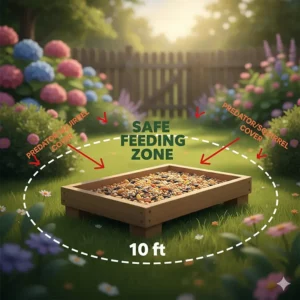
The 10-15 Foot Rule: Position your platform feeder 10-15 feet from dense shrubs, trees, or brush piles that provide quick escape routes. This distance creates a safety buffer—far enough that stalking predators (cats especially) can’t ambush feeding birds, yet close enough that birds feel comfortable making the short flight to feeding areas. Too far from cover (20+ feet) and nervous species avoid the feeder entirely; too close (under 5 feet) and you’re essentially creating a cat trap.
I learned this the hard way when I initially placed a feeder directly under my bird bath tree. Within a week, I discovered feathers everywhere—a neighborhood cat had figured out the setup. After relocating the feeder to proper distance, bird traffic increased dramatically while predation incidents vanished.
Sight Lines and Human Traffic
Balancing Visibility and Comfort: Birds need clear sight lines to detect approaching threats, so avoid placing feeders in densely overgrown areas or tight corners where visibility suffers. Conversely, positioning feeders in wide-open areas with zero nearby cover discourages most species except doves and pigeons. The goldilocks zone—moderate openness with escape routes visible from the feeding station—attracts the broadest species diversity.
Consider your viewing angles too. Placing feeders visible from your favorite window transforms mundane morning coffee into entertaining wildlife theater. My ground feeder sits 20 feet from my kitchen window at a slight diagonal—perfect viewing without walking trails between window and feeder that would spook birds.
Ground Surface Considerations
Drainage and Stability: Level, well-drained ground prevents water pooling underneath your feeder, which creates mud, mold, and unhealthy conditions for visiting birds. Slightly elevated areas or gentle slopes work excellently. Avoid positioning feeders in depressions or low spots where water naturally collects during rain. Some birders place thin gravel or mulch under feeders to improve drainage and reduce mud issues.
Stability matters especially for freestanding models. Test your chosen spot by pressing down firmly—soft, spongy soil suggests the feeder might settle unevenly or tip if larger birds land on one side. Consider concrete pavers or flat stones under feeder legs for added stability in softer soil conditions.
Maintenance and Cleaning Best Practices
Here’s an uncomfortable truth: dirty feeders spread diseases among bird populations. Responsible bird feeding requires regular maintenance, but modern ground feeders make this surprisingly manageable with removable trays and thoughtful designs.
Weekly Cleaning Schedules
Minimum Maintenance Protocol:
- Remove old seed and debris weekly
- Rinse tray with warm water
- Inspect for mold or seed clumping
- Refill with fresh seed
Deep Cleaning Monthly:
- Disassemble feeder completely
- Scrub all surfaces with 10% bleach solution (1 part bleach:9 parts water)
- Rinse thoroughly—residual bleach harms birds
- Air dry completely before reassembly
- Inspect for damage or wear
The removable tray designs featured in our top picks transform cleaning from dreaded chore into quick task. Simply lift out the tray, dump contents into compost or trash, rinse thoroughly, and you’re done. This convenience dramatically increases cleaning frequency compliance—when tasks take 2 minutes instead of 20, you’re far more likely to maintain proper schedules.
Seasonal Considerations
Winter Feeding Adjustments: Snow and ice present unique challenges. Covered feeders shine during winter months, keeping seed accessible when heavy snow would otherwise bury open platforms. Rake snow away from feeder bases regularly to maintain bird access. Consider increasing refill frequency during harsh weather when birds desperately need high-calorie foods to maintain body temperature. Suet, peanuts, and black oil sunflower seeds provide essential winter fats.
Summer Precautions: Heat accelerates seed degradation and mold development. Reduce quantities offered during summer—better to refill more frequently with smaller amounts than allow seed to spoil in hot, humid conditions. Shade becomes crucial; if your platform lacks roof coverage, position it where trees provide natural shade during peak afternoon heat. Monitor water content in seeds—any dampness promotes mold growth that can sicken or kill birds.
Common Ground Bird Feeder Problems and Solutions
Despite their simplicity, platform feeders occasionally present challenges. Let’s troubleshoot the most frequent issues with practical solutions.
Squirrel Invasion Management
The Persistent Squirrel Problem: Ground feeders naturally attract squirrels—accept this reality rather than fighting it. However, you can manage the situation without eliminating these entertaining backyard acrobats. Strategy one: dedicate your ground feeder to squirrels and install separate elevated, squirrel-proof feeders for birds. This approach reduces conflict by providing everyone their own space.
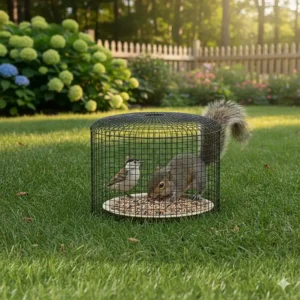
Strategy two: embrace squirrels as part of your backyard ecosystem. Many bird lovers eventually appreciate squirrel entertainment value. If you genuinely need squirrel exclusion, covered cage-style ground feeders (not featured in our top picks due to limited bird species access) provide protection while requiring significant investment and reducing feeding visibility.
Unwanted Bird Species
Managing Aggressive Visitors: Large blackbird flocks, grackles, or European starlings sometimes monopolize ground feeders, consuming vast seed quantities while intimidating desirable species. Solutions include switching to safflower seed (most blackbirds dislike the taste while cardinals, chickadees, and nuthatches love it) or temporarily removing the ground feeder for several days to disrupt established feeding patterns.
Alternatively, accept all birds—even “pest” species play ecological roles and demonstrate fascinating behaviors once you observe without prejudice. My initial frustration with grackles transformed into appreciation after watching their complex social interactions and surprising intelligence.
Seed Waste and Spillage
Reducing Ground Clutter: Mesh bottom designs significantly reduce waste by allowing seed hulls to fall through rather than accumulating in feeding areas. Train yourself to refill smaller quantities more frequently rather than heaping seed that birds kick around searching for preferred varieties. Consider offering hull-less seed mixes that eliminate most scattered debris—though expect to pay premium prices for this convenience.
Place feeders away from structures where scattered seed attracts rodents that might eventually enter buildings. Regular ground sweeping around feeders removes spilled seed before it sprouts, preventing the “weed garden” effect that develops under heavily-used feeding stations.
Best Seed Types for Ground Bird Feeders
Not all seeds attract ground-feeding species equally. Strategic seed selection maximizes your investment by targeting desired visitors while minimizing waste and unwanted species.
Universal Ground Feeder Seeds
Black Oil Sunflower Seeds: The undisputed champion of bird feeding, black oil sunflower seeds attract virtually every seed-eating species in North America. The thin shells crack easily (important for smaller beaked birds) while high fat content provides essential energy. Cardinals, jays, chickadees, nuthatches, and even woodpeckers eagerly consume these versatile seeds. Expect to pay $15-25 for quality 20-pound bags—watch for sales at farm supply stores where bulk pricing dramatically reduces per-pound costs.
White Proso Millet: Ground-feeding specialists like juncos, sparrows, doves, and towhees specifically seek millet. These small, round seeds work perfectly in platform feeders where birds can easily access and consume them. Millet often appears in mixed seed blends, though dedicated ground-feeding enthusiasts sometimes offer pure millet to target specific species. Budget-friendly option—typically $8-15 per 20-pound bag.
Premium Specialty Options
Safflower Seeds: This secret weapon discourages squirrels and blackbirds (they dislike the slightly bitter taste) while attracting cardinals, chickadees, titmice, and house finches. If squirrel invasion or blackbird monopolization frustrates you, safflower provides relief without excluding desired species. Expect premium pricing—$20-35 per 20-pound bag—but reduced waste and pest pressure often justify the investment.
Peanut Hearts and Chips: High-protein peanut pieces drive birds absolutely wild. Jays, nuthatches, chickadees, and woodpeckers particularly appreciate these energy-dense morsels. The shell-free format eliminates mess while providing maximum nutrition. Purchase from reputable suppliers to ensure freshness—rancid peanuts harm birds. Price range: $25-40 per 10-pound bag for quality products.
Attracting Specific Bird Species to Your Ground Feeder
Different species demonstrate distinct preferences regarding feeder type, seed selection, and environmental factors. Tailor your setup to attract particular targets by understanding their unique requirements.
Mourning Doves
These gentle, ground-foraging specialists absolutely love platform feeders positioned at ground level or slightly elevated. Offer cracked corn, millet, or milo seeds—doves consume these readily while other species often ignore them, creating natural feeding niche separation. Doves prefer open areas with clear sight lines, so position feeders in relatively exposed locations rather than under dense cover. Their soft cooing calls provide soothing backyard ambiance while their graceful movements add elegance to any wildlife scene.
Northern Cardinals
Cardinals rank among the most desired backyard visitors thanks to their brilliant red plumage (males) and cheerful songs. These relatively large birds appreciate spacious platform feeders where they can feed comfortably without cramped conditions. Black oil sunflower seeds attract cardinals reliably, though safflower seeds work equally well. Cardinals typically feed during early morning and late afternoon rather than midday—position feeders where morning and evening sun illuminates feeding areas for optimal viewing of their spectacular coloration. Provide nearby dense shrubs for quick escape routes and winter shelter.
Dark-Eyed Juncos
These charming little birds arrive across much of the United States during winter months, earning them the nickname “snowbirds.” Juncos predominantly feed on the ground, making platform feeders absolutely ideal. They prefer millet and small seed varieties, readily consuming offerings that fall to the ground around feeders. Juncos demonstrate relatively calm temperaments, feeding peacefully alongside other species without excessive territorial behavior. Their slate-gray and white plumage creates striking contrast against winter snow, making them delightful subjects for winter bird photography.
DIY Ground Bird Feeder: Should You Build or Buy?
The maker movement tempts many birders toward DIY feeder construction. Before grabbing power tools, let’s realistically evaluate homemade versus commercial options.
DIY Advantages
Cost Savings: Materials for basic platform feeders run $10-20 (untreated cedar boards, hardware cloth, screws) compared to $30-40 for commercial equivalents. This appeals to budget-conscious birders or those seeking weekend projects. Online tutorials provide free plans ranging from simple to elaborate designs matching any skill level.
Customization Options: Building your own feeder allows precise sizing for your space, custom color matching, and unique design elements. Want an extra-large 20″ x 24″ platform? Need specific height for your viewing angle? DIY accommodates personal preferences commercial manufacturers ignore.
Commercial Purchase Benefits
Time Investment Reality: DIY projects consume 3-8 hours depending on design complexity and woodworking experience. Factor in shopping time, multiple hardware store trips (inevitable when you forget that one crucial piece), and occasional do-overs when measurements go awry. Commercial feeders arrive ready to use—investment your time elsewhere while birds enjoy professional construction quality immediately.
Material Quality and Longevity: Manufacturers source specialized materials like recycled poly lumber, premium kiln-dried cedar, and rust-proof hardware that DIYers typically can’t access at comparable prices. Professional engineering ensures proper drainage angles, structural stability, and weather resistance that amateur builds sometimes lack. Warranty coverage provides peace of mind—if commercial feeders fail, manufacturers typically offer replacements. Your DIY version failing? You’re rebuilding at your own expense.
My honest assessment after attempting several DIY feeders: unless woodworking is your genuine hobby (not just a money-saving justification), buying quality commercial products delivers better long-term value and satisfaction. Those hours spent fighting with lumber dimension planning become hours enjoying your new feeder attracting actual birds.
Ground Bird Feeders and Wildlife Beyond Birds
One unexpected benefit of platform feeders involves the diverse wildlife they attract beyond feathered visitors. Embracing this ecosystem approach enhances backyard biodiversity while providing educational opportunities for children and adults alike.
Squirrel Entertainment Value
I initially viewed squirrels as annoying competitors stealing “bird” food. This mindset shifted after actually observing squirrel behavior without prejudice. Their acrobatic abilities, problem-solving intelligence, and social interactions provide constant entertainment. Squirrels demonstrate remarkable memory, returning to productive food sources even after months away—a testament to their cognitive capabilities.
Rather than fighting inevitable squirrel presence, consider it bonus wildlife viewing. Position cameras near feeders to capture their hilarious antics, or simply enjoy morning coffee while watching squirrels outsmart whatever “squirrel-proof” contraption you’ve installed this week. Kids especially delight in naming resident squirrels and tracking their daily visits—free educational entertainment beats screen time any day.
Other Welcome Visitors
Chipmunks: These striped cuties demonstrate endearing food-storage behavior, stuffing their expandable cheek pouches with seeds before scurrying to hidden caches. Chipmunks provide natural pest control by consuming insects alongside seeds, creating balanced ecological relationships in your yard.
Rabbits: Cottontails occasionally visit low-lying feeders for scattered seed, particularly during harsh winter when natural food sources become scarce. Their cautious approach and adorable appearance make them welcome additions to backyard wildlife communities.
Ground-Feeding Birds: Juncos, towhees, and sparrows specifically evolved for ground foraging, making them natural platform feeder customers. These species often go unnoticed at elevated feeders but flourish at appropriate feeding stations designed for their natural behaviors.
Seasonal Bird Feeding Strategies
Strategic seasonal adjustments maximize ground feeder effectiveness while supporting bird populations through their annual cycles of migration, breeding, and survival.
Spring Migration Magic
March through May: Spring migration brings incredible bird diversity as species return from southern wintering grounds. Ground feeders positioned strategically along migration corridors become essential refueling stations. Increase seed offerings substantially during peak migration weeks—exhausted travelers need high-calorie foods to restore energy depleted during long-distance flights.
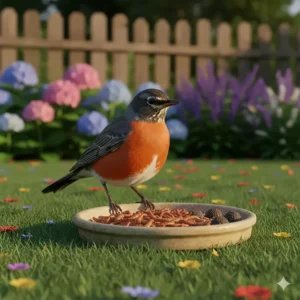
Consider adding protein-rich offerings like mealworms alongside traditional seeds. Breeding birds require extra protein for egg production and chick-rearing—your ground feeder can provide this crucial nutritional support. Maintain impeccable hygiene during spring since concentrated bird populations increase disease transmission risks.
Summer Abundance and Reduced Demand
June through August: Natural food abundance peaks during summer, reducing reliance on feeders. Many birders decrease or suspend feeding during summer months, allowing birds to focus on natural food sources. However, others maintain year-round feeding to support resident populations and provide drought relief when natural seed production fails during dry spells.
If continuing summer feeding, drastically reduce offered quantities. Smaller amounts prevent spoilage in hot, humid conditions while still supporting birds genuinely needing supplemental nutrition. Monitor daily and remove any damp or moldy seed immediately—summer heat accelerates degradation that can sicken or kill birds.
Fall Preparation and Migration
September through November: Southbound fall migration differs from spring movement—birds often travel more leisurely, stopping to feed extensively while building fat reserves for winter or remaining migration legs. Gradually increase feeder offerings as autumn progresses, attracting both migrants passing through and resident species preparing for winter challenges.
This season provides excellent opportunities for observing unusual species pushed off their normal routes by weather systems. That rare warbler at your ground feeder? Probably displaced by storms and grateful for your hospitality before continuing its journey.
Winter Survival Support
December through February: Ground feeders become most critical during harsh winter when natural food supplies plummet while bird energy requirements skyrocket. Maintain fresh seed availability consistently—birds establishing feeding routes depend on reliable food sources. A single day without available seed might force birds to abandon your yard in search of dependable alternatives.
Prioritize high-fat seeds like black oil sunflower and suet products that provide essential calories for thermoregulation. Brush snow off feeders promptly after storms, ensuring birds can access food without excessive energy expenditure. Consider heated bird baths alongside feeders—unfrozen water sources prove equally crucial for winter survival.
Price Ranges and Value Analysis
Understanding the relationship between price and features helps identify true value rather than simply chasing the cheapest option that delivers disappointing results.
Budget-Friendly Options ($20-$40)
Entry-level ground feeders like the Kingsyard platform deliver solid performance at minimal investment. These feeders suit birders testing whether ground feeding works for their situation before committing substantial funds. Budget options typically feature simplified designs, basic materials (often plastic or thin cedar), and minimal weatherproofing. Expect 2-4 year functional lifespans with basic maintenance—adequate for casual feeding but requiring eventual replacement.
Mid-Range Quality ($40-$100)
This sweet spot balances features, durability, and cost effectively. Products like Woodlink’s 3-in-1, Nature’s Way platforms, and JCs Wildlife models provide excellent value through thoughtful design, quality materials, and 5-10+ year lifespans. The additional investment compared to budget options pays dividends through reduced replacement frequency, better bird attraction, and enhanced viewing satisfaction. Most serious birders find mid-range feeders deliver optimal value propositions.
Premium Investment ($100-$200)
High-end options like DutchCrafters’ Amish-crafted feeders and JCs Wildlife’s Colossal models target dedicated enthusiasts demanding maximum durability, capacity, and aesthetic appeal. These products justify premium pricing through superior materials (poly lumber, premium hardware), handcrafted construction, and essentially unlimited lifespans with minimal maintenance. Consider premium feeders when you’ve confirmed ground feeding success with budget options and want permanent installations that withstand decades of use.
Calculate long-term value by dividing purchase price by expected lifespan years. A $35 budget feeder lasting 3 years costs $11.67 annually. An $85 premium feeder lasting 15 years costs $5.67 annually—genuine economy despite higher upfront investment. This analysis consistently favors quality products for committed long-term birders.
FAQs: Ground Bird Feeder Questions Answered
❓ What bird species prefer ground bird feeder setups over hanging options?
❓ How often should I clean my tray bird feeder to prevent disease?
❓ Can ground level bird feeder models attract unwanted pests or predators?
❓ What's the ideal height for elevated bird feeder tray placement?
❓ Are covered ground bird feeders worth the extra cost compared to open platforms?
Conclusion: Transform Your Backyard Bird Feeding Experience
After exploring everything from budget-friendly options to premium handcrafted feeders, the message becomes crystal clear: ground bird feeders deserve prominent placement in any serious backyard birding operation. These versatile platforms accommodate natural feeding behaviors, attract diverse species, and provide stable feeding surfaces that reduce stress while maximizing observation opportunities.
Your specific ideal feeder depends on personal circumstances. Budget-conscious beginners might start with the affordable Kingsyard Ground Platform Feeder to test ground feeding effectiveness before expanding. Those seeking proven quality with flexibility should absolutely consider the Woodlink 3-in-1 Platform, whose versatile mounting options adapt to changing needs. Serious enthusiasts demanding maximum longevity can’t go wrong with DutchCrafters’ Amish-crafted platforms or JCs Wildlife’s Colossal feeder.
Remember that successful bird feeding extends beyond simply hanging a feeder and hoping for the best. Strategic placement considering sight lines, escape routes, and predator protection dramatically impacts results. Regular maintenance prevents disease spread while seasonal seed adjustments support birds through their annual cycles. Perhaps most importantly, embrace patience—establishing feeding patterns takes time, but the rewards of watching diverse wildlife congregate in your own backyard prove absolutely worth the effort.
Whether you’re attracting your first cardinal or building an established feeding station attracting dozens of species, the right ground bird feeder transforms ordinary yards into extraordinary wildlife sanctuaries. The seven products reviewed here represent the absolute best options available in 2025, each excelling in distinct ways to match varying needs, budgets, and preferences. Your backyard birds are waiting—it’s time to give them the platform they deserve.
🌟 Start Your Backyard Bird Journey Today!
✨ These carefully selected ground bird feeders will transform your yard into a wildlife haven. Check current prices, read hundreds of verified reviews, and choose the perfect feeder for your unique situation. Don’t wait—nesting season approaches, and birds are scouting reliable food sources right now! 🐦🌿
Recommended for You
- Ultimate Modern Bird Feeder: 7 Game-Changing Picks for 202
- Metal Bird Feeder: 7 Best Options for Your Backyard (2025)
- 7 Best Large Bird Feeder Options to Attract More Birds in 2025
Disclaimer: This article contains affiliate links. If you purchase products through these links, we may earn a small commission at no additional cost to you.
✨ Found this helpful? Share it with your friends! 💬🤗
