
In This Article
✨Was this helpful? Spread the word! 🚀
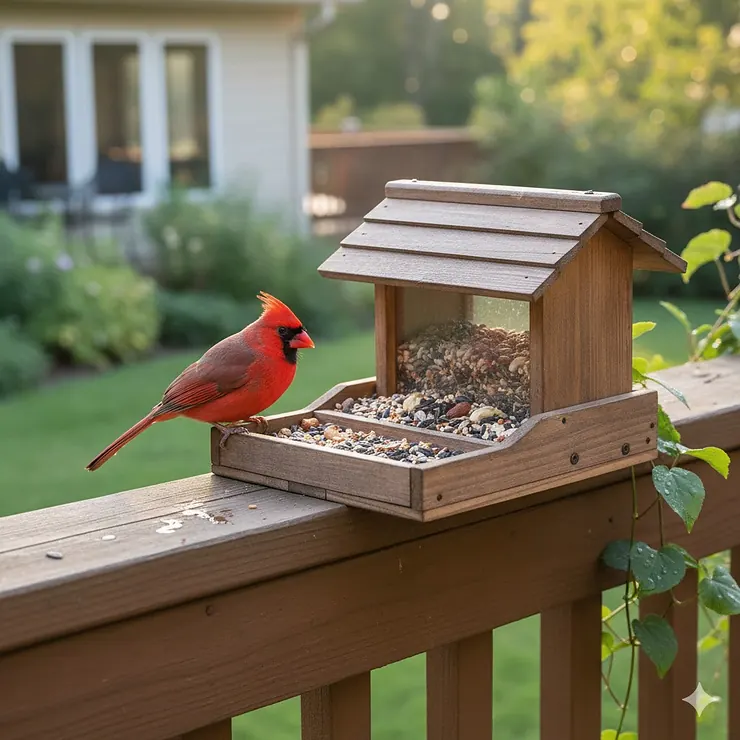
Ever watched birds from your window and wished they’d come a little closer? You’re not alone. A deck bird feeder changes everything, bringing nature’s most colorful performers right to your doorstep. I’ve spent countless mornings sipping coffee while watching cardinals, finches, and blue jays feast just feet away from my breakfast table, and honestly, it never gets old.
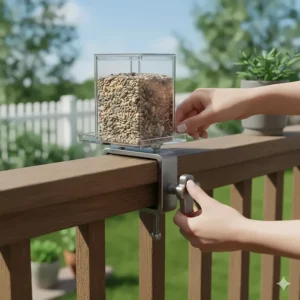
What makes a deck bird feeder so special? Unlike traditional hanging feeders that require trees or shepherd’s hooks planted in your yard, these clever contraptions clamp directly onto your deck railing. They’re designed with adjustable brackets that fit railings between 0.2 to 2 inches thick, making them perfect for apartments, condos, or homes without yard space. The beauty lies in their versatility—whether you’re dealing with a small balcony or a sprawling deck, there’s a feeder that’ll work for you.
The bird tray feeder for deck market has exploded recently, and for good reason. These feeders attract multiple species simultaneously, offering birds various feeding positions—some prefer perching, others like clinging, and platform-loving species enjoy the open tray design. Moreover, many modern deck feeders come with bonus features like rotating trays, water bowls, and even built-in suet cages. It’s like creating a five-star bird restaurant on your railing!
Quick Comparison Table
| Product | Type | Price Range | Weight Capacity | Best For |
|---|---|---|---|---|
| HRAYLTOP Deck Bird Feeder | Tray + Water Bowl | $25-$35 | Medium | Multi-purpose feeding |
| CQAIRIOU Upgraded Station Kit | Multi-hook Station | $30-$40 | Heavy-duty | Versatile setups |
| yosager Premium Feeding Kit | Full Station (77″) | $35-$50 | Multiple feeders | Serious bird watchers |
| yosager Deck Pole Kit | Compact Station (42″) | $25-$35 | Medium | Small spaces |
| Perky-Pet Adjustable Hook | Single Hook | $15-$25 | Up to 10 lbs | Hanging feeders |
| Hold It Mate Hook Kit | Extension Hook | $20-$30 | Up to 15 lbs | Custom setups |
| Woodlink Clamp-On Hook | Basic Clamp Hook | $15-$20 | Up to 8 lbs | Budget-friendly |
💬 Just one click – help others make better buying decisions too! 😊
🛒 Ready to Start Bird-Watching?
✨ Transform your deck into a bird paradise today! Click any product above to check current Amazon pricing and availability. These carefully selected feeders will bring beautiful birds right to your doorstep. Don’t miss out on nature’s daily show! 🐦
Top 7 Deck Bird Feeder Products: Expert Analysis
1. HRAYLTOP Deck Bird Feeder with Metal Mesh Tray
If you want an all-in-one solution that won’t break the bank, the HRAYLTOP Deck Bird Feeder deserves your attention. This clever design combines a metal mesh seed tray with two transparent water bowls, essentially creating both a feeding and bathing station on your deck railing.
Key Specifications:
- Dimensions: 17.3″ L x 7″ W x 8.8″ H
- Round tray size: 7″ x 7″
- Fits railings: 0.2″ to 2″ thick
- Material: Heavy-duty steel with rust-proof coating
The feeder features a 360-degree rotating mechanism, allowing you to adjust the angle of both the mesh tray and water bowls to suit your viewing preferences. Customers love how the transparent water bowls increase visibility, making it easier for birds to spot the water source from a distance.
Price Range: $25-$35
Customer Feedback: Users consistently praise the sturdy construction and easy cleaning process. The removable components make maintenance a breeze—just rinse and wipe dry.
✅ Pros:
- Dual functionality (feeding + watering)
- Weather-resistant construction
- Easy to clean and maintain
❌ Cons:
- Limited seed capacity requires frequent refilling
- Water bowls need regular cleaning to prevent algae
Best For: Bird lovers who want both feeding and bathing options without cluttering their deck with multiple items.
2. CQAIRIOU Upgraded Bird Feeding Station Kit
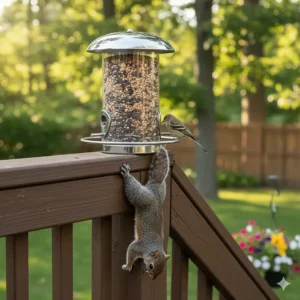
The CQAIRIOU Upgraded Bird Feeding Station Kit takes deck bird feeding to the next level. This isn’t just a feeder—it’s an entire bird entertainment complex for your railing.
Key Specifications:
- Dimensions: 17.5″ x 34.3″
- Three flexible hooks for hanging feeders
- Includes bird bath, mesh tray, and suet cage
- Accommodates railings up to 1.85″ thick
The integral non-welded main hook provides superior strength to bear heavier winter feeders, while the deck hook design fixes securely to patio railings to prevent falling. What really sets this kit apart is the included anti-indentation mats that protect wooden railings from surface damage.
Price Range: $30-$40
Customer Feedback: Bird enthusiasts rave about the versatility and the extra accessories. One reviewer mentioned using it with heavy blown-glass feeders and a large squirrel-proof feeder without any stability issues.
✅ Pros:
- Multiple hanging options
- Comprehensive accessory package
- Protects deck railing surfaces
❌ Cons:
- Assembly required
- Height may not work for all railing types
Best For: Serious bird watchers who want to attract various species with different feeding preferences.
3. yosager Premium Bird Feeding Station Kit (77″ x 19″)
When you’re ready to go big or go home, the yosager Premium Bird Feeding Station Kit delivers professional-grade bird feeding right on your deck. This towering 77-inch station transforms your deck railing into a bird sanctuary.
Key Specifications:
- Dimensions: 77″ tall x 19″ wide
- Multi-feeder hanging capabilities
- Includes metal suet feeder and bird bath
- Heavy-duty steel construction with powder coating
The feeder pole serves as both a bird feeder station and a planter hanger, with multiple attachment points for different feeder types. The extra height provides excellent visibility for birds and bird watchers alike, while keeping feeders away from deck-level predators.
Price Range: $35-$50
Customer Feedback: Users love the stability and the fact that you can customize it with your favorite feeders. Several reviewers mentioned it’s perfect for working from home, providing entertainment throughout the day.
✅ Pros:
- Impressive height for better visibility
- Accommodates multiple feeder types
- Durable weather-resistant construction
❌ Cons:
- Higher price point
- May be too tall for low-clearance areas
Best For: Homeowners with larger decks who want a statement piece that attracts maximum bird traffic.
4. yosager Deck Pole Bird Feeding Station Kit (30 x 42″)
If space is limited but you still want variety, the compact yosager Deck Pole Bird Feeding Station Kit hits the sweet spot. At 30 x 42 inches, it offers multi-hook functionality without overwhelming smaller balconies.
Key Specifications:
- Dimensions: 30″ x 42″
- Two adjustable branches
- Clamp fits railings up to 2″ thick
- No tools required for installation
The heavy-duty steel construction features weather-resistant black powder coating for rust prevention, with a rust-proof clamp and turning screw for secure mounting. The adjustable hand knob can be tightened and loosened quickly, making seasonal installation and removal effortless.
Price Range: $25-$35
Customer Feedback: Apartment dwellers particularly appreciate the compact footprint that doesn’t sacrifice functionality. Users report it’s stable enough for multiple feeders without wobbling.
✅ Pros:
- Space-efficient design
- Tool-free installation
- Adjustable hook positions
❌ Cons:
- Shorter height than full-size stations
- Two-hook limit may restrict options
Best For: Apartment or condo residents with limited deck space who still want multi-feeder capabilities.
5. Perky-Pet 566 Adjustable Railing Feeder Hook (36″)
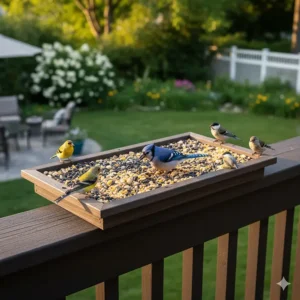
Sometimes simple is better. The Perky-Pet 566 Adjustable Railing Feeder Hook proves that one well-designed hook can handle all your bird feeding needs.
Key Specifications:
- Extends up to 36″ high
- Attaches to railings up to 3.25″ thick
- Garden green powder-coated finish
- Heavy-duty steel construction
The hook features a powder-coated finish designed to resist rust even in harsh weather conditions, with enough clearance to accommodate various feeder sizes. Perky-Pet has been a trusted name in bird feeding for decades, and this hook reflects that quality commitment.
Price Range: $15-$25
Customer Feedback: Users praise the durability and the attractive green finish that blends with outdoor settings. Many customers use multiple hooks spaced along their railing for a coordinated feeding station.
✅ Pros:
- Affordable entry point
- Trusted brand quality
- Multi-purpose use (wind chimes, planters, etc.)
❌ Cons:
- Single hook limits simultaneous feeders
- Requires separate feeder purchase
Best For: Budget-conscious bird lovers or those wanting to add feeding capacity incrementally.
6. Hold It Mate 18″ Deck Railing Hook Kit
The Hold It Mate 18″ Deck Railing Hook Kit brings American manufacturing and patent-protected design to your deck. This Florida-based company has perfected the art of the deck hook.
Key Specifications:
- 18″ extension hook
- Includes 6″ mounting rail
- Holds up to 15 lbs
- Fits vertical spindles 0.5″ to 1.75″ wide
The mounting rail and accessories are made of powder-coated steel with stainless steel hardware for long life, requiring only an included Allen wrench for installation. The kit fits various spindle materials including wrought iron, aluminum, PVC, vinyl, and wood.
Price Range: $20-$30
Customer Feedback: Customers appreciate the American-made quality and the thoughtful design that accommodates different railing types. Seven-year longevity reports are common.
✅ Pros:
- Made in USA with quality materials
- Higher weight capacity than competitors
- Versatile spindle compatibility
❌ Cons:
- Requires vertical railing spindles
- Extension style may not suit all preferences
Best For: Those seeking American-made quality and willing to pay slightly more for superior durability.
7. Woodlink Clamp-On Deck Hook
Rounding out our list, the Woodlink Clamp-On Deck Hook offers straightforward functionality at a wallet-friendly price point.
Key Specifications:
- 24″ clamp-on design
- Simple installation mechanism
- Basic but reliable construction
- Supports standard hanging feeders
Woodlink has established itself as a reliable brand in the bird feeding market, offering practical solutions for everyday bird enthusiasts. This deck hook exemplifies their no-nonsense approach—it does exactly what it promises without unnecessary complexity.
Price Range: $15-$20
Customer Feedback: Budget-conscious buyers love the value proposition. While it lacks fancy features, it performs its core function reliably.
✅ Pros:
- Most affordable option
- Simple, straightforward design
- Easy to understand and install
❌ Cons:
- Basic construction may not last as long
- Lower weight capacity
- Minimal features
Best For: First-time bird feeders or those testing the waters before investing in premium options.
Understanding Deck Bird Feeder Basics
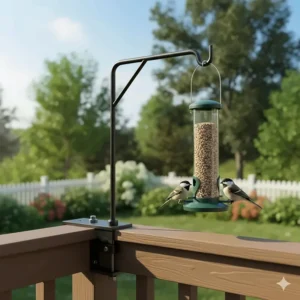
So you’re thinking about getting a deck bird feeder, but you’re not quite sure where to start? Let me break it down for you. A deck bird feeder is essentially any feeding solution designed to attach to your deck railing rather than hanging from a tree branch or standing in your yard. Think of it as bringing the bird watching experience closer to home—literally.
What Is a Deck Bird Feeder?
A deck bird feeder is a specialized feeding system that mounts directly onto deck railings through various attachment methods. Platform or tray feeders are among the most non-specific types, attracting many different bird species both big and small, and they’re one of the easiest to clean since you can simply hose them off outside. Unlike traditional feeders that require yard space or tree branches, deck feeders bring the action right to your living space.
The magic happens through clever engineering—most use clamp mechanisms, hooks, or mounting brackets that grip your railing securely. Some models feature full feeding stations with multiple hooks, while others offer simple tray platforms where birds can land and feast. The diversity in designs means there’s genuinely something for every deck configuration and every bird lover’s preference.
How Deck Feeders Work
The mechanics are beautifully simple. Most deck bird feeders use one of three mounting systems: clamp-style brackets that tighten around your railing, hook-and-screw systems that attach to spindles, or weighted bases that rest on flat surfaces. Once mounted, they function exactly like any other bird feeder—you fill them with seed, and birds arrive for the buffet.
What makes them special is their positioning. By placing feeders at deck level, you create an intimate viewing experience. You’re not straining to see distant birds through binoculars; instead, you’re watching chickadees and nuthatches from just a few feet away through your deck doors. Many models include mesh trays for drainage, preventing seed from getting waterlogged during rainstorms.
Why Choose a Bird Tray Feeder for Deck?
Platform or tray-style feeders deserve special attention when we talk about deck installations. These feeders offer open access from all sides, accommodating birds that don’t feel comfortable at traditional tube or hopper feeders.
Advantages of Tray-Style Design
Tray feeders cater to the instincts of many birds by providing lots of space to hop around while eating, giving birds visibility to watch for predators so they feel safer. This security factor cannot be overstated—birds are naturally cautious creatures, and anything that helps them feel safe will bring more visitors to your deck.
The open design also means easier maintenance. You can quickly sweep out old seed hulls and rinse away debris without disassembling complicated mechanisms. Additionally, bird tray feeders for deck setups handle mixed seed exceptionally well, letting different species sort through the offerings and select their favorites. Cardinals love this approach, as do mourning doves, sparrows, and juncos.
Species Attraction Benefits
Different birds have different feeding preferences, and tray feeders cast the widest net. Ground-feeding species that normally wouldn’t visit hanging tube feeders will happily stop by a tray feeder. You’ll see mourning doves, which prefer to feed on flat surfaces, alongside smaller finches and even woodpeckers investigating the seed selection.
The accessibility means families with children can enjoy bird watching together without specialized equipment. Kids love seeing the variety of species that visit tray feeders, and the open design makes it easy for little ones to observe feeding behaviors up close.
Key Features to Consider When Buying
Let’s get practical. Not all deck bird feeders are created equal, and knowing what to look for will save you money and frustration.
Material Quality and Durability
Weather resistance should top your priority list. Your feeder will face rain, snow, intense sun, and temperature swings. Heavy-duty steel with rust-proof special surface treatment maintains long-term durability, with anti-rust clamps and rotating screws providing secure installation. Cheaper plastic feeders might save money initially but often crack or fade within a season.
Metal construction, particularly powder-coated steel, offers the best longevity. Look for feeders with stainless steel hardware—regular steel screws will rust quickly, making disassembly difficult when you need to clean or relocate the feeder. Some manufacturers use recycled materials that are both eco-friendly and durable.
Installation and Adjustment Options
⚡ Easy Installation Features:
✅ Tool-free mounting systems save time and frustration
✅ Adjustable clamps accommodate various railing thicknesses
✅ 360-degree rotation capabilities for optimal viewing angles
✅ Quick-release mechanisms for seasonal storage
The best deck feeders install in minutes without requiring a toolbox. Look for hand-tightened knobs rather than systems requiring wrenches. Adjustability matters too—railings vary in thickness from thin metal balcony rails to chunky wooden deck posts, so confirm the feeder’s clamp range matches your railing dimensions.
Weight Capacity Considerations
Don’t overlook load capacity, especially if you plan to hang multiple feeders or heavier items like glass hummingbird feeders. Most basic hooks support 8-10 pounds, which handles standard seed feeders comfortably. If you’re hanging suet feeders, squirrel-proof feeders (which are heavier), or planting baskets, seek out heavy-duty options rated for 15-20 pounds.
Remember that seed adds significant weight—a large feeder holding five pounds of seed might weigh ten pounds when full. Factor in wet conditions too, as moisture increases the overall load.
Installation Guide: Step-by-Step Setup
Ready to install your new deck bird feeder? Let’s walk through the process together.
Pre-Installation Preparation
🔧 Before You Start:
✅ Measure your railing thickness at multiple points
✅ Check for any obstructions or uneven surfaces
✅ Clean the mounting area to ensure secure attachment
✅ Read manufacturer instructions completely
✅ Gather any required tools (usually minimal)
Start by identifying the best location on your deck. You want visibility from indoors but also consideration for the birds—they need clear flight paths to approach and depart safely. Avoid placing feeders too close to windows where birds might collide during hasty exits.
Mounting Process
Most clamp-style feeders follow a similar installation pattern. Position the clamp on your railing, then tighten the adjustment screw or hand knob until secure. Test the stability by gently tugging—if it shifts easily, tighten more. For hook-style systems, align the mounting bracket with railing spindles, then secure using the provided hardware.
The adjustable hand knob can be tightened and loosened quickly for easy installation and removal, with no tools required for most deck bird feeder clamp-on systems. This simplicity means you can reposition feeders seasonally or remove them entirely during harsh weather.
Positioning for Best Results
🐦 Optimal Placement Tips:
✅ 4-6 feet above deck surface minimizes predator access
✅ Visible from your favorite indoor viewing spot
✅ Away from corners where cats might hide
✅ Consider sun exposure (some birds prefer shade)
✅ Leave space below for seed spillage cleanup
Position feeders where morning or afternoon light illuminates visiting birds—you’ll enjoy better photography opportunities and clearer viewing. However, all-day sun exposure can heat metal feeders uncomfortably, so partial shade often works best, especially in southern regions.

Attracting Different Bird Species
Part of the joy of deck feeders is discovering which birds visit your specific location. Different species have different preferences, and catering to those preferences increases your visitor diversity.
Seed Selection Strategies
Using a bird seed mix in a tube or hopper feeder that accommodates variety will attract the most birds, rather than specialized feeders limited to thistle or sunflower seeds only. Black oil sunflower seeds serve as the universal favorite—almost every seed-eating bird enjoys them. These seeds have thin shells that even small birds can crack, plus high oil content provides excellent nutrition.
Popular Seed Types:
- Black oil sunflower: Cardinals, chickadees, finches, nuthatches
- Nyjer (thistle): Goldfinches, pine siskins, redpolls
- Safflower: Cardinals, grosbeaks (squirrels dislike it)
- White millet: Ground-feeding species, sparrows, doves
- Peanuts: Woodpeckers, jays, titmice
Mix several seed types in your tray feeder to accommodate diverse preferences. You’ll notice birds sorting through the mix, selecting favorites while ignoring others.
Seasonal Bird Activity
Bird activity fluctuates throughout the year, and understanding these patterns helps manage expectations. Spring and fall see peak activity as migrants pass through. Summer activity drops as natural food sources become abundant, though parent birds still visit feeders to gather food for nestlings.
Winter brings the highest sustained traffic as natural food sources disappear under snow. This is when your deck bird feeder becomes a genuine lifeline for overwintering species. Increase feeding frequency during cold snaps—birds need extra calories to maintain body heat overnight.
Creating a Bird-Friendly Environment
🌿 Beyond the Feeder:
✅ Provide fresh water year-round (heated birdbaths in winter)
✅ Leave some native plants with berries and seeds
✅ Avoid pesticides in adjacent garden areas
✅ Consider adding brush piles for cover nearby
✅ Keep feeders consistently stocked—birds remember reliable food sources
Native plants matter more than many people realize. According to the National Audubon Society, native plants support local insect populations, which in turn feed nestling birds. Your deck feeder provides supplemental nutrition, but natural food sources create a complete bird habitat.
Maintenance and Cleaning Best Practices
Here’s something nobody tells you before buying your first bird feeder: cleaning it is critical. Dirty feeders spread disease among bird populations, potentially doing more harm than good.
Regular Cleaning Schedule
⏰ Maintenance Timeline:
✅ Weekly: Remove seed hulls and debris from tray
✅ Bi-weekly: Wash with hot, soapy water
✅ Monthly: Disinfect with dilute bleach solution (1:9 ratio)
✅ Seasonally: Deep clean and inspect for damage
✅ Annually: Replace worn components or entire feeder if necessary
One of the most important responsibilities of feeding birds is keeping the feeder clean and keeping birds safe from bird diseases and predators, following proper precautions against Salmonellosis, Aspergillus fungus, and Avian Pox. These diseases spread rapidly at crowded feeding stations, making regular cleaning an ethical obligation.
Proper Cleaning Methods
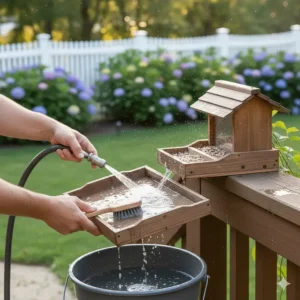
Start by removing all remaining seed. For most deck feeders, this means simply dumping the tray. Rinse with a strong stream of water to remove stuck hulls and bird droppings. Next, wash with hot water and dish soap, using a bottle brush to reach crevices. Rinse thoroughly—soap residue can harm birds.
For monthly deep cleaning, mix one part bleach with nine parts water. Soak feeder parts for 2-3 minutes, then rinse exhaustively until no bleach smell remains. Let components air dry completely before refilling. This disinfection kills bacteria, mold, and fungal spores that regular washing might miss.
Preventing Mold and Bacteria
☔ Moisture Management:
✅ Use feeders with drainage holes in tray bottoms
✅ Avoid filling feeders during extended rainy periods
✅ Store seed in airtight containers to prevent dampness
✅ Clear out wet seed immediately—don’t let it ferment
✅ Check for moisture accumulation under seed surface
Mold grows rapidly on damp seed, especially in warm weather. If you see clumping or discoloration, discard the entire batch—moldy seed sickens birds. Some bird lovers switch to smaller feeders during humid summer months, refilling more frequently with smaller quantities to prevent spoilage.
Dealing With Common Challenges
Let’s tackle the problems nobody likes to discuss but everyone eventually faces.
Squirrel Management
Ah, squirrels. These acrobatic thieves will test your patience and your wallet. They’ll empty feeders in hours, chew through plastic components, and bend metal hooks with their weight. The frustration is real, trust me.
Anti-Squirrel Strategies:
- Use weight-activated feeders: Models like the Brome Squirrel Buster close ports when squirrels land
- Add baffles below the feeder: Cone-shaped guards prevent climbing
- Switch to safflower seed: Most squirrels dislike the taste
- Apply capsaicin-coated seed: Birds can’t taste capsaicin, but mammals can
- Accept some loss: Sometimes peaceful coexistence works best
Deck feeders present unique squirrel challenges because squirrels can leap from deck posts or railings. Some bird feeders install greased poles or add slippery metal sleeves to thwart climbing. Others embrace the entertainment value—squirrels are entertaining, even if expensive to feed.
Weather Protection
Extreme weather threatens both feeders and birds. High winds can knock poorly secured feeders off railings. Heavy snow buries feeders. Intense sun fades colors and warps plastics. Ice storms coat everything in a slick shell.
🌤️ Weather-Proofing Tips:
✅ Choose powder-coated metal over plastic when possible
✅ Secure feeders extra tight before predicted storms
✅ Add roof covers to protect seed from rain/snow
✅ Consider removable designs for severe weather events
✅ Check mounting security after any strong wind event
Regional considerations matter. Those in the Southwest need UV-resistant materials more than rust-proofing, while Northeastern bird feeders prioritize cold tolerance and snow shedding designs. Match your feeder choice to your local climate challenges.
Pest Control
Birds aren’t the only creatures attracted to free food. Raccoons raid feeders nightly. Bears (yes, bears) can destroy feeders entirely in seconds. Mice nest in stored seed bags. Wasps and hornets investigate sweet hummingbird nectar.
For most pests, removing the food source at night eliminates problems. Bring tray feeders indoors at dusk, or install feeders that you can empty before dark. In bear country, this becomes mandatory—wildlife officials recommend removing all feeders from April through November when bears are active. No bird feeder is worth attracting bears to your deck.
Budget-Friendly vs. Premium Options
Money talks, so let’s have an honest conversation about costs versus benefits.
Entry-Level Feeders ($15-$25)
Budget feeders like the Woodlink Clamp-On Hook and basic Perky-Pet models serve their purpose for casual bird feeding. They’ll last 1-2 seasons with proper care, handle light-to-moderate use, and require minimal financial commitment. Perfect for testing whether bird feeding appeals to you before investing heavily.
These feeders usually feature simpler construction, basic clamp mechanisms, and limited adjustability. That’s perfectly fine for many situations. A simple hook holding a basic tube feeder will attract birds just as effectively as fancier alternatives—the birds don’t care about aesthetics.
Mid-Range Choices ($25-$40)
This price range offers the sweet spot for most bird enthusiasts. Products like the HRAYLTOP and CQAIRIOU kits provide excellent value, combining durability with useful features. You’re getting weather-resistant materials, thoughtful design elements, and comprehensive accessory packages.
Mid-range feeders typically last 3-5 years with proper maintenance. They handle various weather conditions, support moderate weight loads, and offer enough adjustability for most deck configurations. If you’re committed to bird feeding as a long-term hobby, start here rather than with budget options you’ll quickly outgrow.
Premium Investment ($40+)
Top-tier options like the yosager Premium Station Kit represent serious investment in your bird-watching infrastructure. These feeders feature heavy-duty construction, lifetime warranties (sometimes), superior weather resistance, and thoughtful engineering details.
Premium feeders often include exclusive features: tool-free adjustment, anti-indentation protection, enhanced stability systems, and modular designs allowing future expansion. Aspects brand feeders, while more expensive, are made in the United States and backed by lifetime warranties, with many users reporting feeders over 20 years old that still work great. Sometimes, buying once and buying right saves money long-term.
Safety Considerations for Birds and Decks
Bird feeding carries responsibilities beyond simply providing food. Let’s ensure we’re doing this right.
Bird Health and Safety
🏥 Protecting Bird Populations:
✅ Clean feeders regularly to prevent disease transmission
✅ Position feeders away from window collision zones
✅ Avoid feeding during disease outbreak periods (if advised)
✅ Remove moldy or spoiled seed immediately
✅ Provide multiple feeding locations to reduce crowding
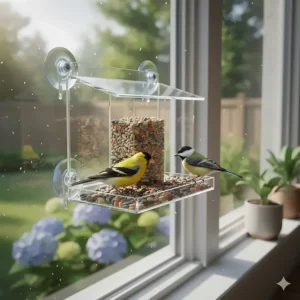
Window strikes kill millions of birds annually. If your deck doors or windows sit near feeders, apply anti-collision decals or move feeders farther away. The U.S. Fish and Wildlife Service recommends feeders be placed either very close (within 3 feet) or far from windows (beyond 30 feet) to minimize collision risks.
Deck Protection
Your deck deserves consideration too. Seed hulls accumulate below feeders, creating slippery surfaces and attracting rodents. Bird droppings are acidic and can stain deck materials. Over time, this creates maintenance headaches.
Place catch trays beneath feeders or position feeders over areas where debris falls harmlessly off the deck edge. Some bird feeders install washable outdoor rugs beneath feeding stations—easy cleanup, and the rug protects deck surfaces. For wooden decks, check periodically that clamp pressure isn’t creating indentations or cracks in railings.
Wildlife Interaction Protocol
Bears, coyotes, and other wildlife may investigate your deck feeders. Most problems occur in transitional habitats where suburban areas meet wilderness. If you live in such areas, consult local wildlife management guidelines before installing feeders.
Never attempt to scare away or interact with wildlife at feeders. If bears become problematic, immediately remove all feeders and store them indoors until hibernation season. Some communities ban bird feeding entirely during certain months to prevent human-wildlife conflicts.
Enhancing Your Deck Bird Feeding Experience
Ready to level up your bird-watching game? These additions transform simple feeding into immersive observation.
Camera and Documentation Tips
📸 Better Bird Photography:
✅ Clean your viewing windows for unobstructed shots
✅ Position feeders considering morning/afternoon light
✅ Use burst mode to capture action sequences
✅ Keep camera near your favorite viewing spot
✅ Consider smart bird feeder cameras for automatic capture
Smart bird feeders with built-in cameras have revolutionized backyard bird watching. Products like Bird Buddy feature 1080p cameras, phone app connectivity, and automated notifications when birds arrive, though subscription features can add ongoing costs. These high-tech feeders identify species automatically using AI, creating virtual collections of your deck visitors.
Educational Opportunities
Bird feeding offers fantastic learning experiences for children and adults alike. Keep a bird identification guide handy—apps like Merlin Bird ID provide instant identification help. Start a feeder journal tracking which species visit, what they eat, and when they appear. Kids love charting bird visits, learning about migration patterns, and understanding ecosystem connections.
Connect bird feeding to broader environmental education. Discuss habitat loss, climate change impacts on migration timing, and conservation efforts. The Cornell Lab of Ornithology offers citizen science programs like FeederWatch where your observations contribute to scientific research.
Creating a Relaxation Space
Your deck becomes a personal nature sanctuary with thoughtful planning. Position comfortable seating near feeders for extended viewing sessions. Morning coffee and bird watching pair beautifully, creating peaceful routines that reduce stress and foster mindfulness.
Many people report that watching birds lowers anxiety and improves mental well-being. There’s something inherently calming about observing natural behaviors—birds feeding, interacting, and simply existing without human concerns. It’s meditation you don’t have to work at.
Seasonal Considerations and Adjustments
Bird feeding isn’t a set-it-and-forget-it activity. Seasonal changes require adjustments to maximize success.
Spring Feeding Strategies
🌸 Spring Adjustments:
✅ Increase cleaning frequency as temperatures rise
✅ Add nesting material holders nearby
✅ Reduce seed quantities (natural food becomes available)
✅ Watch for migrating species passing through
✅ Consider switching to no-mess seed blends
Spring migration brings exciting visitor variety. Species you haven’t seen all winter suddenly appear at feeders. Keep feeders stocked consistently—migrants need refueling stops during long journeys. However, reduce portion sizes as natural insects and seeds become abundant. Overflowing feeders attract unwanted pests during warm weather.
Summer Maintenance
Summer is the off-season for many bird feeders, but some species remain active visitors. Parent birds gather easy calories at feeders while hunting insects to feed protein-hungry nestlings. Hot weather accelerates seed spoilage, so use smaller amounts and check daily for mold.
Consider offering just water during peak summer months. Fresh water sources become scarce during hot, dry periods, and birds need baths to maintain feather condition. A simple water dish attached to your deck bird feeder provides life-sustaining hydration.
Fall and Winter Preparation
⛄ Cold Weather Checklist:
✅ Inspect feeders for damage before heavy use season
✅ Stock up on seed (prices often rise in winter)
✅ Increase feeder capacity to reduce refill frequency
✅ Add high-fat foods (suet, peanuts) for extra calories
✅ Consider heated water sources for freeze protection
Fall migration rivals spring for bird diversity, bringing southern-bound travelers through your yard. This is also when juvenile birds, born over summer, explore feeding opportunities. You’ll see more birds at feeders from October through March than any other period—make sure you’re ready with adequate supplies.
Frequently Asked Questions
❓ How often should I refill my deck bird feeder during peak season?
❓ Can deck bird feeders damage my railing or deck surface?
❓ What is the best seed mix for attracting the most bird species to deck feeders?
❓ How do I prevent larger birds from dominating my deck bird feeder?
❓ Are deck bird feeders safe to use in bear country?
Conclusion: Your Next Steps to Bird-Watching Success
We’ve covered a lot of ground, haven’t we? From understanding basic deck bird feeder mechanics to choosing between budget and premium options, you now have the knowledge to make an informed decision. The beauty of deck bird feeding lies in its accessibility—anyone with a railing can participate in this rewarding hobby.
Remember, the “best” deck bird feeder isn’t necessarily the most expensive or feature-packed option. It’s the one that fits your specific situation: your deck configuration, your budget, your available time for maintenance, and your bird-watching goals. A simple $20 hook holding a quality tube feeder can provide as much enjoyment as an elaborate $50 multi-station setup—it all depends on what you want from the experience.
Start simple if you’re new to bird feeding. Get a basic feeder, fill it with black oil sunflower seeds, and observe what happens. You’ll quickly discover which birds visit your area and what they prefer. Then you can expand your setup based on actual experience rather than guesswork. Many of us started with a single feeder and gradually accumulated an entire deck-railing buffet!
The connections you’ll build with local bird populations bring unexpected joy. You’ll recognize individual birds, notice seasonal visitors, and develop an appreciation for the remarkable diversity living right outside your door. Plus, you’re providing genuine assistance to wild populations—supplemental feeding helps birds survive harsh weather and food-scarce periods.
🎯 Take Action Today!
✨ Don’t wait another season to start your bird-watching journey! Check out the products we’ve reviewed, choose the deck bird feeder that matches your needs, and get started this week. Your feathered neighbors are waiting, and trust me, that first morning watching chickadees and cardinals feast just feet away makes every bit of setup worthwhile. Happy bird watching! 🐦
Recommended for You
- Ground Bird Feeder: 7 Best Options for Your Backyard (2025)
- Ultimate Modern Bird Feeder: 7 Game-Changing Picks for 202
- Metal Bird Feeder: 7 Best Options for Your Backyard (2025)
Disclaimer: This article contains affiliate links. If you purchase products through these links, we may earn a small commission at no additional cost to you.
✨ Found this helpful? Share it with your friends! 💬🤗
