
In This Article
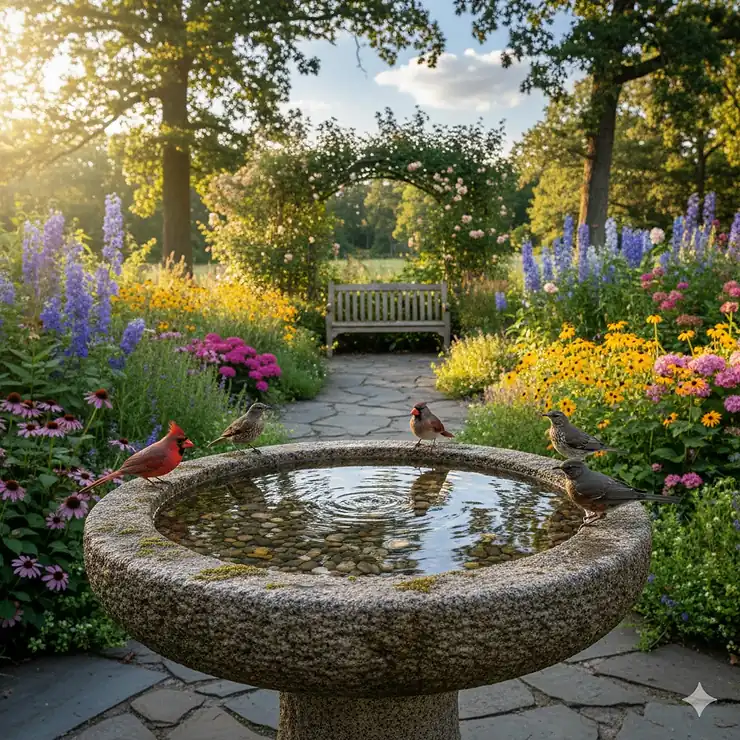
Picture this: you’re sipping your morning coffee when suddenly, a vibrant cardinal swoops down to your garden, followed by a family of robins. They’re not fighting over limited space—your large bird bath welcomes them all at once. That’s the magic these spacious water features bring to your backyard.

I’ve spent years observing how different bird bath sizes impact wildlife visits, and the difference is remarkable. While standard bird baths accommodate 1-2 birds at a time, a large bird bath creates a genuine gathering spot where multiple species can drink, bathe, and socialize simultaneously. According to the Penn State Extension, providing water sources can attract even more wildlife than food feeders alone.
Large bird baths offer practical advantages too. Their generous capacity means less frequent refilling—especially crucial during hot summer months when birds desperately seek hydration. The U.S. Fish & Wildlife Service emphasizes that water sources are essential elements for creating wildlife-friendly habitats. A spacious bird bath isn’t just decorative; it’s a vital resource that supports your local ecosystem while giving you front-row seats to nature’s daily theater.
The growing popularity of extra large bird bath designs reflects homeowners’ desire to create authentic wildlife sanctuaries. Whether you’re a seasoned birdwatcher or just starting your backyard transformation, choosing the right large bird bath makes all the difference.
Quick Comparison Table: Top Large Bird Baths at a Glance
| Product | Bowl Diameter | Height | Material | Price Range | Best For |
|---|---|---|---|---|---|
| MNRYLKB Metal Bird Bath | 18.3″ | 28″ | Wrought Iron | $50-$70 | Multiple birds, durability |
| VIVOHOME Polyresin Bath | 20″ | 28″ | Polyresin/PP | $60-$80 | Lightweight, easy moving |
| KHayRovies Metal Stand | 10.6″ | 36.2″ | Premium Metal | $35-$50 | Budget-friendly, stability |
| Aflowa Metal Bird Bath | 15″ | 28″ | Metal | $45-$65 | Mid-range, classic design |
| Bleuhome Bowl Set | 14″ | Varies | Heavy-Duty Plastic | $15-$25 | DIY projects, value |
| Kesito Freestanding | 13″ | 35.5″ | Metal | $40-$55 | Detachable, easy cleaning |
| Heated Bird Bath | 12″ | Variable | Plastic/Metal | $70-$100 | Year-round use, winter |
💬 Just one click – help others make better buying decisions too! 😊
✨ Don’t Miss These Exclusive Deals!
🔍 Take your backyard birding to the next level with these carefully selected products. Click on any highlighted item to check current pricing and availability. These tools will help you create authentic wildlife habitats your family will love!
Top 7 Large Bird Baths: Expert Analysis
1. MNRYLKB Dia 18″ Large Metal Bird Bath with Stand
When you need a commercial grade bird bath that handles heavy traffic, the MNRYLKB delivers exceptional performance. This extra large bird bath features an impressive 18.3-inch diameter bowl—significantly larger than standard options—making it perfect for hosting multiple feathered visitors simultaneously.
The wrought iron construction with multi-layer powder coating provides superior rust resistance for long-term outdoor use. I particularly appreciate the decorative cast-iron birds welded to the basin’s edge, which serve as both aesthetic touches and practical perching spots. At 28 inches tall, the height offers optimal viewing angles while maintaining accessibility for various bird species.
Key Specifications:
- Bowl diameter: 18.3 inches, depth: 1.8 inches
- Total height: 28 inches with sturdy 3-leg stand
- Multi-layer powder coating for weather resistance
Customer feedback consistently praises its stability and capacity to hold substantial water volumes, reducing refill frequency. The vintage scroll-shaped stand provides excellent ground contact, preventing tipping even during enthusiastic bathing sessions.
✅ Pros:
- Spacious bowl accommodates multiple birds
- Dual-function as bird bath and feeder
- Rust-proof coating for durability
❌ Cons:
- Heavier weight makes repositioning challenging
- Requires occasional maintenance to prevent mineral buildup
Price Range: $50-$70
2. VIVOHOME 28 Inch Polyresin Lightweight Garden Bird Bath
The VIVOHOME Polyresin Bird Bath solves a common problem: how to get a big bird bath without the backbreaking weight of traditional concrete models. With its 20-inch diameter bowl, this represents one of the most spacious options available while remaining remarkably portable.
The European royal-style design adds elegant curb appeal to any garden setting. The hollow pedestal base cleverly reduces overall weight without sacrificing stability—you can fill it with gravel or stones for added anchoring if needed. The high-quality PP material covered with resin coating resists cracking, fading, and weather damage far better than traditional materials.
Key Specifications:
- Bowl diameter: 20 inches (largest in category)
- Height: 28 inches
- Material: PP with resin coating
Three ground stakes provide exceptional stability even in windy conditions. The bowl attaches via simple screw mechanism, making assembly a five-minute task. Customers report that the bronze patina finish maintains its appearance season after season without fading or chipping.
✅ Pros:
- Lightweight yet stable construction
- Extra-large 20″ bowl capacity
- Easy to move and clean
❌ Cons:
- Lighter material may feel less premium than metal
- May require weight addition in extremely windy areas
Price Range: $60-$80
3. KHayRovies Metal Bird Bath for Outside (36.2″ Height)
Standing at 36.2 inches, the KHayRovies offers excellent visibility for birdwatching enthusiasts. While the 10.6-inch diameter bowl is smaller than our top picks, the multi bird bath design maximizes functionality through its thoughtful engineering.
The vintage garden style integrates beautifully with natural landscapes. Premium quality metal construction with safety coating ensures longevity through multiple seasons. The four-pronged base stake provides superior ground penetration and stability compared to traditional tripod designs—you’ll appreciate this feature during severe weather.
Key Specifications:
- Bowl diameter: 10.6 inches
- Total height: 36.2 inches
- Four solid prongs for enhanced stability
What sets this apart is its bird-friendly safety features. The coating is non-toxic, and the elevated height helps protect bathing birds from ground predators. Assembly takes mere minutes—just attach the bowl to the stake and insert into soil or lawn.
✅ Pros:
- Excellent height for predator protection
- Budget-friendly price point
- Easy installation process
❌ Cons:
- Smaller bowl limits simultaneous bathers
- May need repositioning in compacted soil
Price Range: $35-$50
4. Aflowa 28 Inch Large Metal Bird Bath for Outdoors
The Aflowa Metal Bird Bath strikes an ideal balance between capacity and affordability. Its 15-inch diameter bowl provides generous space for multi-bird gatherings without the premium price tag of larger models. The 7-pound weight ensures stability while remaining manageable for seasonal repositioning.
Metal construction delivers superior durability compared to plastic alternatives. The surface treatment resists rust and weathering, maintaining its attractive appearance through years of outdoor exposure. The pedestal base can be inserted into soil or placed in a large flowerpot for added stability.
Key Specifications:
- Water basin diameter: 15 inches
- Pedestal base: 11 inches diameter
- Total height: 28 inches
Two decorative birds perched on the bowl’s edge add charming visual appeal while serving as convenient landing spots. The basin depth accommodates various bird sizes—from delicate finches to robust robins. Customers consistently mention the spacious bird bath capacity reduces daily maintenance requirements.
✅ Pros:
- Mid-range pricing with premium features
- Durable metal construction
- Adequate capacity for most species
❌ Cons:
- Metal surface can heat up in direct sunlight
- Requires periodic cleaning to prevent algae
Price Range: $45-$65
5. Colorday Large Bird Bath for Cage (Indoor/Outdoor)
For parrot owners seeking an extra large bird bath for larger species, the Colorday cage-mounted option delivers exceptional versatility. This 13x11x8 inch transparent bath accommodates African Greys, Amazons, Mini Macaws, and similar-sized birds comfortably.
The durable ABS plastic construction with clear design allows your pet to feel secure during bath time while giving you perfect visibility. Stainless steel screws and hooks provide reliable mounting inside or outside cage structures. The anti-skid bottom treatment prevents slipping, adding an important safety element for enthusiastic bathers.
Key Specifications:
- Dimensions: 13 x 11 x 8 inches
- Material: Durable ABS with stainless steel hardware
- Mounting: Inside or outside of cage
This multi-functional design works equally well as a bird bath, feeder, or playground. The entrance features anti-skid treatment for secure footing. Many customers report using it to contain seed mess, preventing endless floor cleanup.
✅ Pros:
- Ideal for large domestic bird species
- Versatile 3-in-1 functionality
- Transparent design reduces stress
❌ Cons:
- Designed for caged birds, not wild birds
- Requires compatible cage structure
Price Range: $20-$35

6. Bleuhome 2 Pack Large Bird Bath Bowl (14 Inch)
When you need a commercial grade bird bath solution for multiple locations or DIY projects, the Bleuhome 2-pack delivers outstanding value. Each 14-inch diameter bowl provides 1.6-inch depth—perfect for various bird species while preventing accidental drowning of smaller visitors.
These heavy-duty plastic trays excel as standalone bird bath bowls only or as replacement basins for existing stands. The thick, high-quality PP material withstands outdoor conditions for seasons without cracking or warping. The bowls won’t tip when birds perch on edges, thanks to intelligent weight distribution.
Key Specifications:
- Diameter: 14 inches per bowl
- Depth: 1.6 inches
- Material: Heavy-duty PP plastic
The simple design allows creative flexibility—use them on existing pedestals, nest them in garden beds at ground level, or hang them from tree branches. Birds can safely perch, bathe, drink, and feed here. The dark finish blends naturally with outdoor settings while remaining easy to spot for feathered visitors.
✅ Pros:
- Exceptional value with 2-pack pricing
- Versatile use across multiple applications
- Durable construction lasts multiple seasons
❌ Cons:
- Requires separate stand or mounting solution
- Basic design lacks decorative elements
Price Range: $15-$25
7. Kesito Freestanding Metal Bird Bath with Stake Stand
The Kesito detachable design revolutionizes large bird bath maintenance. The 13-inch bowl attaches via three wing screws, allowing complete removal for thorough cleaning without extracting the entire stake from the ground—a game-changer for anyone who’s wrestled with traditional one-piece installations.
Standing at 35.5 inches, this provides excellent visibility while maintaining accessibility for most bird species. The upgraded triangular iron plate base delivers superior stability compared to standard prong designs. Heavy-duty metal stakes provide strong support, keeping the bath upright in yard soil.
Key Specifications:
- Bowl diameter: 13 inches
- Total height: 35.5 inches
- Detachable bowl with 3-screw attachment
The step-down bowl design accommodates smaller bird species safely—they can perch on upper edges and wade into gradually deeper water. This thoughtful engineering prevents the tragedy of tiny birds struggling in overly deep basins.
✅ Pros:
- Easy-clean detachable design
- Superior base stability
- Graduated depth for various bird sizes
❌ Cons:
- Requires firm soil for optimal stability
- Bowl removal requires tool access
Price Range: $40-$55
Understanding Large Bird Bath Benefits for Your Yard
Why Size Matters in Bird Bath Selection
When you upgrade from a standard bath to a large bird bath, you’re not just adding inches—you’re fundamentally changing your backyard’s wildlife dynamics. Research from multiple ornithological studies shows that water source size directly impacts species diversity and visit frequency.
Think about it from a bird’s perspective. In nature, they seek streams, ponds, and puddles—naturally spacious water sources. A cramped bird bath creates competition and stress, whereas an extra large bird bath mimics natural watering holes. Multiple birds can bathe simultaneously without territorial disputes, creating a peaceful gathering space.
The capacity advantage translates to practical benefits for you too. Larger basins hold more water, reducing evaporation rates and extending time between refills. During scorching summer days, when birds need water most desperately, your big bird bath maintains adequate levels longer. This consistency encourages repeat visits as birds learn your yard provides reliable hydration.
Creating a Multi-Species Haven
Different bird species have varying water needs and bathing preferences. Sparrows prefer shallow edges where they can wade tentatively. Robins dive enthusiastically into deeper sections. Cardinals typically drink from the perimeter before committing to a full bath. A spacious bird bath accommodates all these behaviors simultaneously.
According to the Georgia Department of Natural Resources, backyard wildlife enthusiasts report seeing up to 65 different bird species using properly maintained water features. Your large bird bath becomes a social hub where bluebirds, finches, warblers, and woodpeckers peacefully coexist—something smaller baths simply cannot support.
The Ecosystem Impact
Beyond direct bird benefits, your large bird bath supports broader ecological health. Birds bathing regularly maintain healthier plumage, which improves flight efficiency and insulation. Clean feathers mean better temperature regulation during extreme weather. When birds can properly care for their feathers, they’re better equipped to survive harsh conditions and successfully raise offspring.
Water features also attract beneficial insects—dragonflies, butterflies, and bees all need drinking sources. Your bird bath becomes a complete mini-ecosystem, supporting pollinators that benefit your garden plants. It’s a beautiful cycle where your investment in a multi bird bath creates rippling positive effects throughout your entire outdoor space.
How to Choose the Perfect Large Bird Bath
Material Considerations That Matter
Selecting between metal, concrete, plastic, or resin impacts both aesthetics and functionality. Metal bird baths, particularly powder-coated options, offer excellent durability and weather resistance. They maintain stability in wind and won’t crack from freeze-thaw cycles. However, metal surfaces can become uncomfortably hot in direct summer sunlight—consider shaded placement or look for models with heat-resistant coatings.
Polyresin and high-quality plastic provide lightweight alternatives without sacrificing durability. Modern manufacturing processes create UV-resistant materials that resist fading and brittleness. These materials work brilliantly for gardeners who like rearranging landscape features seasonally. The weight advantage makes cleaning and maintenance significantly easier, though you might need to add ballast for windy locations.
Traditional concrete delivers timeless appeal and substantial weight for permanent installations. Concrete bird baths become garden fixtures rather than accessories—choose your location carefully. They develop attractive patina over time but require proper winter protection in freeze zones. The porous surface provides excellent traction for bird feet, reducing slip accidents.
Size and Depth Guidelines
The ideal commercial grade bird bath balances capacity with practical depth. Most birds prefer water between 1-2 inches deep at the center, sloping gradually to half-inch edges. Depths exceeding 2.5 inches discourage smaller species and create drowning risks. A 15-20 inch diameter provides ample space for 3-4 birds simultaneously—the sweet spot for most backyards.
Consider your target bird populations. If you’re hoping to attract larger species like doves, jays, or grackles, prioritize bowl diameter over depth. These birds need width for wing spreading during bathing rituals. Conversely, if tiny songbirds dominate your area, slightly smaller diameters with textured, gradually sloping sides work better.
Bowl shape impacts functionality too. Perfectly smooth basins can feel slippery and intimidating to birds. Look for textured bottoms or consider adding flat rocks to create tiered depth zones. This simple modification dramatically increases usage by allowing birds to choose their comfort level.
Stand Height and Placement Strategies
Elevation affects both bird safety and your viewing pleasure. Ground-level baths attract maximum species diversity, including ground-feeding birds and small mammals. However, they’re vulnerable to cat predation. Pedestals 24-36 inches high provide security advantages—bathing birds with waterlogged feathers can still escape ground predators by dropping away from danger.
For optimal safety, position your large bird bath 10-15 feet from dense shrubs or trees. This spacing gives birds clear sightlines to spot approaching threats while remaining close enough to reach cover quickly if needed. Avoid placing directly under trees where falling debris constantly fouls the water, though nearby branches make excellent drying perches.
Visibility matters tremendously. Birds discover new water sources through visual scanning and observing other birds. Place your bath where it’s easily spotted from multiple angles. Open lawn areas work well, as do garden bed edges. If you enjoy birdwatching, consider window sightlines—positioning your bath where you naturally look out creates daily entertainment.
Essential Maintenance Tips for Large Bird Baths
Daily and Weekly Care Routines
Maintaining a pristine extra large bird bath requires consistent attention but minimal time investment. Daily tasks take mere minutes: remove visible debris like leaves, feathers, or seed hulls, then top off water levels. This quick refresh prevents algae growth and ensures adequate water availability during peak usage hours.
Weekly deep cleaning protects bird health while maintaining aesthetic appeal. Empty the entire basin and scrub thoroughly with a stiff brush. Avoid harsh chemical cleaners—they leave residues harmful to birds. Instead, use a solution of one part white vinegar to nine parts water. This natural disinfectant kills bacteria without creating toxic risks. Rinse completely before refilling.
Pay special attention to basin edges and textured surfaces where algae loves to establish footholds. A dedicated bird bath brush with angled bristles makes this task easier. Some gardeners keep a second basin for swap-outs, ensuring birds always have access to clean water even during maintenance.
Seasonal Considerations for Year-Round Use
Summer demands the most vigilant maintenance. High temperatures accelerate evaporation and algae growth exponentially. Check water levels twice daily during heat waves—birds desperately need hydration when temperatures soar. Consider adding a battery-powered fountain pump to keep water circulating. Moving water stays cleaner longer and attracts birds more effectively through sight and sound.
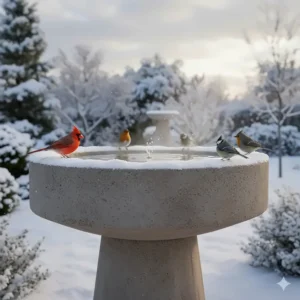
Winter transforms your big bird bath into a critical survival resource. Natural water sources freeze solid, making your heated bath potentially lifesaving for overwintering birds. Birds actually bathe more frequently in winter to maintain feather integrity for optimal insulation. Invest in a submersible heater designed for shallow water—most operate efficiently at 1-3 inch depths.
Spring and fall present moderate maintenance needs. These transition seasons see increased bird activity from migration patterns. Thoroughly clean your bath before seasonal shifts to prevent disease transmission between resident and migrating populations. Replace worn components before extreme weather arrives.
Preventing Common Problems
Mosquito breeding represents the primary health concern with standing water. These pests complete their life cycle in 7-10 days, so weekly water changes interrupt reproduction. For added protection, use mosquito dunks containing Bacillus thuringiensis israelensis (Bti)—this bacterial agent kills mosquito larvae while remaining completely safe for birds, pets, and wildlife.
Algae growth, while unsightly, generally poses minimal health risks. However, thick algae mats create slippery surfaces birds avoid. Prevent excessive growth through regular cleaning and strategic placement. Partial shade reduces algae proliferation while still attracting birds. Some gardeners add small amounts of apple cider vinegar to water—one tablespoon per gallon inhibits algae without harming birds.
Mineral deposits from hard water gradually accumulate, creating rough, unappealing surfaces. Combat this buildup with monthly vinegar soaks. Fill the basin with undiluted white vinegar and let sit for 30 minutes before scrubbing. This treatment dissolves mineral crusts without damaging bath materials. Rinse exhaustively to eliminate all vinegar traces before refilling.
Installation Guide for Different Types
Ground-Level vs Pedestal Installation
Ground-level spacious bird bath installations offer unique advantages for wildlife diversity. They accommodate species that prefer natural water sources—thrushes, towhees, and ground-feeding birds that rarely visit elevated baths. Installation simply requires selecting level ground, clearing vegetation in a 4-foot diameter circle, and setting your basin on stable surface.
For enhanced stability, excavate 2-3 inches deep and fill with compacted sand or fine gravel before placing the basin. This creates a firm, level foundation that won’t shift during use. Ground placement also serves non-avian wildlife—chipmunks, squirrels, and beneficial insects all utilize these accessible water sources.
Pedestal installations provide predator protection and easier human monitoring. Most multi bird bath pedestals feature hollow bases for weight customization. Fill these voids with sand, gravel, or small rocks to prevent tipping. Position pedestals on level ground for optimal stability—even slight slopes can cause gradual shifting over time.
Securing Your Investment Against Weather
Wind poses the primary threat to large bird bath stability. Strong gusts can topple even substantial installations, potentially injuring birds or damaging the bath itself. Several strategies enhance wind resistance beyond simply adding weight to bases.
For staked models, drive stakes completely into undisturbed soil. Partially driven stakes loosen gradually through seasonal freeze-thaw cycles. Consider driving stakes at slight inward angles—this creates compression forces that resist uplift better than purely vertical installations. In sandy or loose soils, excavate wider holes and backfill with compacted clay.
Ground anchors provide maximum security for valuable or exposed installations. These screw-in anchors typically rated for 50+ pound loads attach via cable or chain to bath bases. They’re particularly valuable in coastal areas prone to tropical storms or regions experiencing frequent severe thunderstorms.
Creating Multiple Water Stations
Strategic placement of several large bird baths transforms your yard into a true wildlife sanctuary. Spread stations throughout different habitat zones—sunny open areas, partially shaded garden edges, and forested sections. This distribution allows territorial species to maintain separate spaces while maximizing overall bird diversity.
Consider complementary heights and styles. Combine a ground-level basin with a 30-inch pedestal model. This pairing accommodates the broadest species range while reducing competition. Different species naturally gravitate toward preferred heights, creating peaceful coexistence rather than territorial disputes.
Water feature diversity enhances attraction power. Pair your large bird bath with a small bubbling fountain or dripping water source. Birds detect moving water from remarkable distances—the sound alone draws them in. This layered approach creates redundancy ensuring birds always find adequate water even during maintenance of individual stations.
Attracting More Birds to Your Large Bird Bath
Landscaping for Maximum Bird Appeal
Strategic plantings around your extra large bird bath dramatically increase its attractiveness and usage. Birds approach water sources cautiously, preferring locations with nearby escape cover. Plant native shrubs 10-15 feet away—far enough to prevent surprise predator attacks but close enough for quick retreat.
Berry-producing shrubs serve dual purposes. They provide food sources that initially attract birds to your yard, and their dense branching creates perfect observation posts. Birds typically land in nearby branches first, surveying for threats before committing to water. Native options like serviceberry, elderberry, and vibrant holly work beautifully.
Add perching stations at various heights. Dead branches or decorative stakes 12-18 inches from the bath provide convenient drying perches. Wet-feathered birds need these spots for post-bath preening and wing-drying. They’ll linger longer near your bath when comfortable perching options exist.
Water Features That Create Irresistible Appeal
Birds possess remarkable hearing that detects trickling water from hundreds of feet away. Transform your big bird bath from passive basin to active magnet by adding movement. The simplest solution involves a drip irrigation emitter positioned above the water surface. Adjust flow to create gentle drips—even 1-2 drips per second produces measurable attraction increases.
Battery-powered fountain pumps offer more dramatic effects without electrical requirements. Small solar-powered models work brilliantly in sunny locations, creating gentle bubbling or spray patterns. These moving water features benefit you too—circulating water stays cleaner longer and requires less frequent complete changes.
Misters create stunning visual effects while serving practical purposes. Fine mist sprays replicate natural conditions following rain showers—many bird species instinctively bathe during rain. Battery-operated misters on timers provide scheduled spraying, establishing routine patterns birds quickly learn and anticipate.
Establishing Reliable Routines
Birds are creatures of habit, establishing daily patterns around reliable resources. Maintain consistent water levels and cleanliness schedules. When birds learn your bath provides dependable, clean water, they integrate it into daily routines. Morning and evening prove peak usage times—most species drink and bathe before roosting and shortly after dawn.
Consider seasonal adjustments to maximize appeal. Summer demands more frequent refilling and shade considerations. Winter requires heated options to prevent freezing. Spring migration brings transient species seeking rest stops—your maintained bath becomes a beacon for weary travelers.
Document which species visit and when. This observation helps you understand usage patterns and adjust offerings accordingly. Photograph visitors and log them in bird identification apps. Many birdwatchers report that consistent water sources attract greater diversity than even premium food offerings.

Large Bird Bath vs Standard Options
Capacity Comparison Analysis
The difference between a standard 8-10 inch diameter bird bath and a spacious bird bath measuring 15-20 inches isn’t merely numerical—it’s transformational. Standard baths typically hold 0.5-1 gallon of water, requiring near-daily refills in warm weather. Your commercial grade bird bath with 15+ inch diameter holds 2-3 gallons, extending refill intervals by days rather than hours.
Capacity impacts bird behavior significantly. Standard baths force sequential bathing—one bird at a time, creating territorial disputes and limiting overall usage. Multiple birds can simultaneously access a large bird bath, each finding adequate space for their preferred bathing style. This peaceful coexistence means more total bird-hours of enjoyment for you to observe.
| Feature | Standard Bath | Large Bird Bath |
|---|---|---|
| Typical Diameter | 8-10 inches | 15-20 inches |
| Water Capacity | 0.5-1 gallon | 2-3+ gallons |
| Simultaneous Bathers | 1-2 birds | 3-5+ birds |
| Refill Frequency (Summer) | Daily | Every 2-3 days |
| Species Accommodation | Limited to small birds | All sizes welcome |
Cost-Benefit Analysis
Initial investment differences between standard and large bird baths typically range from $20-40. Standard pedestal baths cost $30-50, while quality large bird baths run $50-90. However, long-term value calculations favor the larger option considerably.
Durability justifies the premium. Manufacturers construct large bird baths using heavier-gauge materials—thicker metal, denser polyresin, reinforced plastics. These premium materials withstand years of weather exposure and heavy use without deterioration. Standard lightweight options frequently crack, fade, or corrode within 1-2 seasons.
Consider maintenance time savings. Larger water volumes resist algae growth longer due to better temperature stability and dilution effects. You’ll spend less total time cleaning and refilling over a season. Water quality remains higher between cleanings, providing healthier conditions for visiting birds.
Environmental and Wildlife Impact
Your choice affects local ecosystems beyond individual bird visits. A multi bird bath supports greater biodiversity, accommodating species that might otherwise avoid your yard. Research shows that properties with adequate water sources host 40-60% more bird species than those relying solely on feeders.
Large capacity means less human intervention required during critical periods. During migration peaks or extreme weather, your bath provides reliable resources when natural sources fail. This consistency can genuinely impact local population health, particularly for struggling species facing habitat loss elsewhere.
Water conservation enters the equation too, surprisingly. While larger baths hold more water initially, their reduced evaporation rates and extended replacement intervals actually conserve water over time. Strategic placement in partial shade further reduces evaporation, maximizing both bird benefit and resource efficiency.
Special Features Worth Considering
Heated Options for Year-Round Use
Winter transforms bird bath considerations entirely. When natural water sources freeze solid, your heated large bird bath becomes a literal lifesaver for overwintering populations. Birds require liquid water for drinking and critically for bathing—clean, well-maintained feathers provide essential insulation against cold temperatures.
Heated bird baths operate via two primary mechanisms: fully integrated heating systems or add-on submersible heaters. Integrated models feature built-in heating elements within the basin itself, activated by thermostats that engage when temperatures approach freezing. These offer convenience but limit repair options if heating elements fail.
Submersible heaters provide flexibility and repairability. These devices sit directly in water, maintaining temperatures just above freezing point—usually 40-50°F. Most draw 50-150 watts, costing roughly $10-20 monthly to operate through winter. Look for models specifically designed for shallow water applications; many pond heaters require greater depths than typical bird baths provide.
Integrated Fountain and Filtration Systems
Advanced large bird bath designs incorporate recirculating pump systems that transform static basins into dynamic water features. These systems typically include small submersible pumps (50-200 gallons per hour flow rates) creating gentle fountains or bubble effects. The movement prevents mosquito breeding while attracting birds through visual and auditory appeal.
Solar-powered options eliminate electrical wiring requirements, though they require direct sunlight for optimal operation. Battery backup systems provide continuity during cloudy periods. Most solar bird bath fountains feature multiple spray pattern heads—change between gentle bubbler, vertical spray, or mushroom distribution based on bird preferences.
Filtration rarely comes standard in bird baths but can be retrofitted. Small sponge filters designed for aquariums work surprisingly well, removing debris and organic matter that fuel algae growth. Combined with circulation, filtration extends time between necessary complete water changes from weekly to bi-weekly or longer.
Decorative Elements That Enhance Functionality
Sculptural additions serve dual purposes in premium large bird bath designs. Perched bird figures or naturalistic branch elements provide landing platforms and visual interest. Choose designs where decorative elements create functional perching spots rather than merely occupying valuable basin space.
Integrated plant shelves around basin perimeters create living accents while serving practical purposes. Small trailing plants or moss pockets provide natural camouflage, making the bath feel safer to cautious species. These plantings also stabilize water temperatures through shade creation, reducing evaporation and algae growth.
Color choices impact bird attraction more than many realize. Birds possess excellent color vision, particularly in the blue-green spectrum. Lighter basin colors help birds judge water depth more accurately—crucial for species with poor depth perception. However, darker colors absorb heat beneficially during cooler weather while potentially overheating in summer sun.
Troubleshooting Common Issues
When Birds Aren’t Using Your Bath
You’ve installed a beautiful extra large bird bath, maintained it meticulously, yet birds ignore it completely. This frustrating scenario has specific, addressable causes. First, consider discovery time—birds may simply not have found your new water source yet. Allow 2-3 weeks before concluding placement or design issues exist.
Location often proves problematic. Birds avoid exposed areas where predators might lurk. If your bath sits in completely open space without nearby cover, birds feel vulnerable. Conversely, placement directly beneath heavy tree cover creates constant debris accumulation and obscures the bath from birds’ scanning sightlines. The sweet spot combines visibility with nearby escape routes.
Water depth deserves scrutiny. Perfectly smooth, deep basins intimidate birds lacking confidence in judging water depth. Add textured elements—flat rocks, glass marbles, or rough slate pieces—creating visible depth cues and varied bathing zones. A simple branch leaned against one side creates a ramp for tentative bathers.
Dealing with Aggressive Species
Some bird species, particularly starlings, grackles, and house sparrows, dominate water sources aggressively. These “bath bullies” can monopolize your large bird bath, deterring smaller, more desirable species. Several strategies mitigate this territorial behavior without excluding any species entirely.
Multiple water stations scattered throughout your property divide aggressive birds’ attention. They cannot guard multiple locations simultaneously, allowing smaller species access to secondary baths. Vary heights and styles—aggressive species often prefer specific types, allowing others peaceful alternatives.
Timing creates opportunities. Aggressive species follow predictable patterns, often bathing during specific hours. Observe their schedules, then adjust your birdwatching times to coincide with less competitive periods. Many desirable songbirds prefer early morning or dusk hours when bullies are less active.
Physical bath modifications can level playing field. Deeper sides make aggressive posturing more difficult—bullies rely on stable footing for territorial displays. Slightly deeper water (approaching 2.5 inches centrally) discourages prolonged occupancy while remaining safe for all species. Moving water features also reduce territorial behavior by making the bath feel less defensible.
Addressing Structural Problems
Cracking, tipping, or coating deterioration requires prompt attention to prevent complete failure. Small cracks in concrete or resin baths can be repaired using waterproof epoxy formulated for outdoor use. Clean and dry the affected area thoroughly, apply epoxy according to manufacturer directions, and allow full curing before refilling.
Tipping incidents signal stability issues requiring base modification. For pedestal models, increase base weight by filling hollow sections with sand or gravel. If weight addition isn’t possible, secure the bath using ground anchors or stakes. In extreme cases, excavate several inches below the base and create a concrete footing for permanent installations.
Coating deterioration on metal multi bird bath options appears as rust spots or peeling finish. Address this immediately—once rust establishes footholds, it spreads rapidly. Sand affected areas to bare metal using fine-grit sandpaper, apply rust-converting primer, then touch up with exterior metal paint. Regular inspection prevents minor issues from becoming major failures.
Frequently Asked Questions
❓ How often should I clean my large bird bath?
❓ What's the ideal depth for a large bird bath?
❓ Can I leave my large bird bath outside during winter?
❓ How do I prevent mosquitoes in my large bird bath?
❓ What's better for attracting birds: ground-level or pedestal bird baths?
Conclusion: Making Your Large Bird Bath Investment
Choosing the right large bird bath transforms your backyard from ordinary landscape into dynamic wildlife sanctuary. Whether you select the spacious 20-inch VIVOHOME for maximum capacity, the durable MNRYLKB metal construction, or budget-friendly KHayRovies option, you’re investing in years of natural entertainment and ecological support.
Remember that success extends beyond purchase—proper placement, consistent maintenance, and strategic landscaping multiply your bath’s effectiveness exponentially. Start with one quality large bird bath, establish maintenance routines, then consider adding complementary water features as your confidence and bird populations grow.
The joy of watching multiple species peacefully sharing your extra large bird bath, the satisfaction of providing critical resources during extreme weather, and the ecosystem benefits rippling through your local environment make this investment profoundly rewarding. Your backyard birds are waiting for the splash zone they deserve.
Recommended for You
- 7 Best Copper Bird Bath Options 2026
- 7 Best Solar Heated Bird Baths to Keep Birds Thriving 2026
- 7 Best House Finch Bird Feeders That Actually Work (2026)
Disclaimer: This article contains affiliate links. If you purchase products through these links, we may earn a small commission at no additional cost to you.
✨ Found this helpful? Share it with your friends! 💬🤗
