
In This Article
You might think a perch is just a perch, but your feathered friend’s feet tell a completely different story. I’ve watched countless bird owners struggle with bumblefoot issues simply because they never realized their smooth dowel perches were silently harming their pets. The truth is, natural wood perches for birds aren’t just accessories—they’re essential health equipment that can prevent serious foot problems and keep your bird comfortable for years to come.
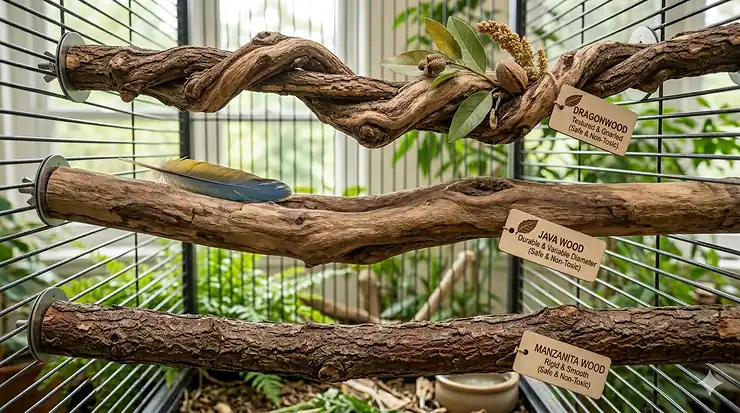
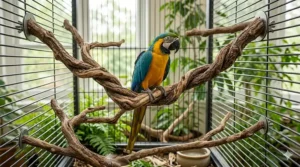
Unlike uniform plastic or dowel perches that create constant pressure points, natural wood perches feature varying diameters that encourage healthy foot exercise and circulation. Think about it: in the wild, birds don’t perch on perfectly cylindrical branches all day. They navigate twisted, gnarled limbs with different textures and widths, constantly shifting their grip and exercising their feet. That’s exactly what bird perches natural wood replicate in captivity.
The stakes are higher than you might realize. Pododermatitis (commonly called bumblefoot) affects countless captive birds, starting as small pressure sores that can escalate into severe infections requiring surgical intervention. But here’s the good news: choosing the right wooden perches for bird cage setups can prevent these problems entirely. Whether you’re caring for parakeets, cockatiels, conures, or larger parrots, natural branch perches provide the varied terrain their feet desperately need.
In this comprehensive guide, I’ll walk you through the seven best natural wood perches for birds available in 2026, explain what makes each one special, and help you choose the perfect options for your specific bird species. We’ll cover everything from budget-friendly multi-packs to premium manzanita branches, ensuring comfortable perching and optimal foot health birds deserve.
Quick Comparison Table
| Product | Material | Size Range | Best For | Price Range | Rating |
|---|---|---|---|---|---|
| My Manzanita 32″ Perch | Ultra-hard Manzanita | 32″ length | Medium-large parrots | $25-$35 | ⭐⭐⭐⭐⭐ |
| A&E Cage Co. Java Wood Large | Coffee tree wood | 26″ x 2.4″ | Macaws, Amazons | $18-$28 | ⭐⭐⭐⭐½ |
| CZWESTC 8PCS Core Set | Mixed natural wood | 5.9″ platforms | Small-medium birds | $12-$18 | ⭐⭐⭐⭐½ |
| Manzanita Multi-Branch 12″ | Oregon Manzanita | 11-12″ length | Cockatiels, Conures | $15-$22 | ⭐⭐⭐⭐ |
| CZWESTC Grapewood Variety | Grapewood & Prickly Ash | Multiple sizes | Budgies, Parakeets | $14-$20 | ⭐⭐⭐⭐ |
| A&E Java Wood Small 2-Pack | Coffee tree wood | 16″ x 1.2″ | Small parrots | $16-$24 | ⭐⭐⭐⭐ |
| Apple Wood 9PCS Set | Natural apple wood | 5.9″ varied | Cockatiels, Lovebirds | $13-$19 | ⭐⭐⭐⭐ |
💬 Just one click – help others make better buying decisions too!😊
Top 7 Natural Wood Perches for Birds: Expert Analysis
1. My Manzanita 32″ Natural Manzanita Bird Perch – Premium Choice for Durability
When it comes to wood perch for parrots that can withstand even the most aggressive chewers, My Manzanita 32″ Natural Manzanita Bird Perch stands in a class of its own. Handcrafted from ultra-hard manzanita hardwood harvested in California, this perch offers the perfect combination of durability and natural variation that promotes exceptional foot health birds need.
Key Specifications:
- 32 inches in length with naturally varying diameters
- Sandblasted texture for enhanced grip
- Includes heavy-duty stainless steel bolt, washers, and wingnut
- Chemical-free, naturally cured hardwood
What sets this perch apart is its organically twisted branch structure with gentle diameter variations and natural bumps that encourage constant micro-movements. Your bird won’t just sit—they’ll walk, climb, and shift their weight naturally, supporting healthier feet, improved circulation, and stronger leg muscles. The sandblasted surface provides excellent grip while remaining gentle on delicate foot pads.
Customer feedback consistently praises the exceptional durability. One macaw owner reported their bird has been using the same perch for over two years with minimal wear, despite daily chewing sessions. The natural diameter variation helps prevent the pressure sores that plague birds stuck on uniform dowel perches.
✅ Pros:
- Ultra-durable hardwood outlasts most alternatives
- Natural curves promote authentic perching behavior
- One-of-a-kind branch character (no two identical)
❌ Cons:
- Higher price point than multi-pack options
- May be too long for smaller cages
Price Range: $25-$35 | Best For: Conures, Quakers, Ringnecks, small Amazons, and medium parrots who need long-lasting perches
2. A&E Cage Co. Java Wood Multi Branch Perch (Large) – Best for Large Parrots
The A&E Cage Co. Java Wood Multi Branch Perch in large size represents one of the most environmentally conscious choices available. Crafted from retired coffee trees that would otherwise be discarded, this sustainable option delivers natural diameter variation while supporting eco-friendly forestry practices.
Key Specifications:
- 26 inches long with 2.4-inch average diameter
- Multi-branch configuration for versatile positioning
- Metal wing nut and bolt attachment system
- Environmentally friendly coffee tree wood
Java wood is naturally dense and durable, making it ideal for larger parrots who love to chew. The multi-branch design means you’re getting multiple perching surfaces from a single installation, perfect for creating varied climbing opportunities within the cage. Because these branches come from non-fruit bearing coffee trees, they require no additional deforestation.
Customers appreciate the natural gnarled appearance and sturdy construction. Several owners of African Greys and Amazons mentioned their birds immediately preferred these natural branch perches over their previous synthetic options. The varying diameter helps exercise feet throughout the day, reducing the risk of bumblefoot.
✅ Pros:
- Sustainable harvesting from retired coffee trees
- Multi-branch configuration maximizes cage space
- Excellent durability for aggressive chewers
❌ Cons:
- Some units arrive smaller than advertised length
- Natural variations mean branch shapes differ significantly
Price Range: $18-$28 | Best For: Macaws, large Amazons, African Greys, and other large parrots requiring substantial perches
3. CZWESTC 8PCS Natural Wood Bird Perches (Core Set) – Best Value Multi-Pack
For bird owners seeking comprehensive variety without breaking the bank, the CZWESTC 8PCS Natural Wood Bird Perches Core Set delivers exceptional value. This thoughtfully curated collection includes three hanging multi-branch perches, three wooden perch stands, and two natural round platforms—everything needed to create a stimulating environment.
Key Specifications:
- Eight pieces total with varied shapes and functions
- 5.9-inch wooden perch stands, 2.8-inch platforms
- Chemical-free natural wood with intact bark
- Tool-free installation with built-in bolts and wing nuts
The diversity in this set is its greatest strength. Your bird gets straight perches for steady standing, multi-branch options for climbing adventures, and flat platforms for comfortable resting. The natural bark surface provides secure grip while satisfying chewing instincts and promoting healthy beak conditioning. Each piece features textured surfaces that gently aid natural nail wear during daily use.
Customer reviews highlight the easy installation process—no screwdrivers needed, just hand-tighten the wing nuts. Multiple small-bird owners reported their budgies and cockatiels became noticeably more active after introducing this variety. The natural diameter variation means different pressure points with every step, exactly what promotes comfortable perching and prevents foot problems.
✅ Pros:
- Exceptional variety in single package
- Budget-friendly price per piece
- Quick tool-free setup
❌ Cons:
- Smaller sizing better suited for small-medium birds
- Natural wood means each set varies slightly
Price Range: $12-$18 | Best For: Budgies, cockatiels, conures, lovebirds, parakeets, and canaries needing diverse perching options
4. Manzanita Multi-Branch Bird Perch (11-12″) – Best Mid-Size Natural Branch
The Manzanita Multi-Branch Bird Perch at 11-12 inches offers the perfect middle ground between compact and spacious. Sustainably grown in Southern Oregon and oven-cured for safety, this perch brings authentic forest vibes to medium-sized bird cages without overwhelming limited space.
Key Specifications:
- 11-12 inches in length
- Diameter ranges from 5/8 inch to 1/8 inch
- Oven-cured, chemical-free manzanita
- Includes cage mounting hardware
Each multi-branch configuration provides different diameter branches, creating the natural foot exercise your bird’s health depends on. The smooth hardwood surface is free from sap and toxins, while the varied branch sizes ensure your bird’s toes grip at different angles throughout the day. This constant variation maintains healthy feet and prevents the pressure point buildup that leads to pododermatitis.
Owners of cockatiels and small conures particularly appreciate this size—large enough to serve as a primary perch but compact enough for standard cages. The natural imperfections that come with real manzanita branches (minor checks, bark variations) are normal and don’t affect function or safety. One customer noted their bird immediately claimed this as their favorite sleeping spot.
✅ Pros:
- Perfect sizing for mid-range cages
- Multi-branch design maximizes functionality
- Durable manzanita withstands moderate chewing
❌ Cons:
- Bark may peel over time (normal for natural wood)
- Each piece unique, so exact appearance varies
Price Range: $15-$22 | Best For: Cockatiels, small conures, lovebirds, and ringnecks needing mid-sized natural perches
5. CZWESTC 8PCS Natural Grape Wood Bird Perch Set – Best for Small Bird Enrichment
Grape wood has earned a devoted following among bird enthusiasts, and the CZWESTC 8PCS Natural Grape Wood Bird Perch Set showcases exactly why. This comprehensive collection combines forked grapevine branches, straight perches, prickly ash sticks, and platforms to create dynamic climbing zones that small birds absolutely love.
Key Specifications:
- Eight diverse pieces: 2 forked branches (9.8″), 1 straight perch (9.8″), 2 prickly ash sticks (7.9″), 1 rectangular platform (6″x3″), 2 round bases (2.4″)
- 100% untreated grapewood and prickly ash
- Built-in bolts and wing nuts for tool-free installation
- Zero chemicals, dyes, or preservatives
Grapewood’s unique grain pattern and natural bark texture provide exceptional grip while being soft enough that it won’t splinter—crucial for smaller birds with delicate feet. The forked branches create authentic tree-like climbing opportunities, while the prickly ash sticks offer a different texture for variety. The platforms give tired feet a flat resting surface, which veterinarians recommend for preventing bumblefoot.
Small bird owners rave about how active their pets become with this setup. The variety keeps birds mentally stimulated while the different diameters ensure healthy foot exercise. Each piece installs in seconds, allowing you to customize cage layouts as needed. The natural materials are safe for extensive chewing, which many small parrots do enthusiastically.
✅ Pros:
- Exceptional variety promotes natural behaviors
- Grapewood won’t splinter like harder woods
- Quick-install design simplifies cage setup
❌ Cons:
- Grapewood softer than manzanita, wears faster
- Best suited for small-medium birds only
Price Range: $14-$20 | Best For: Parakeets, budgies, finches, canaries, and small cockatiels who benefit from softer wood options
6. A&E Cage Company 2 Pack Java Wood Multi Branch Perch (Small) – Best Budget-Friendly Pair
Sometimes you don’t need an eight-piece set—you just need two excellent perches that won’t fail you. The A&E Cage Company 2 Pack Java Wood Multi Branch Perch in small size delivers exactly that: reliable, sustainable, natural wood perches at a price point that makes sense for budget-conscious bird owners.
Key Specifications:
- Two perches, each 16 inches long with 1.2-inch average diameter
- Environmentally friendly java wood from coffee trees
- Multi-branch design with natural diameter variation
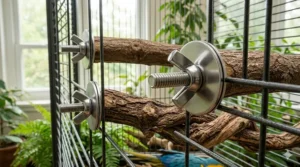
- Standard metal attachment hardware included
These smaller java wood perches work beautifully for birds who don’t require massive diameters. The multi-branch configuration means each 16-inch perch offers multiple gripping surfaces and angles. Java wood’s natural density provides good durability while the varied diameters exercise your bird’s feet properly—exactly what prevents pressure sores and maintains circulation.
Customer feedback frequently mentions getting more than expected for the price. The natural gnarled branches look authentic and organic inside cages, far superior to plastic alternatives. One parakeet owner mentioned rotating these with other perch types to keep their bird’s environment fresh and stimulating. The natural variations mean your bird encounters different gripping challenges throughout the day.
✅ Pros:
- Affordable two-pack pricing
- Sustainable coffee tree wood sourcing
- Multi-branch design adds functional value
❌ Cons:
- Smaller sizing limits use to small-medium birds
- Branch shapes vary (natural characteristic)
Price Range: $16-$24 | Best For: Parakeets, budgies, small cockatiels, lovebirds, and finches on a budget
7. 9 PCS Natural Wood Bird Perch (Apple Wood) – Best Variety for Cockatiels
Rounding out our top picks, the 9 PCS Natural Wood Bird Perch made from apple wood offers a unique material choice that many bird owners overlook. This generous nine-piece set includes bird perch stands, multi-branch options, and round platforms—all crafted from safe, chemical-free apple wood that provides excellent grip and satisfying chewing texture.
Key Specifications:
- Nine total pieces: 3 perch stands (5.9″), 3 multi-branch perches, 3 round platforms (2.75″ diameter)
- Natural apple wood with bark intact
- Metal built-in bolts and wing nuts for easy attachment
- Safe for chewing and beak conditioning
Apple wood sits between soft grapewood and ultra-hard manzanita in the durability spectrum, making it ideal for medium chewers. The natural bark surface conforms to your bird’s natural habitat preferences while providing excellent traction. The 5.9-inch perch length and 2.75-inch platform diameter create perfect sizing for cockatiels, conures, and lovebirds.
Owners particularly appreciate how this set addresses every perching need: straight stands for stable positioning, multi-branch options for climbing fun, and flat platforms for comfortable resting. The variety prevents boredom while ensuring different foot positions throughout the day. Several customers noted their birds’ feet appeared healthier within weeks of switching from dowel perches to this natural wood collection.
✅ Pros:
- Nine diverse pieces offer maximum variety
- Apple wood texture satisfies chewing instincts
- Perfect sizing for medium-small parrots
❌ Cons:
- May wear faster than harder woods with aggressive chewers
- Natural variations in each piece’s exact shape
Price Range: $13-$19 | Best For: Cockatiels, lovebirds, small conures, and parrotlets seeking variety at great value
✨ Don’t Miss These Exclusive Deals!
🔍 Take your bird’s habitat to the next level with these carefully selected products. Click on any highlighted item above to check current pricing and availability. These natural perches will help you create authentic comfort your feathered friends deserve!
Understanding Natural Diameter Variation: The Secret to Healthy Bird Feet
Here’s something most bird owners don’t realize until it’s too late: uniform perches are slowly damaging your bird’s feet. Every time your parrot stands on that smooth dowel perch, they’re gripping at exactly the same angle, applying pressure to precisely the same points on their foot pads. Hour after hour, day after day, this constant pressure creates invisible damage that eventually manifests as bumblefoot.
Natural diameter variation changes everything. When you install wooden perches for bird cage setups with varying thicknesses—say, ranging from 3/4 inch to 2 inches—your bird’s feet encounter different gripping challenges with every step. Sometimes their toes curl tightly around a narrow section. Other times they spread wide across a thicker area. This constant variation exercises different muscles, stimulates blood flow, and prevents pressure point buildup.
Think of it like wearing the same tight shoes every single day versus rotating between different footwear. Your feet stay healthier with variety, and the same principle applies to our feathered companions. According to research on bumblefoot prevention, natural branch perches with irregular surfaces and varying diameters significantly reduce pododermatitis incidence compared to uniform synthetic alternatives.
The magic happens in the micro-adjustments. As your bird walks across a natural branch, their tendons, muscles, and joints constantly adapt to the changing terrain. This exercise maintains flexibility, builds strength, and ensures proper circulation—three critical factors for long-term foot health. The textured bark surface also provides natural nail filing, reducing the need for frequent trims.
Most avian veterinarians recommend offering perches with diameter variations of at least 30-50% within your bird’s comfortable range. For a cockatiel, that might mean mixing 1/2-inch branches with 1-inch sections. For a macaw, you’d want 1.5-inch areas alongside 2.5-inch sections. This variety mimics the natural environment where wild birds navigate branches of countless sizes throughout their day.
The Science Behind Bird Perches Natural Wood vs. Synthetic Alternatives
Not all perch materials are created equal, and understanding why can save your bird from serious health problems. Natural wood perches for birds offer distinct advantages that synthetic materials simply cannot replicate, backed by veterinary research and decades of avian care experience.
Material Properties That Matter
Wood is a naturally compressible material. When your bird lands on a wooden perch, the fibers compress slightly, distributing pressure more evenly across the foot pad. Contrast this with hard plastic or metal perches that offer zero compression—every ounce of your bird’s weight transfers directly to their feet with no cushioning effect. This constant hard surface contact accelerates pressure sore development.
The natural texture of bark and wood grain provides superior grip without requiring excessive force. VCA Animal Hospitals notes that smooth surfaces force birds to grip tighter constantly, leading to muscle fatigue and circulatory problems. Natural wood’s irregular surface allows relaxed gripping while preventing slips, reducing foot strain significantly.
Temperature Regulation Benefits
Wood maintains a moderate temperature regardless of ambient conditions. Metal perches become uncomfortably cold in winter and dangerously hot under direct sunlight. Plastic can develop hot spots near cage lights. Natural wood stays comfortable year-round, preventing thermal stress on delicate foot tissue. This consistent temperature helps maintain proper blood flow to the extremities.
Behavioral Enrichment Value
Birds are natural chewers, and appropriate chewing opportunities are essential for psychological well-being. Natural wood perches serve double duty as chew toys, satisfying destructive urges that might otherwise target cage bars or furniture. The varying textures and hardnesses of different wood types (soft grapewood, medium apple wood, hard manzanita) provide sensory stimulation that enriches daily life.
Synthetic perches offer none of these chewing benefits. Worse, some birds who develop inappropriate chewing on plastic perches may ingest fragments, leading to potential blockages or toxicity issues. Natural wood chips are typically safer if ingested in small amounts during normal chewing behavior.
Long-Term Health Outcomes
Multiple studies on avian pododermatitis consistently show that environments featuring natural wood perches have significantly lower bumblefoot rates. The combination of diameter variation, natural texture, slight compressibility, and appropriate temperature creates optimal conditions for foot health birds need throughout their lives.
How to Choose the Right Wood Perch for Parrots: Species-Specific Guide
Small Birds (Budgies, Canaries, Finches)
Your tiny companions need perches ranging from 3/8 inch to 5/8 inch in diameter. The CZWESTC Grapewood Variety Set excels here because grapewood’s softer nature won’t harm delicate feet, while the varied diameters provide essential exercise. Small birds often prefer multiple perching options, so eight-piece sets offer better value than single perches.
Look for lighter woods that won’t strain small claws when gripping. Avoid manzanita for budgies—it’s unnecessarily hard for birds who won’t damage softer alternatives. The natural irregularities in grapewood and apple wood create perfect gripping surfaces without overwhelming tiny feet.
Medium Birds (Cockatiels, Conures, Lovebirds)
Medium parrots thrive with 1/2 inch to 1-inch diameter perches. The Apple Wood 9PCS Set and Manzanita Multi-Branch 12″ both hit this sweet spot. Cockatiels particularly appreciate having both soft chewable options (apple wood) and harder durable perches (manzanita) available in their cage.
For this size category, prioritize variety over individual perch durability. Medium birds are active and curious, benefiting from multiple perch types that offer different gripping experiences. Multi-branch configurations work exceptionally well because they create natural climbing opportunities that exercise both feet and wings.
Large Birds (Amazons, African Greys, Small Macaws)
Large parrots need substantial perches ranging from 1 to 2 inches in diameter. The A&E Cage Co. Java Wood Large and My Manzanita 32″ Perch both provide appropriate sizing. Durability becomes crucial at this level—aggressive chewers can destroy soft woods quickly, making harder varieties more economical long-term.
Consider perch length carefully for large birds. They need enough space to move along the perch without feeling cramped. The 26-32 inch options provide room for walking and wing-stretching exercises that maintain overall health. Multiple large perches positioned at different heights encourage climbing behavior that builds leg strength.
Extra-Large Birds (Large Macaws, Cockatoos)
The biggest parrots require 1.5 to 2.5-inch diameter perches capable of supporting substantial weight. Java wood becomes the sweet spot here—durable enough to last but not so hard that it causes foot fatigue. The Java Wood Large from A&E Cage Co. works well, though you might need two or three to provide adequate variety.
For extra-large birds, the perch’s mounting stability matters as much as the wood itself. Ensure hardware is heavy-duty stainless steel capable of supporting vigorous movement. These birds often hang upside down, swing wildly, and generally stress-test every cage component. Natural branch perches with reinforced mounting points prevent dangerous failures.
Installation and Placement Strategies for Optimal Foot Health Birds Need
The Three-Height Rule
Install natural wood perches for birds at three distinct heights: low, middle, and high. The low perch (bottom third of cage) serves as a safe landing zone and sleeping spot. Middle perches facilitate movement and exercise. High perches satisfy your bird’s natural instinct to roost at elevation, providing psychological security.
Never place perches directly above food or water dishes—droppings contaminate feeding areas and create hygiene issues. Instead, offset perches so birds must move horizontally to access different cage zones. This arrangement encourages physical activity throughout the day rather than sedentary behavior.
Diagonal vs. Horizontal Positioning
Most bird owners install perches perfectly horizontal, but diagonal placement offers surprising benefits. A slight diagonal (15-20 degrees) creates natural climbing challenges and varies the gripping angle along the perch length. Your bird experiences different foot positions just by walking from one end to the other.
Combining horizontal and diagonal perches maximizes variety. Install your bird’s favorite sleeping perch horizontally for stable overnight roosting, but add diagonal branches for daytime activity. This mixed approach exercises feet comprehensively while maintaining comfortable resting options.
Creating Natural Climbing Networks
Think beyond individual perches to create interconnected climbing networks. Position natural branch perches so birds can hop between them, creating three-dimensional movement patterns. This encourages natural behaviors observed in wild populations—hopping, climbing, and navigating complex branch systems.
Leave adequate space between perches for wing movement. Birds need to fully extend wings when hopping between perches without hitting cage bars. Generally, space perches at least one and a half times your bird’s wingspan apart. This promotes exercise while preventing wing damage from confined hopping.
The Variety Rotation System
Even with multiple perches installed, consider rotating options every few months. Keep six to eight perches total but only install four to five at once. Every 8-12 weeks, swap out two perches for different ones from your collection. This simple rotation maintains novelty, encourages exploration, and ensures all perches receive equal wear.
Mark each perch with the installation date using masking tape on the metal hardware. This tracking system helps identify when individual perches need deep cleaning or replacement. Natural wood perches typically last 6-12 months with regular maintenance, depending on your bird’s chewing intensity.
Wooden Perches for Bird Cage Maintenance: Cleaning and Safety
Weekly Cleaning Protocol
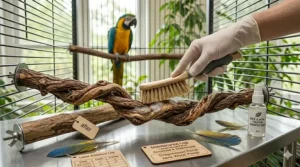
Natural wood perches accumulate bacteria, droppings, and food residue faster than synthetic alternatives. Establish a weekly cleaning routine to maintain hygiene. Remove perches from the cage and scrub with a bird-safe cleaning solution (diluted white vinegar works excellently—1 part vinegar to 3 parts water).
Use a stiff brush to clean bark crevices where bacteria hide. Don’t soak perches—excessive moisture can cause warping or mold growth. Instead, spray the cleaning solution, scrub thoroughly, then wipe with a damp cloth. Air-dry completely before reinstalling, ideally in direct sunlight which provides natural disinfection.
Deep Cleaning Monthly
Once monthly, perform a deeper clean using bird-safe enzymatic cleaners specifically designed for porous materials like wood. These products break down organic matter that regular scrubbing misses. Alternatively, bake perches at 200°F (93°C) for 20-30 minutes to kill bacteria and parasites—let them cool completely before returning to the cage.
Some bird owners prefer the dishwasher method for smaller perches. Place perches on the top rack and run a hot cycle without detergent. The high heat sanitizes effectively, though it may accelerate wear on softer woods. Reserve this method for durable woods like manzanita or java wood.
Recognizing When to Replace
Natural wood perches don’t last forever. Replace perches showing these warning signs: excessive splintering that creates sharp points, deep cracks extending more than 1/4 inch, significant bark loss exposing smooth wood underneath, or mold growth that won’t clean off. Generally, soft woods need replacement every 3-6 months, while hard woods last 12-18 months.
Pay attention to your bird’s behavior. If they suddenly avoid a previously favored perch, inspect it carefully. Birds instinctively recognize structural instability—their refusal might indicate developing cracks invisible to your eyes. Trust their judgment and replace questionable perches promptly.
Safety Inspection Checklist
Before installing any natural wood perches for birds, conduct this safety check:
✓ No sharp edges or splinters that could cut feet
✓ Bark firmly attached (loose bark creates choking hazards)
✓ No signs of insect infestation (tiny holes, sawdust)
✓ Hardware securely attached and rust-free
✓ Diameter appropriate for your bird’s species
✓ No paint, stain, or chemical treatments
✓ Branch structure solid with no deep cracks
The Ultimate Guide to Comfortable Perching: Creating the Perfect Setup
Understanding Foot Anatomy
Bird feet are remarkable engineering. Tendons run from leg muscles down through the foot, automatically curling toes around perches when birds squat. This locking mechanism allows sleeping birds to remain perched without conscious effort. However, this same system creates vulnerability to pressure damage when perches lack proper diameter variation.
The plantar surface (bottom of foot) contains specialized pads that distribute weight. On natural branch perches with varying widths, these pads engage differently throughout the day. Narrow sections concentrate pressure on smaller areas but allow deeper toe curling. Wider sections spread weight across more surface area with shallower gripping angles. Both positions are healthy when alternated.
The Platform Perch Advantage
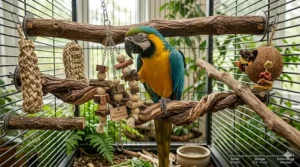
Flat platform perches deserve more attention than they typically receive. While natural branch perches are essential, platforms provide critical relief by allowing birds to stand with feet completely flat—a position impossible on cylindrical perches. This flat-footed stance redistributes pressure and gives gripping muscles a genuine rest.
Install at least one platform perch in every cage, particularly for birds showing early bumblefoot signs. The CZWESTC sets include platforms specifically for this purpose. Position platforms at middle height where birds naturally spend daytime hours. Many birds will adopt platforms as preferred eating perches because the stable surface makes manipulating food easier.
Multi-Texture Strategy
Combine different wood types to create a multi-texture environment. Start with one ultra-durable perch (manzanita) that stays permanently installed as a reliable sleeping spot. Add medium-soft woods (apple, grapewood) that satisfy chewing urges and provide different textures. This combination ensures your bird always has both stable infrastructure and engaging enrichment.
The bark texture itself provides significant benefits. Rough bark stimulates foot pads and encourages natural nail filing. Smoother hardwoods offer different sensations that birds seem to appreciate for resting. Peeled areas where bark has been chewed away create yet another texture. This natural variety keeps feet healthy and minds engaged.
Specialized Perch Types
Beyond basic natural wood perches for birds, consider specialized options for specific needs:
Y-shaped branches create natural forks that encourage climbing and provide multiple gripping angles from a single installation. Birds love navigating fork areas, hopping from one branch to another.
Horizontal platforms with vertical branches combine flat resting surfaces with climbing opportunities. These compound perches maximize functionality in limited cage space.
Rope-wrapped perches add softness beneficial for birds recovering from foot injuries or elderly birds with arthritis. While not purely natural wood, they complement natural perches nicely.
Pedicure perches with embedded pumice provide nail-filing benefits but should represent only 10-15% of total perches—overuse can cause excessive wear.
Health Benefits: How Natural Branch Perches Prevent Bumblefoot
Understanding Pododermatitis
Bumblefoot (pododermatitis) represents one of the most common yet preventable conditions affecting captive birds. It begins innocently—slight redness on foot pads, barely noticeable. Left unchecked, it progresses through seven increasingly severe stages, potentially ending in bone infection, permanent disability, or death.
The International Veterinary Information Service documents that inappropriate perching surfaces rank among the primary causes. Hard, smooth, uniform perches create constant pressure points that restrict blood flow to affected areas. Over time, this pressure causes tissue damage, creating entry points for bacterial infection.
The Pressure Distribution Advantage
Natural wood perches combat bumblefoot through superior pressure distribution. The irregular surface of bark-covered branches spreads your bird’s weight across multiple contact points rather than concentrating it in a few predictable spots. Each time your bird shifts position, the pressure points change, preventing the sustained compression that initiates pododermatitis.
The slight compressibility of wood fibers creates a cushioning effect absent in rigid materials. When your bird lands on a wooden perch, microscopic compression occurs, absorbing impact and reducing peak pressure. This cushioning becomes particularly important for heavier birds whose substantial weight amplifies pressure-related problems.
Circulation Enhancement
Healthy blood circulation in bird feet requires regular muscle contractions and position changes. Natural diameter variation forces these movements automatically. As your bird navigates a branch that tapers from 1 inch to 1.5 inches, their foot muscles continuously adjust, contracting and relaxing in patterns that pump blood through foot tissues.
Poor circulation contributes significantly to bumblefoot development. Restricted blood flow compromises tissue health, reduces healing capacity, and creates vulnerability to infection. The natural exercise provided by varied-diameter perches maintains circulation, keeping tissues healthy and resilient.
Early Detection Benefits
Natural wood perches make early bumblefoot detection easier. The rough bark surface shows blood stains or discharge more visibly than smooth synthetic perches. This early warning allows intervention before conditions progress. Additionally, birds exhibiting early-stage bumblefoot often shift perch preferences—if your bird suddenly avoids their favorite perch, inspect their feet immediately.
Grade 1 bumblefoot (earliest stage) responds well to simple interventions: perch changes, vitamin E application, and environmental improvements. Catching it this early prevents the surgical interventions required for advanced stages. Regular foot inspections during perch cleaning sessions become part of preventive care.
Natural Wood Types Compared: Manzanita vs. Java Wood vs. Grapewood
Manzanita: The Ultra-Durable Champion
Manzanita ranks among the hardest woods naturally available, rivaling oak in density. This extreme hardness makes it virtually indestructible even for aggressive chewers like macaws and cockatoos. A quality manzanita perch can last 2-3 years with heavy use—exceptional longevity that justifies the higher initial cost.
The natural reddish-brown color and smooth grain pattern create visually appealing perches. Manzanita’s organic twists and curves look authentically forest-gathered, enhancing cage aesthetics. The hardwood surface naturally polishes from use, creating a smooth yet secure gripping surface that birds seem to prefer for sleeping.
However, manzanita’s hardness has drawbacks. It provides minimal chewing satisfaction—birds can gnaw for hours with little visible impact. For birds who need destructible materials for psychological enrichment, combine manzanita with softer woods. The durability makes manzanita ideal for primary structural perches that remain permanently installed.
Java Wood: The Sustainable Middle Ground
Harvested from retired coffee trees, java wood offers excellent environmental credentials. These trees would be removed and discarded anyway to make room for new plantings, making java wood perch harvesting completely sustainable. The wood’s medium density provides good durability while still allowing satisfying chewing for medium-large birds.
Java wood’s natural gnarled appearance creates authentic branch aesthetics. The varied diameter and multi-branch growth patterns common in coffee trees translate to functionally superior perches. You’re more likely to find natural forks and interesting curves in java wood than in cultivated hardwoods.
The medium hardness wears at a moderate rate—expect 8-15 months of use depending on chewing intensity. This longevity balances cost-effectiveness with the benefits of periodic replacement. Fresh perches maintain cleaner surfaces and provide renewed chewing interest.
Grapewood: The Soft Chewing Favorite
Grapewood represents the softer end of natural perch materials, making it ideal for small birds and enthusiastic chewers. The wood’s open grain structure and medium hardness provide excellent chewing satisfaction. Birds can make visible progress shredding grapewood, which seems to provide psychological fulfillment.
The twisted, gnarled character of grapevines creates naturally interesting perch shapes. Grapewood branches often feature dramatic curves and multi-directional growth that other woods can’t match. These organic shapes stimulate exploration and climbing behaviors.
Expect 3-6 months lifespan from grapewood perches with active chewers. This shorter duration isn’t a weakness—it’s a feature. Regular replacement with fresh grapewood perches provides ongoing enrichment and ensures consistently clean perching surfaces. Budget-conscious owners can gather grapewood branches themselves (pesticide-free sources only).
Wood Selection Matrix
Choose wood hardness based on your bird’s needs:
Small birds (budgies, finches, canaries): Grapewood or apple wood—soft enough for tiny beaks
Medium birds (cockatiels, conures, lovebirds): Apple wood, grapewood, or medium-density branches
Large birds (Amazons, African Greys): Java wood or manzanita—durability matters
Extra-large birds (macaws, large cockatoos): Manzanita or java wood exclusively—anything softer disappears quickly
Mix wood types in every cage regardless of bird size. Even macaws appreciate softer wood for chewing enrichment, while budgies benefit from one or two harder perches that maintain shape long-term.
Budget-Friendly Tips for Buying Natural Wood Perches for Birds
When to Choose Multi-Packs
Multi-pack perch sets like the CZWESTC 8PCS collections offer the best value when you need comprehensive variety. Calculate the per-perch cost—typically $1.50-$2.50 per piece in quality multi-packs versus $15-$25 for individual premium perches. If you have multiple cages or want to create rich environments, multi-packs make financial sense.
However, don’t buy multi-packs containing perches too small for your bird. A set designed for budgies won’t serve an Amazon parrot, regardless of price per piece. Match the set’s size specifications to your bird’s needs first, then evaluate value.
Seasonal Shopping Strategies
Natural wood perch prices fluctuate seasonally. Online retailers often discount bird supplies during spring (when fewer people think about indoor pet needs) and late summer. Bookmark your preferred products and set price alerts. Patient shoppers can save 20-30% by waiting for sales.
Consider buying ahead during sales. Natural wood perches have indefinite shelf life when stored properly (dry, room temperature). Purchase during discount periods and rotate perches into use as needed. This strategy works particularly well for frequently-replaced soft woods like grapewood.
Quality vs. Economy Comparison
Premium perches like the My Manzanita 32″ at $25-$35 seem expensive compared to budget multi-packs at $12-$18. However, calculate cost-per-month of use. A manzanita perch lasting 24 months costs approximately $1.25/month. A budget grapewood perch lasting 4 months costs $3/month. Suddenly the “expensive” option delivers better value.
Balance your perch collection between long-lasting premium options and economical chewing-friendly alternatives. Install 2-3 durable perches as permanent fixtures, then supplement with budget-friendly soft woods for enrichment. This mixed approach optimizes both cost and bird welfare.
DIY Alternatives (Proceed with Caution)
Some bird owners harvest natural branches themselves, creating truly free perches. This works if you follow strict safety protocols:
✓ Identify wood species positively—some are toxic
✓ Harvest only from pesticide-free areas
✓ Scrub thoroughly with bird-safe cleaner
✓ Bake at 200°F for 30 minutes to kill parasites/bacteria
✓ Remove all loose bark that might create choking hazards
✓ Inspect for insect infestation before installation
Safe woods include apple, birch, elm, ash, and willow. Avoid cherry, cedar, redwood, and any wood you cannot identify with certainty. The risk of toxic wood exposure makes DIY harvesting questionable unless you possess expert knowledge.
Frequently Asked Questions
❓ How often should I replace natural wood perches for birds?
❓ Can natural branch perches really prevent bumblefoot in parrots?
❓ What diameter should wood perch for parrots be for my bird species?
❓ Are manzanita perches safe for all bird species?
❓ How do I clean natural wood perches without damaging them?
Conclusion: Choosing the Right Natural Wood Perches for Birds
Your bird’s feet deserve better than uniform dowel perches that slowly damage their health. After reviewing the seven best options available in 2026, the evidence is clear: natural wood perches for birds aren’t optional accessories—they’re essential health equipment that prevents painful conditions and promotes natural behaviors.
For budget-conscious owners seeking maximum variety, the CZWESTC 8PCS Natural Wood Bird Perches delivers exceptional value at $12-$18. You’ll get eight diverse pieces that transform any cage into an enriching environment. Small bird owners particularly benefit from the grapewood variety set, while medium birds thrive with the core perch collection.
If durability and longevity matter most, the My Manzanita 32″ Natural Manzanita Bird Perch justifies its $25-$35 price through years of reliable service. Large parrot owners will appreciate never replacing this perch, while the natural curves provide authentic climbing experiences. The java wood options from A&E Cage Co. offer excellent middle-ground choices combining sustainability with proven durability.
Remember that no single perch type serves all needs. The healthiest cage environments combine multiple wood types at varied diameters and textures. Install 2-3 long-lasting structural perches (manzanita or java wood) as permanent fixtures, then supplement with softer options (grapewood, apple wood) that satisfy chewing instincts and provide ongoing enrichment.
Pay attention to your specific bird’s preferences and needs. Some parrots favor sleeping on flat platforms, while others prefer high cylindrical branches. Young, active birds benefit from challenging multi-branch configurations, while elderly or disabled birds appreciate stable, easy-to-grip straight perches. Observation reveals individual preferences that guide your selections.
The foot health birds maintain throughout life depends significantly on the perching surfaces you provide today. Bumblefoot treatment requires extensive veterinary intervention costing hundreds or thousands of dollars. Prevention through proper natural wood perches for birds costs a fraction of that amount while eliminating suffering entirely.
Take action this week. Evaluate your current perch setup honestly. If you’re still using uniform dowel perches, replace them immediately with natural alternatives. Your bird’s feet will thank you through years of comfortable, healthy perching. The products highlighted in this guide represent tested, proven options that consistently deliver results.
Natural branch perches reconnect captive birds with their evolutionary heritage. In the wild, no parrot perches on perfectly smooth cylinders—they navigate complex branch networks with infinite variation. Bring that natural experience into your bird’s cage through thoughtful perch selection. You’ll notice increased activity, healthier feet, and more natural behaviors emerging as your bird rediscovers comfortable perching.
Recommended for You
- 7 Best Large Bird Toys 2026: Ultimate Enrichment Guide
- 7 Best Macaw Toys for Destructive Chewers 2026 | Indestructible
- 7 Best African Grey Toys in 2026: Intelligence-Tested Picks
Disclaimer: This article contains affiliate links. If you purchase products through these links, we may earn a small commission at no additional cost to you.
✨ Found this helpful? Share it with your friends! 💬🤗
