
In This Article
Have you ever wondered why some backyards are buzzing with brilliant red cardinals while others rarely see them? The secret isn’t just about the seed you offer—it’s about choosing the right bird feeder for cardinals that matches their unique feeding behavior.
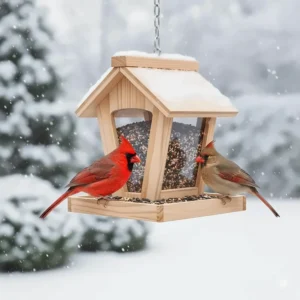
Northern Cardinals are ground feeders by nature, preferring sturdy perches where they can crack open sunflower seeds with their powerful beaks. Unlike finches that cling to mesh or hummingbirds that hover, cardinals need stable platforms and generous perching space. I’ve spent countless mornings watching these magnificent birds visit my feeders, and I can tell you this: the wrong feeder will send them straight to your neighbor’s yard.
The best bird feeder for cardinals combines three essential elements—wide perches, weather protection, and easy access to their favorite foods. Whether you’re looking for a budget-friendly option or a premium squirrel-proof design, this guide covers everything you need to know about cardinal bird feeders in 2025. From hopper designs to platform trays, we’ll explore which cardinal feeders actually work and why some models consistently outperform others. Ready to transform your backyard into a cardinal paradise? Let’s dive in.
Quick Comparison Table: Top Cardinal Feeders at a Glance
| Bird Feeder Model | Type | Capacity | Key Feature | Price Range | Best For |
|---|---|---|---|---|---|
| Brome Squirrel Buster Plus | Tube | 5.1 lbs | Cardinal Ring System | $70-$90 | Squirrel protection |
| Nature’s Way Cedar Platform | Platform | 2 qts | 12″x12″ open tray | $25-$35 | Ground feeders |
| Perky-Pet Red Cardinal | Mesh | 2.5 lbs | All-metal construction | $20-$30 | Budget-friendly |
| Woodpecker Family Amish | Hopper | 3 lbs | Handcrafted cardinal shape | $60-$80 | Decorative appeal |
| iBorn Metal Feeder | Tube | 2.2 lbs | 18cm weatherproof roof | $30-$45 | Weather protection |
| Kingsyard Mesh Feeder | Dual-use | 2.5 lbs | Weatherproof dome | $25-$40 | Versatility |
| SWEETFULL Solar Feeder | Lantern | 2 lbs | Solar garden light | $35-$50 | Night visibility |
💬 Just one click – help others make better buying decisions too!😊
Top 7 Bird Feeder for Cardinals: Expert Analysis & Reviews
1. Brome Squirrel Buster Plus with Cardinal Ring – Premium Squirrel-Proof Champion
When it comes to premium cardinal feeders, the Brome Squirrel Buster Plus stands in a league of its own. This isn’t just another tube feeder—it’s an engineering marvel designed specifically with cardinals in mind. The included Cardinal Ring provides the wide, stable perching surface that these birds absolutely love, accommodating their preference for facing their food directly while eating.
What makes this feeder exceptional is its weight-activated mechanism. When squirrels attempt to raid the feeder, their weight automatically closes the shroud over the feeding ports—no batteries, no complicated setup. The 5.1-pound seed capacity means fewer refills, and the patented Seed Ventilation System keeps sunflower seeds fresh by allowing hot, humid air to escape while fresh air circulates.
The construction quality is outstanding—all components exposed to squirrels are made from chew-proof RoxResin, and the feeder can be dismantled by hand for easy cleaning. Customer feedback consistently praises this model for attracting cardinals within hours of installation.
Specifications: 5.1 lb capacity, 6 feeding ports, 28″ height, lifetime warranty
Price Range: $70-$90
✅ Pros:
- Cardinal Ring designed specifically for these birds
- Truly squirrel-proof with lifetime warranty
- Adjustable weight settings for selective feeding
❌ Cons:
- Higher price point than basic models
- Heavy when full (requires sturdy hanging setup)
2. Nature’s Way Cedar Platform Tray Bird Feeder – Ground Feeder’s Paradise
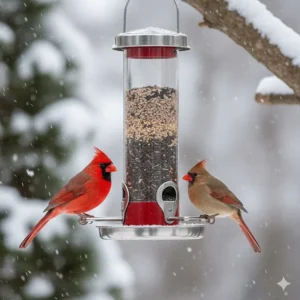
Cardinals are natural ground feeders, and the Nature’s Way Cedar Platform (CWF3) perfectly mimics their preferred feeding environment. This 12″ x 12″ open tray design provides ample space for multiple cardinals to feed simultaneously—something you won’t get with narrow tube feeders.
Constructed from naturally rot-resistant premium cedar with stainless steel hardware, this feeder looks great in any backyard setting. The perforated seed tray allows water drainage and air circulation, keeping seeds fresh and dry even after heavy rain. I’ve found that cardinals visit platform feeders more readily than enclosed designs because they can see the food from a distance and approach without feeling confined.
The open design attracts not just cardinals but also blue jays, woodpeckers, and grosbeaks. Customers report that this feeder becomes a social hub for birds, with cardinals often returning throughout the day. Easy to clean and refill, it’s a workhorse that delivers consistent results year after year.
Specifications: 2-quart capacity, 12″x12″ platform, cedar construction
Price Range: $25-$35
✅ Pros:
- Perfect for cardinals’ ground-feeding preference
- Accommodates large birds comfortably
- Accepts wide variety of seed types
❌ Cons:
- No squirrel protection
- Seeds more exposed to weather than covered feeders
3. Perky-Pet Red Cardinal Wild Bird Feeder – Budget-Friendly Excellence
Don’t let the affordable price fool you—the Perky-Pet Red Cardinal (C00322) punches well above its weight class. This all-metal mesh feeder features a vibrant red finish that cardinals find visually appealing, combined with a circular seed tray that creates an all-around dining area for up to 15 birds at once.
The mesh design serves dual purposes: it provides excellent drainage (preventing seed from getting soggy), and it offers multiple perching points for clinging and perching birds alike. The zinc-plated finish resists rust, while the collapsible design allows for space-saving storage during off-seasons. With a 2.5-pound capacity, it’s perfectly sized for residential backyards without being overwhelming.
Customer reviews highlight how quickly this feeder attracts cardinals, with many reporting sightings within the first day of installation. The large overhang provides shelter and shade during feeding, which cardinals appreciate during harsh weather.
Specifications: 2.5 lb capacity, all-metal mesh, collapsible design
Price Range: $20-$30
✅ Pros:
- Excellent value for money
- Attractive red color catches cardinals’ attention
- Easy to clean with mesh design
❌ Cons:
- Limited squirrel resistance
- Smaller capacity requires frequent refilling
4. The Woodpecker Family Amish Handcrafted Bird Feeder – Artisan Quality Meets Function
If you want your cardinal feeder to be both functional and a stunning garden centerpiece, the Woodpecker Family Amish handcrafted feeder delivers on both fronts. Shaped like a cardinal itself, this hopper-style feeder is lovingly handcrafted from solid wood by Amish woodworkers in Pennsylvania.
Built for year-round outdoor exposure, it features quality wood construction, aluminum hardware, and exterior-grade paints that won’t fade or chip. The large hopper filters seed into an angled tray for easy access, while the mesh screen allows birds to cling and feed from multiple positions. The cardinal tail extends to provide additional balance—a thoughtful detail that shows this feeder was designed by people who truly understand bird behavior.
Customers appreciate that this feeder attracts not only cardinals but becomes a focal point for photography and backyard birdwatching. The hinging lid makes refilling effortless, and the substantial construction means this is a feeder you’ll pass down to the next generation.
Specifications: 3 lb capacity, solid wood construction, hopper style
Price Range: $60-$80
✅ Pros:
- Exceptional craftsmanship and durability
- Cardinal-shaped design is conversation starter
- Proven to attract cardinals consistently
❌ Cons:
- Premium pricing
- Requires regular wood maintenance
5. iBorn Metal Bird Feeders for Outdoors – Superior Weather Protection
The iBorn Metal Feeder stands out with its 18cm extra-large roof—30% larger than standard feeders—providing exceptional weather protection for both seeds and feeding birds. This matters tremendously during winter months when cardinals need reliable food sources but prefer to stay dry.
With a 2.2-pound capacity and precision-engineered seed ports that control flow, this feeder minimizes waste while ensuring seeds remain accessible. The reinforced polycarbonate tube resists cracking even in freezing temperatures, and the heavy-duty metal roof and tray prevent tipping in strong winds. Cardinals appreciate the stability, as these birds dislike feeders that sway excessively.
The flip-top design allows five-second refills with one hand—a feature you’ll appreciate during cold winter mornings. The fixed stainless steel hanger locks in place, eliminating the swinging that can scare birds away. Customer feedback emphasizes the durability and the fact that this feeder attracts cardinals reliably across all seasons.
Specifications: 2.2 lb capacity, 18cm roof, reinforced polycarbonate tube
Price Range: $30-$45
✅ Pros:
- Exceptional weather protection
- Quick and easy refilling
- Stable design cardinals prefer
❌ Cons:
- No squirrel-proofing features
- Moderate seed capacity
6. Kingsyard Dual-Use Metal Mesh Wild Bird Feeder – Maximum Versatility
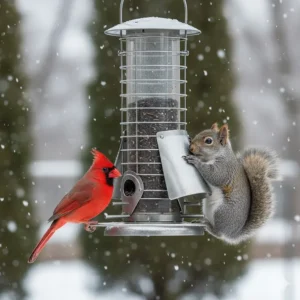
The Kingsyard Metal Mesh Feeder offers exceptional versatility with its dual-use design featuring a weatherproof dome. This feeder accommodates mixed seed blends including millet, sunflower seeds, and even thistle nyjer—making it attractive to cardinals, finches, chickadees, and nuthatches simultaneously.
The metal mesh construction provides excellent drainage and allows birds to perch from any angle. The 2.5-pound capacity strikes a balance between frequent refills and manageable weight when hanging. What sets this feeder apart is its adaptability—you can use it with or without the dome depending on your needs and local wildlife pressure.
Customers note that the weatherproof design keeps seeds fresher longer, and the all-metal construction stands up to persistent squirrels better than plastic alternatives. Cardinals particularly appreciate the multiple perching options and the ability to see seeds through the mesh before committing to land.
Specifications: 2.5 lb capacity, metal mesh, weatherproof dome included
Price Range: $25-$40
✅ Pros:
- Versatile dual-use design
- Durable all-metal construction
- Attracts multiple species including cardinals
❌ Cons:
- Mesh openings may allow smaller seeds to fall through
- Requires strategic placement for squirrel management
7. SWEETFULL Solar Bird Feeder with Garden Lantern – Day & Night Appeal
The SWEETFULL Solar Bird Feeder represents innovation in bird feeder design by combining feeding functionality with solar-powered lighting. During the day, it serves as a reliable 2-pound capacity feeder with hollow-cut metal design that allows easy monitoring of seed levels. After sunset, it transforms into an ambient garden lantern.
The sturdy metal construction with anti-rust coating ensures longevity, while the top cap design makes refilling straightforward. The roof prevents water from entering, and reserved holes at the bottom allow quick water drainage. Cardinals can shelter from rain under this feeder, making it particularly appealing during inclement weather.
While the capacity is modest compared to dedicated cardinal feeders, customers love the dual functionality and the ability to enjoy their backyard bird activity from dawn until dusk. The hollow-out design creates interesting light patterns at night while still providing effective shelter for feeding birds during the day.
Specifications: 2 lb capacity, solar-powered light, metal construction
Price Range: $35-$50
✅ Pros:
- Unique dual function as feeder and lantern
- Solar-powered—no batteries needed
- Decorative addition to any garden
❌ Cons:
- Smaller capacity than dedicated feeders
- Light feature may not appeal to all users
✨ Don’t Miss These Exclusive Deals!
🔍 Take your backyard birdwatching to the next level with these carefully selected products. Click on any highlighted item to check current pricing and availability. These cardinal bird feeders will help you create authentic wildlife experiences your family will love!
What Makes a Great Bird Feeder for Cardinals? Essential Features
Not all cardinal feeders are created equal. After years of observation and testing, I’ve identified the critical features that separate exceptional feeders from disappointing ones.
Perch Size and Stability Matter Most
Cardinals have relatively large bodies (8-9 inches long) and big feet, which means they need perches that accommodate their size. Thin perches designed for finches won’t work—cardinals need at least 1/4 inch diameter perches, preferably textured for secure grip. The cardinal ring on premium feeders provides 360-degree perching, allowing multiple birds to feed simultaneously without competition.
Feed Port Positioning and Visibility
Unlike woodpeckers that cling vertically, cardinals prefer to face their food directly. Feeders with side-mounted ports at perch level perform significantly better than those requiring birds to reach up or down. The ports should be large enough for cardinals to insert their thick beaks and crack seeds comfortably.
Weather Protection Extends Feeding Time
Cardinals feed throughout the day but especially during early morning and late afternoon. Feeders with substantial roofs or canopies allow them to feed comfortably during rain or snow, extending your viewing opportunities and keeping seeds dry. According to Cornell Lab of Ornithology research, dry seed is crucial for preventing mold that can sicken birds.
Material Durability for Year-Round Use
Choose feeders constructed from weather-resistant materials—either UV-stabilized plastic, powder-coated metal, or naturally rot-resistant cedar. Cardinals don’t migrate, so your feeder will see action 365 days a year. Cheap materials crack in winter, fade in summer, and ultimately cost more when replacements become necessary.
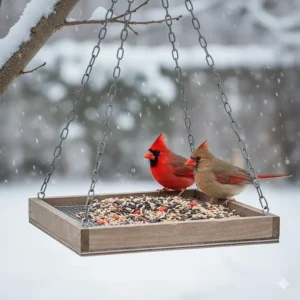
Best Bird Feed for Cardinals: What to Fill Your Feeder With
Choosing the right cardinal feeder is only half the equation—filling it with their preferred food completes the package.
Black Oil Sunflower Seeds: The Gold Standard
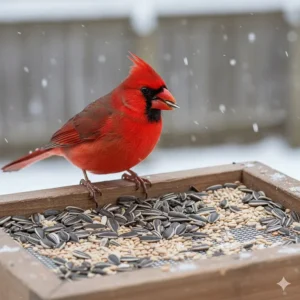
Black oil sunflower seeds are the undisputed favorite of Northern Cardinals. These seeds have thinner shells than striped sunflower seeds, making them easier for cardinals to crack. They’re also packed with calories and fat—essential for maintaining energy during cold weather. According to National Audubon Society research, cardinals readily come to feeders offering sunflower seeds throughout the year.
Safflower Seeds: The Squirrel Solution
If squirrels plague your feeding station, safflower seeds offer an elegant solution. Cardinals love them, but squirrels generally avoid them due to their bitter taste. Safflower provides nearly the same nutritional value as sunflower seeds while significantly reducing unwanted visitors.
Mixed Seed Blends with Cardinal Appeal
Quality mixed blends containing sunflower seeds, safflower, cracked corn, and white millet attract cardinals alongside other songbirds. Avoid cheap blends heavy with milo and wheat—birds typically reject these fillers, creating mess and waste underneath feeders.
Seasonal Feeding Considerations
During breeding season (March-August), cardinals need extra protein for raising young. Supplement seeds with suet cakes or mealworms to support their increased nutritional demands. In winter, high-fat foods like sunflower hearts and peanut pieces help them maintain body temperature through frigid nights.
Cardinal Feeder Placement: Location Strategy That Works
Even the best bird feeder for cardinals won’t attract birds if it’s poorly positioned. Strategic placement makes all the difference.
The Edge Habitat Principle
Cardinals naturally prefer edge habitats—the transition zones between open areas and dense cover. According to Wikipedia’s Northern Cardinal article, these birds thrive in woodlands, gardens, shrublands, and wetlands with mixed vegetation. Place your feeder 10-15 feet from shrubs or trees, giving cardinals a safe retreat from predators while maintaining clear visibility.
Height Matters: The 5-7 Foot Sweet Spot
Unlike goldfinches that prefer elevated feeders, cardinals are comfortable at lower heights. Position your cardinal feeder 5-7 feet off the ground—high enough to deter cats but low enough that cardinals can easily spot it from nearby branches. Platform feeders can even be placed on elevated stands at ground level.
Multiple Feeding Stations Reduce Competition
Dominant male cardinals aggressively defend feeding territories during breeding season. If you want to attract multiple pairs, establish 2-3 feeding stations at least 20 feet apart. This reduces conflicts and allows subordinate birds to feed peacefully.
Visibility from Your Viewing Area
Place feeders where you’ll actually enjoy watching them! Near windows (but not too close—maintain 3 feet distance to prevent window strikes), on decks, or in sight lines from your favorite chair. Cardinals are stunning birds, and positioning feeders for optimal viewing enhances your birdwatching experience tremendously.
Squirrel-Proof Solutions for Cardinal Feeders
Squirrels can empty a cardinal feeder in hours, but several strategies keep these persistent raiders at bay without harming them.
Weight-Activated Mechanisms Work Best
Premium feeders like the Brome Squirrel Buster Plus use weight-activated perches that close feeding ports when squirrels climb aboard. These systems work flawlessly because they’re mechanical—no batteries to die, no complicated electronics to fail. The adjustable spring mechanism allows you to fine-tune sensitivity, excluding even large birds like grackles if desired.
Baffles and Barriers Provide Physical Protection
Pole-mounted feeders benefit enormously from squirrel baffles—dome-shaped barriers that prevent climbing. Position the baffle at least 4-5 feet off the ground and ensure the feeder sits 10 feet from trees or jumping platforms. Squirrels can leap surprising distances, so respect the “5-7-9 rule”: 5 feet high, 7 feet from launching points, 9 feet from above.
Cage-Style Protection for Platform Feeders
Wire cages surrounding platform feeders allow cardinals access while excluding larger squirrels. Choose cages with 2-inch spacing—cardinals can easily pass through, but most squirrels cannot. This solution works particularly well for ground-level or low-mounted feeders.
The Peaceful Coexistence Approach
Some birders prefer feeding squirrels separately rather than battling them constantly. Establish a dedicated squirrel feeding station 20+ feet from bird feeders, stocked with inexpensive cracked corn or peanuts. Many squirrels will opt for the easy meal, leaving your cardinal feeders relatively undisturbed.
Seasonal Cardinal Feeding: Year-Round Attraction Tips
Cardinals don’t migrate, offering year-round viewing opportunities if you adapt your feeding strategy to seasonal needs.
Spring: Supporting Breeding Energy Demands
From March through May, cardinal pairs establish territories and begin nesting. Increase protein offerings with suet cakes and mealworms—females need extra nutrition for egg production, and both parents require energy for frequent feeding trips to the nest. Keep feeders consistently stocked, as cardinals remember reliable food sources and return repeatedly.
Summer: Maintaining Clean, Fresh Stations
Hot, humid weather creates ideal conditions for seed spoilage and mold growth. Clean feeders weekly during summer, removing old seeds and sanitizing with diluted vinegar solution. Cardinals feeding nestlings will visit feeders heavily, so monitor seed levels and refill frequently. Consider offering nyjer seeds and sunflower hearts which resist spoilage better than whole seeds.
Fall: Building Fat Reserves for Winter
September through November is critical for cardinals building fat reserves before winter. Increase high-fat foods like black oil sunflower seeds and suet. Cardinals also appreciate natural food sources—plant native berry-producing shrubs like dogwood, sumac, and hackberry to supplement feeder offerings.
Winter: The Most Important Feeding Season
Cardinals struggle to find natural food during winter, making feeders literally life-saving resources. According to Birds and Blooms expert advice, cardinals need lots of food to maintain body temperature through cold nights. Stock feeders with maximum-calorie foods and ensure they remain accessible even during heavy snowfall.
How to Choose the Right Bird Feeder for Cardinals: Buying Guide
With dozens of cardinal feeders available, making the right choice requires understanding your specific situation and priorities.
Step 1: Assess Your Squirrel Situation
Be honest about local squirrel populations. If squirrels dominate your area, invest in proven squirrel-proof designs immediately—cheaper feeders will frustrate you within days. If squirrels are occasional visitors, basic feeders with strategic placement may suffice.
Step 2: Determine Your Budget Range
Budget feeders ($20-$35) work well for testing cardinal interest and learning their preferences. Mid-range options ($35-$60) offer better durability and features. Premium feeders ($60-$90) provide superior protection and longevity—they’re investments that pay off over 5-10 years of use.
Step 3: Consider Feeder Capacity Needs
How often are you willing to refill? Small households might prefer compact feeders requiring attention every few days. Busy families or vacation-prone birders benefit from high-capacity models that maintain seed levels for weeks. Match capacity to your lifestyle, not just price.
Step 4: Match Feeder Style to Your Yard Aesthetics
Platform feeders suit natural, rustic settings. Tube feeders fit modern, minimalist yards. Decorative hoppers complement traditional landscaping. The best bird feeder for cardinals is one you’ll actually use and enjoy seeing daily—aesthetics matter!
Step 5: Evaluate Cleaning and Maintenance Requirements
Feeders that disassemble easily and have dishwasher-safe parts save tremendous time over the years. Metal mesh designs clean faster than complex tube feeders. Cedar naturally resists mold better than plastic. Consider long-term maintenance, not just initial setup.
Step 6: Read Real User Reviews and Expert Recommendations
Look for patterns in customer feedback—occasional complaints happen with any product, but consistent issues signal problems. Expert reviews from organizations like Cornell Lab of Ornithology provide science-backed insights that marketing materials can’t match.
Step 7: Start with One, Expand Based on Results
Begin with a single feeder that matches your assessment from steps 1-6. Observe cardinal behavior for 2-3 weeks. If successful, add complementary feeders (platform + tube, for example) to accommodate more birds and reduce territorial conflicts.
Common Cardinal Feeding Mistakes to Avoid
Even experienced birders make mistakes that reduce cardinal visits. Avoid these common pitfalls.
Using Cheap, Filler-Heavy Seed Mixes
Bargain seed mixes contain mostly milo, wheat, and oats—fillers that cardinals ignore. They’ll pick through for occasional sunflower seeds, scattering waste below the feeder. This creates mess, attracts rodents, and frustrates you. Invest in quality seed blends or pure black oil sunflower seeds—the cost per cardinal visit is actually lower because nothing goes to waste.
Inconsistent Feeding Schedules
Cardinals are creatures of habit. If your feeder sits empty for days, they’ll establish feeding routes elsewhere and may not return even when you refill. Commit to consistent stocking or don’t start at all—sporadic feeding does more harm than good.
Neglecting Feeder Cleanliness
Dirty feeders spread disease among bird populations. Moldy seeds can sicken or kill cardinals. Clean feeders monthly minimum, weekly during hot weather. Use a solution of 1 part white vinegar to 9 parts water, scrub thoroughly, rinse completely, and air dry before refilling.
Placing Feeders Too Close to Windows
Window strikes kill millions of birds annually. While cardinals need to see feeders, placing them within 3 feet of windows creates deadly collision risks. Use the 3-foot minimum rule or position feeders 10+ feet away where birds gain sufficient flight distance to recognize glass barriers.
Ignoring Predator Safety
Cats—both domestic and feral—kill billions of birds yearly. Position feeders where cardinals can spot approaching predators easily. Maintain clear sightlines around feeding areas and ensure nearby shrubs aren’t dense enough for cats to hide and ambush from.
Attracting Cardinals Beyond the Feeder: Habitat Enhancement
The absolute best bird feeder for cardinals complements natural habitat features that make your entire yard irresistible.
Plant Native Berry-Producing Shrubs
Cardinals consume various berries throughout the year. Dogwood, serviceberry, viburnum, and elderberry provide natural food sources while adding beauty to your landscape. According to research, these native plants support not just cardinals but entire ecosystems of birds and beneficial insects.
Create Dense Shrubbery for Nesting
Cardinals nest in dense vegetation 3-10 feet off the ground. Plant evergreens, holly bushes, or climbing vines that provide secure nesting platforms. Once cardinals nest successfully in your yard, they’ll often return to the same territory year after year.
Maintain a Water Source Year-Round
Fresh water for drinking and bathing attracts cardinals as reliably as feeders. A simple birdbath positioned near shrubs (for quick retreat from predators) sees heavy use. In winter, heated birdbaths provide access to liquid water when natural sources freeze—a feature cardinals desperately need.
Reduce Pesticide and Herbicide Use
Cardinals feed nestlings almost exclusively insects during breeding season. Yards treated heavily with pesticides offer limited insect prey, forcing cardinals to travel farther for food or relocate entirely. Natural pest management and organic practices support thriving cardinal populations.
Leave Some “Messy” Areas
Perfectly manicured yards lack the edge habitat cardinals prefer. Leave some areas with fallen leaves, standing dead plants with seed heads, and brush piles. These “messy” zones provide insects, natural seeds, and protective cover that manicured lawns cannot offer.

Understanding Cardinal Behavior at Feeders
Observing cardinal behavior reveals fascinating patterns that enhance your appreciation for these remarkable birds.
Territorial Displays and Aggression
Male cardinals vigorously defend feeding territories during breeding season (March-August). You’ll witness spectacular chases, posturing displays, and occasionally actual combat between rival males. This aggression extends even to their own reflection—male cardinals attacking windows are defending territory against what they perceive as intruders.
Pair Bonding and Feeding Rituals
Cardinal pairs often remain together throughout winter—unusual among North American songbirds. Watch for courtship feeding, where males offer seeds beak-to-beak to females. This behavior strengthens pair bonds and can occur even outside breeding season. It’s one of the most charming sights at any cardinal feeder.
Dawn and Dusk Feeding Peaks
Cardinals typically feed most actively during the first hour after sunrise and the hour before sunset. These crepuscular feeding patterns mean early risers and evening relaxers enjoy the best cardinal watching. Stock feeders in late afternoon to ensure plenty of seed for morning rush.
Seasonal Flock Dynamics
While territorial during breeding, cardinals form loose flocks during fall and winter. A productive cardinal bird feeder might host 6-10 cardinals simultaneously during winter months—a spectacular sight against snowy backgrounds. These flocks maintain pecking orders, with adult males typically dominant.
Troubleshooting: Why Cardinals Aren’t Visiting Your Feeder
If you’ve installed a bird feeder for cardinals but aren’t seeing results, several factors might explain their absence.
Give It Time: Patience Pays Off
New feeders require 2-3 weeks for cardinals to discover and trust them. Birds are naturally cautious around changes in their environment. Continue stocking with quality seed and maintain consistency—cardinals will eventually investigate if they’re present in your area.
Verify Cardinals Actually Inhabit Your Region
Northern Cardinals range across eastern and central United States but are largely absent west of the Rocky Mountains (except Arizona and New Mexico). Check range maps from reliable sources to confirm cardinals live in your area before troubleshooting further.
Evaluate Competition from Natural Food Sources
During berry season or peak insect availability, cardinals may ignore feeders in favor of natural foods. This is normal and healthy—you’re supplementing their diet, not replacing it. Feeder activity increases dramatically during winter when natural foods become scarce.
Assess Predator Pressure
Persistent predators (cats, hawks, or even aggressive crows) can drive cardinals away from otherwise perfect feeding stations. Look for signs of predator activity and adjust feeder placement accordingly. Sometimes moving a feeder just 10-15 feet resolves predator problems.
Check for Better Options Nearby
Cardinals remember reliable food sources and visit them preferentially. If neighbors offer superior feeding stations with fresher seed, better protection, or more appealing placement, cardinals may favor those locations. Improve your offerings to compete effectively.
Cardinal Feeder Maintenance: Keeping Your Station Healthy
Proper maintenance ensures your bird feeder for cardinals remains safe and attractive to birds year-round.
Monthly Deep Cleaning Protocol
Once monthly (more often in summer), completely disassemble your feeder and clean every component. Use a stiff brush and diluted vinegar solution (1:9 ratio) to scrub away seed residue, droppings, and potential mold. Rinse thoroughly with hot water and allow to air dry completely before refilling.
Weekly Quick Maintenance Checks
Each week, perform quick inspections: remove wet or moldy seeds, wipe down perches, check for damage or wear. These 5-minute checks prevent small problems from becoming major issues and keep cardinals safe from contamination.
Seed Rotation and Freshness Management
Seeds don’t last forever—oils go rancid, making them unpalatable or potentially harmful. Store bulk seed in airtight containers in cool, dry locations. Rotate stock regularly and avoid buying more than 2-3 months supply at once. Discard any seeds with musty odors or visible mold.
Seasonal Preparation Tasks
Before winter, inspect feeders for damage that cold weather might worsen. Ensure hanging mechanisms are secure and able to support snow and ice accumulation. In spring, do comprehensive cleaning to remove winter debris and prepare for breeding season activity.
Component Replacement and Upgrades
Even the best cardinal feeders eventually need component replacement. Keep spare perches, seed ports, or hanging mechanisms on hand for quick repairs. Some manufacturers offer lifetime warranties or replacement parts—take advantage of these customer support services.
FAQ: Your Cardinal Feeder Questions Answered
❓ What is the best time of day to watch cardinals at feeders?
❓ Do cardinal feeders need to be red to attract cardinals?
❓ How do I keep starlings and grackles away from my cardinal feeder?
❓ Can cardinals crack sunflower seeds with shells?
❓ How many cardinal bird feeders should I have in my yard?
Conclusion: Choosing Your Perfect Cardinal Feeder
Selecting the best bird feeder for cardinals comes down to understanding these magnificent birds and matching their needs with the right equipment. Whether you choose the premium Brome Squirrel Buster Plus for ultimate squirrel protection, the versatile Nature’s Way Cedar Platform for ground-feeding appeal, or the budget-friendly Perky-Pet Red Cardinal for excellent value, success requires combining quality equipment with strategic placement and consistent maintenance.
Remember that cardinals need three essential elements: stable perches that accommodate their size, protection from weather and predators, and access to their preferred foods—especially black oil sunflower seeds. The feeders I’ve reviewed all deliver these fundamentals, differing primarily in capacity, squirrel resistance, and aesthetic appeal.
Start with one feeder that matches your budget and yard conditions. Stock it with quality seed, position it thoughtfully near edge habitat, and commit to consistent maintenance. Within weeks, you’ll likely witness the breathtaking sight of brilliant red males and warm brown females visiting regularly—a reward that makes every bit of effort worthwhile.
Cardinals don’t migrate, offering year-round viewing opportunities that deepen with each season. The bird feeder for cardinals you choose today becomes a window into their fascinating world—from territorial displays in spring to courtship feeding in summer to spectacular winter flocks against snowy backgrounds. That connection transforms casual bird feeding into genuine wildlife stewardship, enriching your life while supporting these remarkable songbirds.
Ready to welcome cardinals to your backyard? Choose your feeder, fill it with sunflower seeds, and prepare for one of nature’s most rewarding experiences.
Recommended for You
- 7 Best Bird Feeder Seed Catchers: Stop Mess & Save Money 2025
- 7 Best Raccoon Resistant Bird Feeders That Work 2025
- 7 Top-Rated Raccoon Baffle for Bird Feeder in 2025 – Expert Guide
Disclaimer: This article contains affiliate links. If you purchase products through these links, we may earn a small commission at no additional cost to you.
✨ Found this helpful? Share it with your friends! 💬🤗
