
In This Article
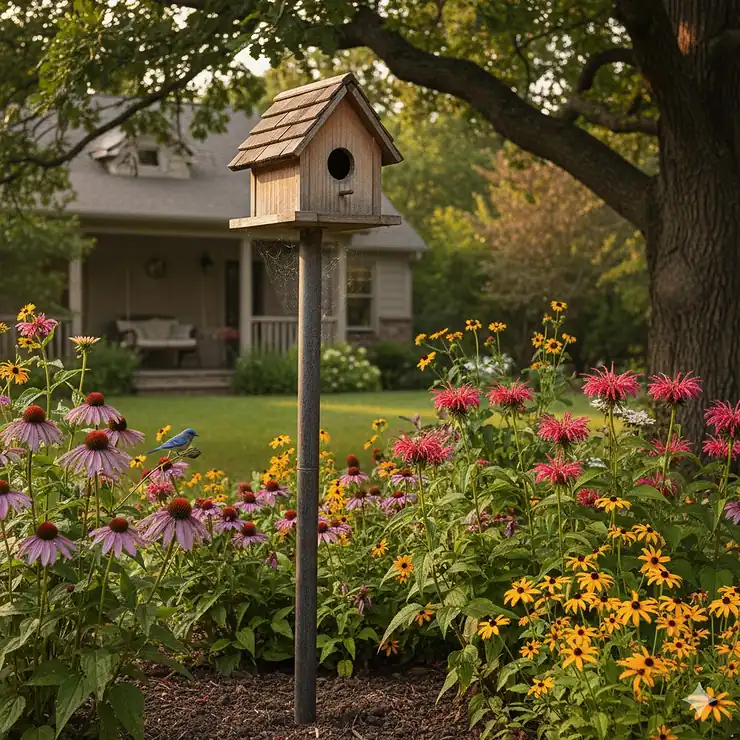
Have you ever wondered why some backyards are teeming with songbirds while yours remains eerily quiet? The secret often lies not in the bird house itself, but in how it’s mounted. A quality bird house pole can be the difference between a barren backyard and a thriving avian sanctuary.
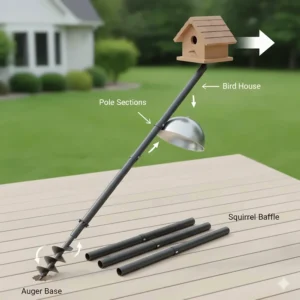
After spending countless mornings watching bluebirds, wrens, and chickadees flit around my yard, I’ve learned that the right mounting system matters just as much as the house itself. Think of it this way—you wouldn’t build a beautiful home on a shaky foundation, and birds won’t nest in a house that wobbles with every breeze or sits within easy reach of neighborhood cats.
The modern bird house pole has evolved far beyond simple metal stakes. Today’s designs incorporate predator-resistant features, adjustable heights, weather-proof materials, and tool-free assembly that makes installation a breeze. Whether you’re a seasoned birder or just starting your backyard habitat journey, choosing the right pole system can dramatically increase your nesting success rates.
According to the Cornell Lab of Ornithology, proper mounting height and predator protection are among the most critical factors for successful bird nesting. A well-designed bird house pole addresses both these concerns while providing stability that lasts season after season.
Quick Comparison Table: Top Bird House Poles at a Glance
| Product | Height | Material | Base Type | Price Range | Best For |
|---|---|---|---|---|---|
| Ottsuls Bird Feeder Pole | 109″ | Heavy-duty metal | 5-prong | $40-60 | Smart feeders & tall installations |
| JCs Wildlife Universal Mounting | 55″ | Powder-coated steel | Auger-style | $35-50 | Traditional houses & stability |
| Garbuildman 105″ Kit | 105″ | Lacquered steel | Extended 5-prong | $45-65 | Maximum height flexibility |
| ERYTLLY Adjustable Mount | 80″ | Weather-proof metal | 5-prong | $30-45 | Budget-conscious buyers |
| VIVOHOME Multi-Hook | 106″ | Carbon steel | 5-prong | $50-70 | Multiple feeders & decorations |
| Gtongoko Smart Feeder Pole | 79″ | Anti-rust coated metal | 5-prong | $35-50 | Modern smart feeders |
| Onlyfly Slip-Fit Station | 74.5″ | 1″ dia heavy-duty metal | Reinforced 5-prong | $40-55 | Enhanced stability needs |
💬 Just one click – help others make better buying decisions too!😊
Top 7 Bird House Poles: Expert Analysis & Reviews
1. Ottsuls Bird Feeder Pole – Best Overall for Versatile Installation
The Ottsuls Bird Feeder Pole stands tall at 109 inches, making it one of the most impressive pole systems on the market. This isn’t just another metal stick shoved in the ground—it’s a thoughtfully engineered mounting solution that addresses the real challenges bird enthusiasts face.
What sets this pole apart is its remarkable versatility. The kit includes six extension poles measuring 16.5 inches each, allowing you to customize the height based on your specific needs. Want to attract bluebirds that prefer 5-6 feet elevation? No problem. Need to mount a smart camera feeder at eye level? Easy adjustment.
The 5-prong base provides exceptional ground stability, though I’d recommend pairing it with the suggested wooden board adapter if your birdhouse doesn’t align perfectly with the mounting plate. Customers consistently praise its waterproof surface and thickened metal construction. One reviewer mentioned it survived an entire Midwest winter without showing any rust or wobble.
Price: $45-60
✅ Pros:
- Multiple height configurations possible
- Three mounting options (bottom, back, or plate)
- Excellent stability with 5-prong base
❌ Cons:
- May need wooden board adapter for some houses
- Assembly requires some time
2. JCs Wildlife Universal Mounting Pole Kit – Premium Choice for Durability
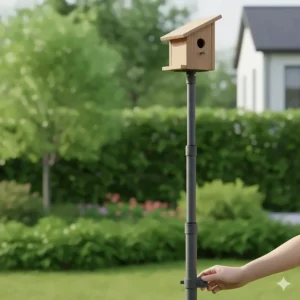
When you want a bird house pole that’ll outlast everything else in your yard, the JCs Wildlife Universal Mounting Pole Kit delivers professional-grade quality. This 55-inch pole features powder-coated steel that’s 43% larger in diameter than competitors—I could actually fit a competitor’s pole inside it!
The threaded connections create rock-solid stability that laughs in the face of rough weather. Unlike cheaper alternatives with painted interiors that rust within months, this pole is fully galvanized inside and out. The attached auger makes installation surprisingly simple—just insert the twist rod and turn clockwise. Most soil types accept it easily, though you might need to loosen particularly hard ground first.
This pole holds up to 25 pounds when properly installed, making it suitable for even the heaviest wooden birdhouses. The universal 1-inch diameter top accepts most standard mounting brackets, and you can choose between top or side mounting depending on your birdhouse design.
Price: $35-50
✅ Pros:
- Superior thickness and durability (2.5x thicker than competitors)
- Fully galvanized construction
- Proven 5+ year outdoor performance
❌ Cons:
- Shorter than some models at 55 inches
- Higher price point
3. Garbuildman 105 Inch Bird Feeder Pole Kit – Best for Adjustable Heights
The Garbuildman 105 Inch Bird Feeder Pole Kit brings impressive flexibility to your backyard bird setup. With six adjustable height options ranging from 30 to 105 inches, this system adapts to different species’ preferences and your changing needs throughout the seasons.
The extended 15-inch 5-prong base provides stronger soil grip than standard models, a feature that really shines during windstorms and heavy snow. The black lacquer spraying ensures rust-proof performance, and the heavy-duty steel construction supports up to 30 pounds—enough for multiple birdhouses or a combination of houses and feeders.
Installation follows a simple three-step process: mount your house to the platform, screw pole sections to desired height, and secure the base. The 4×4 inch mounting plate fits many popular birdfeeder brands perfectly. Several customers mentioned using this for their smart bird cameras with excellent results.
Price: $45-65
✅ Pros:
- Six different height configurations
- Extended base for superior stability
- 30-pound weight capacity
❌ Cons:
- Total setup height may be too tall for some yards
- Requires checking load distribution
4. ERYTLLY Bird House Pole Mount Kit – Best Budget-Friendly Option
Don’t let the affordable price fool you—the ERYTLLY Bird House Pole Mount Kit delivers solid performance at a fraction of the cost of premium models. Standing 80 inches tall with a 0.9-inch diameter, this pole strikes an excellent balance between height and manageable installation.
The metal powder-coating resists rust effectively, though I’d still recommend checking it annually if you live in particularly humid climates. The dual mounting plate design lets you attach birdhouses from either the backside or bottom, providing flexibility for different house styles. Setup takes about 15 minutes: step the fixed lower section into the ground, screw together the pole sections, and install the top platform.
Customer reviews highlight its surprising sturdiness given the price point. One user mentioned hosting a family of wrens successfully for two consecutive seasons without any structural issues. It’s an ideal starter pole for those testing the backyard birding waters before investing in premium equipment.
Price: $30-45
✅ Pros:
- Excellent value for money
- Two mounting plate options
- Easy assembly process
❌ Cons:
- Thinner diameter than premium models
- May need replacement sooner in harsh climates
5. VIVOHOME 106 Inch Bird Feeder Pole – Best for Multiple Installations
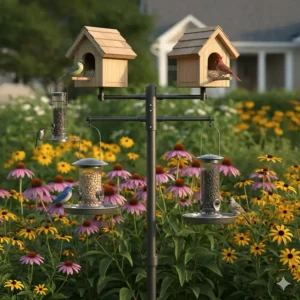
The VIVOHOME 106 Inch Bird Feeder Pole transforms your yard into a comprehensive bird feeding station. What makes this pole unique is its four adjustable hooks positioned 10 inches from the center pole, allowing you to hang multiple feeders or decorative elements simultaneously.
Constructed from heavy-duty carbon steel with black rust-resistant paint, this pole promises years of outdoor service. The 5-hole base provides stable anchoring, while the threaded joints between sections ensure solid connections that won’t separate during storms. The top platform offers both top-mounted and side-mounted installation options with its 4×2.4 inch surface.
Here’s the real game-changer: the included 12-inch diameter squirrel baffle made from thickened plastic. Unlike cheap cone baffles that squirrels laugh at, this properly-sized barrier actually deters climbing predators when positioned correctly. Six detachable pole sections let you adjust heights for different bird species or seasonal needs.
Price: $50-70
✅ Pros:
- Four additional hooks for multiple feeders
- Includes effective squirrel baffle
- Versatile uses beyond bird houses
❌ Cons:
- Higher cost due to extra features
- More complex setup with hooks
6. Gtongoko Smart Bird Feeder Pole – Best for Modern Smart Feeders
Designed specifically with smart bird feeders in mind, the Gtongoko Smart Bird Feeder Pole perfectly accommodates devices like Bird Buddy and similar camera-equipped feeders. At 79 inches total height (including the 10-inch 5-prong base), it positions cameras at ideal viewing angles while maintaining safe heights from predators.
The pole comprises four 16.5-inch sections made from premium metal that’s noticeably thicker than standard options. The black anti-rust coating has proven durable through multiple seasons according to user reports. Threaded connections allow height customization—install all sections for maximum height or remove sections for species-specific requirements.
Installation requires no tools, just your feet and hands. Step the 5-prong base into the ground, screw sections together, and mount your smart feeder. The manufacturer thoughtfully includes eight mounting screws and suggests using a wooden board bridge if your specific feeder’s mounting holes don’t align perfectly with the plate.
Price: $35-50
✅ Pros:
- Optimized for smart bird feeders
- Premium metal thickness
- Tool-free installation
❌ Cons:
- May need wooden adapter for some feeders
- Birdhouse not included (as expected)
7. Onlyfly Bird Feeder Pole Stand – Best for Enhanced Stability
The Onlyfly Bird Feeder Pole Stand introduces an innovative slip-fit connection system that outperforms traditional threaded designs. Standing 74.5 inches tall with a 1-inch diameter, this pole prioritizes stability and longevity through smart engineering choices.
The reinforced weld design on the 5-prong base prevents breakage even in challenging soil conditions. What really impressed me was the deep 5.5cm slip-in connection between poles—far superior to the shallow 1cm threaded connections that rust and weaken over time. This design prevents water penetration that causes internal rust, a common failure point in cheaper poles.
The thicker construction (1mm thickness, 1-inch diameter) provides ample weight capacity for heavy wooden birdhouses or multiple feeders. Installation is straightforward: insert the base fully into soil before tightening screws (to avoid damage), then slip together pole sections to your desired height. The system comes with both a ground stake and an L-plate base for mounting options.
Price: $40-55
✅ Pros:
- Superior slip-fit connection design
- Prevents internal rust through sealed connections
- Enhanced bending resistance
❌ Cons:
- Specific slip-fit system limits mixing with other brands
- Requires full ground insertion before securing
✨ Don’t Miss These Exclusive Deals!
🔍 Take your backyard birding to the next level with these carefully selected bird house poles. Click on any highlighted product to check current pricing and availability. These mounting solutions will help you create authentic bird habitats your feathered friends will love!
Understanding Bird House Pole Basics: What Makes Them Essential
You might think any pole will do for mounting a birdhouse, but that’s where many beginners go wrong. A proper bird house pole serves multiple critical functions that directly impact whether birds choose to nest in your yard.
First and foremost, height matters tremendously. Different species have distinct preferences—bluebirds typically prefer 4-6 feet, while wrens and chickadees feel safer at 6-10 feet. According to research from Texas Parks and Wildlife Department, mounting at species-appropriate heights can increase nesting success by up to 40%.
Predator protection represents another crucial consideration. Cats can jump 5 feet vertically, and raccoons possess remarkable climbing abilities. A smooth metal pole positioned away from trees and structures, combined with proper baffles, creates a defensive barrier that tree or fence mounting simply can’t match. The Cornell Lab of Ornithology emphasizes that pole-mounted boxes with predator guards show 6.7% higher nesting success rates than unprotected installations.
Stability cannot be overstated. Birds instinctively avoid wobbly structures that signal weakness or danger. A properly installed bird house pole should feel rock-solid even when you push against it. Wind, weather, and the weight of growing nestlings all test your pole’s integrity throughout the breeding season.
Modern poles also offer convenience. Adjustable height systems let you optimize for different species or move houses seasonally. Easy cleaning access means you’ll actually perform the necessary maintenance between broods. And durable materials ensure your investment lasts years rather than requiring replacement every season.
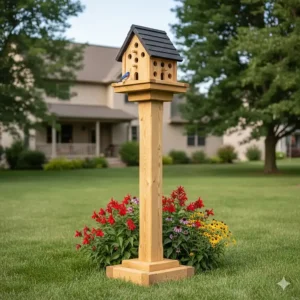
Materials Matter: Choosing the Right Construction
Metal Poles: The Gold Standard
Heavy-duty metal poles dominate the market for good reason. Powder-coated steel, galvanized iron, and rust-resistant metals provide the winning combination of strength, durability, and predator resistance. The smooth surface makes climbing nearly impossible for most mammals.
Look for poles with thick walls—at least 0.8mm but preferably 1mm or more. Thinner metals bend under weight or strong winds, creating the wobble that deters nesting birds. Quality manufacturers use double-wall construction or reinforced joints at connection points where stress concentrates.
Rust protection varies significantly between products. Basic black paint might look nice initially but often chips within a season. Powder-coating penetrates deeper and lasts longer. Full galvanization (inside and out) represents the premium option, especially in humid or coastal environments.
Alternative Materials
PVC or thick plastic poles offer rust-proof performance at lower costs, but they present challenges. The smooth surface can become brittle in freezing temperatures, and UV exposure degrades plastic over time. Additionally, the lighter weight means you’ll need more substantial ground anchoring to prevent toppling.
Wooden posts wrapped with metal flashing create a hybrid solution. The wood provides aesthetic appeal and natural integration with your landscape, while metal flashing at the base deters climbing predators. This approach requires more maintenance as wood eventually rots, particularly at the soil line.
Installation Techniques: Doing It Right the First Time
Ground Preparation and Depth
Proper installation begins before you even touch the pole. Survey your yard for underground utilities—hitting an electrical cable or water line creates expensive problems and potential injuries. Most utility companies provide free marking services; use them.
Choose your location carefully. Position poles at least 6-7 feet from trees, fences, or structures that predators might use as launching points. Open areas with some afternoon shade work best, as direct western sun can overheat houses during summer afternoons.
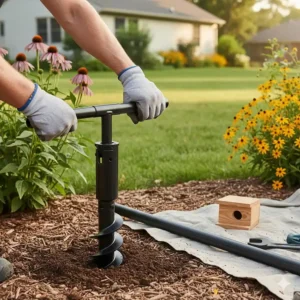
For most poles, you’ll want 18-24 inches of ground penetration. This “1/4 to 1/3 height” rule provides adequate stability without requiring excessive digging. In loose or sandy soil, consider going deeper or adding concrete for extra security.
The Concrete Question
Should you use concrete or just firm the soil? That depends on your pole type and soil conditions. Auger-style poles often work fine with well-tamped soil, especially in clay. Multi-section poles with heavy houses benefit from concrete anchoring.
If you’re going the concrete route, dig a hole 6 inches wider than your pole and to the appropriate depth. Place the pole, check for plumb with a level, and pour a mix of concrete and water following package directions. Having a helper hold the pole straight while you pour makes this job much easier.
Bevel the concrete slightly away from the pole at ground level. This simple detail prevents water from pooling around the base where it can cause rust or frost heaving during winter freezes.
Height Adjustment Best Practices
Adjustable poles shine here, but use them wisely. Start with conservative heights and adjust based on what you observe. If no birds investigate after a few weeks, try raising the house. If you notice predators showing interest, increase height and add baffles.
Remember that visibility matters too. Houses positioned where you can easily monitor them from a window encourage the daily observations that help you catch and address problems early. That said, avoid high-traffic areas where constant human activity makes birds nervous.
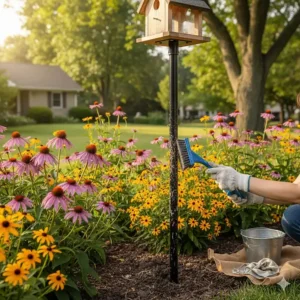
Predator Protection: Keeping Your Birds Safe
Understanding the Threats
Backyard bird nests face numerous predators, each requiring different deterrent strategies. Raccoons possess dexterous paws that can reach into entrance holes and extract eggs or nestlings. Snakes climb remarkably well and can easily access tree-mounted houses. Cats make spectacular vertical leaps. Squirrels gnaw entrance holes larger, inviting bigger predators.
According to Cornell’s NestWatch program, predation represents the leading cause of nest failure across most bird species. The good news? Proper pole mounting with predator guards can reduce these losses dramatically.
Baffle Types and Effectiveness
Stovepipe baffles rank as the most effective option against climbing predators. These cylindrical attachments (6-8 inches in diameter, 24 inches long) encircle the pole below the house. The smooth metal surface provides no grip, and the size prevents predators from reaching around. Research shows nests with stovepipe baffles have significantly higher success rates.
Cone baffles work reasonably well for bird feeders but prove less reliable for protecting nests. Determined raccoons and athletic squirrels can sometimes overcome cone designs. If you choose cones, use wider ones (18+ inches in diameter) positioned at least 5 feet above ground.
Noel guards extend the entrance hole outward using hardware cloth, creating distance between the opening and the actual house. These help against raccoons trying to reach in but do nothing against snakes or climbing predators. They work best as backup protection alongside baffles.
Positioning for Maximum Protection
Install baffles at least 4-5 feet above ground level. This height exceeds most cats’ vertical jumping ability and positions the barrier where climbing predators must navigate it. Ensure at least 10-12 feet of clearance to the nearest tree branch, fence, or structure.
Monitor your setup throughout the season. Sometimes predators find unexpected routes. I once watched a squirrel make an impressive leap from a clothesline I hadn’t considered. Constant observation helps you spot and address vulnerabilities before tragedy strikes.
Species-Specific Height Requirements 🦜
Bluebirds: The Classic Backyard Nesters
Eastern Bluebirds prefer their houses mounted 4-6 feet above ground in open areas. They hunt insects from perches, then fly down to capture prey in short grass. Positioning at 5 feet offers easy monitoring while staying above most predator reach. Pair with a stovepipe baffle for optimal protection.
Wrens and Chickadees: Adaptable Cavity Nesters
Both species accept a wider range of heights, typically 6-10 feet. Carolina Wrens often investigate houses at the lower end of this range, while chickadees seem comfortable anywhere within it. The flexibility makes these species excellent targets for beginning bird landlords.
Woodpeckers and Nuthatches: The High-Rise Dwellers
These species naturally nest in dead trees at considerable heights. Position their houses 10-15 feet up on poles or dead snags. The extra elevation mimics natural conditions and keeps them above most ground predator threats.
Purple Martins: Colonial Specialists
Purple Martins require unique setups with multiple compartments positioned 12-20 feet high in completely open areas. They’re aerial insectivores that need clear flight paths to their houses. Specialized pole systems designed specifically for martin houses work best here.
Maintenance and Seasonal Care
Between-Brood Cleaning
Most cavity-nesting birds appreciate cleaned houses between broods. Once fledglings leave, remove old nesting material, scrub with diluted bleach solution (1 part bleach to 9 parts water), rinse thoroughly, and let dry completely. This prevents parasite buildup and signals to prospective parents that the house is available.
Some species, particularly chickadees and titmice, actually prefer houses with old nesting material present. Research your target species before deciding on cleaning schedules.
Annual Maintenance
Each fall, perform comprehensive maintenance. Inspect your pole for rust, particularly at joints and ground level. Touch up any damaged coating promptly—rust spreads quickly once it starts. Check that all connections remain tight and baffles haven’t slipped.
Clean houses thoroughly and leave entrance holes open so winter roosting birds can use them for shelter. Many species huddle together in cavities during cold nights, reducing heat loss. Your empty birdhouse can quite literally save lives during harsh weather.
Winter Preparations
In regions with hard freezes, check that your pole won’t heave out of the ground as soil freezes and thaws. Concrete installations handle this better than soil-only setups. If using adjustable poles, remove upper sections to reduce wind loading during winter storms.
Consider adding roosting boxes or leaving nesting boxes accessible. While not all birds use winter roosts, those that do greatly appreciate the shelter.
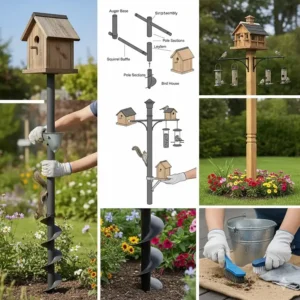
Common Installation Mistakes to Avoid
The Tree Mounting Trap
Mounting birdhouses directly to trees seems natural, but it creates problems. Bark provides excellent grip for climbing predators. Growing trees can damage houses or make entrance holes inaccessible. And tree placement limits your ability to add effective baffles.
If you must use a tree, install an acetate sheet wrapped around the trunk below the house or use specialized tree baffles. Even then, success rates trail pole-mounted installations.
Inadequate Ground Penetration
I’ve seen too many poles planted just 6-8 inches deep topple during the first strong wind. This wastes your investment and can injure birds or destroy nests. Take the extra time to dig proper holes and ensure adequate depth.
Facing Houses Westward
Direct afternoon sun beating through west-facing entrance holes can overheat houses to lethal temperatures. Most bird species prefer entrances facing east or southeast, which provides morning light without afternoon heat. Northwestern orientations work well too in hot climates.
Neglecting Drainage
Houses need drainage holes in the floor to prevent water accumulation. But those holes can’t work if your pole installation creates a low spot where water pools underneath. Ensure your finished installation has the house level or very slightly tilted forward so rain doesn’t collect inside.
Advanced Features Worth Considering
Telescoping Pole Systems
Telescoping designs offer the ultimate in height adjustment without requiring multiple pole sections. Simply loosen a collar, extend or retract to the desired height, and retighten. This convenience comes at a higher price but pays dividends when you’re experimenting with different species or optimizing based on what you observe.
Multi-Hook Stations
If you’re serious about attracting diverse bird species, multi-hook poles let you hang multiple houses or feeders from one installation. This concentrates your bird activity in one area for easier observation while saving money versus multiple separate poles. Just maintain adequate spacing between houses—at least 25-30 feet for territorial species.
Camera Compatibility
Smart bird feeders and cameras have revolutionized backyard birding. If you’re planning to use these devices, choose poles explicitly designed for them. Weight capacity, mounting plate dimensions, and vibration dampening all matter more with camera-equipped setups.
Budgeting for Quality: Price vs. Value
Entry-Level Options ($25-40)
Budget poles serve beginners well for first installations. You’ll sacrifice some durability and features, but decent models still provide adequate functionality. Expect 2-4 years of service before replacement becomes necessary, potentially less in harsh climates.
Use budget poles to determine which locations work best in your yard and which species you’re likely to attract. Then invest in premium poles for those proven spots.
Mid-Range Choices ($40-65)
This sweet spot balances cost and quality excellently. You’ll find heavy-duty construction, effective rust protection, and useful features like adjustable heights. Most birders find mid-range poles meet their needs perfectly, often lasting 5-8 years with basic maintenance.
Premium Investments ($65+)
Top-tier poles justify their cost through superior materials, specialized features, and potential decade-plus lifespans. Consider premium options for permanent installations, multiple-house setups, or if you’re mounting expensive smart feeders worth protecting.
Environmental Considerations and Sustainability
Choosing Eco-Friendly Materials
Look for manufacturers using recycled metals or sustainable coatings. Some companies now offer poles made from recycled materials that perform identically to virgin metal at similar prices. Supporting these businesses encourages broader industry adoption of sustainable practices.
Paint and Coating Concerns
Traditional paints can contain VOCs and other chemicals birds might contact during use. Powder coating generally rates as more environmentally friendly, requiring no solvents and generating minimal waste. If you’re repainting an old pole, choose low-VOC or water-based products.
End-of-Life Planning
Quality metal poles can last decades with proper care, but they eventually wear out. Don’t send them to landfills—metal recycling is straightforward and widely available. Many scrap metal yards will accept old poles, keeping the material in circulation.
Creating Bird-Friendly Landscapes Around Your Pole
Your bird house pole doesn’t exist in isolation. The surrounding landscape significantly impacts whether birds choose to nest. Plant native shrubs and trees that provide natural cover, nesting materials, and insect food sources. Berry-producing plants offer additional nutrition during migration and winter.
Avoid pesticides and herbicides near birdhouses. These chemicals reduce insect populations that birds depend on for feeding nestlings. They can also directly harm birds through contaminated food or water.
Provide fresh water nearby, though not so close that it becomes a predator staging area. Bird baths positioned 6-10 feet from houses work well, offering drinking and bathing opportunities without creating security risks.
FAQ: Your Bird House Pole Questions Answered
❓ How deep should I install a bird house pole in the ground?
❓ What's the ideal height for mounting a bluebird house on a pole?
❓ Can I use PVC pipe as a bird house pole instead of metal?
❓ How far should bird house poles be from trees and structures?
❓ Do bird house poles need predator baffles in suburban areas?
Conclusion: Investing in Backyard Bird Success
Selecting the right bird house pole represents one of the most impactful decisions you’ll make in creating backyard bird habitat. While the choices might seem overwhelming initially, understanding your needs and matching them to appropriate features simplifies the process considerably.
For most situations, I recommend starting with a mid-range adjustable pole in the 75-90 inch range. This provides height flexibility for experimenting with different species while offering the durability to last many seasons. Add a quality stovepipe baffle, position it thoughtfully in your yard, and you’ve created a foundation for birding success.
Remember that bird house poles serve a purpose beyond simple decoration. They’re functional wildlife management tools that, when properly selected and installed, can measurably increase breeding success for cavity-nesting birds facing habitat loss across North America. Your pole might seem like a small backyard project, but it contributes to larger conservation efforts that matter.
The birds won’t send thank-you notes, but their presence—the flash of blue wings at dawn, the cheerful song of wrens, the gentle cooing of chickadees—provides rewards far exceeding the modest investment a quality pole requires. Choose wisely, install carefully, and enjoy the vibrant bird life that follows.
Recommended for You
- 7 Best Heavy Duty Bird Feeder Pole Systems 2025 – Expert Reviews
- 7 Best Bird Feeder Poles 2025 | Ultimate Backyard Bird Guide
- 7 Best Small Bird Feeders 2025 – Complete Buying Guide
Disclaimer: This article contains affiliate links. If you purchase products through these links, we may earn a small commission at no additional cost to you.
✨ Found this helpful? Share it with your friends! 💬🤗
