
In This Article
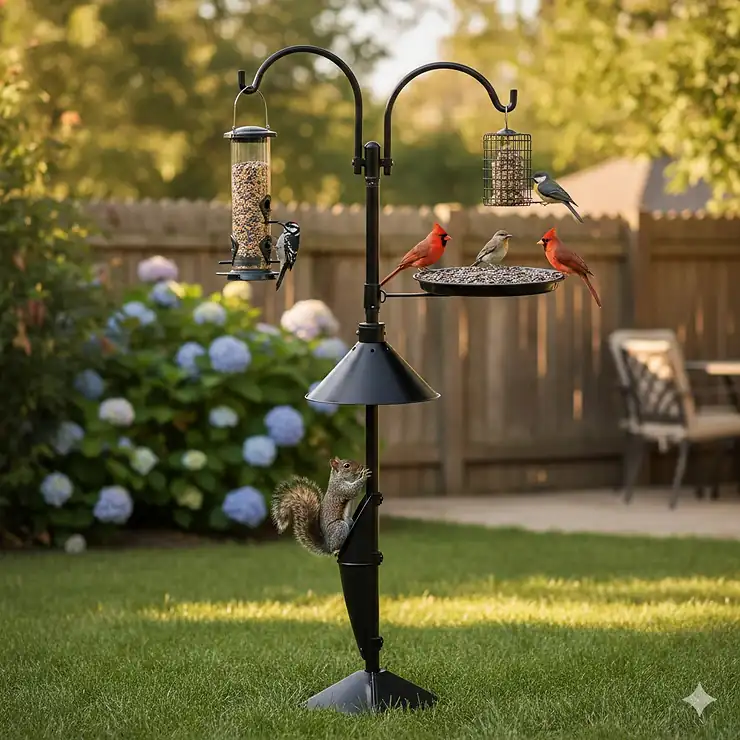
Setting up the perfect bird feeding station starts with one critical decision—choosing a heavy duty bird feeder pole that can withstand Mother Nature’s tantrums while keeping those pesky squirrels at bay. I’ve spent countless mornings watching my flimsy shepherd’s hook bend under the weight of wet seed during spring rains, and let me tell you, it’s frustrating seeing your feeders crash to the ground at 6 AM.
A quality heavy duty bird feeder pole isn’t just about hanging a feeder; it’s about creating a safe, accessible feeding station that attracts more species while protecting your investment from weather, wildlife, and wear. According to research from the National Audubon Society, strategic feeder placement on stable poles significantly increases bird diversity in your backyard while reducing predation risks.
The right pole system combines robust construction, adjustable height options, squirrel-proof features, and easy installation. Whether you’re dealing with aggressive squirrels, raccoons scaling your setup at night, or simply want a pole that’ll survive the next thunderstorm, this guide covers everything you need to know about selecting and installing a heavy duty bird feeder pole that’ll last for years.
Quick Comparison Table: Top Heavy Duty Bird Feeder Poles
| Product | Height | Material | Baffle Included | Weight Capacity | Price Range |
|---|---|---|---|---|---|
| eWonLife 92″ Pole System | 92 inches | 304 Stainless Steel | ✅ Metal Squirrel Baffle | 15 lbs per hook | $45-$60 |
| Boostool 108″ Station | 108 inches | Heavy Duty Metal | ✅ Squirrel Proof Baffle | Multi-feeder support | $50-$70 |
| Ottsuls 109″ Pole Kit | 109 inches | Thickened Metal | ❌ (Compatible) | High capacity | $40-$55 |
| Gtongoko 79″ Smart Pole | 79 inches | Metal with 5-Prong Base | Optional Add-on | Standard feeders | $35-$45 |
| Squirrel Stopper Deluxe | 96 inches | Powder-Coated Steel | ✅ Spring-Loaded Baffle | 8 hanging points | $80-$110 |
| YINGYM 6-Hook Station | 94 inches | Stainless Steel | ✅ Wide Metal Baffle | Multiple feeders | $55-$75 |
| Gtongoko 107″ Multi-Platform | 107 inches | 1″ Diameter Metal | ✅ 19″ PP Baffle | Smart feeders compatible | $60-$85 |
💬 Just one click – help others make better buying decisions too! 😊
Top 7 Heavy Duty Bird Feeder Pole Systems: Expert Analysis
1. eWonLife 92 Inch Squirrel Proof Bird Feeder Pole
The eWonLife 92 Inch Squirrel Proof Bird Feeder Pole stands out with its premium 304 stainless steel construction that laughs in the face of rust and corrosion. With a thickness of 0.4mm, this pole maintains structural integrity even when supporting multiple feeders during harsh weather.
Key Specifications:
- Height: Adjustable from 44″ to 92″ (five pole sections)
- Material: 304 stainless steel with rust-resistant coating
- Base: Reinforced 28cm×28cm steel base with four ground spikes
- Included: Metal squirrel baffle, 4 shepherd hooks, water bowl, mesh tray
Customer reviews consistently praise this system’s stability, with one buyer noting it “maintained perfectly upright even during torrential rains.” The upgraded ground base delivers twice the stability of standard 5-prong designs, making it ideal for windy locations.
Pros:
✅ Premium stainless steel resists rust and bending
✅ Adjustable height accommodates different feeder types
✅ All-in-one package includes essential accessories
Cons:
❌ Heavier than budget options, requires firm installation
❌ Premium materials increase initial cost
Price Range: $45-$60
Best For: Bird enthusiasts seeking maximum durability and weather resistance
2. Boostool 108 Inch Bird Feeder Stand Station
When you need serious height for larger birds or second-story viewing, the Boostool 108 Inch Bird Feeder Stand Station delivers. This towering system brings birds right to eye level from your upper windows while keeping ground predators at a safe distance.
Key Specifications:
- Height: 108 inches (9 feet) adjustable
- Features: All-in-one station with feeder, waterer, and bath
- Mounting: Versatile top bracket allows side or top mounting
- Installation: Tool-free assembly with detailed video tutorials
The height advantage isn’t just for aesthetics—it’s functional. At nearly 9 feet, this pole positions feeders in the optimal zone for attracting woodpeckers, which naturally feed 6-10 feet high in trees, while still remaining accessible for refilling without a ladder.
Pros:
✅ Exceptional height for diverse bird species
✅ Multi-function design reduces need for separate stations
✅ Easy assembly with helpful video support
Cons:
❌ Requires more ground space for stability
❌ May be too tall for some viewing preferences
Price Range: $50-$70
Best For: Multi-story homes and attracting high-feeding bird species
3. Ottsuls 109 Inch Heavy Duty Bird House Pole Kit
The Ottsuls 109 Inch Heavy Duty Bird House Pole Kit offers incredible versatility with its 3-in-1 mounting options. You can attach birdhouses to the bottom, back, or use the included plate system—perfect if you’re running smart bird feeders with cameras that need specific positioning.
Key Specifications:
- Height: 109 inches total with 6 extension poles (16.5″ each)
- Base: 5-prong design for excellent support
- Mounting: Three-way mounting platform with included plate
- Construction: Thickened metal pipes with waterproof surface
The threaded connection system means zero tools required for height adjustment. Simply screw each section sequentially to your desired height. One customer cleverly noted: “If your smart birdhouse never matches the mounting holes of the plate, try bridging the two with a wooden board”—solid practical advice for DIYers.
Pros:
✅ Maximum flexibility with 3-in-1 mounting options
✅ Tool-free height customization
✅ Compatible with modern smart feeders
Cons:
❌ Baffle sold separately
❌ Multiple sections can loosen over time in extreme conditions
Price Range: $40-$55
Best For: Smart bird feeder users and those wanting maximum mounting flexibility
4. Gtongoko 79 Inch Smart Bird Feeder Pole
Perfect for compact yards or those new to bird feeding, the Gtongoko 79 Inch Smart Bird Feeder Pole delivers solid performance without overwhelming your space. The shorter design actually works to your advantage if you have lower viewing angles or deck-level observation points.
Key Specifications:
- Height: 79 inches (adjustable with 4 pole sections)
- Base: 5-prongs with included mounting screws
- Design: Mounting platform accommodates top or side attachment
- Installation: Threaded connection, no tools needed
This model excels in suburban settings where space is at a premium. The 79-inch height keeps feeders away from ground predators while remaining easily accessible for filling. Customer feedback highlights the straightforward installation process—one user reported complete setup in under 20 minutes.
Pros:
✅ Compact size ideal for smaller yards
✅ Budget-friendly without sacrificing quality
✅ Quick, simple installation process
Cons:
❌ Lower height limits some bird species attraction
❌ May require baffle purchase for squirrel protection
Price Range: $35-$45
Best For: Budget-conscious birders with smaller outdoor spaces
5. Squirrel Stopper Deluxe Squirrel Proof Pole System
If squirrels are your nemesis, meet your new best friend. The Squirrel Stopper Deluxe features an ingenious spring-loaded baffle that literally bounces squirrels back to the ground. The center cylinder rocks side-to-side and floats up and down—squirrels simply cannot grab onto it or climb past it.
Key Specifications:
- Height: 96 inches (8 feet) when installed
- Hanging Points: Eight stations (4 at 4″ from center, 4 at 16″ from center)
- Baffle: Built-in spring-loaded, movement-activated design
- Installation: Screw-in auger, no tools required
This is one of the few poles engineered specifically to stop squirrels, not just slow them down. With an impressive 4.9-star rating on Amazon, users consistently report zero squirrel success after installation. The cross-post design accommodates eight feeders, making it a true backyard bird feeding hub. Just remember to position it 10 feet from trees or walls to prevent squirrels from jumping onto feeders.
Pros:
✅ Genuinely squirrel-proof with innovative baffle design
✅ Eight hanging points for multiple feeders
✅ Proven track record with thousands of satisfied customers
Cons:
❌ Higher price point than basic poles
❌ May develop rust over time without preventive coating
Price Range: $80-$110
Best For: Serious bird feeders frustrated with relentless squirrels
6. YINGYM 6-Hook Bird Feeding Station Kit
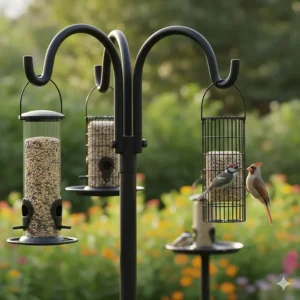
The YINGYM 6-Hook Bird Feeding Station Kit comes as a complete solution with four feeders included, eliminating the guesswork for beginners. This 94-inch heavy duty bird feeder pole system transforms your yard into an instant bird sanctuary.
Key Specifications:
- Height: 94 inches adjustable
- Hooks: 6 hanging points for maximum feeder variety
- Included: 4 feeders, wide metal squirrel baffle, mesh tray, water bowl
- Material: Stainless steel construction
The inclusion of four feeders means you can immediately offer variety—think sunflower seeds in one, nyjer for finches in another, suet for woodpeckers, and a nectar feeder for hummingbirds. The wide metal baffle effectively blocks even determined squirrels from accessing the feeding area.
Pros:
✅ Complete kit eliminates separate purchases
✅ Six hooks accommodate diverse feeder types
✅ Wide baffle provides superior squirrel protection
Cons:
❌ Included feeders may not match all preferences
❌ Bulkier packaging and more complex initial setup
Price Range: $55-$75
Best For: Beginners wanting an all-in-one solution
7. Gtongoko 107 Inch Multi-Platform Pole
Built for the smart feeder era, the Gtongoko 107 Inch Multi-Platform Pole features dual mounting platforms and eight hooks to accommodate modern technology-equipped bird feeders alongside traditional designs.
Key Specifications:
- Height: 107 inches with adjustable sections
- Diameter: 1 inch (thicker and stronger than standard poles)
- Platforms: 2 mounting platforms with 4 mounting options
- Baffle: 19-inch squirrel baffle (PP material)
The 1-inch diameter tubing offers superior strength compared to thinner competitors, and the black anti-rust coating ensures longevity. With eight hooks plus two platforms, you can create a comprehensive feeding station that handles everything from camera-equipped smart feeders to classic tube feeders. The 19-inch squirrel baffle uses smooth PP material that causes squirrels to slide off—highly effective and weather-resistant.
Pros:
✅ Dual platforms perfect for smart feeders with solar panels
✅ Thicker 1-inch diameter provides exceptional strength
✅ Eight hooks plus platforms offer maximum versatility
Cons:
❌ Complex setup may overwhelm first-time users
❌ Higher price reflects advanced features
Price Range: $60-$85
Best For: Tech-savvy birders using smart feeders with cameras
✨ Don’t Miss These Exclusive Deals!
🔍 Take your backyard bird feeding to the next level with these carefully selected products. Click on any highlighted item to check current pricing and availability. These tools will help you create authentic bird-watching experiences your family will love!
Understanding Heavy Duty Bird Feeder Pole Construction
Not all poles are created equal, and understanding construction differences helps you avoid costly mistakes. A true heavy duty bird feeder pole distinguishes itself through three critical factors: material quality, structural design, and weather resistance.
Material Matters More Than You Think
The best poles use either 304 stainless steel or powder-coated heavy-gauge steel. Stainless steel resists corrosion naturally, making it ideal for coastal areas or regions with high humidity. Powder coating on steel provides a protective barrier against rust, though it requires periodic inspection for chips or scratches.
Wall thickness is equally crucial—look for poles with 0.4mm minimum thickness. Thinner poles bend under weight, especially when supporting multiple feeders filled with seed (each can weigh 5-10 pounds when full). Some budget options use thin aluminum tubing that looks sturdy but wobbles in moderate winds.
Base Design and Ground Stability
The foundation determines whether your pole stands proud or tips over during the first storm. Modern designs feature three main base types:
5-Prong Stakes: Traditional and effective for most soil types. The prongs should extend at least 6 inches into the ground, though 8-10 inches provides superior stability.
Auger Anchors: These screw directly into the ground, typically 18-24 inches deep. They offer the strongest hold and resist frost heave during winter. An auger design is essential if you’re running multiple heavy feeders or dealing with frequent high winds.
Reinforced Plate Bases: Advanced models use steel plate foundations with multiple ground spikes. These distribute weight across a wider area and can handle extreme loads—some support up to 50 pounds of combined feeder weight.
Thread Design and Height Adjustment
Quality poles use precision-threaded connections that lock sections together without wobbling. Cheap poles often have loose-fitting sections that separate during strong winds or gradually slip downward under feeder weight.
The threading should be fine enough to prevent cross-threading during assembly but coarse enough to tighten easily by hand. Poles requiring tools to connect sections often indicate threading issues that will worsen over time.
Why Squirrel Baffles Are Non-Negotiable
Let’s address the elephant in the room—or rather, the squirrel in your bird feeder. According to Audubon’s bird feeding guidelines, pole-mounted feeders should be at least five feet off the ground and protected by a cone-shaped baffle (minimum 17 inches diameter) positioned below the feeder.
Squirrels can jump 3.5 feet straight up and 10 feet horizontally. Without a properly positioned baffle on your heavy duty bird feeder pole, you’re just running an expensive squirrel buffet.
Types of Baffles and Their Effectiveness
Cone Baffles: The classic design mounts below feeders and deflects climbing squirrels. Minimum diameter should be 17 inches, positioned at least 4 feet above ground. They work through simple physics—squirrels can’t get purchase on the smooth, angled surface.
Cylinder Baffles: These wrap around the pole, creating a smooth tube that squirrels can’t grasp. Length matters here—minimum 24 inches to prevent squirrels from reaching around. Metal cylinders work better than plastic, which squirrels can eventually chew through.
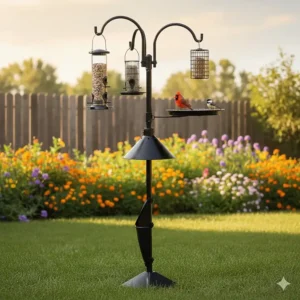
Spring-Loaded Baffles: The gold standard for serious squirrel problems. These move when squirrels attempt to climb them, causing the critters to fall off. The Squirrel Stopper system uses this design exclusively, with near-perfect success rates.
Torpedo/Wrap-Around Designs: These attach directly to the pole and use a streamlined shape to prevent squirrels from getting above them. They’re particularly effective on threaded poles where traditional baffles might interfere with height adjustment.
Proper Baffle Placement on Your Bird Feeder on Pole with Baffle
Even the best baffle fails with incorrect installation. Position your baffle 4-5 feet above ground—high enough that squirrels can’t reach over it from a standing jump, but low enough to block their climb before they reach the feeders.
Measure 10 feet from any launching point—trees, fences, roofs, or other structures. Squirrels are impressive jumpers, and they will absolutely launch themselves from nearby objects to reach your feeders. I learned this the hard way when a particularly determined grey squirrel used my deck railing as a launchpad, soaring through the air like a furry missile directly onto my supposedly protected feeders.
Essential Factors When Choosing a Heavy Duty Bird Feeder Pole
Height Selection Strategy
Standard poles range from 60 to 109 inches, but the right height depends on your specific situation. Here’s what actually works in the real world:
60-74 Inches: Ideal for hopper feeders mounted on top of the pole, platform feeders, or situations where you need easy reach for daily filling. This height works well for deck viewing or when accessibility is a priority. Cardinals and finches, which feed at lower levels, particularly appreciate feeders in this range.
75-92 Inches: The sweet spot for most backyard situations. Provides adequate clearance over a squirrel baffle while keeping feeders accessible. This height attracts the widest variety of species and works with hanging tube feeders that need vertical space below the pole top.
93-109 Inches: Tall poles excel at attracting woodpeckers (which naturally feed 6-10 feet high), providing upper-window viewing, and deterring bears in problem areas. However, they require stepladders or pole-mounted pulleys for maintenance.
Pro tip: Consider your viewing angle. Sitting at ground level looking up at a 9-foot feeder provides a completely different experience than viewing that same feeder from a second-story window at eye level.
Weight Capacity and Load Distribution
Every feeder pole has a maximum load capacity, though manufacturers don’t always advertise it clearly. A large tube feeder filled with sunflower seeds weighs approximately 8-12 pounds. Hopper feeders can exceed 15 pounds when full. Platform feeders with water dishes add another 5-7 pounds.
Calculate your total load: number of feeders × average weight when full + any accessories (water dishes, suet cages, etc.). Quality heavy duty bird feeder pole systems handle 40-60 pounds total, but that doesn’t mean you should max them out. Leave 25-30% capacity buffer for wind loading, ice accumulation, and the occasional raccoon attempting to scale your setup.
Assembly Complexity and Tool Requirements
The best poles require zero tools for assembly. Threaded sections screw together by hand, bases press or twist into the ground, and baffles clamp in place with simple tightening mechanisms.
Avoid systems requiring Allen wrenches, screwdrivers, or specialized tools for basic assembly. These designs often indicate poor engineering or cost-cutting that substitutes proper threading with hardware connections. More concerning, tools-required poles make height adjustment inconvenient—you’ll be less likely to optimize feeder positioning throughout the seasons.
Weather Resistance and Longevity
Your pole faces rain, snow, ice, intense sun, and temperature swings. Powder-coated steel handles these conditions well if the coating remains intact. Inspect annually for chips or scratches and touch up immediately with rust-preventive spray like Rust-Oleum Clear.
Stainless steel poles require minimal maintenance but cost more upfront. The investment pays off in coastal areas where salt air accelerates corrosion, or in regions with extreme weather swings.
Some poles come with UV-resistant coatings that prevent fading and degradation from sunlight. This matters more than you’d think—UV damage weakens plastic components on baffles, feeders, and connection points over several years of exposure.
Installation Best Practices for Maximum Stability
The difference between a pole that lasts a decade and one that tips over in the first windstorm often comes down to installation quality, not the product itself.
Site Selection and Preparation
Walk your yard during different times of day before choosing your installation spot. That sunny morning location might be in complete shade by afternoon, affecting both bird activity and your viewing pleasure.
Consider the 10-foot rule: measure 10 feet from trees, fences, structures, or anything squirrels could use as a launching platform. Then measure again, because squirrels are honestly more capable than you think. Place a marker at potential locations and observe them for a few days—you want spots visible from your primary viewing areas but close enough to natural cover that birds feel secure.
Soil type matters significantly. Sandy or loose soil requires deeper installation or more robust anchor designs. Clay soil holds well but can be challenging to penetrate—have a sledgehammer ready for stake-based systems. Rocky soil may require a different approach entirely, such as above-ground bases with weights.
Ground Installation Techniques
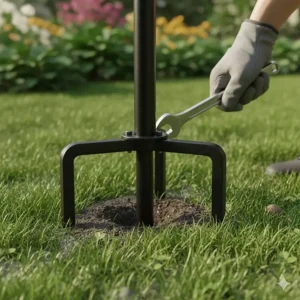
For 5-prong stake bases, pre-dig a pilot hole using a metal rod or stake if your soil is compacted. This prevents bending the prongs during installation. Place the base, then use a rubber mallet or a hammer with a block of wood on top to drive it into the ground. Never strike the pole directly—you’ll damage the threads.
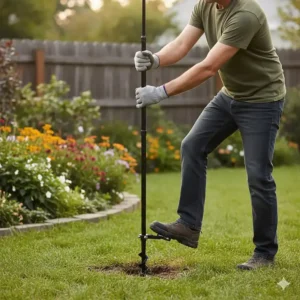
Auger anchors require a different technique. Start the auger threads straight and true—any angle off vertical compounds as you twist it deeper. Use the pole’s cross-sections or extension tubes as a handle, applying steady downward pressure while turning. If the auger hits a rock, don’t force it. Back it out, move 6 inches in any direction, and try again.
For reinforced plate bases, dig 2-3 inches below the plate’s bottom surface. This allows the spikes to penetrate fully while keeping the plate level with or slightly below the ground surface. Pack soil firmly around the spikes, then test stability by applying side-to-side pressure on the pole.
Leveling and Vertical Alignment
Use a level or a plumb bob to verify your pole is perfectly vertical before tightening any connections. Even 2-3 degrees off vertical creates side loads that stress the base and connections, accelerating wear and increasing tipping risk.
For threaded connections, hand-tighten each section, then give it an additional quarter turn. Over-tightening can strip threads; under-tightening allows sections to rotate or separate.
Testing Before Full Setup
Before hanging feeders, test your installation. Apply firm side-to-side pressure at feeder height to check for wobble or movement at the base. If you detect any looseness, address it immediately—it’ll only worsen once you add weight.
Maintenance Tips to Extend Pole Lifespan
A quality heavy duty bird feeder pole should last 10-15 years with proper maintenance. Here’s what that maintenance actually looks like:
Seasonal Inspection Schedule:
Spring: Remove winter debris, check for rust spots, tighten any loosened connections, verify baffle position.
Summer: Inspect for UV damage on plastic components, clean bird droppings from pole and baffle surfaces.
Fall: Apply rust-preventive coating if needed, check base stability before winter storms.
Winter: Clear ice buildup around the base, remove heavy snow from feeders to reduce load.
Deep Cleaning Process:
Twice yearly, bring out the cleaning supplies. Mix a mild bleach solution (1 part bleach to 9 parts water) and wipe down the entire pole, baffle, and any metal components. This removes algae, mold, and accumulated grime while sanitizing surfaces. Rinse thoroughly with clean water and dry before reassembling feeders.
Common Bird Feeder Pole Problems and Solutions
Wobbling or Leaning Over Time
Freeze-thaw cycles, heavy winds, and ground settling all contribute to gradual loosening of pole bases. This is normal, not a defect.
Solution: Every 2-3 months during active use, check the base tightness. For stake bases, you may need to remove the pole and drive it deeper. For auger anchors, additional turns usually restore stability. Some birders pour a quick-setting concrete collar around the base for permanent installations, though this makes relocation difficult.
Rust Developing Despite Protective Coatings
Powder coating chips from impacts (weed trimmers are common culprits), scratches, or UV degradation. Once bare metal is exposed, rust begins.
Solution: Inspect quarterly for coating damage. Use touch-up paint or rust-preventive spray on any exposed areas immediately. For existing rust, use a wire brush or steel wool to remove it down to bare metal, then apply rust converter followed by protective coating.
Threaded Connections Loosening
Temperature changes cause metal to expand and contract, gradually loosening threaded connections between pole sections.
Solution: Tighten connections at the start and end of each season. For chronic problems, apply a small amount of plumber’s thread tape (Teflon tape) to the threads before assembly. This fills micro-gaps and prevents loosening while still allowing disassembly.
Squirrels Getting Past Baffles
Even good baffles fail if installation is incorrect or if squirrels find alternative routes.
Solution: Verify the 10-foot rule—measure again from ALL directions. Lower the baffle if it’s positioned too high (sweet spot is 4-5 feet above ground). Check for nearby launch points you missed during initial setup. Consider adding a second baffle or switching to a spring-loaded design if you have particularly determined squirrels.
Bird Feeder Pole Accessories Worth Considering
Extension Arms and Additional Hooks
Most quality poles accommodate add-on arms. These let you expand your feeding station without purchasing a completely new system. Look for arms that lock securely to the main pole and position feeders far enough from the center to prevent crowding.
Deck and Rail Mounting Kits
Not everyone can install a ground-based pole. Deck mount brackets transform your railing into a bird feeding station. The Gray Bunny Deck Mount system is popular, though most users recommend upgrading the included screws to longer, heavier-duty versions.
Pulley Systems for Tall Poles
Poles over 8 feet benefit from simple pulley systems that let you raise and lower feeders for cleaning and filling. This is especially helpful for elderly birders or those with mobility limitations.
Weather Guards and Rain Covers
Dome-shaped covers protect seed from rain and snow while providing additional squirrel deterrence when positioned above feeders. They extend seed freshness and reduce waste from weather-damaged food.
Attracting Specific Bird Species with Proper Pole Setup
Different birds have different preferences for feeding height and feeder style. Your heavy duty bird feeder pole can accommodate multiple species by varying feeder types and heights.
Ground Feeders (Platform at Base): Dark-eyed juncos, mourning doves, sparrows, and towhees prefer feeding at ground level or from low platform feeders. Place a platform or tray directly at the base of your pole, about 1-2 feet high, for these species. According to Audubon research, ground-feeding birds rarely venture far from the ground, so keep these feeders low and wide.
Mid-Level Feeders (4-6 Feet): Cardinals, finches, chickadees, and titmice prefer feeding at shrub level. Hang tube feeders or hopper feeders at 5-6 feet—right around eye level for most people, which also provides excellent viewing opportunities.
Upper-Level Feeders (6-10 Feet): Woodpeckers, nuthatches, and some warbler species naturally feed higher in trees. Suet cages and specialized woodpecker feeders perform best when mounted 7-9 feet up your pole. This also keeps these feeders away from aggressive ground-feeding species that might monopolize lower feeders.
Hummingbird Feeders (4-6 Feet): These specialized feeders work best at 4-6 feet—high enough to spot easily from a distance but low enough for convenient cleaning and refilling. Position them slightly away from the main feeding station to reduce territorial disputes.
Squirrel-Proof Strategies Beyond Baffles
Baffles are your primary defense, but a multi-layered approach works best against persistent squirrels.
Strategic Feeder Selection: Weight-activated feeders with mechanisms that close seed ports when squirrels climb on them provide a second line of defense. Even if squirrels get past your baffle, these feeders deny them access to the seed.
Alternative Feeding Stations: Squirrel feeders stocked with corn and peanuts reduce pressure on bird feeders. Position these far from your heavy duty bird feeder pole—at least 20 feet away. Squirrels will often take the easy meal from their designated feeder rather than attempting the challenging climb to bird feeders.
Seed Selection: Squirrels strongly prefer certain seeds. Safflower seed, which many birds enjoy, tastes bitter to squirrels. Nyjer (thistle) seed has zero appeal for squirrels while attracting finches. Straight sunflower seed is squirrel candy; blends with safflower and white millet reduce squirrel interest.
Spicy Deterrents: Birds can’t taste capsaicin (the spicy compound in hot peppers), but mammals sure can. Mixing cayenne pepper into seed or purchasing pre-treated hot pepper seed blocks squirrels without affecting birds. This works, though you’ll need to reapply after heavy rains.
Budget Considerations and Value Analysis
Heavy duty bird feeder pole systems range from $35 to over $150, and understanding what drives these price differences helps you make informed decisions.
Budget Tier ($35-$50): Basic poles with simpler designs, thinner materials, and minimal included accessories. These work fine for light use—one or two feeders in protected locations with minimal squirrel pressure. Expect 3-5 years of service with maintenance.
Mid-Range ($50-$75): Better materials, integrated baffles, and more robust construction. These represent the sweet spot for most backyard birders—good enough to last 7-10 years with proper maintenance while offering features that matter. Most poles in our top 7 list fall here.
Premium Tier ($75-$150+): Advanced designs like the Squirrel Stopper, heavy-gauge stainless steel construction, extensive accessories, and specialized features. These justify their cost through superior durability, effectiveness, and reduced frustration. If squirrels are a serious problem, the premium investment pays for itself in saved seed and reduced feeder damage.
Hidden Costs to Consider:
- Replacement feeders (squirrels damage cheap feeders)
- Extra baffles if not included
- Seed waste from poorly protected feeders
- Time spent refilling feeders ransacked by squirrels
- Replacement poles when budget options fail prematurely
That $45 pole might seem attractive, but if squirrels destroy two $25 feeders and you waste $40 in seed over a season, the total cost exceeds a $110 Squirrel Stopper that eliminates these problems.
Environmental and Safety Considerations
Responsible bird feeding involves more than just hanging feeders and refilling seed.
Window Strike Prevention: Position your bird feeder on pole with baffle either within 3 feet of windows or more than 10 feet away. The intermediate zone (3-10 feet) creates the highest collision risk because birds build up speed but haven’t traveled far enough to recognize windows as barriers. According to Audubon safety guidelines, approximately one billion birds die annually from window collisions in the United States—proper feeder placement reduces this risk significantly.
Predator Protection: Outdoor cats kill hundreds of millions of birds annually. If your neighbors have outdoor cats, consider the following: Place feeders at least 6 feet high with clear sightlines—no nearby low shrubs where cats can hide. Position feeders 10+ feet from hiding spots. The best heavy duty bird feeder pole setups include clear space around the base where birds can see approaching predators while feeding on dropped seed.
Disease Prevention: Concentrated feeding areas can spread avian diseases if not properly maintained. Clean feeders every 2-3 weeks using a bleach solution (1:9 ratio with water). Remove seed hulls and droppings from the ground beneath feeders. If you notice sick birds, temporarily remove feeders to disperse the flock and prevent disease transmission.
Bear Awareness: In bear country, bird feeding creates serious conflicts. Many wildlife departments designate specific seasons for safe feeding—typically December through March when bears hibernate. Outside these months, bears will absolutely destroy feeders and become food-conditioned, often requiring euthanasia. Check your local regulations before establishing feeding stations in bear-prone areas.
FAQ: Heavy Duty Bird Feeder Pole Questions Answered
❓ What is the best height for a heavy duty bird feeder pole in my backyard?
❓ How deep should I install my bird feeder pole for maximum stability?
❓ Can a heavy duty bird feeder pole support multiple large feeders simultaneously?
❓ Do I really need a baffle on my bird feeder on pole with baffle system?
❓ How often should I perform maintenance on my heavy duty bird feeder pole?
Conclusion: Selecting Your Perfect Heavy Duty Bird Feeder Pole
Choosing the right heavy duty bird feeder pole transforms your backyard into a thriving bird sanctuary while eliminating the frustration of flimsy equipment and relentless squirrels. Whether you’re starting fresh or upgrading a wobbly setup, focus on these critical factors: robust construction with stainless steel or powder-coated materials, proper baffle integration for squirrel protection, adjustable height to accommodate different bird species, and a stable base design suited to your soil conditions.
The top performers in our analysis—like the premium-featured Squirrel Stopper Deluxe for serious squirrel problems, the budget-friendly Gtongoko 79″ Smart Pole for compact spaces, or the versatile eWonLife 92″ system for maximum durability—each excel in specific situations. Match your selection to your unique needs: viewing angles, local wildlife challenges, yard dimensions, and the bird species you’re targeting.
Remember that a quality bird feeder on pole with baffle isn’t an expense; it’s an investment in years of bird-watching enjoyment. The difference between budget equipment that fails after one season and premium poles lasting a decade often costs less than replacing cheap feeders destroyed by squirrels or weather. Install properly following our guidelines, maintain regularly with seasonal inspections, and position strategically using the 10-foot rule—your feathered friends will reward you with daily visits and incredible viewing opportunities.
Start your bird feeding journey right with equipment built to last, and you’ll spend more time enjoying nature’s aerial acrobats and less time wrestling with bent poles and frustrated squirrels.
Recommended for You
- 7 Best Bird Feeder Poles 2025 | Ultimate Backyard Bird Guide
- 7 Best Small Bird Feeders 2025 – Complete Buying Guide
- 7 Best Bird Feeders for Nyjer Seed That Goldfinches Love (2025)
Disclaimer: This article contains affiliate links. If you purchase products through these links, we may earn a small commission at no additional cost to you.
✨ Found this helpful? Share it with your friends! 💬🤗
