
In This Article
✨Was this helpful? Spread the word! 🚀
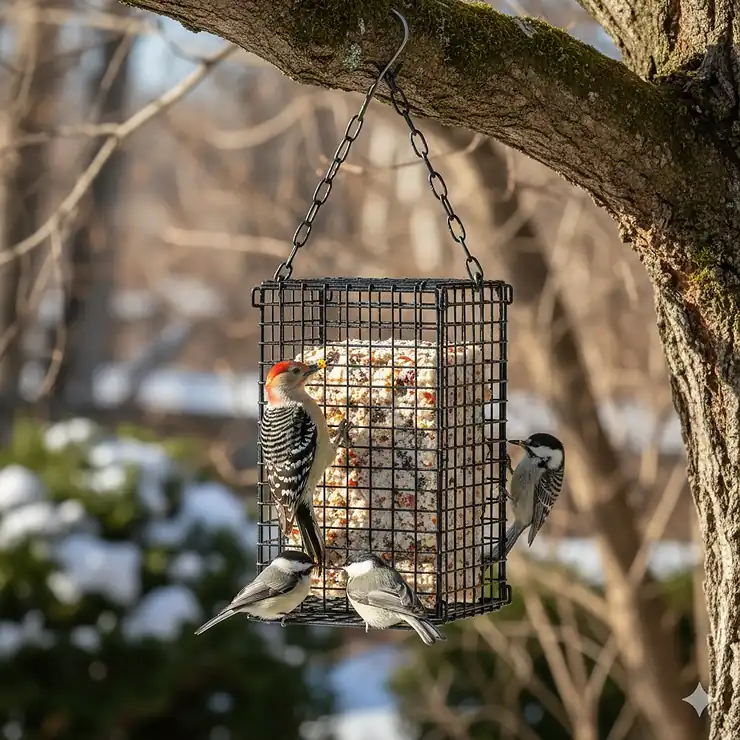
You know what’s magical? Watching a red-bellied woodpecker grip your suet bird feeder cage, its tail propped against the mesh while it pecks away at breakfast. That’s the moment you realize you’ve cracked the code to backyard birding.
I’ve been feeding birds for over a decade, and let me tell you something—not all feeders are created equal. A quality suet bird feeder cage does more than just hold food. It protects your investment from squirrels, keeps suet fresh during rain, and creates a safe dining experience for clinging birds like nuthatches, chickadees, and yes, those gorgeous woodpeckers we all want to see.
Here’s the thing: suet feeding isn’t just about tossing some fat in a cage and calling it a day. According to the National Audubon Society, suet provides critical high-energy nutrition during winter months when insects are scarce. Birds burn calories at an astonishing rate to maintain body temperature, and a bird feeder with suet cages can literally be a lifesaver during harsh weather.
But which suet feeder for birds should you actually buy? After researching dozens of options and analyzing hundreds of customer reviews, I’ve narrowed down the absolute best choices for 2025. Whether you’re dealing with pesky squirrels, aggressive starlings, or just want something that’ll last more than one season, I’ve got you covered.
Quick Comparison Table
| Product | Capacity | Squirrel-Proof | Price Range | Best For |
|---|---|---|---|---|
| More Birds Squirrel-X Double Suet Feeder | 2 cakes | ✅ Yes | $15-$25 | Squirrel protection |
| Mosloly Dual-Purpose Suet & Seed Feeder | 2 cakes + 1lb seed | ✅ Yes | $25-$35 | Multi-feeding |
| More Birds Single Suet Cage | 1 cake | ❌ No | $8-$12 | Budget-friendly |
| Backyard Essentials Double Suet Feeder | 2 cakes | ❌ No | $18-$28 | Weather protection |
| Nature’s Way Tail-Prop Suet Feeder | 1 cake | ❌ No | $20-$30 | Large woodpeckers |
| Kingsyard Squirrel Proof Suet Feeder | 2 cakes | ✅ Yes | $22-$32 | Durability |
| Birds Choice Seed & Suet Block Cage | 1 block | ❌ No | $15-$20 | Versatility |
💬 Just one click – help others make better buying decisions too!😊
🛒 Ready to Transform Your Backyard?
Each product in this guide has been hand-selected based on real customer experiences and expert analysis. Click on the highlighted product names throughout this article to check current prices and availability on Amazon. Your feathered friends are waiting! 🐦✨
Top 7 Suet Bird Feeder Cage Options: Expert Analysis
1. More Birds Squirrel-X Double Suet Feeder – Best Overall Squirrel-Proof Option
If squirrels have been the bane of your birding existence, the More Birds Squirrel-X Double Suet Feeder is your nuclear option. Featured as the best suet feeder by Business Insider in 2021, this hanging suet bird feeder uses a tight mesh cage design that physically blocks squirrels while allowing smaller songbirds easy access.
Key Specifications:
✅ Holds 2 standard suet cakes
✅ Powder-coated weather-resistant steel construction
✅ 1.28″ x 1.68″ cage opening keeps out squirrels and large birds
✅ Pecan-colored steel lid protects from rain
Price Range: $15-$25
Customer Feedback: Buyers rave about its squirrel-stopping power, with one customer noting “squirrels can’t get in, but woodpeckers love it.” However, some users mention that the cage openings might be too small for larger birds like cardinals.
Pros:
✅ Excellent squirrel deterrent
✅ Weather-resistant finish lasts for years
✅ Dual-cake capacity means less frequent refilling
Cons:
❌ Smaller openings may exclude some mid-sized birds
❌ Top screw mechanism can loosen over time
2. Mosloly Dual-Purpose Suet & Seed Feeder – Best Multi-Function Cage
Why choose between seed and suet when you can offer both? The Mosloly Dual-Purpose Suet & Seed Feeder is a clever suet cage for birds that combines a caged design with a seed tray, attracting a wider variety of species to your yard.
Key Specifications:
✅ 2 suet cake capacity plus 1lb seed capacity
✅ Heavy-duty stainless steel and powder-coated construction
✅ 1.28″ x 1.68″ cage openings
✅ Detachable design for easy cleaning
Price Range: $25-$35
Customer Feedback: Users love the versatility, reporting that “it attracts more birds than any single-purpose feeder.” The weatherproof lid keeps both suet and seed dry during storms.
Pros:
✅ Dual-feeding capability attracts diverse bird species
✅ Excellent build quality with rust-resistant materials
✅ Easy to clean and refill
Cons:
❌ Higher price point than single-purpose feeders
❌ Heavier when fully loaded
3. More Birds Single Suet Cage – Best Budget-Friendly Choice
Not everyone needs bells and whistles. The More Birds Single Suet Cage proves that simplicity can be elegant. This suet cake bird feeder features a straightforward design with a double-locking closure system that keeps cakes secure.
Key Specifications:
✅ Single suet cake capacity
✅ Solid steel construction with black powder coating
✅ Easy-open double-locking closure
✅ Compact 5″ x 4.25″ x 7.25″ dimensions
Price Range: $8-$12
Customer Feedback: One reviewer wrote, “This little feeder defeated the squirrels and the woodpeckers love it. Strong, cute, and easy to clean.” It’s perfect for beginners or those on a tight budget.
Pros:
✅ Extremely affordable
✅ Durable construction despite low price
✅ Easy to fill and maintain
Cons:
❌ Single-cake capacity requires frequent refilling
❌ No weather protection from rain
4. Backyard Essentials Double Suet Feeder – Best for Weather Protection
When Mother Nature throws everything at your feeders, the Backyard Essentials Double Suet Feeder stands strong. The green metal roof design provides superior protection from rain and snow, keeping your suet cakes fresh longer.
Key Specifications:
✅ Holds 2 standard suet cakes
✅ Green metal weatherproof roof
✅ Sturdy metal cage construction
✅ Dimensions: 7″ x 12.5″ x 11″
Price Range: $18-$28
Customer Feedback: Birders appreciate that “the roof actually works—suet stays dry even in heavy rain.” The design accommodates woodpeckers, blue jays, chickadees, and nuthatches comfortably.
Pros:
✅ Excellent weather protection
✅ Attractive green finish blends with nature
✅ Easy roof removal for quick refills
Cons:
❌ Not specifically squirrel-proof
❌ Larger footprint may not fit smaller spaces
5. Nature’s Way Tail-Prop Suet Feeder – Best for Large Woodpeckers
Here’s where things get interesting. The Nature’s Way Tail-Prop Suet Feeder is designed specifically with woodpecker anatomy in mind. Woodpeckers naturally use their tails as a “third leg” when feeding on trees, and this cedar feeder replicates that experience.
Key Specifications:
✅ Single suet cake capacity
✅ Premium cedar construction (naturally rot and insect-resistant)
✅ Tail-prop design with kerfs below cage for better gripping
✅ Rust-free screws and mesh
✅ Vinyl-coated steel hanging cable
Price Range: $20-$30
Customer Feedback: According to the Cornell Lab of Ornithology, woodpeckers prefer vertical feeding positions. Users report success attracting Northern Flickers and Pileated woodpeckers—species that often ignore standard feeders.
Pros:
✅ Attracts larger woodpecker species
✅ Beautiful cedar construction
✅ Mimics natural feeding behavior
Cons:
❌ Single-cake capacity
❌ Higher price for cedar materials
6. Kingsyard Squirrel Proof Suet Feeder – Best for Durability
If you want a bird feeder for suet that’ll outlast your car, the Kingsyard Squirrel Proof Suet Feeder is built like a tank. All-metal construction with a weatherproof tray makes this a long-term investment.
Key Specifications:
✅ Double suet cake capacity
✅ All-metal construction
✅ Bottom tray catches fallen pieces
✅ Weatherproof green powder coating
Price Range: $22-$32
Customer Feedback: One satisfied customer shared, “After three years, it still looks brand new. No rust, no damage from squirrels trying to chew through.”
Pros:
✅ Exceptional build quality
✅ Tray prevents ground mess
✅ Long-lasting weatherproof finish
Cons:
❌ Heavier than plastic alternatives
❌ May require stronger hanging hardware
7. Birds Choice Seed & Suet Block Cage – Best Versatile Design
Rounding out our list is the Birds Choice Seed & Suet Block Cage, a vinyl-coated grid feeder that works with both suet and seed blocks. At 8″L x 3″W x 7″H, it’s compact yet functional.
Key Specifications:
✅ Fits standard suet and seed blocks
✅ Durable vinyl-coated grid
✅ Chain included for easy hanging
✅ Made from recycled materials
Price Range: $15-$20
Customer Feedback: Buyers love that it “attracts bluebirds, robins, buntings, juncos, tanagers, sparrows, and towhees.” The compact size works well in smaller yards or balconies.
Pros:
✅ Eco-friendly recycled construction
✅ Versatile—works with multiple food types
✅ Attracts diverse bird species
Cons:
❌ Vinyl coating can wear over time
❌ No roof protection from elements
Understanding Suet Bird Feeder Cages: What Makes Them Essential?
What Exactly Is a Suet Bird Feeder Cage?
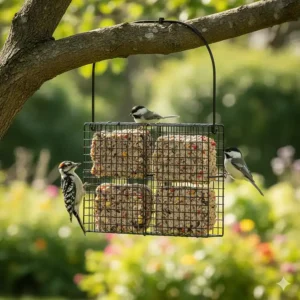
A suet bird feeder cage is a specialized feeding device designed to hold suet cakes—high-energy food blocks made from animal fat mixed with seeds, nuts, and sometimes fruit. The cage design serves multiple purposes: it protects the suet from larger animals, provides clinging surfaces for birds, and keeps the food contained as birds peck at it.
Think of it as a protective shell that transforms messy, vulnerable suet into a convenient feeding station. The mesh or grid structure allows birds to grip and feed naturally while maintaining their balance, mimicking how they’d forage in the wild.
Why Cage Design Matters More Than You Think
Not all cages are created equal, and here’s why that matters. The spacing between bars determines which birds can access your suet. Wider spacing (1.5″ or more) welcomes larger birds like blue jays and starlings, while tighter spacing (around 1.25″) restricts access to smaller species like chickadees and nuthatches.
According to research from the U.S. Fish and Wildlife Service, different bird species have evolved specific feeding behaviors. Clinging birds like woodpeckers and nuthatches have specially adapted feet and tail structures that allow them to hang vertically—making them perfect candidates for cage feeders.
How to Choose the Perfect Suet Bird Feeder Cage
Material Considerations
Metal vs. Cedar: Metal feeders offer superior durability and squirrel resistance, but they can get hot in direct sunlight. Cedar feeders provide natural beauty and insulation but may require more maintenance. I personally lean toward powder-coated metal for longevity, but if aesthetics matter more to you, cedar can be stunning in a garden setting.
Capacity and Refilling Frequency
Single-cake feeders are perfect for beginners or those with limited bird traffic. However, if you’ve got a busy feeding station, double-cake capacity feeders reduce your refilling workload significantly. During winter peak feeding times, I’ve seen suet disappear in as little as two days—plan accordingly.
Squirrel-Proofing Features
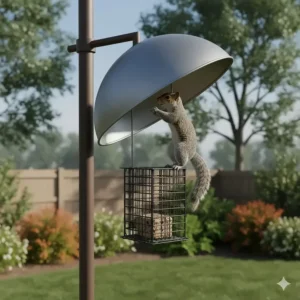
Let’s be honest: squirrels are acrobats with PhD-level problem-solving skills. Truly squirrel-proof designs use tight mesh (1.25″ or smaller), heavy-duty construction, and secure locking mechanisms. Some, like the More Birds Squirrel-X, have been tested extensively and proven effective.
Weather Resistance
Rain is suet’s enemy. Wet suet can become rancid and harbor bacteria harmful to birds. Look for feeders with protective roofs, drainage features, or enclosed designs. Powder-coated finishes resist rust and corrosion, extending the life of your investment.
Benefits of Using a Suet Bird Feeder Cage vs. Traditional Feeders
| Feature | Suet Cage Feeder | Traditional Seed Feeder | Platform Feeder |
|---|---|---|---|
| Attracts clinging birds | ✅ Excellent | ❌ Limited | ❌ Poor |
| Squirrel resistance | ✅ Good to Excellent | ⚠️ Variable | ❌ Poor |
| Weather protection | ⚠️ Depends on model | ✅ Often good | ❌ Poor |
| Mess factor | ✅ Low | ⚠️ Medium | ❌ High |
| Maintenance frequency | ✅ Low | ⚠️ Medium | ❌ High |
| Initial cost | $ | $$ | $ |
| Lifespan | 5-10+ years | 3-5 years | 2-3 years |
The cage design naturally reduces mess since birds can’t scatter suet like they do seeds. Plus, the enclosed structure means less waste from weather exposure. Over time, this translates to significant savings on bird food costs.
Installation and Placement Tips for Maximum Bird Activity
Height and Location Strategy
Mount your hanging suet bird feeder between 5-6 feet off the ground—high enough to deter ground predators but accessible for observation. I’ve found that positioning feeders near trees or shrubs (but not touching them) gives birds quick escape routes while preventing squirrels from using branches as launching pads.
Sun Exposure Matters
Here’s a mistake I made early on: placing suet feeders in full sun. During summer, direct sunlight melts suet and can cause it to go rancid. Aim for partial shade, especially during peak summer months. In winter, however, a sunnier spot helps keep suet from freezing solid.
Creating a Feeding Station
For maximum bird diversity, consider creating a multi-feeder setup. Combine your suet cage for birds with a seed feeder and perhaps a platform feeder. This approach attracts different species with varying feeding preferences, turning your yard into a genuine bird buffet.
Distance from Windows
Place feeders either within 3 feet of windows or more than 30 feet away. This odd-sounding advice comes from collision research—birds either recognize close windows as barriers or have sufficient distance to course-correct if startled.
Seasonal Considerations for Suet Feeding
Winter Suet Strategies
Winter is prime time for suet feeding. Cold temperatures prevent spoilage, and birds desperately need the high-calorie content. I recommend using pure suet or high-fat blends during December through February. Refill more frequently during extreme cold snaps when birds burn calories at maximum rates.
Summer Suet Alternatives
Many birders stop offering suet in summer, but that’s not necessary. Switch to “no-melt” suet formulations that contain less fat and more grain. These summer-safe options won’t spoil in heat but still provide valuable protein from insects and nuts mixed into the cakes.
Spring and Fall Transitions
Migration seasons present unique opportunities. Spring and fall bring waves of passing birds that benefit from high-energy suet. These transient visitors may not stay long, but offering quality food can turn your yard into a regular stopover point year after year.
Maintenance and Cleaning Best Practices
Weekly Inspection Routine
Every week, give your suet feeder for birds a quick visual check. Look for moldy suet, bent cage wires, or accumulated droppings. Remove and discard any suet that appears discolored, smells rancid, or shows signs of mold growth.
Deep Cleaning Schedule
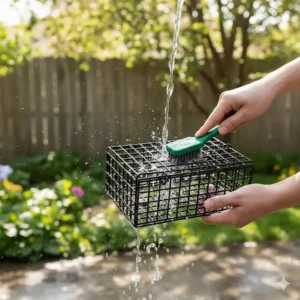
Once monthly (or more frequently in hot weather), perform a thorough cleaning. Remove all suet remnants, disassemble the feeder if possible, and scrub with a solution of one part white vinegar to nine parts water. Avoid harsh chemicals that could harm birds. Rinse thoroughly and let air dry completely before refilling.
Preventing Disease Transmission
According to the Centers for Disease Control, bird feeders can facilitate disease transmission if not properly maintained. Rotate feeding locations annually, clean regularly, and never let old food accumulate. If you notice sick birds at your feeder, take it down for two weeks and clean everything thoroughly.
Common Mistakes to Avoid
Overfilling Your Feeder
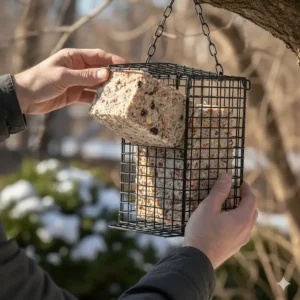
It’s tempting to jam as much suet as possible into your cage, thinking you’ll reduce refill frequency. Don’t. Overfilled feeders prevent proper air circulation, trapping moisture and accelerating spoilage. Fill to capacity but don’t force extra cakes into tight spaces.
Ignoring Seasonal Adjustments
That same suet blend that works brilliantly in January can become a liquidy mess in July. Many beginners don’t realize that suet composition needs to change with seasons. Pay attention to temperature ratings on packaging and switch formulations accordingly.
Neglecting Predator Awareness
Birdfeeders attract more than just birds. Cats, hawks, and other predators learn to stake out feeding stations. Ensure your suet bird feeder cage placement provides nearby cover for escape routes but doesn’t give predators easy ambush points.
Attracting Specific Bird Species with Your Suet Cage
Woodpecker Species
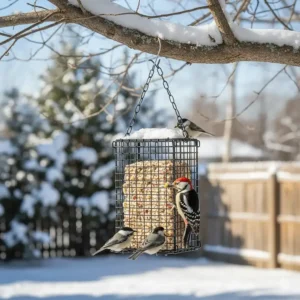
Woodpeckers are the VIPs of suet feeding. Downy woodpeckers, hairy woodpeckers, red-bellied woodpeckers, and even the magnificent pileated woodpecker can become regular visitors. Use high-fat suet with insects or mealworms mixed in. Tail-prop designs work exceptionally well for these species.
Nuthatches and Chickadees
These acrobatic little birds can feed from almost any position. White-breasted nuthatches and black-capped chickadees particularly enjoy suet with sunflower chips or peanuts. They’re also bold enough to be among the first to try new feeders, making them excellent “test pilots” for your setup.
Warblers and Migratory Birds
During migration, warblers sometimes visit suet feeders—especially those containing insects. This is a treat for birders since warblers typically prefer canopy feeding. Offering suet during peak migration (April-May and September-October) can yield surprising visitors.
Troubleshooting Common Issues
“Birds Aren’t Using My New Feeder”
Patience, grasshopper. Birds can take days or even weeks to trust a new feeder. Try these tricks: hang the feeder near established feeding areas, smear a little suet on the outside of the cage (yes, really), or temporarily remove competing food sources to encourage exploration.
“Squirrels Are Still Getting In”
If squirrels defeat your suet cage for birds, it’s time to level up. Add a baffle above the feeder, increase the distance from nearby launch points, or switch to a feeder with smaller mesh openings. Some squirrel-proof models use weight-activated mechanisms that close access when heavier animals attempt entry.
“Suet Is Disappearing Too Quickly”
This could mean several things. Large flocks will naturally go through suet faster. But if suet vanishes overnight, you might have nocturnal visitors like raccoons or opossums. Bring feeders in at dusk, or switch to a truly critter-proof design with secure closures.
“My Feeder Is Rusting”
Rust indicates that protective coatings have failed. This is common with cheaper feeders. For the future, invest in powder-coated steel or stainless steel options. For now, wire brush off loose rust, treat with rust converter, and apply a bird-safe protective coating.
DIY Enhancement Ideas for Your Suet Feeder
Adding Perches
Some cage feeders lack adequate perches. You can attach natural branches (replaced seasonally) to provide better gripping surfaces. Drill small holes in the top of the cage and insert sturdy twigs—chickadees and nuthatches will appreciate the extra footholds.
Creating Weather Shields
If your feeder lacks a roof, fashion a simple shield from a plastic plant saucer or metal baking pan. Secure it 3-4 inches above the cage to deflect rain while maintaining airflow. This DIY solution costs virtually nothing and significantly extends suet freshness.
Insect-Repelling Modifications
Ants and other insects can invade suet feeders. Create an ant moat by hanging the feeder from a small container filled with water that you position between the hanging point and feeder. Ants won’t cross the water barrier, keeping your suet pest-free.
Budget-Friendly Suet Feeding Strategies
Making Your Own Suet Cakes
Commercial suet costs $1-3 per cake, but homemade versions cost pennies. Melt beef suet (available from butchers), mix with birdseed, peanuts, and dried fruit, then pour into ice cube trays or muffin tins. Freeze until solid and you’ve got custom suet cakes for a fraction of retail prices.
Buying in Bulk
If you’re committed to suet feeding, bulk purchases save significantly. Many retailers offer cases of 12-24 suet cakes at substantial discounts. Store extras in a freezer—suet keeps for months when frozen.
Off-Season Shopping
Bird feeding supplies often go on clearance in spring and summer when demand drops. Stock up on feeders and suet during these periods for next winter. I’ve scored premium feeders for 40-50% off by shopping strategically.
Environmental Impact and Sustainability
Eco-Friendly Suet Options
Look for suet made from sustainably sourced fats and organic ingredients. Some brands now offer vegetarian “suet” alternatives using plant-based fats, though purists debate their effectiveness. Supporting companies with environmentally conscious practices makes a difference.
Recyclable and Recycled Materials
Feeders constructed from recycled plastics or sustainably harvested cedar reduce environmental footprints. Birds Choice, for example, uses recycled materials in their manufacturing, having diverted millions of pounds from landfills since 2019.
Reducing Plastic Waste
Many suet cakes come in individual plastic wrappers—wasteful and unnecessary. Buy unwrapped suet from bulk suppliers or make your own. This small change eliminates significant plastic waste over a feeding season.
Advanced Suet Feeding Techniques
Layered Feeding Stations
Create vertical feeding zones by installing multiple feeders at different heights. Place standard suet cages high, tail-prop feeders mid-level, and perhaps a ground-level suet log. This approach accommodates various bird comfort levels and feeding styles.
Specialty Suet Blends
Experiment with different suet formulations to attract target species. High-protein insect suet draws woodpeckers, berry suet attracts thrushes and waxwings, while nut-based blends appeal to nuthatches and titmice. Variety literally spices up your bird list.
Camera-Ready Setups
If you’re into bird photography or simply want to monitor activity, position your suet bird feeder cage where you can easily observe or photograph. Natural backgrounds beat cluttered sheds, and morning light provides the best illumination for photos.
FAQ Section
❓ How often should I replace suet in a suet bird feeder cage?
❓ Can I use a suet bird feeder cage in summer without making birds sick?
❓ What's the best way to keep starlings and grackles away from my suet cage for birds?
❓ How do I stop my suet feeder for birds from swinging too much in wind?
❓ Is it safe to feed suet to birds year-round or just in winter?
Conclusion: Making the Right Choice for Your Backyard
After diving deep into the world of suet bird feeder cages, one thing becomes crystal clear: the right feeder transforms your yard from a place birds occasionally visit to a destination they return to daily. Whether you’re battling squirrels with the More Birds Squirrel-X, attracting majestic woodpeckers with the Nature’s Way Tail-Prop, or keeping it simple with the budget-friendly More Birds Single Cage, each option serves a specific purpose.
Remember, successful bird feeding isn’t just about hanging a feeder and hoping for the best. It requires understanding bird behavior, maintaining clean equipment, adjusting strategies seasonally, and—most importantly—having patience. Those first few woodpeckers might take weeks to discover your offering, but when they do, you’ll be rewarded with daily entertainment and the satisfaction of supporting local wildlife.
The beauty of a hanging suet bird feeder is its simplicity combined with effectiveness. No complex electronics, no moving parts to break—just a straightforward design that works with, not against, natural bird behavior. And unlike seed feeders that attract every sparrow in the county, suet feeders tend to bring in more specialized, interesting species.
My personal recommendation? Start with a quality double-cake feeder like the Mosloly Dual-Purpose or Backyard Essentials for versatility and capacity. Once you’ve established regular bird traffic, add specialty feeders like tail-props or upside-down designs to target specific species. Build your feeding station gradually, and you’ll create an irresistible hub for feathered activity.
One final thought: every bird you help through a harsh winter, every fledgling fed during nesting season, contributes to local ecosystem health. Your small investment in a suet bird feeder cage creates ripple effects that extend far beyond your property line. That’s pretty powerful for something that costs less than dinner out.
✨ Start Your Bird Feeding Journey Today!
Don’t wait for the perfect moment—it’s now. Choose one of the recommended feeders from this guide, grab some quality suet cakes, and transform your yard into a bird paradise. Click on any highlighted product to check today’s prices and get started. Your binoculars are waiting! 🐦🎯
Recommended for You
- Best Cage Bird Feeders 2025: 7 Top Picks That Stop Squirrels
- Deck Bird Feeder: 7 Best Options for Your Outdoor Space
- Ground Bird Feeder: 7 Best Options for Your Backyard (2025)
Disclaimer: This article contains affiliate links. If you purchase products through these links, we may earn a small commission at no additional cost to you.
✨ Found this helpful? Share it with your friends! 💬🤗
