
In This Article
Have you ever watched a tiny chickadee brave subzero temperatures at your feeder? Those resilient little birds burn calories at an astonishing rate just to stay alive through harsh winter nights. When natural food sources disappear beneath snow and ice, your backyard feeder becomes more than a nice gesture—it’s a lifeline.
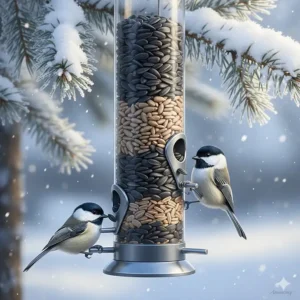
Winter bird feeding sunflower seeds represents one of nature’s perfect nutritional packages. According to the Cornell Lab of Ornithology, black-oil sunflower seeds have a high meat-to-shell ratio, are nutritious and high in fat, making them easy for small birds to handle and crack. These tiny powerhouses pack enough energy to help cardinals, chickadees, and finches maintain their body heat when temperatures plummet.
The science behind winter feeding is fascinating. Birds have a high metabolism and need to continually eat, especially during winter months when natural foods are not abundant. Some birds can lose up to 10% of their body weight overnight just maintaining warmth! That’s why providing the best bird food for cold weather isn’t just about attracting pretty visitors—you’re genuinely helping wildlife survive one of nature’s toughest challenges.
In this comprehensive guide, we’ll explore everything from the best high energy bird seed for winter to heated bird feeder for winter options and suet cakes with sunflower. Whether you’re a seasoned birder or just starting out, you’ll discover exactly what products help birds survive winter most effectively.
Quick Comparison Table: Top Winter Bird Foods
| Product | Type | Key Feature | Best For | Price Range |
|---|---|---|---|---|
| Wagner’s Black Oil Sunflower | Seeds (25 lb) | High fat content, thin shells | All-purpose winter feeding | $25-$35 |
| Shafer Sunflower Kernels | No-mess kernels (25 lb) | Shell-free, high protein | Small birds & clean feeding | $35-$50 |
| Lyric Fruit & Nut Mix | Premium blend (20 lb) | Zero fillers, gourmet ingredients | Attracting variety | $40-$55 |
| Heath Suet Cakes | Suet (3-pack) | Sunflower & corn blend | Woodpeckers & clinging birds | $8-$12 |
| hodzumrac Heated Bath | Heated feeder/bath | 75W thermostat, dual trough | Water access in freezing temps | $45-$65 |
| Wagner’s Multi Grain Plus | High energy mix (4 lb) | Dried cherries, multiple seeds | Energy boost variety | $12-$18 |
| Happy Wings Black Oil | Quality seeds (5 lb) | USDA approved, no-grow | Budget-friendly option | $10-$15 |
💬 Just one click – help others make better buying decisions too! 😊
✨ Don’t Miss These Exclusive Deals!
🔍 Take your winter bird feeding to the next level with these carefully selected products. Click on any highlighted item to check current pricing and availability. These foods will help you create an authentic backyard habitat your feathered friends will love!
Top 7 Winter Bird Feeding Products: Expert Analysis
1. Wagner’s 76027 Black Oil Sunflower Wild Bird Food (25-Pound Bag)
When it comes to winter bird feeding sunflower seeds, Wagner’s Black Oil Sunflower is the gold standard that most experts recommend first. This 25-pound bag delivers exceptional value for consistent winter feeding.
Key Specifications:
- 100% black oil sunflower seed
- Thin shells for easy cracking
- High fat content (40%+)
- Attracts 15+ species
Customer feedback consistently praises this product’s freshness and bird appeal. One reviewer noted their feeder empties twice as fast with Wagner’s compared to mixed blends. Birds simply can’t resist these energy-dense seeds.
Pros:
✅ High oil content provides maximum energy
✅ Thin shells perfect for small-beaked birds
✅ Trusted brand with consistent quality
Cons:
❌ Shells create mess underneath feeders
❌ Squirrels also love it
Price: Typically $25-$35
This is your go-to choice for reliable, high energy bird seed for winter that attracts cardinals, chickadees, finches, nuthatches, and woodpeckers. The thin shells mean even tiny birds can access the nutritious kernels inside.
2. Shafer Seed 84052 Sunflower Kernels (25-Pound Bag)
For those who want mess-free winter feeding, Shafer Seed Sunflower Kernels eliminate the hassle of shells while delivering maximum nutrition. These are hulled sunflower hearts—pure kernel with no waste.
Key Specifications:
- 100% shelled kernels
- High protein content
- No mess, no waste
- Perfect for deck/patio feeders
These kernels are high in protein and especially great in winter when birds need energy to keep warm, providing more nutrition and requiring less effort to eat so birds preserve valuable energy. Customers report attracting more bird species with kernels since smaller birds don’t struggle with shell-cracking.
Pros:
✅ Zero mess beneath feeders
✅ Birds get 100% nutrition (no shell waste)
✅ Easier for juvenile and small birds
Cons:
❌ Higher price per pound
❌ Can spoil faster if exposed to moisture
Price: $35-$50
This premium option is ideal if you feed on balconies, patios, or anywhere cleanliness matters. It’s also the best choice to help birds survive winter by maximizing nutritional efficiency.
3. Lyric Fruit and Nut Wild Bird Seed High Energy Mix (20-Pound Bag)
When you want to roll out the red carpet for winter birds, Lyric Fruit and Nut High Energy Mix is like serving a gourmet buffet. This premium blend contains zero fillers—just pure nutrition.
Key Specifications:
- Contains shelled peanuts, almonds, pecans, cashews, pistachios
- Cranberries, raisins, sunflower kernels
- No milo, no wheat, no fillers
- Attracts 20+ species
The blend provides balanced nutrition wild birds crave: nuts for long-lasting energy from protein and fats, and fruits to provide sugar for an instant boost. Customers rave about the variety of birds this attracts, including species that normally ignore standard seed mixes.
Pros:
✅ Attracts widest variety of species
✅ Hand-crafted in small batches
✅ Premium ingredients birds prefer
Cons:
❌ Most expensive option per pound
❌ Requires covered feeder to prevent spoilage
Price: $40-$55
This is the ultimate best bird food for cold weather when you want to see chickadees, robins, orioles, blue jays, titmice, cardinals, grosbeaks, and cedar waxwings all visiting your yard.
4. Lyric Fine Tunes No Waste Wild Bird Seed Suet Cakes (12-Pack)
For true high energy winter feeding, suet is irreplaceable. Lyric Fine Tunes Suet Cakes combine rendered beef suet with a finely-cut blend of premium ingredients.
Key Specifications:
- 12 oz. cakes (12-pack)
- Contains peanuts, sunflower kernels, almonds, pistachios
- Melt-resistant formula
- 100% edible, no waste
These suet cakes with sunflower provide concentrated fat and protein that woodpeckers, nuthatches, and chickadees desperately need. The suet supports birds’ high level of daily activity, whether foraging in winter or nest-building in spring. Customer reviews highlight how quickly birds find and consume these cakes.
Pros:
✅ Premium nut and fruit ingredients
✅ Easy-open recyclable packaging
✅ Attracts tree-clinging specialists
Cons:
❌ More expensive than basic suet
❌ Can attract squirrels if not caged
Price: $30-$40 for 12-pack
Perfect for dedicated bird lovers who want to provide the best suet cakes with sunflower for woodpeckers, bluebirds, chickadees, jays, and wrens.
5. hodzumrac Heated Bird Bath with 2 Food Troughs (75W)
Water can be even scarcer than food in winter. The hodzumrac Heated Bird Bath solves this critical problem while doubling as a feeding station.
Key Specifications:
- 75W thermostatically controlled heater
- Keeps water ice-free down to -13°F (-25°C)
- Two food troughs (200ml each)
- 45+ oz water capacity
The heated bird bath has a built-in thermostatic controller, operating only when necessary and saving energy, while keeping water ice-free all winter. Reviewers note that birds visit heated water sources even more frequently than feeders during extreme cold.
Pros:
✅ Provides essential water access
✅ Auto thermostat saves electricity
✅ Year-round use (unplug in summer)
Cons:
❌ Requires outdoor electrical outlet
❌ Needs periodic ice removal in extreme cold
Price: $45-$65
This is the best heated bird feeder for winter when you want to provide both nutrition and hydration. It’s especially crucial during ice storms when all natural water sources freeze solid.

6. Wagner’s 62062 Multi Grain Plus High Energy Wild Bird Food (4-Pound Bag)
For those wanting variety without buying multiple products, Wagner’s Multi Grain Plus delivers a well-balanced high energy blend with unique ingredients.
Key Specifications:
- Contains sunflower, safflower, millet, peanut pieces
- Dried cherries for quick energy
- Grain products for sustained calories
- Attracts diverse species
This high energy wild bird food contains sunflower, safflower, millet, peanut pieces, dried cherries and grain products for comprehensive nutrition. The dried fruit addition provides quick-burning sugars that complement the slow-release energy from fats.
Pros:
✅ Balanced nutrition profile
✅ Trusted Wagner’s quality
✅ Good intro to premium blends
Cons:
❌ Smaller 4-lb size
❌ Some filler grains included
Price: $12-$18
This works excellently as supplemental high energy bird seed for winter alongside your primary sunflower seed supply, adding nutritional diversity.
7. Happy Wings Black Oil Sunflower Seeds (5-Pound Bag)
For budget-conscious bird lovers, Happy Wings Black Oil Sunflower Seeds delivers quality nutrition at an accessible price point.
Key Specifications:
- USDA & BRC-GS approved facility
- Meets Wild Bird Feeding Institute standards
- No-grow seed formulation
- 5-pound convenient size
These high quality seeds are processed in a USDA approved facility and meet the quality standards set by the Wild Bird Feeding Institute. Customers appreciate the freshness and bird acceptance despite the lower price.
Pros:
✅ Budget-friendly entry point
✅ Quality certifications
✅ Perfect trial size
Cons:
❌ Smaller quantity requires frequent refills
❌ Less variety than premium mixes
Price: $10-$15
Ideal for beginners exploring winter bird feeding sunflower seeds without major investment, or as a backup supply for heavy feeding periods.
Understanding Winter Bird Nutrition: Why Sunflower Seeds Excel
When temperatures drop, birds face a metabolic challenge that rivals any endurance athlete’s demands. Their tiny bodies lose heat rapidly, requiring them to consume calories at rates that would astound us. Let me break down why sunflower seeds have become the cornerstone of winter feeding programs nationwide.
The Science of Avian Winter Survival
Birds don’t have the luxury of central heating or insulated homes. They rely entirely on internal heat generation through metabolism. According to the National Audubon Society, cold weather requires birds to eat much more to stay warm, and the snow makes it more difficult for them to actually find the food they need. A chickadee might burn through 10% of its body weight overnight just maintaining core temperature!
This is where fat becomes critical. While carbohydrates provide quick energy, fats deliver sustained, slow-burning fuel that keeps birds warm through long winter nights. Black-oil sunflower seeds are nutritious and high in fat, with their small size and thin shells making them easy for small birds to handle.
Why Black Oil Sunflower Seeds Dominate
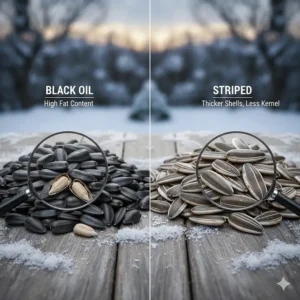
Not all sunflower seeds are created equal. The birding world distinguishes between two main types: black oil and striped. Black oil varieties win for winter feeding because they pack more oil content into a smaller package with thinner shells. According to research from the Cornell Lab of Ornithology, these seeds attract the widest variety of species.
Think of it this way: if you were running a marathon in freezing temperatures, would you want to waste energy unwrapping your energy bars? Birds face the same calculation. Every second spent cracking shells is energy lost to the cold. Black oil sunflower seeds offer the best calorie-to-effort ratio in the bird feeding world.
Protein Requirements During Winter
Fat isn’t the only consideration. Birds also need protein to maintain muscle mass and feather condition. Damaged or worn feathers reduce insulation dramatically. Sunflower kernels contain approximately 20% protein by weight—significantly higher than most mixed seed blends.
How Birds Process High-Fat Foods
Unlike humans, birds excel at processing dietary fat. Their digestive systems convert these fats directly into usable energy with remarkable efficiency. Some species, like chickadees, can even store excess calories as subcutaneous fat to burn overnight. This capability makes high energy bird seed for winter an essential survival tool rather than just supplemental feeding.
Choosing the Right Winter Bird Feeding Strategy
Successfully helping birds through winter requires more than just tossing seeds into a feeder. You need strategy, timing, and understanding of local bird populations. After observing feeders across multiple winters, I’ve identified several key principles that maximize your impact.
Match Food to Bird Species
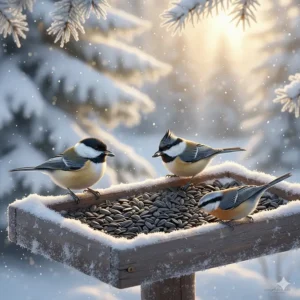
Different birds have different dietary needs and feeding styles. Ground-feeding species like juncos and sparrows prefer scattered seed on platforms or directly on snow-cleared ground. Tree-clinging birds like woodpeckers and nuthatches need suet feeders or seed cylinders they can grip.
Cardinals, with their powerful beaks, easily crack striped sunflower seeds that smaller birds struggle with. Meanwhile, goldfinches prefer nyjer seed or shelled sunflower hearts. Understanding these preferences helps you attract target species and reduce waste.
Feeder Placement Makes All the Difference
Place bird feeders in locations that do not offer hiding places for sneak-attacks by cats and other predators, ideally ten to twelve feet from shrubs or brush piles. However, feeders also need to be within reasonable flying distance of protective cover where birds can retreat during storms or predator threats.
I’ve found the sweet spot is about 10-15 feet from dense evergreen shrubs. This gives birds escape routes without providing ambush points for neighborhood cats. During heavy snowfall, position feeders where you can easily access them for refilling—a neglected feeder helps no one.
Timing and Consistency Matter
Here’s a surprising fact: birds find only about 25% of their diet at feeders and do not become dependent on your offerings. They’re adaptable foragers using multiple food sources. However, during extreme weather events, your feeder might represent the difference between survival and starvation for some individuals.
Start feeding in late fall before the first major freeze. This allows birds to discover and memorize your feeding station’s location. Once you begin winter feeding, maintain consistency. Birds incorporate reliable food sources into their daily routines, checking your feeder at predictable intervals.
Water: The Often-Forgotten Essential
Everyone focuses on food, but water scarcity kills birds too. As important as food is to birds in winter, water is even more important, and once natural water sources freeze, it becomes very difficult for birds to find water. A heated bird bath can attract species that might ignore your seed feeders entirely.
I’ve watched robins, waxwings, and bluebirds—species that rarely visit seed feeders—flock to heated water sources during January cold snaps. The energy saved by not having to melt snow for hydration translates directly into improved survival rates.
Dealing with Unwanted Visitors
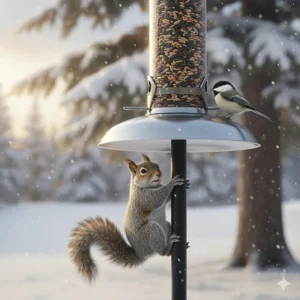
Squirrels, raccoons, and even bears (in some regions) view bird feeders as all-you-can-eat buffets. For squirrels, baffles work wonders. These cone or dome-shaped barriers prevent climbing access to hanging feeders. Alternatively, try switching to safflower seed, which squirrels find less palatable while birds still enjoy it.
For larger predators, in parts of the state with frequent bear activity, some bears remain active during colder months, and winter feeding of birds can become problematic. In bear country, bring feeders indoors at night or use bear-proof feeders rated for wildlife encounters.
Suet Cakes with Sunflower: High-Energy Winter Fuel
While seeds provide excellent nutrition, suet represents the ultimate high-energy winter bird food. This rendered animal fat delivers concentrated calories that help birds maintain body temperature through the longest, coldest nights. Let me share what makes suet indispensable for serious winter bird feeding.
What Makes Suet Special
Suet is traditionally the hard white fat found around beef kidneys, though commercial bird suet now includes various fat blends. According to Wikipedia’s comprehensive guide on bird feeding, birds can metabolize animal fat and use it for energy—both for immediate use and the type they’ll store for future needs, which can be especially valuable as birds prepare for or live through winter.
Think of suet as aviation fuel for birds. While seeds provide good energy density, pure fat contains more than twice the calories per gram. A chickadee visiting a suet feeder gets significantly more warmth-generating fuel per feeding trip than from seeds alone.
Why Combine Suet with Sunflower
Modern suet cakes aren’t pure fat anymore—and that’s actually beneficial. The best suet cakes with sunflower combine rendered fat with seeds, nuts, and sometimes dried fruits. This creates a complete nutritional package that attracts more species than plain suet.
Woodpeckers absolutely love this combination. Their natural diet consists largely of insects extracted from tree bark, which provides both fat and protein. Suet cakes mimic this nutritional profile better than any other bird food. Nuthatches, chickadees, and titmice also benefit tremendously from suet’s concentrated energy.
Selecting Quality Suet Cakes
Not all suet cakes are created equal. Look for products that list rendered beef suet as the first ingredient, followed by quality add-ins like black oil sunflower kernels, peanut pieces, and tree nuts. Good suet cakes are made with real beef or plant fats that give birds quick energy during cold months.
Avoid cheap suet cakes bulked up with cracked corn, milo, or wheat. These fillers dilute the energy density you’re trying to provide. Similarly, watch for “no-melt” formulations during winter—while useful in summer, they often contain waxes or other additives that reduce nutritional value.
Proper Suet Feeding Techniques
Suet cakes require specific feeders—typically wire cages that allow birds to cling while pecking at the fat. Hang these feeders on tree trunks, fence posts, or dedicated feeder poles. The vertical orientation suits woodpeckers perfectly, as they’re designed to feed while clinging to bark.
During extreme cold (below 20°F), I’ve observed birds visiting suet feeders more frequently than seed feeders. The concentrated calories make each feeding trip more efficient. Some birds cache small pieces of suet in tree bark crevices for later consumption—fascinating behavior you might witness at your own feeders.
Suet Cake Safety Considerations
One caution: suet can spoil in warm weather, creating dangerous bacterial growth. Suet cakes that don’t melt easily stay good longer and help keep the feeding area cleaner. During winter, spoilage isn’t typically a concern, but watch for discoloration or rancid odors as temperatures approach 50°F in late winter.
Also, never offer suet to caged pet birds—it’s formulated specifically for wild bird nutrition and may contain ingredients unsuitable for captive species.
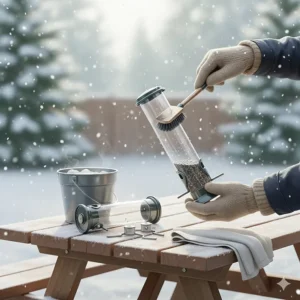
Heated Bird Feeders for Winter: Game-Changing Technology
Technology has revolutionized winter bird feeding in recent years. Heated feeders and baths now provide solutions to problems that once seemed insurmountable. These innovations particularly benefit birds during the most extreme weather events when survival margins shrink to nothing.
Why Heated Water Matters More Than You Think
Birds can survive days without food by slowing their metabolism, but water requirements remain constant. In freezing conditions, birds must expend precious calories melting snow to meet hydration needs. Offering a source of water after harsh storms or in extreme cold can be a huge benefit to birds, and a simple low-wattage birdbath heater can be just enough to keep a water source from freezing.
I’ve watched birds literally line up at heated baths during January ice storms. Species that never touch seed feeders—robins, mockingbirds, cedar waxwings—become regular visitors. The energy conservation from accessing liquid water rather than melting snow translates directly into improved survival rates.
Types of Heated Bird Equipment
Several categories of heated bird equipment exist, each serving different purposes:
Heated Bird Baths: These range from simple immersion heaters for existing baths to complete units with built-in heating elements. The best models include thermostats that activate only when temperatures drop below freezing, saving electricity while ensuring year-round functionality.
Heated Hummingbird Feeders: Yes, some hummingbirds overwinter in southern states! The Hearth provides an effective solution to frozen hummingbird feeders, keeping nectar thawed to about 15 degrees F with a single 7 watt light bulb. These specialized feeders make the difference between survival and starvation for overwintering hummers.
Heated Platform Feeders: Less common but increasingly popular, these keep seed ice-free during winter storms, allowing birds continuous access even during blizzard conditions.
Thermostat Technology Explained
Modern heated bird equipment incorporates sophisticated thermostat controls. Thermostatic controllers can automatically adjust heat output, reducing energy consumption and avoiding overheating. Most units activate around 35-40°F and deactivate once water reaches safe temperatures.
This automation means you’re not wasting electricity heating water on 60-degree December days, but birds always have access when they truly need it. Some advanced models even include timers, though I find year-round thermostatic operation simpler and more reliable.
Installation and Safety Tips
Electrical safety requires attention when combining water and electricity outdoors. Always use GFCI-protected outlets designed for outdoor use. Keep cords elevated and protected from chewing by squirrels or rabbits. Most quality heated bird baths include sealed, fully-enclosed heating elements, but verify this before purchasing.
Position heated baths where you can monitor them regularly. Check weekly for proper operation, clean water, and functioning thermostats. During extreme cold snaps (below 0°F), even heated units may develop surface ice that needs breaking to allow bird access.
Energy Efficiency Considerations
Concerned about electric bills? Most bird bath heaters draw 50-75 watts—less than a standard light bulb. With thermostat control, actual operating time during winter averages just a few hours daily in most climates. Total monthly cost typically runs $3-8, a small price for the massive benefit provided to birds.
High Energy Bird Seed Mixes: Beyond Basic Sunflower
While pure sunflower seeds form the foundation of winter feeding, specialized high energy blends can attract more diverse species and provide more complete nutrition. Let me walk you through what makes these premium mixes worth considering.
What Defines “High Energy” Bird Food
Energy density is measured in calories per ounce. Standard bird seed mixes containing mostly millet and corn deliver around 100-110 calories per ounce. Premium high energy blends with nuts, seeds, and dried fruits can exceed 150 calories per ounce—a 40% increase in fuel per bite.
Kaytee’s Winter Energy Blend combines high-fat seeds with proprietary suet nuggets for a concentrated burst of energy, and has been proven to attract overall twice as many species and twice as many birds compared to black oil sunflower seeds. These specialized formulations target the specific nutritional needs of cold-stressed birds.
Key Ingredients to Look For
Premium winter blends should include several categories of ingredients:
High-Oil Seeds: Black oil sunflower, nyjer, and safflower provide essential fats.
Tree Nuts: Peanuts, almonds, pecans, and cashews deliver protein plus omega-3 fatty acids crucial for feather health.
Dried Fruits: Cranberries, raisins, and cherries offer quick-burning sugars for immediate energy.
Suet Nuggets: Some blends incorporate small suet pieces, combining seed convenience with suet’s superior energy density.
What you DON’T want to see are cheap fillers like red milo, wheat, or excessive amounts of cracked corn. Most birds shun these filler seeds, which become breeding grounds for bacteria and fungus, contaminating fresh seed more quickly.
Matching Blends to Bird Species
Different species show strong preferences for certain blend types:
Cardinals and Grosbeaks: Love mixes heavy on safflower and striped sunflower, which their powerful beaks easily crack.
Finches and Siskins: Prefer blends with nyjer seed and shelled sunflower hearts they can consume without shell-cracking.
Jays and Woodpeckers: Seek out mixes containing whole peanuts and larger nut pieces.
Ground Feeders (Juncos, Sparrows, Doves): Appreciate blends with white millet scattered on platforms or directly on snow-cleared ground.
By selecting specialized blends, you can target the species most common in your area or attract new visitors you haven’t seen before.
Storage and Freshness Considerations
Premium blends with nuts and dried fruits require more careful storage than basic sunflower seeds. Exposure to moisture causes rapid spoilage, especially with shelled nuts. Store in airtight containers in cool, dry locations—ideally below 70°F.
Purchase quantities you’ll use within 4-6 weeks during winter. While this seems wasteful compared to bulk buying, fresh seed attracts far more birds than stale food. Birds can detect rancid fats and will avoid feeders containing spoiled seed.
Cost-Benefit Analysis of Premium Blends
Premium blends cost 2-3 times more per pound than basic sunflower seed. Are they worth it? That depends on your goals. If you want maximum bird diversity and don’t mind higher costs, absolutely. The variety of species attracted justifies the expense for dedicated birders.
For those on budgets, I recommend a hybrid approach: use premium blends in one feeder to attract variety, while maintaining larger quantities of cost-effective black oil sunflower in additional feeders. This strategy maximizes both diversity and sustainability of your feeding program.
Best Bird Food for Cold Weather: Month-by-Month Strategy
Winter isn’t uniform—early winter, deep winter, and late winter present different challenges requiring adjusted feeding strategies. Let me outline a month-by-month approach that maximizes your impact while adapting to changing conditions.
November-December: Building Reserves
Early winter focuses on helping birds build fat reserves before the hardest months arrive. According to the Minnesota Department of Natural Resources, it is relatively easy to plan for winter bird feeding by choosing three main food types: large seeds, small seeds, and suet. Start strong with high-fat options.
This is when I stock feeders most heavily with black oil sunflower and introduce suet cakes. Birds are still actively building body mass, and reliable food sources become incorporated into their daily routines. Water becomes crucial as natural sources freeze—November is the perfect time to set up heated baths before deep cold sets in.
January-February: Survival Mode
The coldest months demand maximum energy density. When temperatures plummet and snow piles up, natural food sources become scarce, making bird feeders a lifeline providing essential nutrition to help birds survive until spring. This is no time for cheap seed mixes.
I shift to premium blends and increase suet availability during these months. Keep feeders as full as possible—birds check them at dawn and dusk, the coldest periods when they most need quick energy access. During blizzards or ice storms, try to fill feeders immediately afterward. Birds emerge from sheltered roosts desperately hungry.
March: Transition Feeding
Late winter presents unique challenges. Natural food sources remain buried under snow, yet migratory species begin arriving while resident birds prepare for breeding season. Protein requirements increase as birds transition from survival mode to reproductive readiness.
Maintain consistent feeding through March even if temperatures moderate. Birds need extra nutrition for nest building, egg laying, and the enormous energy demands of raising chicks. Many people stop feeding too early, precisely when birds face peak caloric requirements.
Adjusting for Weather Extremes
Normal winter feeding guidelines fly out the window during extreme events. During polar vortex conditions with subzero temperatures lasting days, birds need 30-50% more calories than usual just to survive. Keep feeders topped off constantly.
Conversely, during unseasonable warm spells, reduce quantities slightly to prevent spoilage while maintaining availability. Birds adjust their consumption based on temperature—they’ll eat less when it’s warmer but still appreciate having food available.
Regional Variations Matter
Winter bird feeding strategies in Minnesota differ dramatically from those in Georgia. Northern regions face longer, colder winters requiring sustained high-calorie feeding from October through April. Southern areas might only need supplemental feeding during occasional cold snaps.
Research your local bird populations and climate patterns. The Cornell Lab’s FeederWatch program provides excellent regional data on species abundance and feeding preferences. Tailor your approach to local conditions rather than following generic national guidelines.
How to Help Birds Survive Winter: Beyond Feeding
Food alone doesn’t ensure bird survival through winter’s challenges. A comprehensive approach addresses shelter, safety, and habitat considerations that work synergistically with your feeding program. Let me share strategies that transform your yard into a true winter sanctuary.
Providing Critical Winter Shelter
In winter, birds prefer to roost in sheltered spots that keep them safe from predators while protecting them from wind and precipitation, including inside evergreen trees and shrubs, inside old buildings, and in tree cavities. Dense evergreen plantings provide essential wind breaks and thermal protection.
If you lack mature evergreens, brush piles work wonderfully. Stack fallen branches into loose piles 4-5 feet high, creating air pockets and cavities where birds can huddle overnight. These structures also trap warm air and provide protection from hawks and owls hunting for an easy meal.
Roosting Boxes and Winter Modifications
Standard nest boxes can be modified for winter roosting by adding entrance holes near the bottom (heat rises, making lower entrances warmer). Some cavity-nesting species like chickadees and bluebirds will pack into single boxes in groups, sharing body heat through extreme cold nights.
Clean out old nesting material in late fall and add fresh wood shavings to the bottom. This insulation layer helps birds retain heat. I’ve found that boxes facing southeast (away from prevailing winter winds) get the most use during cold weather.
Native Plants for Natural Winter Food
While feeders help, nothing beats natural food sources. Many winter plants can provide food for birds that prefer seeds and fruit, including Staghorn Sumac, viburnums, Virginia Creeper, Serviceberry, Winterberry Holly, and Bayberry. These provide nutrition while requiring zero effort from you once established.
Resist the urge to deadhead perennials in fall. Seed heads from coneflowers, black-eyed Susans, and sunflowers provide valuable natural forage. The same applies to ornamental grasses—their seed heads feed countless finches and sparrows through winter.
Water Beyond Heated Baths
If heated baths aren’t feasible, you can still provide water access. On days above freezing, set out shallow dishes of fresh water, changing them several times daily as they freeze. Even this limited availability helps birds tremendously.
Some creative birders use solar-powered water features that keep water moving enough to resist freezing down to the low 30s. While not effective in deep cold, they extend water availability through shoulder season periods.
Reducing Window Strikes
Winter’s bare branches make birds more visible but also reduce natural barriers between feeders and house windows. Windows can kill birds since they can’t distinguish reflections from the real sky, so place feeders either less than 3 feet from windows or more than 30 feet away.
The close placement might seem counterintuitive, but birds leaving feeders near windows haven’t built sufficient velocity to injure themselves if they strike glass. Far placement ensures they’re unlikely to mistake reflections for flight paths. Window decals, screens, or external netting reduce strike risk further.
Dealing with Predators Ethically
Hawks and owls hunt at feeders—that’s ecosystem reality. While it’s heartbreaking to watch, predation is natural and healthy. However, you can reduce vulnerability by placing feeders near dense shrubs where birds can quickly retreat, while keeping the immediate feeder area open enough that birds can spot approaching hawks.
Domestic cats are another matter entirely. They’re not part of native ecosystems and kill billions of birds annually. If neighborhood cats frequent your yard, consider elevated feeders beyond jumping range and advocate for keeping cats indoors.
Disease Prevention at Feeders
Clean bird feeders and birdbaths fresh and clean for your feathered friends throughout winter, cleaning feeders once every 2 weeks in a solution that is 9 parts water and 1 part bleach. Remove debris from beneath feeders where droppings and spoiled seed accumulate.
Salmonella and other diseases spread rapidly at concentrated feeding sites. Regular cleaning isn’t optional—it’s essential for ethical bird feeding. If you notice sick birds (fluffed feathers, lethargy, reluctance to fly), immediately clean all feeders and suspend feeding for 2-3 weeks.
Winter Bird Feeding Sunflower Seeds: Common Mistakes to Avoid
Even experienced bird feeders make mistakes that reduce effectiveness or harm the very birds they’re trying to help. Let me share the most common errors I’ve observed over years of winter feeding, along with how to correct them.
Mistake #1: Choosing Low-Quality Seed Mixes
The biggest waste of money in bird feeding is cheap seed mixes filled with milo, wheat, and red millet. Waste seed becomes a breeding ground for bacteria and fungus, contaminating fresh seed more quickly. Birds toss these fillers aside, creating mess and attracting rodents.
Solution: Invest in quality black oil sunflower or species-specific blends. The higher per-pound cost is offset by zero waste and better bird attraction. You’ll actually spend less overall while providing superior nutrition.
Mistake #2: Inconsistent Feeding During Storms
Some people stop filling feeders during blizzards, thinking birds won’t venture out. Wrong! Storm periods are precisely when birds most desperately need food access. Snow and ice bury natural food sources while cold temperatures spike caloric requirements.
Solution: Make feeder checking part of your storm preparation routine. Fill feeders before predicted storms and check them immediately after. Birds emerge from sheltered roosts ravenous and will empty feeders within hours during extreme weather.
Mistake #3: Ignoring Feeder Hygiene
Dirty feeders spread disease faster than any other factor in backyard bird feeding. Moldy seed, accumulated droppings, and bacterial contamination turn well-intentioned feeding into death traps.
Solution: Establish a cleaning schedule—tube feeders every 2 weeks, platform feeders weekly, suet cages monthly. Use diluted bleach solution (1 part bleach to 9 parts water), rinse thoroughly, and dry completely before refilling. This simple practice prevents disease outbreaks that kill more birds than winter cold.
Mistake #4: Wrong Feeder for Wrong Food
I’ve seen sunflower kernels in tube feeders with tiny ports, suet cakes in open platform feeders, and nyjer seed in hoppers with large openings. Each creates waste and reduces bird access.
Solution: Match feeder style to food type. Tube feeders for small seeds, hoppers for sunflower and mixed blends, wire cages for suet, platforms for large seeds and mixed feeding. This maximizes efficiency while reducing waste and mess.
Mistake #5: Overcrowding Feeders
Ten feeders crammed into a 100-square-foot area creates territorial conflicts and disease transmission risk. Birds need space to feed comfortably and escape routes if predators approach.
Solution: Distribute feeders across your yard with 15-20 feet minimum separation. This accommodates both social species (chickadees, finches) and territorial birds (cardinals) while reducing disease transmission between feeding sites.
Mistake #6: Stopping Too Early in Spring
Many people stop feeding as soon as temperatures moderate in March. However, natural food sources remain scarce while birds face peak energy demands preparing for breeding season.
Solution: Continue feeding through April or even May. Natural insect populations don’t rebound until late spring, and the extra nutrition directly benefits nesting success. You can gradually reduce quantities but maintain availability.
Mistake #7: Not Providing Water
Everyone focuses on food while ignoring water scarcity. Birds can become dehydrated in winter even if surrounded by ice and snow. Melting snow for hydration burns precious calories.
Solution: Install a heated birdbath or set out fresh water daily on warmer days. The species diversity attracted by reliable water often exceeds that drawn by feeders alone.
Mistake #8: Storing Seed Improperly
Seed stored in humid garages, on concrete floors, or in open containers rapidly spoils. Moldy seed isn’t just unappetizing to birds—it’s dangerous, harboring aspergillus and other deadly fungi.
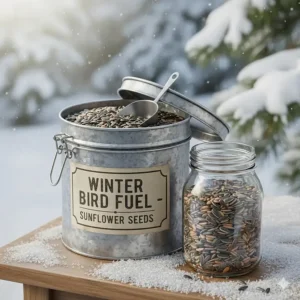
Solution: Store in airtight containers in cool, dry locations. Metal trash cans with tight lids work perfectly and deter rodents. Elevate containers off concrete floors where moisture transmission occurs. Purchase quantities you’ll use within 6-8 weeks.
FAQ: Winter Bird Feeding Sunflower Seeds
❓ Can I use striped sunflower instead of black oil for winter feeding?
❓ How long can sunflower seeds stay in feeders before spoiling?
❓ Do birds actually need suet in winter or is it just a treat?
❓ What's the best time of day to fill feeders in winter?
❓ Should I stop feeding if I see sick birds at my feeders?
Conclusion: Making a Real Difference for Winter Birds
As we’ve explored throughout this guide, winter bird feeding sunflower seeds represents far more than a casual hobby—it’s a meaningful way to support wildlife through their most challenging season. Every feeder you maintain, every heated bath you provide, and every handful of high energy bird seed for winter you offer helps birds survive when natural food sources disappear beneath ice and snow.
The beauty of this practice lies in its accessibility. You don’t need expensive equipment or extensive knowledge to make a difference. Start simple: a basic tube feeder filled with black oil sunflower seeds, positioned near protective cover and away from window strike zones, will attract dozens of birds and provide essential nutrition throughout winter.
As you gain experience, you can expand to specialized offerings—suet cakes with sunflower for woodpeckers, premium mixed blends for variety, and heated bird feeder for winter options that provide water access. Each addition enhances your yard’s value as winter habitat while increasing the diversity of species you’ll observe.
Remember the key principles: consistency matters more than quantity, quality beats cheap fillers, and cleanliness prevents disease. By following evidence-based practices from sources like the Cornell Lab of Ornithology and Audubon Society, you’re helping birds while contributing to citizen science efforts that track population changes over time.
The birds visiting your feeders this winter don’t just need food—they need champions. Every person who commits to thoughtful, consistent feeding helps birds survive winter and strengthens populations facing broader challenges from habitat loss and climate change. Your contribution, however modest it might seem, makes a real difference.
So fill those feeders, break the ice on water dishes, and enjoy the remarkable show these resilient creatures provide. They’re counting on you to help them survive winter and thrive into spring.
Recommended for You
- 7 Best Squirrel Proof Bird Feeder for Sunflower Seeds 2026
- 7 Best Bird Seed for Wild Birds That Attract Cardinals & Finches (2026 Guide)
- 7 Best Safflower Seed for Birds Cardinals Love (2026 Guide)
Disclaimer: This article contains affiliate links. If you purchase products through these links, we may earn a small commission at no additional cost to you.
✨ Found this helpful? Share it with your friends! 💬🤗
