
In This Article
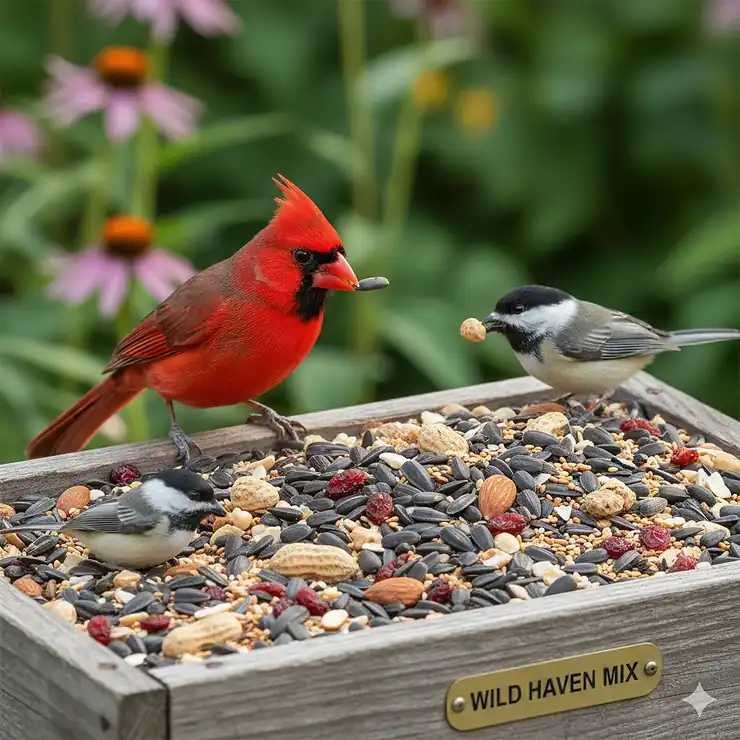
Choosing the best bird seed for wild birds doesn’t have to feel like cracking a nut with your bare hands. After years of watching my backyard transform from a quiet garden into a bustling avian café, I’ve learned that the secret isn’t just about throwing any seeds out there—it’s about understanding what bird seed attracts most birds and why quality matters more than quantity.
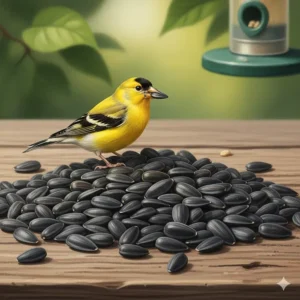
Think about it this way: would you rather eat a gourmet meal packed with nutrients or fast food full of empty calories? Your feathered visitors feel the same way. According to research from the Cornell Lab of Ornithology, black oil sunflower seeds attract the widest variety of birds to feeders, making them the gold standard for backyard bird feeding. But here’s the kicker—not all bird seed is created equal, and those cheap bags at the grocery store? They’re often packed with fillers like red milo and oats that most birds simply toss aside, creating a mess under your feeder and wasting your hard-earned money.
The bird feeding landscape has evolved dramatically in 2026. We now have high quality bird seed brands offering premium wild bird food mix options that combine nutritional science with what birds actually crave. Whether you’re trying to attract cardinals and finches to your morning coffee spot or simply want to support your local ecosystem, understanding bird seed without fillers is your first step to success.
Quick Comparison Table: Top 7 Bird Seeds at a Glance
| Product | Best For | Weight | Price Range | Key Feature |
|---|---|---|---|---|
| Lyric Supreme Wild Bird Mix | Variety seekers | 20 lb | $30-35 | 12 ingredients, 50%+ sunflower |
| Pennington Pride Nut & Fruit | Premium nutrition | 10 lb | $18-22 | Bird-Kote vitamins, real fruit |
| Kaytee Ultimate Birder’s Blend | Budget-conscious | 10 lb | $15-19 | High energy, wide variety |
| Audubon Park Sunflower Hearts | No mess feeding | 5 lb | $17-21 | 100% edible, zero waste |
| Kaytee Black Oil Sunflower | Maximum attraction | 5-20 lb | $12-28 | Thin shells, high fat content |
| Audubon Park Waste Free | Patio & deck use | 12 lb | $24-29 | Hull-free, peanut pieces |
| Pennington Waste-Free Blend | Clean feeders | 10 lb | $20-25 | No shells, fortified |
💬 Just one click – help others make better buying decisions too!😊
Top 7 Best Bird Seed for Wild Birds: Expert Analysis
1. Lyric Supreme Wild Bird Mix – The Premium All-Rounder
If you’re looking for what bird seed attracts most birds in one convenient package, the Lyric Supreme Wild Bird Mix deserves serious attention. This isn’t your average blend—it’s like serving a seven-course meal at your feeder instead of a drive-through burger.
Key Specifications:
- 12 premium ingredients including black oil sunflower, peanuts, pecans, and pistachios
- Contains over 50% sunflower seeds and nuts
- Available in 4.5 lb, 20 lb, and 40 lb bags
The ingredient list reads like a gourmet restaurant menu: black oil sunflower seed, white proso millet, cracked corn, shelled peanuts, safflower seed, black striped sunflower, pecans, pistachios, small golden millet, canary seed, Nyjer seed, and sunflower kernels. No fillers, no nonsense—just bird seed without fillers that actually gets eaten.
Customers consistently report seeing cardinals, blue jays, woodpeckers, chickadees, finches, and even elusive nuthatches visiting their feeders daily. One reviewer mentioned their feeder being constantly occupied, with birds literally waiting in nearby trees for their turn.
✅ Pros:
- Attracts the widest variety of species
- Hand-crafted in small batches for quality control
- Research-based formula tested in real conditions
❌ Cons:
- Higher price point than basic blends
- Larger seeds may stick in some tube feeders
Price Range: $11-43 depending on bag size
2. Pennington Pride Songbird Nut & Fruit Blend – The Vitamin-Packed Winner
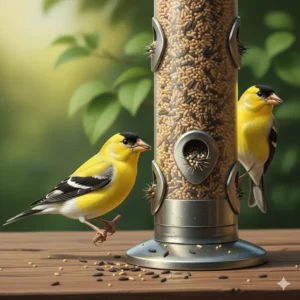
Here’s where things get interesting. The Pennington Pride Songbird Nut & Fruit Blend takes bird nutrition to the next level with their exclusive Bird-Kote technology—essentially vitamins and minerals added right into the seed coating.
Key Specifications:
- Fortified with vitamins A and D-3 for bird health
- Contains 100% real fruit pieces, nuts, and seeds
- Compatible with hopper, gazebo, and tray feeders
What makes this a premium wild bird food mix? It’s the combination of black oil sunflower, safflower, real fruit (including raisins and cranberries), and various nuts. Think of it as a trail mix designed by nutritionists specifically for birds. The Bird-Kote technology isn’t just marketing fluff—it provides essential nutrients that help birds during nesting season and winter survival.
Customer feedback highlights that this blend attracts up to 2x more colorful birds compared to basic mixes. Indigo buntings, chickadees, pine siskins, purple finches, and cardinals seem particularly fond of the fruit and nut combination. One user mentioned watching blue jays learn to fly up to feeders instead of just ground feeding—a behavioral change prompted by the irresistible blend.
✅ Pros:
- Advanced nutrition formula supports bird health
- Real fruit pieces add variety and vitamins
- Attracts both common and uncommon species
❌ Cons:
- Small seeds mean more frequent refilling
- Fruit pieces can attract unexpected visitors like squirrels
Price Range: $16-22 for 10 lb bag
3. Kaytee Ultimate Birder’s Blend – Best Value for Money
The Kaytee Ultimate Birder’s Blend proves that quality doesn’t always require breaking the bank. Formulated by actual birding enthusiasts (not just marketing teams), this blend strikes an excellent balance between performance and affordability.
Key Specifications:
- High black oil sunflower content for maximum energy
- Includes white millet, cracked corn, peanuts, and safflower
- Fortified with calcium carbonate for egg-laying support
What I appreciate about Kaytee is their 150+ years of experience in animal nutrition. They understand that high quality bird seed brands need to deliver consistent results. The formula emphasizes black oil sunflower—the seed that research shows most birds prefer—while adding complementary ingredients for ground feeders and larger birds.
Users report attracting grosbeaks, cardinals, nuthatches, woodpeckers, chickadees, and various finches. The blend keeps birds returning year-round, which is exactly what you want. One verified purchaser mentioned their feeder being constantly occupied, with birds hanging out in nearby trees waiting for feeding opportunities.
✅ Pros:
- Excellent price-per-pound value
- Minimal filler content in bags
- Trusted brand with proven track record
❌ Cons:
- Contains some cracked corn (though birds do eat it)
- May include occasional sticks or stems
Price Range: $15-19 for 10 lb bag
4. Audubon Park Sunflower Hearts & Chips – The Zero-Mess Champion
Living in an apartment or have a deck where mess is unacceptable? The Audubon Park Sunflower Hearts & Chips solves the eternal problem of shell debris under feeders.
Key Specifications:
- 100% hulled sunflower hearts and chips
- No waste, completely edible
- High in healthy fats for year-round energy
This is pure bird seed without fillers—literally. Every single piece is edible, meaning zero shells to clean up and zero wasted seed that birds pick through and discard. It’s perfect for balconies, patios, decks, or anywhere you don’t want to deal with cleanup.
According to reviewers, this seed disappears faster than almost any other type because birds can eat it immediately without the work of cracking shells. Finches, chickadees, titmice, nuthatches, cardinals, and even wrens (who struggle with harder shells) flock to these no-mess nuggets. The Audubon Park brand has been supporting small farms and creating quality bird food since 1982, so they know what they’re doing.
✅ Pros:
- Absolutely zero mess or shells
- Birds can eat faster, attracting more visitors
- Ideal for apartment dwellers and clean enthusiasts
❌ Cons:
- Higher price per pound than in-shell options
- Can spoil faster in wet conditions
Price Range: $17-21 for 5 lb bag
5. Kaytee Black Oil Sunflower Seeds – The Universal Favorite
Sometimes simplicity wins. The Kaytee Black Oil Sunflower Seeds prove that you don’t need a complex blend when you’re offering what the U.S. Fish and Wildlife Service and Cornell Lab research shows is birds’ number one preference.
Key Specifications:
- Single ingredient: pure black oil sunflower
- Thin shells for easy cracking
- High fat and protein content
- Available in 5 lb, 10 lb, and 20 lb bags
Black oil sunflower seeds have thinner shells than striped varieties, making them easier for virtually all seed-eating birds to crack. The kernels inside are larger and richer in oil, providing maximum nutrition and energy. This is particularly crucial during winter months and breeding season when birds need extra calories.
Customer reviews consistently rate this as a five-star product. Birds love it because it’s easy to eat and packed with energy. You’ll love it because it’s economical—at around $1.25-1.50 per pound, you’re getting pure nutrition without paying for seeds birds won’t eat. Expect to attract cardinals and finches along with chickadees, nuthatches, grosbeaks, sparrows, blue jays, woodpeckers, and more.
✅ Pros:
- Attracts the widest variety of species
- Simple, reliable, proven effective
- Best price-per-nutritional-value ratio
❌ Cons:
- Creates shell debris under feeders
- Very attractive to squirrels
Price Range: $12-28 depending on bag size
6. Audubon Park Waste Free Wild Bird Seed – The Deck-Friendly Option
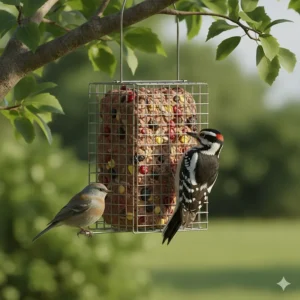
The Audubon Park Waste Free Wild Bird Seed combines the variety of a premium mix with the convenience of hull-free feeding. It’s basically the best of both worlds.
Key Specifications:
- 12 lb bag of shell-free blend
- Sunflower hearts, chips, and peanut pieces
- High-energy nutrition without mess
This blend takes the concept of bird seed without fillers to the next level. Not only does it avoid cheap fillers like red milo, but it also removes all the shells from quality ingredients. You get sunflower hearts (not whole seeds), peanut pieces (not whole peanuts), and other hull-free components that are 100% edible.
The results? Cleaner feeding areas, happier apartment managers, and birds that can focus on eating instead of cracking shells. Users report this works beautifully on decks and patios where traditional seed would create an unacceptable mess. Finches, cardinals, thrushes, wrens, buntings, and other songbirds visit regularly.
✅ Pros:
- Perfect for patios, decks, and balconies
- All premium ingredients, no cheap fillers
- Attracts variety without mess
❌ Cons:
- Premium pricing reflects processing costs
- Should be used quickly in humid climates
Price Range: $24-29 for 12 lb bag
7. Pennington Pride Waste-Free Blend – The Fortified Clean Option
Rounding out our list, the Pennington Pride Waste-Free Blend delivers premium wild bird food mix quality with the added benefit of their signature Bird-Kote vitamin fortification.
Key Specifications:
- Hull-free blend with sunflower chips and millet
- Fortified with vitamins A and D-3
- Includes real fruit pieces and nuts
- Compatible with hopper, gazebo, and tube feeders
What sets this apart from other no-mess blends is the vitamin fortification. While other brands remove shells for convenience, Pennington adds nutritional value through their Bird-Kote technology. This supports bird health during critical periods like nesting, molting, and winter survival.
The mix contains sunflower chips, white proso millet (hull-free), cracked corn, peanuts, mixed nuts, raisins, and dried cranberries. It’s designed to attract cardinals and finches specifically, along with indigo buntings, chickadees, grosbeaks, nuthatches, woodpeckers, and juncos. Customer reviews highlight the quality and freshness, noting that birds seem to prefer it over cheaper alternatives.
✅ Pros:
- Vitamin-fortified for optimal bird health
- No shells means no waste
- Attracts wide variety of species
❌ Cons:
- Can be hard to find in local stores
- Premium pricing
Price Range: $20-25 for 10 lb bag
✨ Don’t Miss These Exclusive Deals!
🔍 Take your backyard birding to the next level with these carefully selected products. Click on any highlighted item to check current pricing and availability. These premium bird seeds will help you attract authentic songbird visitors your family will love watching!
Understanding What Makes Quality Bird Seed
Let me share something that changed my entire approach to bird feeding: the revelation that most commercial bird seed mixes contain up to 40% filler that birds literally throw on the ground. Red milo, wheat, oats, and cracked corn (in excess) are the usual suspects. It’s like buying a bag of trail mix where half the bag is cardboard packing peanuts.
High quality bird seed brands focus on ingredients birds actually prefer. According to National Audubon Society research, black oil sunflower seeds have become the foundation of quality bird feeding since becoming widely available in the 1980s. The reason is simple: thin shells mean birds waste less energy cracking them open, and the kernels inside contain more fat and protein per ounce than virtually any other seed.
When evaluating what bird seed attracts most birds, consider these factors:
Oil Content: Seeds high in fat provide crucial energy, especially during cold weather and breeding season. Black oil sunflower leads the pack with roughly 28% fat content.
Shell Thickness: Thinner shells mean more birds can access the nutrition inside. That’s why black oil sunflower outperforms striped sunflower for attracting diverse species.
Variety Without Fillers: A premium wild bird food mix should contain multiple seed types that different birds prefer—not cheap fillers that make the bag heavier without adding value.
Freshness: Bird seed can go rancid, especially hulled varieties and those containing nuts. Quality brands use proper storage and packaging to maintain freshness. Always check for expiration dates and store your seed in cool, dry locations.
How Different Seeds Attract Different Birds
Understanding bird preferences helps you customize your feeding strategy. Here’s what research and real-world observation have taught us:
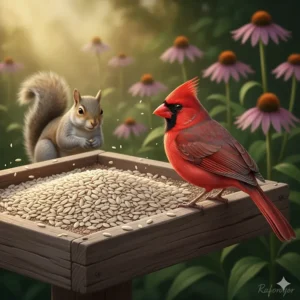
Black Oil Sunflower: The universal donor of bird seeds. Chickadees, titmice, nuthatches, finches, cardinals, grosbeaks, sparrows, blackbirds, blue jays, woodpeckers, and indigo buntings all love these seeds. If you’re only going to offer one seed type, make it this one.
Safflower: Cardinals particularly enjoy safflower seeds, and here’s a bonus—many squirrels and blackbirds don’t prefer them, making safflower a strategic choice if you’re dealing with those visitors.
White Proso Millet: Ground-feeding birds like mourning doves, juncos, and sparrows prefer millet. It’s best scattered on the ground or offered in platform feeders.
Nyjer (Thistle): Finches, especially American goldfinches, purple finches, and pine siskins, go crazy for Nyjer seed. You’ll need specialized feeders with small ports to offer it.
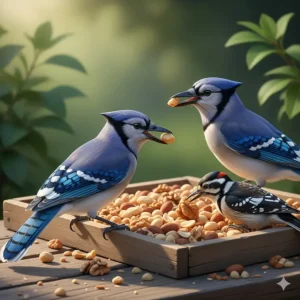
Peanuts: Woodpeckers, blue jays, chickadees, and nuthatches treat peanuts like gourmet snacks. Ensure they’re unsalted and specifically labeled for wildlife.
Fruit Pieces: Dried fruit attracts robins, mockingbirds, catbirds, bluebirds, and waxwings—species that don’t typically visit seed feeders.
When you’re choosing bird seed to attract cardinals and finches, look for blends that emphasize black oil sunflower and safflower. Both species adore these seeds, though finches will also flock to Nyjer feeders.
The Truth About “Filler” Seeds (And Why They Matter)
Not all seeds marketed as bird food are actually eaten by birds. Industry research shows that red milo, for example, is primarily consumed by birds in the Desert Southwest. In other regions, it sits in feeders getting moldy or gets kicked to the ground, where it can attract rodents and create germination problems.
Common Fillers to Avoid:
- Red milo (outside Southwest regions)
- Wheat
- Oats
- Excessive cracked corn
- Canary seed (when used as primary ingredient)
These ingredients serve one purpose: making the bag weigh more so manufacturers can charge more. Birds sorting through fillers waste energy and create mess. That’s why bird seed without fillers has become so popular among serious bird enthusiasts.
Quality seed costs more upfront but provides better value because birds actually eat it instead of discarding it. Think of it as buying concentrated orange juice versus watered-down juice—you’re paying for actual nutrition, not filler.
Seasonal Feeding Strategies for Maximum Bird Attraction
Different seasons demand different approaches. Here’s how to optimize your feeding strategy year-round:
Spring (March-May): Birds need high-protein foods during nesting season. Offer mealworms, peanuts, and protein-rich seeds. Parents feeding nestlings will appreciate the extra nutrition.
Summer (June-August): Continue offering seeds, but ensure feeders are clean and dry. Seed can spoil faster in heat and humidity. This is when fruit-eating birds appreciate fresh or dried fruit.
Fall (September-November): Migration season means both residents and travelers visiting your feeders. Offer high-fat seeds like black oil sunflower to help birds build reserves for winter or long journeys.
Winter (December-February): Maximum calories are crucial. Sunflower seeds, peanuts, and suet provide the fat and protein birds need to survive cold nights. Keep feeders full and accessible even after snowstorms.
Year-round feeding is increasingly recommended by ornithologists. The myth that feeding in summer prevents migration has been debunked—birds migrate based on day length changes, not food availability.
Smart Feeder Placement and Maintenance Tips
Even the best bird seed for wild birds won’t attract many visitors if your feeder placement is wrong. Here are proven strategies:
Location Matters: Place feeders 10-15 feet from protective cover like shrubs or trees. This gives birds escape routes from predators while keeping feeders visible from the air. Too close to cover, and cats can use it as ambush cover. Too far, and birds feel exposed.
Height Variation: Different birds prefer different heights. Platform feeders at ground level attract doves and sparrows. Tube feeders 5-6 feet high work well for finches and chickadees. Suet feeders higher up appeal to woodpeckers.
Multiple Feeder Types: Use tube feeders for small seeds, hopper feeders for mixed seed, platform feeders for ground-feeding birds, and specialized Nyjer feeders for finches. This diversity attracts more species.
Cleanliness is Critical: Dirty feeders spread disease among bird populations. Clean feeders monthly with a 10% bleach solution, rinse thoroughly, and dry completely before refilling. Remove moldy or wet seed immediately.
Squirrel Strategies: If squirrels are raiding your feeders, consider baffles, weight-activated feeders, or switching to safflower seed. Some birders choose to offer separate squirrel feeders with cheaper corn away from bird feeders.
Storage and Freshness: Protecting Your Investment
Proper storage extends seed freshness and prevents waste. Here’s what works:
Cool and Dry: Store bird seed in waterproof containers in cool locations. Heat and moisture are the enemies of freshness. Garages work better than sheds in summer.
Airtight Containers: Transfer seed from bags to sealed containers. This prevents insect infestation and rodent problems while maintaining freshness.
Rotation System: Use older seed first. Mark containers with purchase dates and use within 2-3 months for hulled seeds, 6 months for whole seeds.
Freezer Storage: For long-term storage, you can freeze bird seed. This kills any insect eggs and maintains freshness. Thaw to room temperature before offering to birds.
Inspect Regularly: Check stored seed for signs of mold, insects, or rancidity. Bad seed smells musty or sour and should be discarded—not offered to birds.
Special Considerations for Urban and Apartment Birding
Living in an apartment or condo doesn’t mean giving up on bird feeding. It just requires strategic choices:
No-Mess Blends: Use hull-free seed to avoid complaints from neighbors or property management. The Audubon Park and Pennington waste-free blends work perfectly for balconies.
Window Feeders: Clear acrylic feeders that attach to windows bring birds incredibly close for observation without taking up balcony space.
Small Quantities: Buy smaller bags of premium seed rather than bulk quantities. This ensures freshness and makes storage easier in limited space.
Timing Matters: Fill feeders in morning and evening to coincide with birds’ peak feeding times, minimizing the time seed sits exposed to weather.
Check Building Rules: Some buildings prohibit bird feeding. Verify rules before investing in equipment. If feeding is allowed, document your setup and maintenance routine to demonstrate responsible practices.
Troubleshooting Common Bird Feeding Problems
Problem: Birds aren’t visiting my feeder. Solution: Patience is key—new feeders can take weeks to be discovered. Ensure you’re offering high-quality seed, feeders are positioned correctly, and there’s protective cover nearby. Try adding a water source to increase attraction.
Problem: Seed is getting moldy. Solution: Clean feeders more frequently, offer smaller quantities that birds consume within a few days, and ensure feeders protect seed from rain. Remove and discard moldy seed immediately.
Problem: Only getting house sparrows and starlings. Solution: Switch to safflower seed or striped sunflower, which these species find harder to crack. Adjust feeder types—tube feeders with small perches discourage larger invasive species.
Problem: Seed disappears too quickly. Solution: This might actually be squirrels, not birds. Install baffles, use weight-activated feeders, or try hot pepper-treated seed (birds can’t taste capsaicin, but mammals can).
Problem: Different birds fighting at feeders. Solution: Add more feeding stations spaced apart. This reduces competition and allows different species to feed simultaneously.
❓ Frequently Asked Questions
❓ How long does bird seed stay fresh after opening?
❓ Can I mix different types of bird seed together?
❓ What's the difference between black oil and striped sunflower seeds?
❓ Is it okay to feed birds year-round or only in winter?
❓ How can I attract cardinals and finches specifically to my feeder?
Conclusion: Creating Your Perfect Bird Feeding Setup
Choosing the best bird seed for wild birds in 2026 comes down to understanding three principles: quality over quantity, variety within reason, and consistency in maintenance. Whether you opt for premium wild bird food mix like the Lyric Supreme, go for the no-mess convenience of Audubon Park’s hulled seeds, or stick with the proven universal appeal of black oil sunflower from Kaytee, the key is offering what birds actually want to eat.
Remember that high quality bird seed brands charge more because they provide real nutrition without fillers. Those few extra dollars translate into happier birds, less waste, and ultimately better value. The joy of watching cardinals and finches visit your feeder while sipping morning coffee? Absolutely priceless.
Start with one or two quality blends, observe which birds visit, and adjust your strategy based on what you want to attract. Keep feeders clean, seed fresh, and water available. Your backyard will transform into a thriving bird sanctuary that provides enjoyment year-round while supporting local ecosystems. The birds—and your soul—will thank you.
Recommended for You
- 7 Best Safflower Seed for Birds Cardinals Love (2026 Guide)
- 7 Best Sunflower Kernels for Birds 2026: Zero-Mess Feeding
- 7 Best Sunflower Seed Bird Feeders That Actually Work in 2026
Disclaimer: This article contains affiliate links. If you purchase products through these links, we may earn a small commission at no additional cost to you.
✨ Found this helpful? Share it with your friends! 💬🤗
