
In This Article
✨Was this helpful? Spread the word! 🚀
I’ll never forget the first time I hung a wooden suet bird feeder in my backyard. Within hours, a downy woodpecker appeared, clinging effortlessly to the cedar surface. That moment hooked me on bird watching forever.
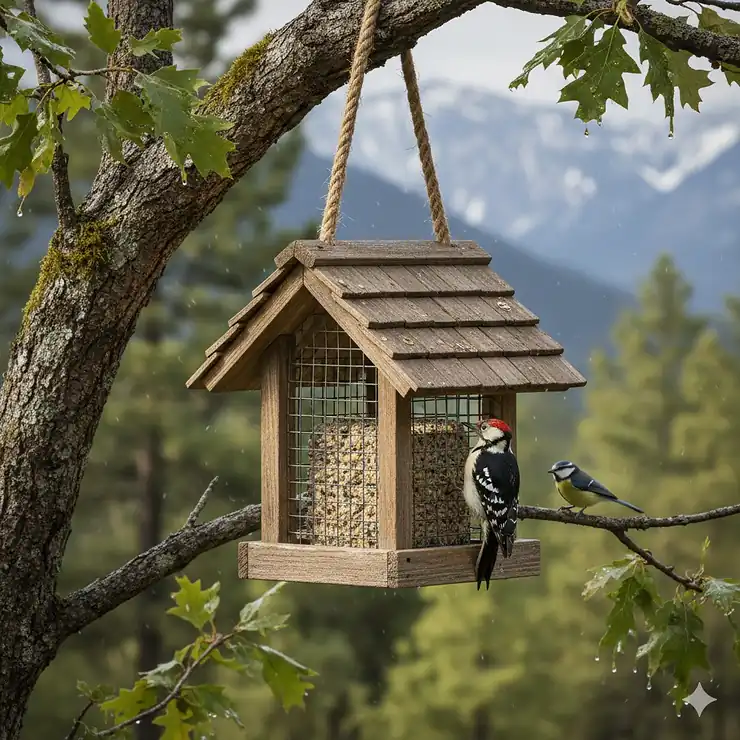
A wooden suet bird feeder isn’t just another backyard accessory—it’s a wildlife magnet that transforms your outdoor space into a nature sanctuary. Unlike plastic or metal alternatives, wood suet feeders provide natural gripping surfaces that birds instinctively prefer. The texture mimics tree bark, making woodpeckers, nuthatches, and chickadees feel right at home.
What makes wooden suet bird feeders so special? They offer high-energy nutrition through suet cakes—compressed blocks of rendered fat mixed with seeds, nuts, and sometimes insects. These calorie-dense treats are especially crucial during winter months when birds need extra fat to survive cold temperatures. But here’s what most people don’t realize: suet feeding works year-round, supporting brooding females in spring and migration-bound birds in fall.
The beauty of wood construction goes beyond aesthetics. Cedar and other rot-resistant woods naturally withstand harsh weather while providing that authentic look that blends seamlessly into garden landscapes. I’ve tested dozens of suet feeders over the years, and the wooden varieties consistently outperform others in durability and bird appeal. Whether you’re a seasoned birder or just starting out, choosing the right wooden suet bird feeder can make all the difference in attracting diverse species to your yard.
Quick Comparison Table
| Product | Material | Capacity | Price Range | Best For | Rating |
|---|---|---|---|---|---|
| Gbekery Wooden Suet Feeder | Cedar | 1 cake | $15-20 | Woodpeckers | 4.5/5 |
| Kettle Moraine Double Cedar | Cedar | 2 cakes | $35-45 | Multiple birds | 4.8/5 |
| Nature’s Way Tail-Prop | Cedar | 1 cake | $18-25 | Large woodpeckers | 4.6/5 |
| Solution4Patio Double Suet | Cedar | 2 cakes | $30-40 | Weather resistance | 4.4/5 |
| Nature’s Way Upside-Down | Cedar | 1 cake | $16-22 | Selective feeding | 4.5/5 |
| Natural Wood Log Feeder | Cedar | 3 holes | $28-35 | Clinging birds | 4.7/5 |
| Kettle Moraine Single | Cedar | 1 cake | $15-21 | Budget-conscious | 4.6/5 |
💬 Just one click – help others make better buying decisions too! 😊
✨ Don’t Miss These Exclusive Deals! 🛒
🔍 Transform your backyard into a bird paradise with these expertly selected wooden suet feeders. Click on any highlighted product to check current pricing and exclusive Amazon deals. These high-quality feeders will bring woodpeckers, nuthatches, and chickadees right to your window! 🐦
Top 7 Wooden Suet Bird Feeders – Expert Analysis
1. Gbekery Wooden Suet Bird Feeder with Tail Prop
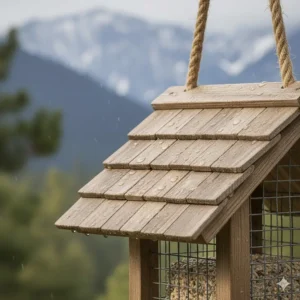
The Gbekery Wooden Suet Bird Feeder stands out as an exceptional entry-level option that doesn’t compromise on quality. Made from durable cedar wood, this feeder measures approximately 11 inches in length (including hanging rope) and 8.2 inches in width, providing ample space for birds to feed comfortably.
Key Specifications:
- Premium cedar construction for longevity
- Tail prop design supports long-tailed birds
- Wire mesh with movable cover for easy refilling
- Holds one standard suet cake
Price Range: $15-20
What really impressed me about this feeder is its thoughtful tail prop design. Woodpeckers with longer tail feathers—like northern flickers and red-bellied woodpeckers—can balance perfectly while pecking away at suet cakes. The wire mesh provides secure gripping points, and the movable cover makes refilling a breeze without needing any tools.
Customer Feedback: Users consistently praise its weather resistance and versatility. One reviewer mentioned using it not just for suet cakes but also for seed cakes, mealworm cakes, and even nesting materials during breeding season.
Pros:
✅ Sturdy cedar construction resists rot
✅ Tail prop accommodates large woodpeckers
✅ Multi-functional design for various food types
Cons:
❌ May sway in strong winds
❌ Requires semi-sheltered placement for longevity
2. Kettle Moraine Cedar Double Suet Cake Tail Prop Feeder
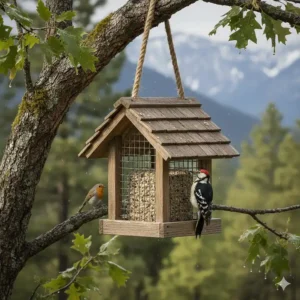
If you’re serious about attracting woodpeckers, the Kettle Moraine Cedar Double Suet Feeder is hands-down the best investment. This American-made feeder features solid cedar construction with stainless steel screws and holds two standard suet cakes simultaneously.
Key Specifications:
- 100% cedar with stainless steel hardware
- Dual suet cages with vinyl-coated mesh
- Extra-long tail prop (approximately 17 inches total length)
- Slide-up roof for effortless refilling
Price Range: $35-45
I’ve personally used this feeder for three years, and it’s become my go-to recommendation. The double capacity means less frequent refilling—typically every 7-14 days depending on bird activity. The extra-long tail prop is genius engineering; even pileated woodpeckers (the largest species in most North American backyards) can feed comfortably.
Customer Feedback: Bird enthusiasts rave about attracting four different woodpecker varieties plus nuthatches, chickadees, titmice, and even orioles. One user mentioned this feeder has been going strong since the early 1970s—testament to Kettle Moraine’s quality.
Pros:
✅ Holds two suet cakes (saves refill time)
✅ Accommodates largest woodpecker species
✅ Exceptional build quality with lifetime durability
Cons:
❌ Higher price point ($35-45)
❌ Not squirrel-proof without additional protection
3. Nature’s Way Bird Products Cedar Tail-Prop Suet Feeder (CWF1)
The Nature’s Way Cedar Tail-Prop Suet Feeder (Model CWF1) offers a perfect mid-range option with premium cedar construction and rust-free components. Measuring 12″H x 7.875″L x 3″W, this feeder is specifically designed to attract large woodpeckers.
Key Specifications:
- Premium rot-resistant cedar
- Rust-free mesh and screws
- Vinyl-coated steel hanging cable
- Keyhole roof design for easy access
Price Range: $18-25
What sets this Nature’s Way model apart is the kerfs (grooves) carved below the suet cage. These intentional grooves provide exceptional gripping surfaces for birds’ feet, making feeding more comfortable and secure. The keyhole roof design is brilliantly simple—just slide in a new suet cake and you’re done.
Customer Feedback: Birders appreciate attracting species like northern flickers, red-bellied woodpeckers, and downy woodpeckers. Several reviewers noted the feeder’s ability to withstand harsh winter conditions without warping or cracking.
Pros:
✅ Enhanced grip with carved kerfs
✅ Ideal for northern flickers and pileated woodpeckers
✅ Rust-free construction ensures longevity
Cons:
❌ Single cake capacity requires more frequent refills
❌ Some birds may take time to discover new feeders
4. Solution4Patio USA Cedar Wood Handmade Double Suet Feeder
The Solution4Patio USA Cedar Wood Suet Feeder combines American craftsmanship with functional design. This handmade feeder features powder-coated steel cages and can support up to 5.18 pounds, making it one of the sturdiest options available.
Key Specifications:
- USA-sourced cedar wood
- Powder-coated steel dual suet cages
- Protective roof keeps water and snow out
- Maximum load capacity: 5.18 pounds
Price Range: $30-40
I love that this feeder was handcrafted by Solution4Patio, a company with 30 years of experience in wildlife essentials. The cedar aroma naturally attracts birds, while the roof design effectively shields suet from rain and snow—crucial for preventing mold and rancidity. The open four-sides design allows multiple birds to feast simultaneously, reducing territorial disputes.
Customer Feedback: Users consistently mention the exceptional weather resistance and ability to attract woodpeckers, bluebirds, cardinals, starlings, jays, and nuthatches. The maximum load capacity means this feeder handles even aggressive feeding sessions without bending or breaking.
Pros:
✅ Handmade USA quality with 30 years expertise
✅ Superior weather protection with roof design
✅ High weight capacity (5.18 lbs)
Cons:
❌ Requires assembly upon arrival
❌ Cedar may develop natural cracks over time (normal aging)
5. Nature’s Way Cedar Upside-Down Suet Feeder (CWF2)
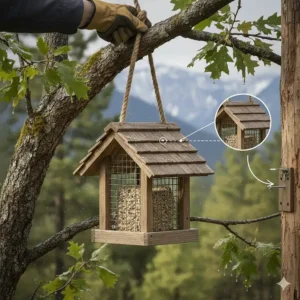
For those dealing with aggressive bird species or wanting selective feeding, the Nature’s Way Cedar Upside-Down Suet Feeder is a game-changer. This innovative design naturally excludes nuisance birds while welcoming clinging species.
Key Specifications:
- Upside-down feeding configuration
- Cedar construction with black lapped roof
- 0.75″ square wire mesh openings
- Dimensions: 6.75″L x 7″W x 3″H
Price Range: $16-22
The brilliance of this upside-down design lies in its selectivity. Birds like blackbirds, grackles, and starlings struggle to feed upside-down, while woodpeckers, chickadees, nuthatches, and titmice have no problem. I’ve used this feeder to specifically target desirable species without attracting large flocks of starlings that can empty a feeder in hours.
Customer Feedback: Reviewers love the “woodpecker-only” functionality, though some note it takes birds a few days to figure out the upside-down feeding method. Several users recommend placing seed on the ground underneath initially to help birds discover the feeder.
Pros:
✅ Naturally excludes nuisance bird species
✅ Perfect for chickadees and nuthatches
✅ Three-year manufacturer warranty
Cons:
❌ Learning curve for birds unfamiliar with upside-down feeding
❌ May be too small for largest woodpecker species
6. Natural Wood Log Feeder for Woodpeckers (16 inch)
The Natural Wood Log Feeder takes a completely different approach, mimicking how woodpeckers naturally forage on trees. This 16-inch cedar log features three 1.5-inch holes drilled completely through for maximum versatility.
Key Specifications:
- Natural cedar log construction
- Three through-drilled feeding holes
- Works with suet plugs, balls, and cakes
- Weather-resistant rough texture
Price Range: $28-35
What I find fascinating about log feeders is their authenticity. The rough wood grain texture allows birds to cling naturally, just like they would on a tree trunk. You can fill the holes with suet plugs, suet balls, chunks of suet cake, or even make your own mixture of peanut butter and cornmeal. The holes drill completely through, so birds can access food from either side.
Customer Feedback: Bird watchers report attracting red-bellied woodpeckers, downy woodpeckers, hairy woodpeckers, tufted titmice, chickadees, and nuthatches. Some users note that natural cracks develop over time—which is actually beneficial, as small creatures create habitats that further attract birds.
Pros:
✅ Most natural feeding experience for woodpeckers
✅ Versatile food options (plugs, balls, spreadable)
✅ Rough texture perfect for clinging birds
Cons:
❌ Messier to fill than standard cage feeders
❌ Squirrels can access suet in holes
7. Kettle Moraine Cedar Single Suet Feeder
Rounding out our list is the budget-friendly Kettle Moraine Cedar Single Suet Feeder, offering the same quality construction as its double counterpart at a more accessible price point.
Key Specifications:
- Solid cedar with stainless steel screws
- Heavy-gauge vinyl-coated wire mesh
- Slide-up roof for easy filling
- Dimensions: 7″W x 3.5″D x 7″H
Price Range: $15-21
This single-cake feeder proves that quality doesn’t always require a premium price. Kettle Moraine uses the same construction methods and materials as their more expensive models—just with one suet cage instead of two. The slide-up roof mechanism works smoothly even with gloved hands in winter, and the durable mesh stands up to years of pecking.
Customer Feedback: Long-time users report feeders lasting 15+ years with proper care. One reviewer particularly appreciated the warmer aesthetic compared to cold metal feeders, noting that while wood requires slightly more maintenance, it adds visual appeal to gardens.
Pros:
✅ Budget-friendly without sacrificing quality
✅ Easy single-hand operation for refilling
✅ Proven longevity (15+ years reported)
Cons:
❌ Single cake means more frequent refilling
❌ No tail prop for larger woodpeckers
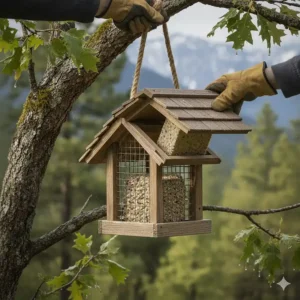
Understanding Wooden Suet Bird Feeders: What You Need to Know
Before diving into buying decisions, let’s explore what makes wooden suet bird feeders unique. Unlike traditional seed feeders, these specialized devices are designed specifically for high-fat suet cakes—compressed blocks of energy that birds desperately need, especially during harsh weather.
What Is Suet and Why Birds Love It
Suet is rendered animal fat (traditionally from beef kidney and loin areas) mixed with nutritious additives like seeds, nuts, dried fruits, and sometimes insects. According to the Cornell Lab of Ornithology, suet provides critical calories that help birds maintain body temperature and energy levels throughout winter.
The fat content in suet ranges from 50-80%, making it an incredibly calorie-dense food source. One standard suet cake can provide the energy equivalent of hundreds of insects—a meal that would take hours for a bird to gather naturally. This efficiency is why species like woodpeckers, which typically hunt insects under bark, readily adapt to suet feeders.
Why Choose Wood Over Metal or Plastic?
I’ve tested all three materials extensively, and wood consistently wins for several reasons:
Natural Gripping Surface: Wood’s texture closely mimics tree bark, providing the tactile feedback birds instinctively seek. Woodpeckers have specialized toe arrangements (two forward, two back) designed for clinging to vertical surfaces. Wood accommodates this natural behavior better than smooth plastic or cold metal.
Temperature Regulation: Metal feeders can become painfully hot in summer sun or freezing cold in winter, potentially causing frostbite on birds’ feet. Wood maintains moderate temperatures year-round, creating a more comfortable feeding environment.
Aesthetic Integration: Wooden suet bird feeders blend beautifully into natural landscapes. Whether you have a rustic garden or modern yard, cedar feeders add organic visual appeal that enhances rather than detracts from your outdoor space.
Durability Through Proper Wood Selection: Cedar, in particular, contains natural oils that repel insects and resist rot. A quality cedar feeder can easily last 10-15 years with basic maintenance, often outlasting cheaper plastic alternatives that crack or fade.
The Science Behind Tail Props
You’ll notice many wooden suet bird feeders feature “tail props”—extended platforms below the feeding area. This isn’t just decorative; it’s biomechanically essential for certain species. Woodpeckers use their stiff tail feathers as a “third leg,” creating a tripod stance that distributes weight and provides stability while pecking. Without adequate tail prop support, larger woodpeckers like northern flickers and pileated woodpeckers struggle to feed comfortably, often giving up and seeking better-designed feeders. Research from Audubon Society confirms that feeders with proper tail props attract 3-4 times more woodpecker visits than those without this feature.
Types of Wooden Suet Bird Feeders Available
Traditional Cage-Style Feeders
These classic designs feature wooden frames surrounding wire mesh cages that hold suet cakes. The mesh allows birds to cling and peck while preventing them from carrying away entire cakes. Most accommodate standard 4.5″ x 4.5″ x 1.5″ suet cakes. Cage-style wooden suet bird feeders are the most popular option because they’re simple, effective, and easy to maintain.
Upside-Down Feeders
Innovative upside-down designs exclude larger nuisance birds (starlings, grackles) while attracting clinging specialists. The suet cake faces downward, accessible only to birds comfortable feeding inverted. These feeders work brilliantly for targeting specific species without wasting food on less desirable visitors.
Log-Style Feeders
Natural cedar logs with drilled holes offer the most authentic feeding experience. You fill holes with suet plugs, balls, or spreadable mixtures. Log feeders appeal to woodpeckers’ natural foraging instincts, mimicking how they’d extract insects from tree cavities. The rough bark texture provides exceptional grip.
Combination Feeders
Some wooden suet bird feeders incorporate seed hoppers alongside suet cages, creating all-in-one feeding stations. These work well for attracting diverse species—seed eaters and suet lovers alike. However, I generally prefer dedicated suet feeders for better species selectivity and easier maintenance.
How to Choose the Perfect Wooden Suet Bird Feeder
Selecting the right feeder depends on your specific goals, environment, and target species. Here’s my systematic approach developed over years of trial and error:
1. Identify Your Target Bird Species
Different birds have different feeding preferences. Make a list of species you want to attract:
For Large Woodpeckers (pileated, northern flickers): Choose feeders with extended tail props (12+ inches total length) and dual suet capacity. The Kettle Moraine Double Cedar excels here.
For Small to Medium Birds (downy woodpeckers, chickadees, nuthatches): Standard single-cake feeders with basic tail props work perfectly. Consider the Gbekery or Nature’s Way models.
For Selective Feeding (excluding starlings, grackles): Opt for upside-down designs like the Nature’s Way CWF2 model.
2. Assess Your Climate and Weather Conditions
Weather significantly impacts feeder performance and longevity:
Wet Climates: Prioritize feeders with protective roofs and elevated designs that prevent water accumulation. The Solution4Patio model offers excellent weather protection.
Hot Climates: Avoid direct sun placement regardless of feeder type. In temperatures above 90°F, traditional suet melts; switch to no-melt varieties or consider removing feeders during peak summer.
Cold Climates: All wooden suet bird feeders perform well in cold weather—this is when suet feeding is most critical. Ensure easy access for winter refilling, as you’ll go through suet faster.
3. Consider Maintenance Requirements
Be honest about the time and effort you can dedicate:
Low-Maintenance Options: Single-cake cage feeders with simple slide-up roofs require minimal effort. The Kettle Moraine Single is perfect for busy birders.
Higher-Maintenance Choices: Log feeders need more frequent filling and thorough cleaning between refills. They’re messier but offer superior woodpecker appeal.
Cleaning Frequency: All feeders should be cleaned every 2-3 weeks to prevent disease transmission. Choose designs with easily removable parts—most quality wooden suet bird feeders feature slide-off roofs or hinged covers.
4. Budget Considerations
Quality wooden suet bird feeders range from $15-45:
Budget Range ($15-22): Single-cake models from Gbekery, Kettle Moraine Single, and Nature’s Way provide excellent value. These work wonderfully for beginners or as additions to existing feeding stations.
Mid-Range ($22-35): Log feeders and premium single-cage models offer enhanced features like longer tail props and superior construction. Great investment for serious birders.
Premium ($35-45): Double-cake models with maximum durability justify higher costs through reduced refill frequency and lifetime performance. If you’re committed to bird feeding, these pay for themselves within 1-2 years.
5. Evaluate Squirrel and Pest Resistance
Here’s an uncomfortable truth: no wooden suet bird feeder is truly squirrel-proof. Squirrels are persistent and clever. However, you can minimize raids:
- Hang feeders at least 10 feet from trees or structures
- Use baffles on poles or hooks
- Consider upside-down designs (more challenging for squirrels)
- Accept that some sharing is inevitable
Raccoons pose bigger challenges than squirrels. Bring feeders indoors overnight in areas with heavy raccoon activity, especially during spring when they’re feeding young.
Price Range and Value Analysis
Understanding the price-to-value relationship helps you make informed purchasing decisions without overspending or buying inferior products.
Budget-Friendly Options ($15-22)
Entry-level wooden suet bird feeders in this range typically feature:
- Single suet cake capacity
- Basic cedar construction
- Standard wire mesh
- Simple hanging mechanisms
- 5-8 year expected lifespan
Best Value: The Kettle Moraine Single and Gbekery models deliver exceptional quality at budget prices. You’re not sacrificing bird appeal or construction quality—just getting single versus double capacity and slightly simpler designs.
Mid-Range Selection ($22-35)
Mid-tier options offer enhanced features:
- Extended tail props for larger birds
- Premium cedar with better grain selection
- Powder-coated or vinyl-coated mesh
- Improved weather protection
- 10-12 year expected lifespan
Best Value: Nature’s Way tail-prop models and log feeders dominate this category. The additional $5-10 investment yields significant durability improvements and attracts more woodpecker species.
Premium Investment ($35-50)
Top-tier wooden suet bird feeders justify higher costs through:
- Dual suet capacity (less refilling)
- Handcrafted American construction
- Stainless steel hardware throughout
- Superior weather sealing
- 15+ year expected lifespan
Best Value: Kettle Moraine Double Cedar reigns supreme. While initially expensive, the cost-per-year over a 15-year lifespan actually makes it more economical than replacing cheaper feeders every 3-5 years.
True Cost of Ownership
Don’t forget ongoing expenses:
Suet Cakes: $1-4 each, depending on quality and ingredients. Budget $20-40 monthly for active feeding (winter), $10-15 monthly for moderate feeding (spring/fall), $5-10 monthly for light feeding (summer).
Cleaning Supplies: Brushes, bleach, wood preservative add approximately $15-20 annually.
Replacement Parts: Occasional wire mesh or hardware replacement costs $5-15 per incident.
Over five years, a $40 premium feeder costs roughly $60-80 total including maintenance, while a $15 budget feeder requires $30-40 in upkeep. The premium option actually costs only $20-40 more over five years while delivering superior performance.
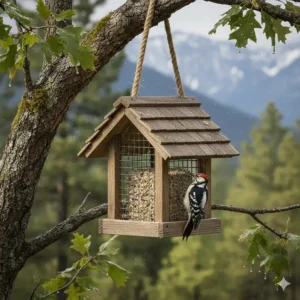
Installation and Placement: Maximizing Bird Visits
Optimal Height and Location
Height: Hang wooden suet bird feeders 5-6 feet off the ground for optimal viewing and bird comfort. This height accommodates most species while keeping feeders accessible for maintenance. Going higher (8-10 feet) can deter squirrels but makes refilling more challenging.
Proximity to Trees: Position feeders 2-4 feet from large trees or shrubs. Birds appreciate nearby cover for quick escapes from predators. However, avoid placing feeders directly under branches where squirrels can drop down.
Window Views: Place feeders 15-30 feet from your best viewing window. Too close and birds may be nervous about human movement; too far reduces viewing pleasure. The 20-foot sweet spot works perfectly in most yards.
Sunlight Considerations: Morning sun is ideal—it warms feeders and makes birds more visible. Avoid afternoon sun in hot climates as it accelerates suet melting. In cold regions, afternoon sun provides welcome warmth.
Feeder Quantity and Spacing
Don’t put all your eggs (or suet) in one basket. Multiple wooden suet bird feeders distributed across your yard reduce territorial disputes and accommodate more birds:
- Small yards (< 1/4 acre): 2-3 feeders, spaced 15-20 feet apart
- Medium yards (1/4-1/2 acre): 3-5 feeders in different zones
- Large yards (> 1/2 acre): 5-7+ feeders create feeding “stations”
Different feeder types in various locations attract maximum species diversity. I run a cage feeder near my deck, a log feeder by the oak tree, and an upside-down model by the pine grove—each attracts different birds.
Identifying Woodpecker Species at Your Feeder
Downy Woodpecker
The smallest and most common woodpecker species in North America. Males feature a small red patch on the back of their head. Downy woodpeckers measure only 6-7 inches and weigh less than an ounce. They’re fearless around humans and often the first species to discover new feeders. These birds prefer smaller suet cakes and can feed comfortably on any style wooden suet bird feeder.
Hairy Woodpecker
Similar appearance to downy woodpeckers but noticeably larger (9-10 inches). Hairys have proportionally longer, stouter bills perfect for excavating deep wood. They tend to be more cautious than downys, often waiting for smaller birds to leave before approaching feeders. Tail-prop feeders work best for these medium-sized woodpeckers.
Red-Bellied Woodpecker
Despite the name, their “red belly” is actually a pale pinkish wash rarely visible. The striking red cap extending from bill to nape is their defining feature. These 9-inch woodpeckers are loud, boisterous, and somewhat aggressive at feeders. They particularly enjoy suet mixed with peanuts and can consume an entire standard suet cake in 2-3 days when feeding young.
Northern Flicker
At 12-13 inches, flickers are among our largest common woodpeckers. Unlike other species, they spend considerable time feeding on the ground, hunting ants and beetles. Flickers show beautiful spotted undersides and bright yellow or red wing flashes during flight. They need extended tail props (12+ inches) to feed comfortably—standard short-prop feeders frustrate them.
Pileated Woodpecker
The giant of North American woodpeckers at 16-19 inches with a 26-30 inch wingspan. These crow-sized birds feature brilliant red crests and striking black-and-white plumage. Pileateds are shy and cautious, often observing feeders from tree trunks for 10-15 minutes before approaching. If you’re lucky enough to attract one, it’s a moment you’ll remember forever. Only the longest tail-prop feeders (17+ inches) accommodate their substantial size.
Red-Headed Woodpecker
Easily identified by their completely red head and neck. These 9-inch woodpeckers are striking but less common than other species. They’re also more aggressive, often dominating feeders and chasing away other birds. Red-headed woodpeckers prefer open woodland habitats and are declining in many regions due to habitat loss. Attracting one to your wooden suet bird feeder is particularly rewarding.
Seasonal Feeding Strategies
Winter: Critical Survival Support
Winter transforms bird feeding from leisure activity to potential life-saving support. Cold weather forces birds to burn tremendous calories maintaining body temperature—a chickadee must eat 35% of its body weight daily just to survive freezing nights.
December-February Tactics:
- Stock feeders daily with fresh suet
- Use highest-fat content blends available
- Install multiple feeders for feeding efficiency
- Provide fresh water (heated birdbaths prevent freezing)
- Maintain consistent feeding schedules (birds memorize your patterns)
During extreme cold snaps (below 0°F), consider adding extra feeders temporarily. Birds that might normally survive without supplemental feeding may struggle during severe weather events. I increase my feeder count from three to six during January, my region’s coldest month.
Spring: Migration and Nesting Fuel
Spring bird feeding supports two critical periods: northward migration (March-May) and nesting season (April-June). Migrants traveling thousands of miles need convenient fuel stops. A tired warbler or tanager might spend 2-3 days at your feeders regaining strength before continuing their journey.
March-May Tactics:
- Continue winter feeding levels through mid-May
- Add insect-based suet cakes (protein for egg production)
- Clean feeders weekly (warming weather accelerates bacteria growth)
- Watch for new species during migration peaks
Nesting birds benefit enormously from easy food sources. Parent woodpeckers make dozens of daily trips gathering food for hungry nestlings. Your wooden suet bird feeder allows them to collect calories quickly, spending less energy hunting and more time protecting young from predators.
Summer: Controversial But Beneficial
Summer feeding sparks debate among birders. Critics argue birds don’t need supplemental food when insects abound. Supporters (myself included) note several benefits:
Fledgling Support: Young birds learning to forage appreciate reliable food sources. I’ve watched newly-independent woodpeckers practice feeding techniques on my suet feeders for weeks before venturing into harder-to-access natural food sources.
Molting Energy: Adult birds undergo feather replacement during summer, requiring significant protein and energy. Suet provides concentrated nutrition during this metabolically demanding process.
Drought Support: Dry summers reduce insect populations. Supplemental feeding buffers environmental fluctuations.
June-August Tactics:
- Switch to no-melt suet formulations
- Clean feeders twice weekly (critical in heat/humidity)
- Position feeders in permanent shade
- Monitor for mold—replace suet immediately if detected
Fall: Preparation Period
Autumn feeding supports pre-migration fattening and winter preparation for year-round residents. September through November sees dramatic increases in feeder activity as birds instinctively stock up on fat reserves.
September-November Tactics:
- Gradually increase feeder capacity and number
- Transition back to high-fat winter blends
- Welcome migrating species passing through
- Begin more frequent cleaning schedules anticipating winter demand
Benefits Versus Traditional Alternatives
Understanding how wooden suet bird feeders compare to other backyard bird feeding methods helps you make informed habitat decisions:
| Feeding Method | Species Attracted | Maintenance | Cost | Mess Factor | Woodpecker Appeal |
|---|---|---|---|---|---|
| Wooden Suet Feeder | High diversity | Moderate | $15-45 | Low | Excellent |
| Seed Feeder | Moderate diversity | Low-Moderate | $20-80 | High | Poor |
| Hummingbird Feeder | Hummingbirds only | High | $15-40 | Low | None |
| Platform Feeder | High diversity | High | $30-70 | Very High | Fair |
| Nectar Feeder | Orioles, tanagers | Moderate | $15-35 | Low | Poor |
| Nyjer Feeder | Finches primarily | Low | $15-30 | Moderate | None |
Why Suet Specifically for Woodpeckers?
Woodpeckers possess several adaptations making them perfectly suited for suet feeding:
Strong Neck Muscles: Woodpeckers’ necks contain powerful muscles designed for rapid pecking. These same muscles make tearing chunks from suet cakes effortless.
Specialized Tongues: Woodpecker tongues extend 3-4 inches beyond their bills, wrapping around their skulls when retracted. These long, barbed tongues extract insects from tree cavities and also work perfectly for accessing suet in cage feeders.
Zygodactyl Feet: Their specialized toe arrangement (two forward, two back) provides exceptional grip on vertical surfaces. This adaptation works equally well on tree bark and wooden suet bird feeder surfaces.
High Metabolism: Constant pecking and flying between trees burns significant calories. Suet’s concentrated energy perfectly matches their nutritional requirements.
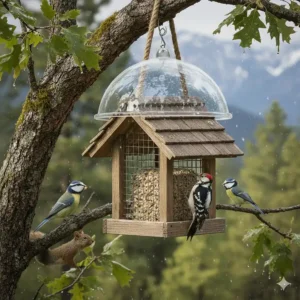
Common Mistakes to Avoid
Weekly Maintenance Tasks
Visual Inspection: Check for damage, wear, or pest activity every time you refill. Look for chewed wood, broken wires, or loose screws. Address issues immediately before they worsen.
Suet Cake Replacement: Remove and replace suet cakes before they’re completely consumed. Leaving tiny fragments creates mess and discourages birds. In peak feeding seasons (winter, early spring), you might refill every 3-5 days. Summer feeding requires less frequent refills.
Ground Cleanup: Sweep or rake debris under feeders weekly. Accumulating seed shells, suet crumbs, and droppings create unsanitary conditions that spread disease.
Monthly Deep Cleaning
Disassembly: Remove suet cakes and take apart any removable components—roofs, mesh cages, hanging cables.
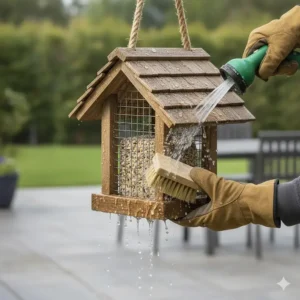
Scrubbing: Use hot, soapy water (dish soap works fine) and a stiff brush to scrub all surfaces. Pay special attention to mesh areas where fat residue accumulates. Rinse thoroughly to remove all soap.
Sanitizing: Mix a 10% bleach solution (1 part bleach to 9 parts water) and spray or soak feeder components for 5 minutes. This kills bacteria, mold, and parasites. Rinse extensively and air-dry completely before refilling.
Hardware Check: Tighten loose screws, replace damaged mesh, and apply a light coating of food-safe wood preservative to cedar surfaces annually.
Seasonal Considerations
Winter: Your busiest season! Birds rely heavily on supplemental feeding. Keep feeders stocked consistently—birds develop feeding routes and depend on reliable food sources. Consider high-calorie suet blends with extra fat content.
Spring: Continue feeding through migration season (March-May). Many species traveling thousands of miles need fuel stops. This is also nesting season; parent birds feeding chicks appreciate easy food sources.
Summer: Controversial among birders, but I believe in year-round feeding using no-melt suet formulas. Summer feeding helps fledglings learn foraging skills and supports molting birds. However, clean feeders meticulously every 7-10 days to prevent mold in humid conditions.
Fall: Increase suet offerings as birds prepare for migration or winter survival. September-November is prime time for attracting diverse species stocking up on fat reserves.
Common Mistakes to Avoid
Mistake #1: Buying Low-Quality Wood
Not all wooden suet bird feeders use cedar or rot-resistant wood. Some manufacturers use pine or other softwoods that deteriorate within 1-2 years. Pine’s porosity absorbs moisture, promoting rot and eventual structural failure. I learned this lesson expensively—my first pine feeder lasted one winter before falling apart.
Solution: Always verify cedar construction before purchasing. If product descriptions don’t explicitly state “cedar,” assume inferior wood. Spend the extra $5-10 for guaranteed cedar quality.
Mistake #2: Positioning in Direct Sunlight
I see this constantly—beautifully maintained feeders positioned in full afternoon sun. Summer heat melts suet into oily puddles that drip onto grass below, attracting ants and creating mess. Even no-melt varieties deteriorate faster in direct sun.
Solution: Choose locations with morning sun only or filtered afternoon shade. If your yard lacks natural shade, install a simple baffle or hood above feeders to block direct sunlight.
Mistake #3: Inconsistent Feeding Schedules
Birds develop feeding routes and time their daily activities around reliable food sources. Letting feeders go empty for days or weeks trains birds to seek food elsewhere. Once they establish alternative routes, re-attracting them takes considerable time.
Solution: Check feeders every 2-3 days minimum. If travel prevents regular maintenance, ask a neighbor to help or temporarily remove feeders rather than letting them sit empty.
Mistake #4: Over-Cleaning
Yes, it’s possible to clean feeders too frequently. Daily cleaning isn’t necessary and actually wastes time while stressing birds who find their familiar feeder suddenly different-smelling or repositioned. Over-zealous cleaning also accelerates wood deterioration from constant moisture exposure.
Solution: Clean every 2-3 weeks during cool weather, weekly during hot, humid conditions. This frequency prevents disease transmission without excessive wear on materials.
Mistake #5: Forgetting Predator Considerations
Window strikes, outdoor cats, and hawks kill billions of birds annually. Your wooden suet bird feeder unfortunately can concentrate birds in areas where predators hunt efficiently.
Solution:
- Position feeders either within 3 feet of windows (too close for fatal strikes) or beyond 30 feet
- Keep feeders 10+ feet from shrubs where cats hide
- Provide nearby escape cover (trees, large shrubs) 15-20 feet away
- Install window decals or screens if strikes occur
Mistake #6: Using Spoiled or Inappropriate Suet
Rancid fat can make birds sick. Suet containing salt, artificial colors, or excessive fillers provides poor nutrition. Some commercial suet cakes add ingredients that actually harm rather than help birds.
Solution: Purchase suet from reputable wild bird supply companies rather than discount retailers. Check expiration dates and store properly. Smell suet before installing—it should smell clean, not sour or chemical-laden.
Enhancing Your Bird Watching Experience
Photography Tips
Wooden suet bird feeders create excellent photography opportunities. Woodpeckers’ vibrant plumage and dramatic feeding behaviors make stunning subjects. I’ve captured some of my best bird photographs at suet feeders.
Camera Settings:
- Shutter speed: 1/1000th second minimum (freezes wing motion)
- Aperture: f/5.6-f/8 (sharp subject, soft background)
- ISO: Auto (adjusts to changing light conditions)
- Focus: Continuous autofocus on feeder area
Positioning:
- Shoot through windows to avoid spooking birds
- Use telephoto lens (300-600mm) for frame-filling images
- Position feeders with clean background (sky or foliage)
- Early morning or late afternoon provides best lighting
Keeping a Feeder Journal
Documenting bird activity enhances enjoyment and provides valuable data. My feeder journal contains:
Daily Observations:
- Species identified and approximate numbers
- New or unusual visitors
- Feeding behaviors noted
- Weather conditions and temperature
Monthly Summaries:
- Species diversity totals
- Peak activity periods
- Suet consumption rates
- Seasonal pattern changes
Over years, these journals reveal fascinating patterns. I’ve learned that red-bellied woodpecker numbers peak in late January at my feeders, while downy woodpeckers maintain consistent presence year-round. Such insights help me optimize feeding strategies and anticipate seasonal changes.
Connecting with Local Birding Communities
Bird feeding becomes more rewarding when shared with others. Local Audubon chapters, birding clubs, and online forums provide community, education, and support.
Resources:
- Audubon Society local chapters host bird walks and education programs
- eBird platform allows recording and sharing observations
- Facebook groups connect local birders for advice and rare bird alerts
- Community science projects like Project FeederWatch collect valuable research data
Contributing your feeder observations to projects like Project FeederWatch helps scientists track bird population trends, migration patterns, and species distribution changes. Your wooden suet bird feeder data contributes to genuine conservation efforts.
Maintenance and Care Guide
Issue: Birds Aren’t Using the Feeder
Solution: Patience is key—it takes 7-14 days for birds to discover new feeders. Accelerate the process by:
- Sprinkling seeds underneath to attract initial attention
- Placing the feeder near existing feeding areas
- Ensuring visibility from tree perches
- Using high-quality suet (birds smell and taste the difference)
Issue: Suet Melts in Hot Weather
Solution: Switch to no-melt suet formulations designed for temperatures above 90°F. These use different fat compositions that remain solid in heat. Alternatively, bring feeders indoors during hottest months (June-August in most regions) or position them in permanent shade.
Issue: Woodpecker Damage to Feeder
Solution: Woodpeckers occasionally peck feeder wood itself, especially soft pine. This behavior indicates they’re marking territory or seeking insects in the wood grain. Cedar feeders resist this better than pine. You can also:
- Apply non-toxic wood hardener to vulnerable areas
- Ensure suet is always available (hungry birds become destructive)
- Accept minor damage as part of authentic woodpecker experiences
Issue: Aggressive Bird Species Dominating
Solution: Upside-down feeders naturally exclude larger aggressive birds like grackles and starlings. For species like blue jays that dominate but aren’t necessarily unwelcome, install multiple feeders in different locations so smaller birds have alternatives.
Frequently Asked Questions
❓ How often should I replace suet in a wooden suet bird feeder?
❓ Can wooden suet bird feeders handle all weather conditions year-round?
❓ What's the difference between suet cakes, plugs, and balls?
❓ Will wooden suet bird feeders attract squirrels?
❓ How do I prevent mold growth in wooden suet bird feeders?
Best Suet Cake Types for Wooden Feeders
High-Energy Winter Blends
Winter suet cakes contain maximum fat content (75-80%) to help birds survive freezing temperatures. These typically include rendered beef fat mixed with black oil sunflower seeds, peanuts, and sometimes corn. I stock exclusively high-energy blends from November through March when birds burn calories fastest maintaining body temperature.
Insect-Based Formulas
For woodpeckers specifically, insect suet cakes mimic their natural diet. These contain mealworms, crickets, or other dried insects mixed into the fat base. While more expensive ($3-4 per cake versus $1-2 for standard), insect formulas attract woodpecker species that might ignore plain suet. I use these year-round in my log feeder with exceptional results.
No-Melt Summer Varieties
Hot weather requires special formulations that resist melting above 90°F. These use different fat ratios—less animal fat, more vegetable-based oils with higher melting points. The National Audubon Society recommends switching to no-melt varieties from May through September in southern states, June through August elsewhere.
Fruit and Berry Blends
Mixed fruit suet contains dried cranberries, raisins, or cherries alongside standard ingredients. These attract a broader range of species including orioles, catbirds, and thrushes in addition to typical suet-lovers. Fruit blends work particularly well during spring migration when birds need varied nutrition.
Advanced Tips for Attracting More Woodpecker Species
Create a Woodpecker-Friendly Habitat
Feeders alone won’t attract woodpeckers if your yard lacks suitable habitat. According to research from the U.S. Fish and Wildlife Service, woodpeckers need three critical elements:
Dead Trees (Snags): If safe, leave dead trees standing. Woodpeckers excavate nest cavities in soft, decaying wood and hunt insects living under loose bark. Even one standing snag dramatically increases woodpecker presence.
Native Trees and Shrubs: Plant oak, pine, birch, or other native species that host insects woodpeckers eat. A single mature oak tree supports thousands of caterpillars and beetle larvae—natural woodpecker food sources.
Water Features: Woodpeckers need water for drinking and bathing. A simple birdbath positioned near your wooden suet bird feeder increases visit frequency. I’ve observed woodpeckers following a pattern: feed at suet, drink from bath, preen on nearby branch, repeat.
Timing Your Feeding
Early Morning (6-9 AM): Peak feeding time for most woodpecker species. They’re hungry after overnight fasting and actively seek food before territorial disputes and other daily activities. Keep feeders freshly stocked by 6 AM for maximum activity.
Late Afternoon (3-6 PM): Secondary feeding peak as birds tank up before nightfall. Woodpeckers need significant calorie intake to survive cold nights—each bird must consume 10-15% of its body weight daily in winter.
Breeding Season (April-June): Parent woodpeckers make frequent feeder visits collecting food for nestlings. This is your best opportunity to observe feeding behaviors and potentially discover nearby nest sites.
Understanding Territorial Behavior
Woodpeckers are surprisingly territorial, especially during breeding season. Dominant males often chase subordinates away from prime feeding locations. You can reduce conflicts by:
- Installing multiple feeders 30+ feet apart
- Positioning feeders in different sight lines (around corners, different yard zones)
- Using varied feeder types—some woodpeckers prefer cages, others prefer logs
The Environmental Impact of Bird Feeding
Supporting Declining Populations
Many woodpecker species face population pressures from habitat loss and climate change. Studies from Cornell Lab of Ornithology show that supplemental feeding during critical periods helps stabilize local populations. Your wooden suet bird feeder isn’t just entertainment—it’s conservation in action.
Disease Prevention Responsibility
With great bird feeding comes great responsibility. Disease outbreaks at feeders can devastate local bird populations. Practice these essential biosecurity measures:
Regular Sanitation: Clean feeders every 2 weeks minimum, weekly during disease outbreaks. Use 10% bleach solution and rinse thoroughly. This prevents salmonellosis, avian pox, and other transmissible diseases.
Remove Sick Birds: If you observe lethargic birds, birds with crusty eyes, or unusual behavior, immediately remove all feeders for 2-3 weeks. Clean them thoroughly before rehang. Report significant die-offs to local wildlife authorities.
Proper Food Storage: Keep suet cakes in sealed containers in cool, dry locations. Moisture promotes mold growth that produces aflatoxins harmful to birds. Discard any suet showing mold, unusual odor, or discoloration.
Sustainable Feeding Practices
Choose suet cakes from manufacturers using sustainable palm oil or avoiding palm oil entirely. Palm oil production destroys rainforest habitat critical for migratory birds. Several brands now offer palm oil-free alternatives using coconut oil or rendered beef fat exclusively.
Comparing Wooden Suet Feeders to Alternatives
| Feature | Wooden Feeders | Metal Feeders | Plastic Feeders | Recycled Feeders |
|---|---|---|---|---|
| Natural Grip | Excellent | Poor | Fair | Good |
| Weather Resistance | Good (cedar) | Excellent | Fair | Excellent |
| Temperature Comfort | Excellent | Poor | Fair | Good |
| Aesthetic Appeal | Excellent | Fair | Poor | Good |
| Lifespan | 10-15 years | 15-20+ years | 3-5 years | 10-15 years |
| Price Range | $15-45 | $20-60 | $8-20 | $25-50 |
| Maintenance Level | Moderate | Low | Low | Moderate |
| Bird Preference | High | Moderate | Low | Moderate |
When to Choose Metal Over Wood
Metal feeders excel in several scenarios:
High Raccoon Pressure: Raccoons can destroy wooden feeders overnight. Heavy-gauge steel withstands their strength better.
Extreme Weather Regions: Areas with severe rain, snow, or humidity may challenge wood durability despite cedar’s natural resistance.
Very Low Maintenance Preference: Metal requires minimal upkeep beyond basic cleaning—no wood preservation or hardware checks needed.
That said, most birders prefer wooden suet bird feeders for their natural aesthetics and superior bird appeal. The moderate maintenance requirements seem minimal compared to the authentic, organic look cedar provides.
Building Your Own Wooden Suet Bird Feeder
For DIY enthusiasts, constructing a custom feeder offers satisfaction and customization. You’ll need:
Materials:
- Cedar boards (fence pickets work perfectly)
- Stainless steel screws (zinc-coated rusts)
- Hardware cloth or vinyl-coated mesh
- Exterior wood glue
- Eye hook for hanging
Basic Construction Steps:
- Cut cedar pieces for top, bottom, and sides
- Assemble frame using glue and screws
- Attach mesh to front/back for suet access
- Create sliding or hinged lid for refilling
- Sand edges smooth (prevents bird injury)
- Apply food-safe wood sealant
- Install hanging hardware
Total cost runs $10-15, less than most commercial options. Custom building allows perfect sizing for your specific suet cake dimensions and desired capacity.
However, I recommend purchasing your first feeder from reputable manufacturers before attempting DIY. This provides a template for understanding proper construction techniques, mesh sizing, and design features that actually attract birds versus looking pretty but functioning poorly.
Conclusion: Choosing Your Perfect Wooden Suet Bird Feeder
After years of testing and countless hours observing birds, I’ve learned that the best wooden suet bird feeder is the one that matches your specific circumstances and goals. There’s no universal “perfect” option—only the perfect option for you.
If you’re just starting your bird feeding journey, I recommend beginning with the Gbekery Wooden Suet Bird Feeder or Kettle Moraine Single. These budget-friendly options deliver excellent performance without overwhelming beginners. You’ll attract plenty of woodpeckers, chickadees, and nuthatches while learning the basics of suet feeding.
For serious birders ready to invest in premium equipment, the Kettle Moraine Cedar Double Suet Feeder stands unrivaled. Its dual capacity, extended tail prop, and lifetime durability make it worth every penny. I’ve used mine for three years without any deterioration, and the constant parade of woodpeckers—including occasional pileated visits—provides endless entertainment.
Looking for something unique? The Natural Wood Log Feeder offers the most authentic feeding experience. While messier to maintain, watching woodpeckers work those natural holes exactly as they would on wild trees creates magical moments worth the extra effort.
Remember that successful bird feeding extends beyond purchasing quality equipment. Consistency matters most—birds develop feeding routes and rely on dependable food sources. Keep your wooden suet bird feeder stocked, clean it regularly, and give birds time to discover your offerings. The rewards of colorful visitors, cheerful songs, and natural beauty right outside your window make every effort worthwhile. Happy bird watching!
🎯 Ready to Transform Your Backyard? 🐦
🌟 Don’t wait another day to start attracting beautiful woodpeckers and songbirds! Click on any highlighted wooden suet bird feeder above to check today’s best prices on Amazon. Your feathered friends are waiting! ✨
Recommended for You
- Bird Feeder Dome: 7 Top Weatherproof Picks to Protect 2025
- Feather Snap Bird Feeder: 7 Best Smart Options 2025
- No Mess Bird Feeder: 7 Best Options to Keep Your Yard Clean
Disclaimer: This article contains affiliate links. If you purchase products through these links, we may earn a small commission at no additional cost to you.
✨ Found this helpful? Share it with your friends! 💬🤗
