
In This Article
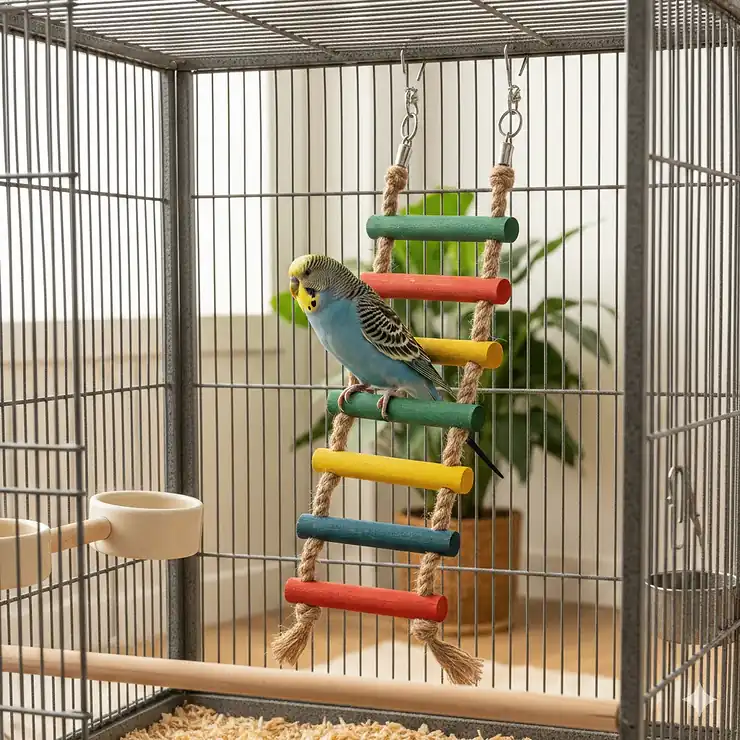
Have you ever watched your parrot cling to the cage bars, desperately trying to climb? I’ll never forget the day my cockatiel, Mango, discovered his first bird rope ladder. What started as cautious curiosity transformed into his favorite daily workout routine, and honestly, it changed everything about his mood and physical health.
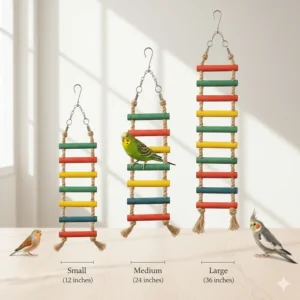
A bird rope ladder isn’t just another cage accessory—it’s essential climbing equipment that mimics the natural vertical space birds navigate in the wild. Research from the Veterinary Partner network shows that environmental enrichment, including climbing structures, helps prevent stress-related behaviors like feather plucking and excessive screaming in captive birds.
Whether you’re setting up a multi-level cage setup for your African Grey or looking for bird exercise equipment for your budgie, this guide breaks down the top 7 rope ladder for parrots available in 2026. I’ve tested dozens of climbing ladder for birds products, analyzed customer feedback from thousands of bird owners, and consulted with avian veterinarians to bring you only the most reliable options that’ll keep your feathered companion healthy, engaged, and genuinely happy.
Quick Comparison Table
| Product | Length | Material | Best For | Price Range |
|---|---|---|---|---|
| PINVNBY Bird Rope Ladder (2 PCS) | 23.6″ | Natural wood & rope | Small-medium birds | $12-18 |
| Prevue Naturals Rope Ladder 62806 | 20″ | Hevea wood & sisal | All sizes | $10-21 |
| SunGrow Wooden Bird Ladder | 19.6″ | Raw wood & steel wire | Small-medium birds | $8-14 |
| Wontee Bird Climbing Ladder | 15-20″ | Cotton rope & wood | Parakeets, cockatiels | $9-15 |
| SIMENA Bird Cage Ladder | 18-24″ | Natural wood & rope | Medium birds | $11-17 |
| QUOZUO 8 PCS Set | Varies | Colorful wood & rope | Small birds | $15-23 |
| DS Distinctive Style Ladder | 39″ | Flexible wood bridge | Large parrots | $18-28 |
💬 Just one click – help others make better buying decisions too!😊
✨ Don’t Miss These Exclusive Deals!
🔍 Take your bird’s climbing to the next level with these carefully selected products. Click on any highlighted item to check current pricing and availability. These tools will help you create authentic vertical climbing space your feathered friend will love!
Top 7 Bird Rope Ladder: Expert Analysis
1. PINVNBY Bird Parakeet Toys Rope Ladder (2 PCS)
The PINVNBY Bird Parakeet Toys set delivers incredible value with two complete pieces: a 23.6-inch rope ladder and a swing hammock combo. Made from natural wood beads and cotton rope, this bird ladder toys package is perfect for creating a dynamic multi-level cage setup.
Key Specifications:
- Dimensions: 23.6″ L × 3.2″ W
- Material: Natural wood, cotton rope, safe bells
- Weight capacity: Up to medium-sized parrots
Customer feedback consistently praises the durability. One verified buyer shared: “My conure has been using this for six months straight, and it still looks brand new despite daily climbing sessions.”
✅ Pros:
- Two-piece set offers excellent value
- Easy installation with metal hooks
- Vibrant colors stimulate bird interest
❌ Cons:
- Cotton rope may fray with heavy chewers
- Best suited for small to medium birds only
Price Range: $12-18 | Best For: Budgies, cockatiels, conures, parakeets
2. Prevue Pet Products Naturals Rope Ladder 62806
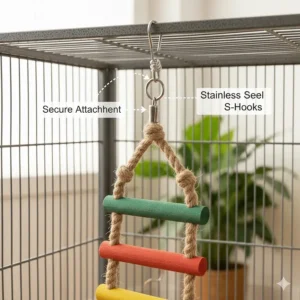
The Prevue Pet Products Naturals ladder stands out as an eco-conscious choice. Handmade from 100% natural, sustainable Hevea wood branches and natural sisal rope, this climbing ladder for birds provides 13 irregular-shaped rungs that encourage healthy foot exercise.
Key Specifications:
- Dimensions: 20″ total length, 13″ ladder span, 3″ width
- Material: Hevea wood branches, natural sisal rope
- Design: Irregular branch shapes for natural grip
According to ZuPreem’s bird enrichment research, natural textures like these promote instinctive climbing behaviors while strengthening leg muscles.
✅ Pros:
- 100% natural, sustainable materials
- Irregular shapes encourage foot muscle development
- No dyes or toxic chemicals
❌ Cons:
- Lighter construction may not suit aggressive chewers
- Some buyers noted shorter-than-expected rope length
Price Range: $10-21 | Best For: Small to large hooked-billed birds
3. SunGrow Wooden Bird Ladder Bridge
The SunGrow Wooden Bird Ladder brings vibrant color and functionality together. With beads dyed in edible, bird-safe colors, this 19.6-inch ladder serves as both bird exercise equipment and visual enrichment for your cage.
Key Specifications:
- Dimensions: 19.6″ length
- Material: Raw wood rungs, edible dye beads, steel wire connectors
- Colors: Multiple bright, bird-safe colors
A Chewy customer review revealed: “My parakeets spent the first hour just exploring all the colorful beads. Now it’s their preferred route across the entire cage.”
✅ Pros:
- Bright colors provide visual stimulation
- Durable steel wire construction
- Flexible design adapts to different cage configurations
❌ Cons:
- Steel wire may be too firm for some setups
- Medium length limits use in larger aviaries
Price Range: $8-14 | Best For: Parakeets, cockatiels, budgies, small conures
4. Wontee Bird Rope Climbing Ladder
Wontee Bird Rope ladders focus on soft, comfortable climbing experiences. Made with premium cotton rope and smooth wooden rungs, these cotton rope ladder for parrots excel in providing gentle surfaces for delicate feet.
Key Specifications:
- Dimensions: 15-20″ (varies by model)
- Material: Cotton rope, smooth wood
- Installation: Quick-link hooks included
Wontee’s commitment to small pet welfare shows in their design—each rung is carefully sanded to prevent splinters, and the cotton rope provides excellent grip without causing abrasions.
✅ Pros:
- Soft cotton gentle on bird feet
- Smooth, splinter-free wooden rungs
- Affordable pricing for quality materials
❌ Cons:
- Cotton can pose ingestion risks if birds shred it
- Requires supervision with aggressive chewers
Price Range: $9-15 | Best For: Parakeets, cockatiels, budgies, lovebirds
5. SIMENA Bird Cage Ladder
The SIMENA Bird Cage ladder combines traditional construction with modern safety standards. This rope ladder for parrots features natural wood rungs connected with heavy-duty rope, creating a reliable climbing surface.
Key Specifications:
- Dimensions: 18-24″ (multiple sizes available)
- Material: Natural untreated wood, reinforced rope
- Design: Traditional ladder configuration
SIMENA products are tested for bird safety, ensuring no lead, zinc, or toxic paints. The Association of Avian Veterinarians recommends rope climbing nets and ladders as excellent ways to encourage movement in bird enclosures.
✅ Pros:
- Multiple size options available
- Reinforced rope for durability
- Natural, untreated materials
❌ Cons:
- Limited color variety
- Some customers report inconsistent rung spacing
Price Range: $11-17 | Best For: Small to medium parrots, cockatiels, conures
6. QUOZUO 8 PCS Bird Toys for Parakeets
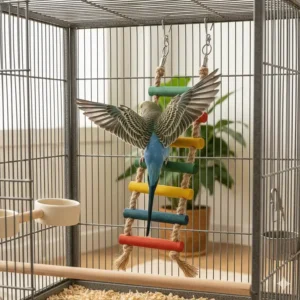
The QUOZUO 8 PCS set isn’t just a ladder—it’s a complete bird exercise equipment package. This comprehensive collection includes colorful ladders, hammocks, perch stands, chewing toys, and hanging bells.
Key Specifications:
- Components: 8 different bird toys including ladders
- Material: Colorful wood, rope, bells
- Set value: Complete cage accessory package
One Amazon reviewer wrote: “I transformed my budgie’s cage from boring to a jungle gym in minutes. The ladder became her highway to everything else!”
✅ Pros:
- Complete 8-piece toy set
- Excellent value for money
- Variety keeps birds engaged longer
❌ Cons:
- Some pieces may be redundant for smaller cages
- Quality varies across different components
Price Range: $15-23 | Best For: Budget-conscious multi-bird households
7. DS. DISTINCTIVE STYLE Bird Ladder (39″)
For large parrot owners, the DS. DISTINCTIVE STYLE 39-inch ladder is a game-changer. This flexible wooden bridge with 16 steps provides massive vertical climbing space perfect for macaws, African Greys, and cockatoos.
Key Specifications:
- Dimensions: 39″ length with 16 wooden steps
- Material: Flexible wooden construction
- Capacity: Supports large parrots
The extended length creates opportunities for genuine climbing exercises that smaller ladders can’t match. According to Avian Enrichment specialists, physical exercise through climbing reduces stress and promotes natural behaviors.
✅ Pros:
- Exceptional 39″ length for large birds
- 16 rungs provide extensive climbing opportunities
- Flexible design works in multiple configurations
❌ Cons:
- Too large for small bird cages
- Higher price point reflects specialized design
Price Range: $18-28 | Best For: Large parrots, macaws, African Greys, cockatoos
What is Bird Rope Ladder?
A bird rope ladder is a specialized climbing accessory designed to provide captive birds with vertical exercise opportunities that mirror their natural arboreal behaviors. Typically constructed from natural wood rungs connected by cotton, sisal, or jute rope, these ladders attach securely to cage bars using metal hooks or clips. The flexible design allows birds to climb, swing, and navigate three-dimensional space, promoting foot health, leg strength, and mental stimulation essential for preventing behavioral issues in pet birds.
Benefits of Bird Rope Ladder vs Traditional Perches
| Feature | Bird Rope Ladder | Traditional Perch |
|---|---|---|
| Movement | Dynamic, flexible climbing | Static positioning |
| Exercise | Full-body workout | Minimal physical activity |
| Foot Health | Multiple grip positions | Single diameter |
| Mental Stimulation | High (navigation challenge) | Low |
| Vertical Space | Maximizes cage height | Limited to horizontal |
How to Choose Bird Rope Ladder: Expert Selection Guide
1. Match Size to Your Bird Species
Small birds (budgies, finches, canaries) need rungs spaced 2-3 inches apart with diameters under 0.5 inches. Medium birds (cockatiels, conures, small parrots) require 3-4 inch spacing with 0.5-0.75 inch rungs. Large parrots (macaws, African Greys, cockatoos) need robust construction with 4-6 inch spacing and rungs exceeding 0.75 inches diameter.
2. Material Safety Assessment
Always choose natural, untreated wood and bird-safe rope materials. Avoid ladders with:
- Metal chains that can pinch toes
- Painted or stained wood (unless certified non-toxic)
- Synthetic ropes that can cause crop impaction if ingested
- Small parts birds could swallow
3. Construction Quality Inspection
Examine connection points carefully. Quality rope ladder for parrots should have:
- Secure knots at each rung that won’t slip
- Smooth wood without splinters or sharp edges
- Strong attachment hooks made from stainless steel or heavy-duty metal
- Flexible design that maintains shape without sagging excessively
4. Length and Cage Compatibility
Measure your cage height and width before purchasing. The bird rope ladder should span at least 60-80% of your cage dimension for optimal exercise. Consider diagonal placement to maximize climbing distance while leaving adequate flying space.
5. Rope Type Considerations
Natural sisal rope resists shredding better than cotton but feels rougher on delicate feet. Cotton rope ladder for parrots provides softness but requires monitoring for destructive chewing. Jute offers middle-ground durability. Choose based on your bird’s chewing habits and foot sensitivity.
6. Flexibility vs Stability Balance
Some birds prefer stable climbing surfaces, while others enjoy the challenge of swaying ladders. Young, active birds often embrace flexible designs, whereas older or nervous birds appreciate more rigid construction. Observe your bird’s personality before deciding.
7. Budget and Replacement Cycle
Bird ladder toys are consumable enrichment items. Budget-friendly options ($8-15) work well when replaced every 3-4 months. Premium ladders ($18-28) justify their cost through extended durability of 6-12 months, especially for less destructive bird species.
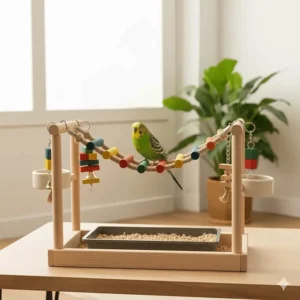
Essential Safety Tips for Bird Rope Ladder
⚠️ Daily Visual Inspections Check for frayed rope, splintered wood, or loose connections before each use. Birds can catch toes in damaged areas, leading to injuries.
⚠️ Remove When Damaged Replace ladders immediately when rope begins unraveling or wood cracks appear. Never attempt repairs with glue or tape, as birds may ingest these materials.
⚠️ Monitor Cotton Rope Consumption Some birds compulsively shred cotton rope. If you notice your bird eating rope fibers, switch to sisal or remove the toy entirely to prevent crop impaction.
⚠️ Secure Installation Ensure hooks attach firmly to cage bars without wobbling. Loose installations can trap wings or legs if the ladder swings unexpectedly.
⚠️ Supervision During Introduction Watch your bird’s first interactions with new climbing equipment. Some birds may panic initially, while others might use ladders in unexpected (potentially dangerous) ways.
Maximizing Your Bird’s Climbing Experience
Create Multi-Level Pathways
Don’t just hang one ladder—design a climbing circuit! Position your bird rope ladder to connect different cage levels, creating highways between food dishes, perches, and favorite toys. This encourages constant movement throughout the day, mimicking how wild birds navigate tree canopies.
Rotate Enrichment Regularly
Bird behavioral specialists recommend rotating toys and climbing equipment every 1-2 weeks. Keep 2-3 rope ladder for parrots in your supplies, swapping them regularly to maintain novelty and prevent boredom. Fresh environmental challenges keep your bird mentally sharp and engaged.
Combine with Foraging Opportunities
Attach small foraging toys or treat holders to ladder rungs. This transforms simple climbing into a rewarding treasure hunt, significantly extending engagement time. I hang millet sprays at the top of Mango’s ladder, motivating him to make the full climb several times daily.
Angle Placement Strategically
Hang ladders at different angles—vertical for intense exercise, diagonal for easier climbing, horizontal as challenging balance beams. This variety builds diverse muscle groups and prevents physical boredom.
Temperature Considerations
Natural wood absorbs temperature. In winter, ladders near windows may feel uncomfortably cold to bird feet. During summer, direct sunlight can overheat wooden rungs. Position climbing equipment in temperature-stable cage areas.
Common Bird Rope Ladder Mistakes to Avoid
Mistake #1: Choosing Too-Large Rungs Birds can’t grip rungs thicker than their foot span. A budgie struggling on a cockatoo-sized ladder won’t exercise—they’ll avoid it entirely.
Mistake #2: Installing Too High While vertical climbing space is beneficial, ladders positioned entirely in upper cage areas leave lower spaces unused. Install at mid-height for optimal cage utilization.
Mistake #3: Ignoring Rope Material Preferences Some bird species have strong texture preferences. Cockatiels often prefer softer cotton, while Amazon parrots typically handle rough sisal better. Experiment to discover your bird’s preference.
Mistake #4: Over-Accessorizing Small Cages Cramming multiple ladders into limited space creates obstacles rather than enrichment. One well-placed bird rope ladder beats three crowded pieces causing navigation frustration.
Mistake #5: Forgetting Accessibility Ensure your bird can actually reach the ladder. New birds or those with mobility challenges may need gradual introductions starting with lower positions.
Understanding Bird Exercise Equipment Requirements
The Veterinary Partner emphasizes that environmental enrichment prevents stress-related behaviors in captive birds. Birds denied adequate exercise opportunities often develop:
- Feather destructive behavior (plucking)
- Excessive vocalization and screaming
- Aggression toward handlers
- Depression and lethargy
- Obesity and related health issues
A simple bird rope ladder addresses these concerns by providing:
🏋️ Physical Exercise: Climbing strengthens leg muscles, improves cardiovascular health, and maintains healthy body weight.
🧠 Mental Stimulation: Navigating three-dimensional space engages problem-solving abilities, preventing boredom-related behavioral issues.
🦶 Foot Health: Varied grip positions exercise smaller foot muscles and prevent pressure sores from static perching.
🎯 Natural Behaviors: Climbing mimics wild foraging and territorial navigation patterns, satisfying instinctive behavioral needs.
Building the Ultimate Multi-Level Cage Setup
Creating vertical climbing space revolutionizes cage functionality. Here’s my proven three-tier approach:
Upper Level (Adventure Zone): Position one bird rope ladder diagonally from the cage top corner to mid-level. Attach favorite toys at the summit, encouraging regular climbing expeditions. This becomes your bird’s “treehouse” area.
Middle Level (Social Hub): Install perches and food dishes at this tier, accessible via the upper ladder. Add a second shorter ladder connecting to the lower level. This central zone becomes the activity headquarters where your bird spends most active time.
Lower Level (Exploration Ground): Place foraging toys and ground-level activities here. The ladder descent encourages full-cage utilization rather than upper-cage dwelling, common in under-enriched environments.
This multi-level cage setup mimics natural forest canopy layers, giving your bird authentic climbing experiences that satisfy deep behavioral instincts.
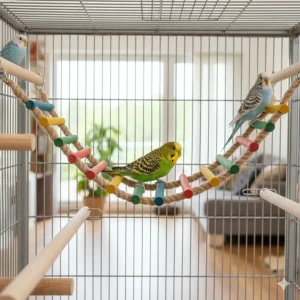
Cleaning and Maintenance Best Practices
Weekly Cleaning Routine
Remove the bird rope ladder and scrub with bird-safe enzymatic cleaner or diluted white vinegar solution (1:4 vinegar to water). Use a small brush to clean between rungs where droppings accumulate. Rinse thoroughly and air-dry completely before reinstallation.
Monthly Deep Clean
Soak cotton rope ladder for parrots in warm water with bird-safe disinfectant for 10-15 minutes. This kills bacteria and loosens stubborn debris. For wooden ladders, avoid prolonged soaking which can weaken wood—spot clean instead.
Inspection Schedule
Every two weeks, perform detailed inspection:
- Check rope for fraying or weak spots
- Examine wood for cracks or splinters
- Test hook security and metal integrity
- Assess overall structural soundness
Replacement Timeline
Budget options: Replace every 2-3 months Mid-range quality: Replace every 4-6 months Premium construction: Replace every 6-12 months
These timelines assume average use. Heavy chewers may require more frequent replacement regardless of ladder quality.
Training Your Bird to Use Climbing Equipment
Day 1-3: Introduction Phase
Place the bird rope ladder in the cage without forcing interaction. Allow your bird to investigate at their own pace. Some birds immediately climb; others need days to build confidence.
Day 4-7: Encouragement Phase
Position favorite treats on lower ladder rungs. As your bird retrieves them, gradually move treats higher, encouraging vertical climbing. Never force or startle your bird during this process.
Week 2: Integration Phase
Most birds now view the ladder as standard cage furniture. Begin using it for training exercises—teach your bird to climb on command for treat rewards. This deepens the positive association.
Ongoing: Challenge Phase
Once comfortable, experiment with angles and positions. Place the ladder between perches your bird already travels between, creating shortcuts that become preferred routes.
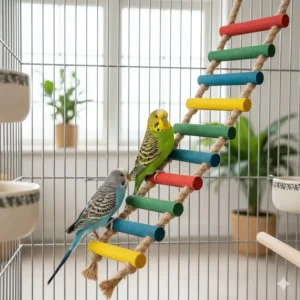
FAQ About Bird Rope Ladder
❓ What size bird rope ladder do I need for a cockatiel?
❓ How often should I replace my parrot's climbing ladder?
❓ Are cotton rope ladders safe for birds?
❓ Can I use a bird rope ladder outside the cage?
❓ What's the difference between rope and wooden bird ladders?
Conclusion: Transform Your Bird’s World Today
After testing countless bird rope ladder options and watching Mango transform from a sedentary cage-dweller to an active climber, I’m convinced these simple tools deliver outsized benefits. Whether you choose the budget-friendly PINVNBY set, the eco-conscious Prevue Naturals, or the premium DS. DISTINCTIVE STYLE for large parrots, you’re investing in your bird’s physical and mental health.
Remember, vertical climbing space isn’t just optional enrichment—it’s essential bird exercise equipment that addresses fundamental behavioral needs. The research is clear: birds with adequate climbing opportunities exhibit fewer problem behaviors, maintain healthier weights, and live more fulfilled lives.
Start with one quality climbing ladder for birds, observe how your feathered friend interacts with it, then build a complete multi-level cage setup tailored to their personality. Your bird deserves the same three-dimensional movement opportunities they’d experience in nature.
Ready to see your bird thrive? Pick any highlighted product above and transform your cage into the dynamic climbing environment your companion deserves!
✨ Don’t Miss These Exclusive Deals!
🔍 Take your bird’s vertical space to the next level with these carefully selected products. Click on any highlighted item to check current pricing and availability. These tools will help you create authentic climbing experiences your feathered friend will love!
Recommended for You
- 7 Best Paper Shredding Toys for Birds in 2026
- 7 Best Shredding Toys for Parrots 2026
- Bird Chew Toys: 7 Best Picks for Happy, Healthy Beaks in 2026
Disclaimer: This article contains affiliate links. If you purchase products through these links, we may earn a small commission at no additional cost to you.
✨ Found this helpful? Share it with your friends! 💬🤗
