
In This Article
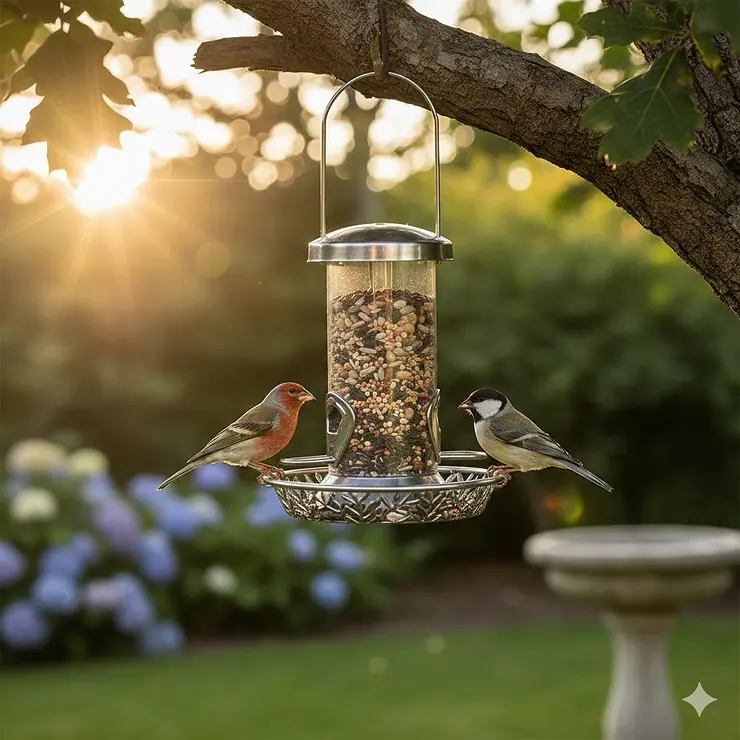
Picture this: you’re sipping morning coffee when a flash of gold catches your eye. A goldfinch has discovered your feeder, and suddenly your yard becomes a stage for nature’s most delightful performers. That’s the magic a well-chosen small bird feeder brings to your home.
But here’s the frustrating part many birders face – you fill your feeder with premium seed, only to watch grackles, starlings, and squirrels devour everything before your favorite chickadees and finches get a chance. Sound familiar? You’re not alone. After testing dozens of feeders and spending countless hours observing backyard birds, I’ve discovered the secret isn’t just about feeding birds; it’s about feeding the right birds.
A small bird feeder does exactly what its name suggests – it creates an exclusive dining space for smaller songbirds while deterring larger, more aggressive species. Whether you’re dealing with bully birds monopolizing your feeding station or simply want to attract more goldfinches and chickadees, the right feeder makes all the difference. In this comprehensive guide, I’ll share seven exceptional small bird feeders that actually work, complete with real specifications, pricing, and honest pros and cons based on actual performance.
Quick Comparison Table: Top 7 Small Bird Feeders at a Glance
| Feeder Model | Type | Capacity | Price Range | Best For | Rating |
|---|---|---|---|---|---|
| Audubon Caged Tube Feeder | Caged | 1.25 lbs | $59-$67 | Maximum Protection | ⭐⭐⭐⭐⭐ |
| Aspects Window Cafe | Window Mount | 1.5 lbs | $25-$35 | Close-Up Viewing | ⭐⭐⭐⭐½ |
| Perky-Pet 2-in-1 Tube | Tube | 2 lbs | $7-$9 | Budget-Friendly | ⭐⭐⭐⭐ |
| Nature Anywhere Birds-I-View | Window Mount | 1.5 cups | $35-$50 | Premium Window | ⭐⭐⭐⭐⭐ |
| Droll Yankees Classic Tube | Tube | 1 lb | $40-$75 | Durability | ⭐⭐⭐⭐½ |
| PerchPod Seed Birdfeeder | Fence/Wall Mount | 1 qt | $15-$25 | Space-Saving | ⭐⭐⭐⭐ |
| Perky-Pet Small Peanut Mesh | Mesh | 0.5 lb | $14-$18 | Clinging Birds | ⭐⭐⭐⭐ |
💬 Just one click – help others make better buying decisions too! 😊
Top 7 Small Bird Feeders: Expert Analysis
1. Audubon Squirrel-Resistant Caged Tube Bird Feeder – The Fort Knox of Bird Feeders
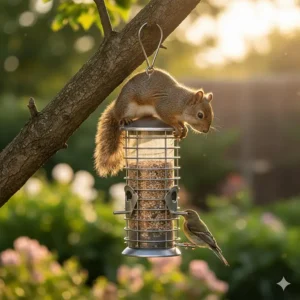
When I first installed this feeder, I watched a determined starling try for nearly 20 minutes to squeeze through the cage. Spoiler alert: he failed. That’s exactly why the Audubon Caged Tube Feeder tops our list.
This fortress-style feeder features a powder-coated steel cage with 1.5-inch square openings surrounding a clear plastic tube with four feeding ports. The cage creates a physical barrier that excludes squirrels and large birds while welcoming chickadees, finches, goldfinches, nuthatches, and wrens. The 0.85-quart capacity (approximately 1.25 pounds) holds enough seed to keep small birds fed for days, and the locking top prevents clever squirrels from lifting the cap.
Specifications:
- Capacity: 0.85 quarts (1.275 lbs)
- Dimensions: 9.5″ diameter cage, 15.25″ height
- Material: Powder-coated steel cage, ABS plastic tube
- Ports: 4 reinforced feeding stations
Price: $59.99-$66.68
The internal seed baffle directs seed to the bottom ports, ensuring complete emptying without residue. Simply slide the die-cast metal cap up the hanger for quick refilling and cleaning.
✅ Pros:
- Extremely effective at excluding large birds and squirrels
- Durable steel construction withstands weather and animal attacks
- Easy to clean with removable top
❌ Cons:
- Higher price point than simple tube feeders
- Takes longer for birds to discover and feel comfortable approaching
Customer Feedback: Buyers consistently praise its squirrel-deterrent effectiveness, though some note that medium-sized birds like cardinals cannot use it. One reviewer mentioned chickadees, goldfinches, and House Sparrows adapted quickly, while another appreciated that it finally gave small birds a peaceful eating space.
2. Aspects Window Cafe Bird Feeder (Model 155) – Your Front-Row Seat to Nature
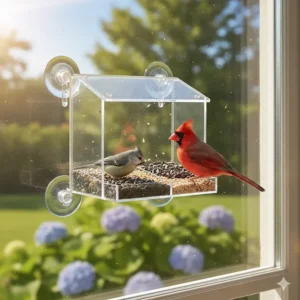
There’s something magical about watching a chickadee feed just inches from your face. The Aspects Window Cafe makes this possible with its innovative hopper-style design that mounts directly to any window.
This feeder has been Aspects’ most popular window feeder for good reason. The clear UV-stabilized polycarbonate construction provides unobstructed viewing while the overhanging roof protects seed from rain. The sliding seed reservoir makes refilling effortless – no need to take the feeder down. Three industrial-strength suction cups secure it firmly to your window, even withstanding determined raccoons (according to multiple customer reviews).
Specifications:
- Capacity: 0.75 quarts (approximately 1.5 lbs)
- Material: UV-stabilized polycarbonate
- Mounting: 3 heavy-duty suction cups
- Warranty: Lifetime guarantee
Price: $24.99-$34.99
The compact tray design naturally limits access to smaller birds like finches, chickadees, nuthatches, and pine siskins. Larger birds find the small landing area uncomfortable, effectively self-selecting your visitors.
✅ Pros:
- Incredible close-up bird viewing from inside your home
- Easy to refill without removing from window
- Weather-resistant roof keeps seed dry
❌ Cons:
- Smaller capacity requires more frequent refilling
- Limited to 2-3 birds feeding simultaneously
Customer Feedback: Customers rave about how quickly birds discover it (often within 12 hours) and appreciate that it prevents window collisions. Several reviewers mentioned successfully attracting bluebirds, finches, and chickadees. The quality construction justifies the slightly higher price compared to cheaper window feeders that fall off or crack.
3. Perky-Pet 2-in-1 Tube Bird Feeder – Budget Champion
Don’t let the modest price fool you – the Perky-Pet 2-in-1 Tube Feeder delivers serious value. At under $10, this feeder proves you don’t need to spend a fortune to attract beautiful songbirds.
This straightforward tube design features multiple feeding ports and perches, with the “2-in-1” designation referring to its ability to accommodate both sunflower seeds and mixed seed blends. The clear tube lets you monitor seed levels at a glance, while the simple twist-off cap makes refilling a breeze.
Specifications:
- Capacity: 2 lbs
- Colors: Navy, green, red, black, copper
- Material: Durable plastic tube
- Ports: 4-6 (varies by specific model)
Price: $6.99-$8.99 (frequent sales)
The perch positioning below the feeding ports naturally favors smaller birds with shorter legs, making it uncomfortable for larger birds like jays and starlings to maintain feeding position for long periods.
✅ Pros:
- Outstanding value for the price
- Variety of color options to match your décor
- Lightweight and easy to hang anywhere
❌ Cons:
- Plastic construction less durable than metal alternatives
- Not squirrel-resistant without additional baffles
- May crack in extreme cold after several seasons
Customer Feedback: Buyers love the affordability and simple functionality. While it won’t survive determined squirrels, it works perfectly for elevated hanging spots away from jumping range. Many customers purchase multiple feeders at this price point to create a full feeding station.
4. Nature Anywhere Birds-I-View Window Feeder – The Cadillac Experience
If the Aspects Window Cafe is economy class, the Nature Anywhere Birds-I-View is first class. Dubbed the “Cadillac” of window feeders by satisfied customers, this premium feeder justifies its higher price with superior construction and thoughtful design.
Built from 4mm premium polycarbonate (versus the typical 2-3mm), this feeder feels substantial in your hands. The patented sliding feed tray is genius – slide it out, fill it with seed, slide it back in. No fumbling with removable parts while standing on a stepladder. The four EVERGRIP suction cups utilize industrial-strength technology that stays attached in harsh weather, and the air circulation system prevents moisture buildup that can spoil seed.
Specifications:
- Capacity: Approximately 1.5 cups
- Material: 4mm premium polycarbonate
- Mounting: 4 EVERGRIP suction cups
- Warranty: Lifetime guarantee with VIP support
Price: $34.99-$49.99
The dual-sided feeding tray attracts various small bird species, and the transparent design provides 360-degree viewing. Nature Anywhere’s customer support team responds to questions within 24 hours, often on weekends.
✅ Pros:
- Premium construction built to last decades
- Innovative sliding tray is incredibly user-friendly
- Excellent customer service and lifetime warranty
❌ Cons:
- Higher price point than basic window feeders
- Smaller capacity than some hanging feeders
- Must be installed 10+ feet from ledges to remain squirrel-proof
Customer Feedback: Reviews consistently highlight the exceptional build quality and customer service. Birders appreciate that children and elderly family members can easily operate the sliding mechanism. The feeder attracts cardinals, hummingbirds, chickadees, and various finches right to the window.
5. Droll Yankees Classic Tube Feeder – Built for the Long Haul
When you want a feeder that your grandchildren will inherit, choose Droll Yankees. Made in Connecticut since 1969, these feeders represent old-school American manufacturing quality.
The Classic Tube Feeder features die-cast metal caps and base, UV-stabilized polycarbonate tube, and the innovative “Ring Pull” design that makes cleaning effortless. The metal construction on feeding ports prevents squirrel damage, a common failure point on cheaper plastic feeders. While not specifically designed for small birds only, the perch positioning and port design favor smaller species.
Specifications:
- Capacity: 1-2 lbs (depending on model length)
- Material: Die-cast metal, UV-stabilized polycarbonate
- Ports: 4-6 metal-reinforced ports
- Made in: USA (Connecticut)
Price: $40-$75 (depending on size)
Droll Yankees offers comprehensive customer support and readily available replacement parts, meaning this feeder can literally last for decades. The ring pull mechanism allows you to remove the cap with one hand while holding the feeder with the other.
✅ Pros:
- Exceptional build quality and durability
- Easy cleaning with ring pull design
- Metal ports resist squirrel damage
❌ Cons:
- Premium pricing reflects American manufacturing
- Heavier than plastic feeders
- Not specifically designed to exclude large birds
Customer Feedback: Owners describe these feeders as “investment pieces” that outlast multiple cheaper alternatives. Many reviewers own feeders that have been in continuous use for 5-10+ years. The lifetime warranty and available replacement parts mean this could be the last tube feeder you ever buy.
6. PerchPod Seed Birdfeeder – Innovation Meets Space-Efficiency
Here’s a feeder that challenges conventional thinking. The PerchPod mounts to fences, walls, trees, or railings, creating feeding opportunities in spaces where hanging feeders won’t work. This patent-pending design is perfect for apartments, balconies, and small yards.
The enclosed seed tube with weatherproof design stands up to rain, wind, and snow while the mounting system (includes both Velcro strips and screws) adapts to various surfaces. The large twist-off tube refills in seconds, and the no-mess design prevents seed scatter.
Specifications:
- Capacity: 1 quart
- Mounting: Multi-surface (Velcro & screws included)
- Material: Weather-resistant plastic
- Design: Anti-squirrel, pigeon-proof
Price: $15-$25
The compact footprint and small entry points naturally favor finches, orioles, and bluebirds while deterring larger birds. Pre-assembled and ready to use straight from the box, it’s ideal for gift-giving.
✅ Pros:
- Mounts virtually anywhere, perfect for small spaces
- Quick refill with twist-off tube
- Weatherproof no-mess design
❌ Cons:
- Smaller capacity than traditional hanging feeders
- Limited to one feeding bird at a time
- Velcro mounting may not hold in extreme weather
Customer Feedback: Balcony and apartment dwellers love this feeder for making bird feeding possible in limited spaces. The anti-squirrel design works well when mounted away from launching points, and the no-spill feature keeps patios clean.
7. Perky-Pet Small Peanut Mesh Feeder – The Woodpecker Magnet
Sometimes the best way to feed small birds is to offer food that large birds don’t want. The Perky-Pet Small Peanut Mesh Feeder accomplishes this by serving peanuts, which attract a specific group of clinging birds.
This simple mesh cage design with plastic tray and cap holds peanuts in the shell or peanut pieces. Birds must cling to the mesh to feed, which automatically selects for chickadees, nuthatches, titmice, woodpeckers, and wrens – all small to medium birds that can cling upside down. The mesh openings are sized to prevent peanuts from falling while allowing birds to pull pieces through.
Specifications:
- Capacity: 0.5 lbs
- Material: Metal mesh with plastic top and tray
- Design: Clinging-bird specific
- Dimensions: Compact, approximately 8″ tall
Price: $14.39-$17.99
The metal mesh withstands aggressive pecking from woodpeckers, while the tray catches shell debris. Fill it with unsalted peanuts in the shell, peanut hearts, or even specialized bark butter for variety.
✅ Pros:
- Attracts fascinating clinging birds
- Durable metal mesh construction
- Low price point
❌ Cons:
- Plastic tray and top less durable than metal alternatives
- Requires specific food type (peanuts)
- Smaller capacity needs frequent refilling
Customer Feedback: Birders report excellent success attracting woodpeckers, nuthatches, and chickadees. The mesh durability holds up well to daily use, and buyers appreciate the affordable price for adding dietary variety to their feeding station.
What Makes a Great Small Bird Feeder?
Design Features That Actually Matter
Not all small bird feeders are created equal. After years of testing and observation, three design elements consistently separate excellent feeders from disappointments:
Physical Barriers are your first line of defense. Caged feeders like the Audubon model use metal grids with openings sized for small birds but too narrow for starlings, grackles, or squirrels. This mechanical exclusion works 24/7 without any complexity.
Perch Positioning creates subtle advantages for smaller birds. When perches sit directly below feeding ports, small birds comfortably eat while larger birds struggle to maintain awkward positions. It’s not foolproof, but it tips the scales in favor of your favorite songbirds.
Port Size and Configuration matter more than most realize. Tiny ports work for nyjer seed and small beaks but frustrate larger birds. Window feeders succeed partly because their shallow trays simply don’t accommodate bigger birds comfortably.
Understanding Bird Behavior: Why Size Matters
Small songbirds face constant pressure from larger species at feeders. Cardinals, jays, grackles, and starlings don’t just eat more seed – their presence often scares smaller birds away entirely. This isn’t malicious; it’s survival instinct and pecking order dynamics.
Here’s what makes specialized small bird feeders effective: they level the playing field. When goldfinches know they have a private dining area, they visit more frequently and stay longer. You’ll notice chickadees becoming bolder, nuthatches exploring more confidently, and even shy species like kinglets making appearances.
The Cornell Lab of Ornithology emphasizes that providing multiple feeder types attracts the greatest bird diversity. A comprehensive feeding station might include a small bird-specific feeder, a larger platform feeder, and specialized options like suet feeders to serve different dietary needs.
Seed Selection: Fueling the Right Guests
What to Feed (and What to Avoid)
Your seed choice dramatically impacts which birds visit. Here’s the insider knowledge that makes the difference:
Black-Oil Sunflower Seeds are the gold standard. These small seeds with thin shells appeal to chickadees, finches, nuthatches, and titmice. The high oil content provides excellent energy, especially crucial during winter. According to Wikipedia’s article on bird feeding, black oil sunflower seeds are especially popular because their outer shells are thinner and easier to crack than striped varieties, making them accessible to smaller birds.
Nyjer (Thistle) Seed works like magic for goldfinches, siskins, and redpolls. These tiny black seeds require specialized feeders with small ports, which conveniently excludes most larger birds. The only potential downside? House sparrows and mourning doves also enjoy nyjer, though they’re generally peaceful feeder visitors.
Avoid Cheap Mixes at all costs. Those bargain seed bags contain excessive amounts of milo, wheat, and red millet – fillers that most birds reject. You’ll watch birds kick through the cheap stuff looking for quality seeds, creating a mess below your feeder and wasting your money.
Window Feeders vs. Hanging Feeders: Which is Right for You?
The Window Feeder Advantage
Window feeders like the Aspects Cafe and Nature Anywhere Birds-I-View offer unique benefits that hanging feeders can’t match:
Intimate Viewing transforms bird feeding from a distant observation into an immersive experience. You’ll notice behavioral details invisible from even ten feet away – the way chickadees cache seeds in their throat pouches, the aggressive head-bobbing of competing finches, the delicate way nuthatches wedge seeds with their feet.
Collision Prevention is an unexpected safety benefit. Birds learn to recognize the feeder as a structure, helping them perceive the window rather than seeing through it. This awareness reduces dangerous window strikes that kill millions of birds annually.
Cat Entertainment shouldn’t be underestimated. Indoor cats gain enrichment watching “cat TV” at the feeder, which can reduce behavioral problems associated with boredom.
When Hanging Feeders Excel
Traditional hanging feeders like the Droll Yankees and caged options provide advantages in different situations:
Greater Capacity means less frequent refilling, crucial if you travel or have busy schedules. The Perky-Pet 2-in-1’s 2-pound capacity might last a week or more, while window feeders require refilling every 2-3 days.
Multiple Feeding Positions accommodate several birds simultaneously, reducing competition and allowing more birds to feed during peak morning and evening hours.
Flexible Placement lets you position feeders away from windows, near protective shrubs, or in optimal viewing locations that wouldn’t work for window mounting.
Squirrel-Proofing Strategies That Actually Work
Beyond the Feeder Itself
Even the best small bird feeder becomes a squirrel buffet without proper positioning. Follow the “5-7-9” rule: place feeders at least 5 feet off the ground, 7 feet from launching points (trees, roofs, fences), and use a 9-foot baffle if pole-mounted.
Baffles are your secret weapon. A simple dome baffle above a hanging feeder or a cylinder baffle on a pole creates an impassable barrier. Squirrels can jump six feet vertically and ten feet horizontally, but they can’t teleport past a proper baffle.
Safflower Seeds offer a food-based deterrent. Squirrels and grackles dislike safflower’s bitter taste, while cardinals, chickadees, and finches readily eat it. Consider using safflower in feeders where squirrels have been persistent problems.
The Caged Solution
Caged feeders like our top-rated Audubon model provide physical exclusion that doesn’t require perfect positioning. The 1.5-inch grid openings welcome chickadees and goldfinches while completely excluding squirrels and large birds. It’s not the most aesthetically elegant solution, but it works with near-perfect reliability.
Cleaning and Maintenance: The Health Factor
Why Cleanliness Matters
Dirty feeders spread avian diseases that can devastate local bird populations. Salmonella, aspergillosis, and conjunctivitis spread rapidly at contaminated feeders. Regular cleaning isn’t optional – it’s your responsibility as a bird feeder.
The Cleaning Schedule
Every Two Weeks (minimum): Disassemble your feeder completely. Soak parts in a solution of one part white vinegar to nine parts water for 10-15 minutes. Scrub with a bottle brush, rinse thoroughly, and dry completely before refilling.
Monthly Deep Clean: Use a mild bleach solution (one part bleach to nine parts water) for stubborn mold or heavy contamination. The University of Florida’s bird feeding guide recommends this approach for thorough sanitation. Rinse extensively and air-dry in sunlight.
Weekly Spot Checks: Remove and discard wet or moldy seed immediately. Check drainage holes remain clear. Wipe down perches and ports with a damp cloth.
Choosing Easy-to-Clean Designs
The Aspects Window Cafe’s sliding tray and Droll Yankees’ ring-pull design exemplify thoughtful cleaning features. Avoid feeders with narrow tubes, sharp internal angles, or parts that don’t fully separate – these become maintenance nightmares.
Placement Strategies for Maximum Success
Creating the Perfect Feeding Station
Near Protective Cover is crucial for small birds, which face constant predation pressure. Position feeders 10-15 feet from shrubs or trees where birds can retreat when hawks appear. However, keep distance sufficient to prevent squirrels from launching onto feeders.
Multiple Sight Lines reduce predator ambush opportunities. Small birds prefer feeding locations where they can see approaching dangers from multiple directions. Avoid placing feeders against solid walls or in dense vegetation.
Height Considerations vary by feeder type. Window feeders work at any height, but hanging tube feeders perform best 5-6 feet off the ground – high enough to deter ground predators but low enough for easy maintenance.
Regional Variations
Your geographic location influences feeder placement. Mass Audubon’s feeding guidelines notes that northern climates benefit from south-facing feeder placement for winter sun protection, while southern locations prefer shaded spots to prevent seed spoilage during summer heat.
Seasonal Considerations for Year-Round Success
Winter Feeding: When Birds Need You Most
Cold weather dramatically increases caloric requirements. Small birds like chickadees burn through energy reserves quickly during long winter nights. High-fat foods become essential – black-oil sunflower seeds, peanuts, and suet provide the dense energy small birds desperately need.
Keep feeders filled consistently. Birds incorporate reliable food sources into their daily survival routes, and an empty feeder during critical periods can have serious consequences. Some species cache food during winter, so you might notice increased feeder activity even on mild days.
Spring and Summer: Supporting Nesting
Contrary to popular belief, summer feeding doesn’t prevent migration. Birds migrate based on day length changes, not food availability. Continue feeding through summer to support nesting adults and teach fledglings to find food.
Consider adding mealworm feeders during spring nesting season. Protein-rich mealworms help parent birds feed rapidly growing chicks. Many species that ignore seed feeders will visit for live or dried mealworms.
Fall Migration: Fueling Long Journeys
September through November brings migrating species through your yard. Keep feeders fully stocked to support birds building fat reserves for their journeys. You might encounter unusual species during migration – warblers, thrushes, and other birds that don’t typically visit feeders may stop for high-energy snacks.
Attracting Specific Small Bird Species
Goldfinches: The Nyjer Specialists
American Goldfinches provide stunning yellow color during summer months. They show extreme preference for nyjer (thistle) seed in specialized feeders. Sock feeders or tube feeders with tiny ports work equally well. Expect goldfinches to arrive in small flocks, creating delightful yellow clusters.
Chickadees: The Fearless Explorers
Black-capped and Carolina Chickadees adapt quickly to new feeders and often become the bravest visitors. They prefer sunflower seeds and will use nearly any feeder type, though they particularly enjoy window feeders where they can fly in, grab a seed, and retreat to a nearby branch to eat.
Nuthatches: The Upside-Down Acrobats
These distinctive birds walk headfirst down tree trunks and bring that same acrobatic approach to feeders. They love peanuts and sunflower seeds, eagerly using mesh feeders, caged feeders, and tube feeders. Their wedging behavior – jamming seeds into bark crevices – makes them fascinating to watch.
House Finches and Purple Finches
These rose-tinged visitors prefer sunflower seeds and will congregate at tube feeders in small flocks. Unlike more solitary species, finches enjoy social feeding, so seeing 4-5 birds at once is common. They’re particularly attracted to red-colored feeders.
Common Problems and Solutions
Birds Aren’t Finding Your New Feeder
Patience is crucial. Birds need 3-7 days to discover new food sources, sometimes longer. Start by placing feeders near existing feeding areas or along routes birds already travel. Sprinkling a small amount of seed on the ground below draws attention upward.
Larger Birds Still Dominating
If standard small bird feeders aren’t excluding larger species effectively, consider these strategies:
Try upside-down suet feeders that force birds to hang inverted while feeding. This automatically selects for woodpeckers, nuthatches, and chickadees while frustrating starlings and grackles.
Add adjustable domes above platform feeders. These allow you to control the maximum height of birds that can access food, physically excluding larger species.
Use weight-activated feeders like Squirrel Buster models. These close feeding ports when heavier birds or squirrels land, though they’re pricier than simple exclusion methods.
Seed Getting Wet or Moldy
Moisture ruins seed rapidly, creating health hazards for birds. Choose feeders with drainage holes in bottom trays and overhanging roofs for weather protection. Consider seed with added preservatives for wet climates, or switch to smaller quantities that birds consume quickly before spoilage occurs.
Position feeders in locations with natural overhead protection during rainy seasons, but ensure adequate air circulation to prevent humidity buildup inside the feeder.
Aggressive Bird Behavior
Competition at feeders sometimes escalates to aggressive chasing and fighting. The solution? Add more feeding stations spaced 15-20 feet apart. This distributes territorial pressure and allows subordinate birds safe feeding opportunities. Different feeder types at various locations also reduces competition by catering to different species preferences.
✨ Don’t Miss These Exclusive Deals!
🔍 Take your backyard birding to the next level with these carefully selected products. Click on any highlighted item to check current pricing and availability. These tools will help you create authentic birdwatching experiences your family will love!
Advanced Strategies: Creating a Complete Feeding Station
The Multi-Feeder Approach
Professional birders rarely rely on a single feeder. A thoughtfully designed feeding station might include:
A Caged Feeder (like the Audubon model) provides guaranteed small-bird-only access with sunflower seeds. This becomes the “safe space” for your smallest visitors.
A Window Feeder (Aspects Cafe or Nature Anywhere) offers intimate viewing and attracts birds comfortable with human presence. Fill it with premium black-oil sunflower for maximum appeal.
A Nyjer Feeder specifically targets goldfinches and siskins, adding vibrant yellow colors to your bird population mix.
A Suet Feeder supplements with high-fat options particularly attractive to woodpeckers, nuthatches, and chickadees during cold weather.
Space these feeders 10-15 feet apart to reduce competition and territorial disputes. Each feeder type attracts slightly different species or serves different behavioral needs, maximizing the diversity of your yard’s bird population.
Water Sources: The Often-Forgotten Essential
Birds need water year-round for drinking and bathing. A simple bird bath positioned near feeders increases visiting species and encourages longer stays. During winter, heated bird baths provide critical water access when natural sources freeze.
Budget-Friendly Options for New Birders
Starting Small Without Sacrificing Quality
You don’t need to invest hundreds of dollars immediately. Here’s a smart starter approach:
Begin with the Perky-Pet 2-in-1 Tube Feeder ($6.99-$8.99) filled with black-oil sunflower seeds. This affordable option lets you determine which bird species visit your yard before investing in specialized equipment.
Add a window feeder within a month or two. The Aspects Window Cafe ($24.99-$34.99) provides excellent value and transforms your bird feeding experience with close-up viewing.
If squirrels or larger birds become problematic, upgrade to a caged feeder like the Audubon model ($59.99-$66.68). This represents a more significant investment but solves persistent problems definitively.
When to Upgrade
Replace cheap feeders when you notice: frequent cracking or breakage, difficulty cleaning thoroughly, seed staying wet, or inability to deter problem visitors. Quality feeders cost more initially but last years longer and provide better experiences for both you and the birds.
FAQ: Small Bird Feeder Questions Answered
❓ What size holes are best for small bird feeders?
❓ Do small bird feeders really keep starlings away?
❓ How often should I clean my small bird feeder?
❓ Can window bird feeders damage my windows?
❓ What's the best location for a small bird feeder?
Conclusion: Bringing Beauty to Your Backyard
Choosing the right small bird feeder transforms your yard from a simple outdoor space into a vibrant sanctuary teeming with colorful activity. Whether you select the fortress-like protection of the Audubon Caged Feeder, the intimate viewing of the Aspects Window Cafe, or the budget-friendly versatility of the Perky-Pet Tube Feeder, you’re making an investment in daily joy.
Remember that successful bird feeding combines quality equipment with proper maintenance, strategic placement, and appropriate food choices. Start with one good feeder, observe which species visit your yard, and expand your feeding station based on what you learn. The chickadees, goldfinches, and nuthatches will reward your efforts with endless entertainment and connection to the natural world.
Every time you watch a goldfinch delicately extracting nyjer seed, or notice a chickadee’s trusting approach to your window feeder, you’ll understand why millions of Americans consider bird feeding their favorite hobby. It’s meditation, education, and conservation rolled into a single simple act of generosity.
Ready to welcome more small birds to your yard? Pick the feeder that matches your situation, fill it with quality seed, and prepare for the magic that follows. Your backyard birds are waiting.
Recommended for You
- 7 Best Bird Feeders for Nyjer Seed That Goldfinches Love (2025)
- Bird Feeder for Mealworms: 7 Best Options Tested
- Jelly Bird Feeder: 7 Best Picks to Attract Orioles in 2025
Disclaimer: This article contains affiliate links. If you purchase products through these links, we may earn a small commission at no additional cost to you.
✨ Found this helpful? Share it with your friends! 💬🤗
