
In This Article
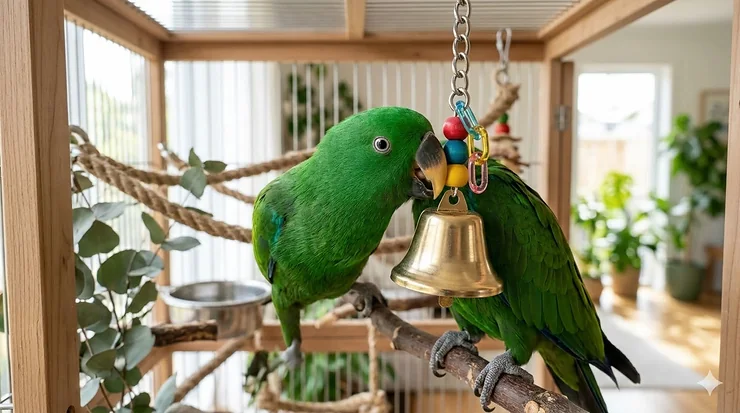
Have you ever watched your parrot’s eyes light up at the sound of a ringing bell? That’s not just entertainment—it’s cognitive enrichment in action. Bird bells toys have become one of the most popular accessories for parrot owners in 2026, and for good reason. These seemingly simple toys provide crucial auditory stimulation that mimics the sounds birds encounter in their natural habitats.
When I first introduced a stainless steel bell to my African Grey, Luna, the transformation was remarkable. She went from a quiet, somewhat lethargic bird to an engaged, playful companion who spent hours discovering different ways to make her bell chime. Research from Cambridge University on avian cognition shows that auditory enrichment helps ward off boredom, depression, and aggression in captive parrots, making these toys more than just accessories—they’re essential tools for mental health.
In this comprehensive guide, you’ll discover the seven best bird bells toys available on Amazon in 2026, from budget-friendly options under $10 to premium stainless steel models built to withstand even the strongest beaks. Whether you’re shopping for a tiny budgie or a powerful macaw, we’ve tested and reviewed options that deliver real value for your feathered family member.
Quick Comparison Table
| Product Name | Best For | Price Range | Material | Rating |
|---|---|---|---|---|
| Yoyoung Stainless Steel Bell Toy | Durability & Safety | $8-$9 | Stainless Steel | ⭐⭐⭐⭐⭐ |
| JW Pet Activitoys Spinning Bells | Interactive Play | $4-$6 | Plastic/Metal | ⭐⭐⭐⭐ |
| BWOGUE 5-Pack Swing Toys | Value Bundle | $14-$18 | Wood/Metal | ⭐⭐⭐⭐ |
| Super Bird Creations 4 Way Play | Large Parrots | $20-$25 | Wood/Steel | ⭐⭐⭐⭐⭐ |
| Super Bird Creations Tube Bell | Premium Choice | $15-$18 | Stainless Steel | ⭐⭐⭐⭐⭐ |
| HEUHAI 20-Pack Variety Set | Maximum Variety | $13-$16 | Mixed Materials | ⭐⭐⭐⭐ |
| BWOGUE Large Stainless Bell | Heavy-Duty | $12-$16 | Stainless Steel | ⭐⭐⭐⭐⭐ |
💬 Just one click – help others make better buying decisions too!😊
Top 7 Bird Bells Toys: Expert Analysis
1. Yoyoung Stainless Steel Bell Toy – Best Overall Value
The Yoyoung Stainless Steel Bell Toy consistently ranks as the top choice for parrot owners who want quality without breaking the bank. Available in two sizes (7.7″ for small birds and 8.5″ for larger parrots), this toy delivers on both durability and auditory satisfaction.
Key Specifications:
- Material: 100% stainless steel construction
- Sizes: Small (7.7″) and Large (8.5″)
- Price: $8.09-$8.99
Customer feedback highlights that birds love the crisp ringing sound, while owners appreciate how easy it is to clean. One cockatiel owner shared that their bird “flies specifically to the playstand just to ring this bell.” The quick-link attachment makes installation effortless, and the welded clapper prevents removal by curious beaks.
✅ Pros:
- Rust-proof and hygienic
- Pleasant bell tone (not annoying)
- Easy installation with quick link
❌ Cons:
- Limited color options
- May be too heavy for very small birds
2. JW Pet Company Activitoys Spinning Bells – Best Interactive Design
For birds who love movement and visual stimulation, the JW Pet Activitoys Spinning Bells offers a unique spinning mechanism that creates both motion and sound. This translucent plastic toy features three multi-tiered bells that spin with each peck, keeping parakeets and cockatiels mesmerized for hours.
Key Specifications:
- Three spinning bell tiers
- Translucent plastic construction
- Price: $4.38-$6.00
Birds become fascinated by watching the bells spin while creating jingling sounds. The toy attaches securely to cage bars and works well for small to medium birds. Pet owners note it’s “perfect for keeping a bored cockatiel entertained” and provides both physical and mental exercise.
✅ Pros:
- Engaging spinning action
- Bright, attractive colors
- Budget-friendly price
❌ Cons:
- Plastic construction less durable than metal
- May not withstand aggressive chewers
3. BWOGUE Bird Swing Toys with Bells (5 Pack) – Best Variety Pack
The BWOGUE 5-Pack solves the common dilemma of “what type of toy will my bird actually like?” This comprehensive set includes swings, hammocks, and multiple bell configurations, giving you five different toys to rotate through your bird’s cage.
Key Specifications:
- Five diverse toy styles
- Natural wood and metal bells
- Price: $14-$18
This variety pack received praise from first-time bird owners who aren’t sure about their pet’s preferences. The set includes two swing styles, colorful beaded toys, and string bells. However, some users reported that the bell chimes can detach easily, so supervision is recommended initially.
✅ Pros:
- Excellent value with five toys
- Variety helps identify bird preferences
- Natural, bird-safe materials
❌ Cons:
- Bell attachments may loosen
- Plastic components not as durable
4. Super Bird Creations SB440 4 Way Play Bird Toy – Best for Large Parrots
When you have an African Grey, Amazon, or Mini Macaw, you need toys built for serious beaks. The Super Bird Creations 4 Way Play combines colorful wooden blocks, a sturdy bell, and a built-in swing—all designed specifically for larger parrots.
Key Specifications:
- Dimensions: 15″ x 7″ x 7″
- Pine blocks and hardwood beads
- Price: $20-$25
This toy is recommended by avian veterinarians for its safety and enrichment value. The metallic bell provides auditory delight while the wooden components satisfy chewing instincts. Birds can swing, chew, and explore multiple textures in one comprehensive toy.
✅ Pros:
- Vet-recommended brand with 30+ year safety record
- Multiple enrichment types in one toy
- Vibrant colors for visual stimulation
❌ Cons:
- Higher price point
- May be too large for small bird cages
5. Super Bird Creations SB1243 Stainless Steel Tube Bells – Premium Sound Quality
The Super Bird Creations Tube Bell represents premium quality in bird bell toys. Available in three sizes with different tones, this Colorado-made product features welded clappers that prevent removal and create crisp, pleasant chimes.
Key Specifications:
- Three size options with unique tones
- Welded clapper design
- Price: $15-$18
Multiple parrot owners reported purchasing second and third bells after seeing how much their birds enjoyed the first one. The smooth swinging motion encourages natural play behavior, and the stainless steel construction means you’ll never worry about rust or corrosion.
✅ Pros:
- Pleasant tone that doesn’t irritate owners
- Virtually indestructible
- Easy to clean and maintain
❌ Cons:
- Weight may be excessive for small cages
- Higher cost than basic bells
6. HEUHAI 20-Pack Bird Toys Mega Set – Best for Maximum Enrichment
If you believe in variety and want to keep your birds constantly engaged, the HEUHAI 20-Pack delivers an impressive array of bell balls, woven vine balls, and interactive toys in multiple sizes ranging from 1.6″ to 5.5″.
Key Specifications:
- 20 diverse toys in 8 different styles
- Made from PP, PC, and natural grass vine
- Price: $13-$16
This mega set provides year-long entertainment with different colors and sizes. The hollow design makes it easy for parrots to pick up with their beaks, and the built-in bells with ball ends create engaging sounds. Perfect for owners who like to rotate toys regularly.
✅ Pros:
- Outstanding quantity for the price
- Safe, non-toxic materials
- Variety prevents boredom
❌ Cons:
- Some toys may be too small for larger parrots
- Quality varies across different toy styles
7. BWOGUE Parrot Toys Stainless Steel Bell (Large) – Best Heavy-Duty Option
For macaws and cockatoos with powerful beaks, the BWOGUE Large Stainless Steel Bell provides the durability you need. At 8.4 inches total length with a 3.9-inch bell, this toy stands up to even the most determined destroyers.
Key Specifications:
- Total length: 8.4 inches
- Bell diameter: 0.9 inches
- Price: $12-$16
Customers consistently praise the solid construction and sweet sound quality. One Blue and Gold Macaw owner noted their bird “has tried pulling the clapper out but can’t”—a testament to the quality engineering. The quick-link attachment ensures secure cage mounting.
✅ Pros:
- Built for aggressive chewers
- Appealing wind-chime tone
- Secure clapper attachment
❌ Cons:
- Limited to larger bird species
- Heavier than standard bells
✨ Don’t Miss These Exclusive Deals!
🔍 Take your parrot’s enrichment to the next level with these carefully selected products. Click on any highlighted item to check current pricing and availability. These tools will help you create authentic auditory stimulation your feathered friends will love!
Understanding Auditory Stimulation for Birds
Sound plays a far more critical role in avian life than most bird owners realize. In the wild, parrots rely heavily on auditory cues for survival—from alarm calls warning of predators to contact calls that help flocks stay connected across dense rainforest canopies. When we bring these intelligent creatures into captivity, we must recreate some of these essential auditory experiences.
Research published in PLOS ONE on budgerigars has demonstrated that the caudomedial pallium, analogous to the human auditory association cortex, is directly involved in auditory learning and memory. This means that the sounds your bird hears aren’t just background noise—they’re actively shaping brain development and cognitive function.
How Sound Affects Parrot Behavior
Duke University researchers discovered that parrots have specialized brain structures with shell regions surrounding established vocal centers, which may explain their exceptional ability to process auditory information and produce complex sounds. This neurological sophistication means parrots don’t just hear bells—they analyze, remember, and associate sounds with specific outcomes.
Bird bells toys provide what behaviorists call “controllable enrichment.” Unlike ambient television or radio, which your bird can’t influence, bells respond directly to your parrot’s actions. When they peck, the bell rings. When they manipulate it gently, the tone changes. This cause-and-effect relationship builds confidence and reduces stress-related behaviors like feather plucking.
The Science Behind Bell Toys
According to research on environmental enrichment for parrots, parrots in the wild spend considerable time listening for flock mates’ calls and coordinating group movements through sound, which makes auditory enrichment essential for expressing naturalistic behavior in captivity. Bell toys simulate this natural soundscape in several ways:
🔔 Foraging Sounds: In nature, parrots hear nuts cracking and seeds rustling. Bells mimic these textures of sound.
🔔 Social Communication: The ringing can serve as a substitute for flock calls, reducing loneliness.
🔔 Environmental Feedback: Each interaction produces immediate acoustic feedback, keeping birds mentally engaged.
Materials Matter: Choosing Safe Bird Bells Toys
Not all bells are created equal, especially when you’re dealing with powerful parrot beaks. The material you choose directly impacts both safety and longevity.
Stainless Steel: The Gold Standard
Stainless steel bells represent the safest and most durable option for bird toys. This material resists corrosion even when exposed to moisture from water dishes or food, preventing rust particles that could harm your bird. The yoyoung and Super Bird Creations models use high-quality stainless steel that withstands years of enthusiastic play.
Beyond durability, stainless steel produces a clear, pleasant tone that appeals to both birds and owners. Unlike cheap bells that create harsh clanging sounds, quality stainless steel bells chime with a wind-chime quality that enhances your home environment rather than disrupting it.
Plastic Bell Toys: Pros and Cons
Plastic bells, like those in the JW Pet Activitoys line, offer advantages for smaller birds. They’re lightweight, colorful, and budget-friendly. However, they’re not suitable for medium to large parrots with destructive tendencies. African Greys, Macaws, and Cockatoos can reduce plastic toys to shreds within days.
If you choose plastic bells, opt for hard, thick plastic rather than thin shells. Look for bright, translucent colors that attract visual attention, and inspect regularly for cracks or sharp edges that could injure beaks or tongues.
Natural Materials and Mixed-Media Toys
The BWOGUE variety packs incorporate natural wood alongside metal bells, creating multi-sensory experiences. Wood provides satisfying chewing textures while bells deliver auditory feedback. This combination addresses multiple enrichment categories simultaneously—tactile, destructive, and auditory.
When evaluating natural materials, ensure they’re untreated and non-toxic. Avoid bells with painted components unless specifically labeled as bird-safe with non-toxic, lead-free paint.
Size Matching: Finding the Right Bell for Your Bird Species
Matching bell size to your bird’s species isn’t just about aesthetics—it’s a safety issue. Too small, and bells become choking hazards. Too large, and they’re intimidating or impossible to manipulate.
Small Birds (Budgies, Cockatiels, Lovebirds)
For birds weighing under 150 grams, choose bells between 0.5-1 inch in diameter. The JW Pet Activitoys Spinning Bells work perfectly for this size range. These birds enjoy lightweight toys they can easily move with their beaks, and smaller bells produce higher-pitched tones that match their vocal frequencies.
The HEUHAI 20-pack includes appropriately sized options for small birds, with the 1.6-inch toys ideal for budgies and the slightly larger versions suitable for cockatiels.
Medium Parrots (Conures, Quakers, Small Amazons)
Medium-sized parrots need bells in the 1-2 inch range with sturdy construction. The standard size Yoyoung Stainless Steel Bell (7.7 inches total length) hits the sweet spot. These birds have enough beak strength to damage cheap bells but aren’t quite as destructive as large parrots.
Bells in this category should hang at a comfortable height where birds can interact while perched. Consider how the bell swings—medium parrots enjoy toys with moderate weight that create momentum without being unwieldy.
Large Parrots (African Greys, Large Amazons, Macaws, Cockatoos)
Large parrots demand heavy-duty construction. The BWOGUE Large Stainless Steel Bell and Super Bird Creations Tube Bells are engineered for these powerful birds. Look for bells with welded clappers rather than loose components that determined beaks could remove and potentially swallow.
The 8.5-inch to 10-inch total length range provides enough chain or hanging space for manipulation without allowing the bell to swing dangerously. Weight becomes important here—bells that are too light won’t satisfy a macaw’s need for substantial toys, while excessively heavy bells could damage cage bars or injure birds if they fall.
Installation and Placement Strategies
Where you hang bird bells toys significantly impacts how much your parrot engages with them. Strategic placement transforms a simple bell into a captivating enrichment tool.
Optimal Hanging Locations
Position bells near favorite perches but not so close that they interfere with roosting or eating. Many birds enjoy bells placed at “activity stations”—areas away from food and water where they spend time playing rather than maintaining basic needs.
Consider sight lines when installing bells. Birds are visual creatures, and they engage more readily with toys they can see clearly. Avoid tucking bells into corners or behind other toys where they become invisible.
Height Considerations
Most parrots prefer toys positioned at chest to eye level when perched. Bells hung too high require awkward stretching, while those placed too low force birds into uncomfortable positions. The ideal placement allows your bird to interact naturally without straining.
For ground-dwelling species like Quaker parrots, consider placing a bell toy on the cage floor or on a low platform. These birds naturally forage at lower levels and may ignore bells hung at standard heights.
Creating Bell Stations
Instead of scattering bells throughout the cage, create a dedicated “bell station” with multiple bells of different sizes and tones. This concentrated enrichment zone becomes a destination your bird actively seeks out, similar to how wild parrots visit specific trees for social gatherings.
Combine bells with other complementary toys—add a mirror so your bird can see themselves making music, or position bells near a favorite chewing toy for multi-modal engagement.
Training Your Bird to Use Bell Toys
Some parrots take to bells immediately, while others need encouragement. A few simple training techniques can transform a hesitant bird into an enthusiastic bell ringer.
Introduction Methods
Start by letting your bird observe the bell from a distance. Ring it gently yourself, demonstrating that it’s safe and fun. Many parrots learn through observation, and seeing you interact with the bell reduces fear of unfamiliar objects.
Gradually move the bell closer over several days. Place it outside the cage first, then on the cage exterior, and finally inside once your bird shows curiosity rather than alarm. This gradual approach prevents overwhelming nervous birds.
Positive Reinforcement Techniques
When your bird touches the bell—even accidentally—immediately offer praise and a small treat. This creates a positive association between bell interaction and rewards. Within a few repetitions, most birds begin experimenting deliberately.
Target training works exceptionally well with bells. If your bird already knows to touch a target stick, position the stick near the bell. As they reach for the target, they’ll inevitably make contact with the bell, earning rewards for the accidental ring.
Addressing Fear Responses
If your bird shows fear—fluffed feathers, rapid breathing, or retreating—you’ve moved too quickly. Return to the previous step and proceed more slowly. Some birds need weeks to accept new toys, and that’s perfectly normal.
Never force interaction by pushing your bird toward bells. This creates negative associations that can take months to overcome. Patience consistently outperforms pressure in bird training.
Maintenance and Hygiene for Bird Bells Toys
Clean toys equal healthy birds. Bells accumulate food particles, droppings, and mineral deposits from water, creating environments where bacteria thrive if not properly maintained.
Daily Cleaning Routines
Perform a quick visual inspection daily, looking for obvious debris or damage. Wipe down stainless steel bells with a damp cloth to remove surface dirt. This thirty-second check prevents small problems from becoming major issues.
Pay attention to areas where the bell hangs from chains or hooks. Food can lodge in crevices, and droppings often accumulate on chains. A clean bell is more than aesthetic—it’s disease prevention.
Deep Cleaning Procedures
Weekly, remove bells completely and wash with mild dish soap and hot water. Stainless steel bells can handle more aggressive cleaning than plastic ones. Use a small brush to reach into bell interiors and scrub away mineral deposits.
For tough buildup, create a vinegar solution (one part white vinegar to three parts water). Soak bells for 15 minutes, then scrub and rinse thoroughly. The acid in vinegar dissolves mineral deposits without harmful chemicals.
When to Replace Bell Toys
Inspect bells monthly for signs of wear. Replace immediately if you notice:
❗ Cracks in metal or plastic
❗ Sharp edges or protruding wires
❗ Loose clappers that could detach
❗ Rust spots on metal components
❗ Excessive wear that compromises structural integrity
Even high-quality bells eventually wear out. Budget for replacement every 6-12 months depending on your bird’s activity level.
Combining Bells with Other Enrichment Types
Bell toys deliver maximum value when integrated into a comprehensive enrichment program. Variety prevents habituation, where birds lose interest in familiar stimuli.
Foraging Integration
Hide bells inside foraging boxes or wrap them in paper birds must shred to access. This transforms a simple toy into a puzzle that provides both auditory and cognitive stimulation. The reward of hearing the bell ring motivates birds to work through the foraging challenge.
Attach bells to treat-dispensing toys so ringing signals successful food retrieval. This classical conditioning creates positive associations while encouraging problem-solving behavior.
Rotation Schedules
Even the best bell loses appeal if present constantly. Implement a toy rotation system where bells appear for 3-4 days, then disappear for a week. This absence makes the heart grow fonder—birds show renewed interest when “new” bells reappear.
Maintain 3-4 different bell types and rotate them alongside other toys. This ensures your bird always has bells available while preventing boredom from over-familiarity.
Social Play Opportunities
Use bells during out-of-cage time to encourage interaction. Hold a bell and gently ring it, inviting your bird to come investigate. This shared play strengthens bonding while providing enrichment beyond cage entertainment.
Some owners teach their birds to ring bells on command, turning the toy into a communication tool. A bell can signal “I want attention” or “It’s treat time,” giving your bird agency in household routines.
Troubleshooting Common Bell Toy Issues
Despite their simplicity, bell toys sometimes present challenges. Here’s how to address the most frequent problems.
Excessive Noise Concerns
If your parrot’s bell enthusiasm disrupts your household, consider these solutions. First, evaluate whether the noise occurs at specific times. Many parrots naturally vocalize at dawn and dusk—allowing this natural behavior for 15-20 minutes respects their biology while maintaining boundaries.
For continuous ringing, check whether your bird seeks attention. If bell ringing consistently brings you running, you’ve inadvertently trained the behavior. Instead, reinforce quiet moments with treats and attention, teaching your bird that calm behavior earns rewards.
Switch to bells with softer tones. Super Bird Creations offers models with pleasant chimes rather than harsh clangs. The right bell creates ambiance rather than assault.
Lack of Interest
Some birds ignore bells completely. This doesn’t mean you’ve failed—it simply indicates individual preference. Try different bell styles: spinning bells, tube bells, cluster bells. The variety in the HEUHAI 20-pack helps identify which format appeals to your specific bird.
Position matters enormously. Move bells to different locations, experimenting with heights and proximity to perches. Sometimes a small adjustment transforms ignored toys into favorites.
Aggressive Toy Destruction
Certain parrots, particularly cockatoos and macaws, destroy toys with alarming speed. If your bird systematically dismantles bells within hours, reassess your material choices. Plastic bells won’t survive aggressive chewers—invest in heavy-duty stainless steel models designed for destructive species.
Alternatively, embrace the destruction if it’s safe. Destructible toys serve enrichment purposes even when destroyed quickly. Consider bell toys consumable items for powerful chewers, budgeting for regular replacement.
Safety Concerns with Multiple Birds
In multi-bird households, bells can become territorial flashpoints. Monitor interactions carefully when introducing new bells, watching for aggressive guarding behavior. If one bird monopolizes the bell and attacks others who approach, you’ll need multiple bells placed strategically so all birds have access.
Consider individual preferences in multi-bird setups. One bird might adore bells while another prefers wooden toys. Providing diverse options ensures everyone finds suitable enrichment.
Budget-Friendly vs. Premium Options
Price varies dramatically in the bird bells toys market. Understanding what drives these differences helps you make informed purchasing decisions.
What You Get at Budget Prices ($5-$10)
Entry-level options like the JW Pet Activitoys Spinning Bells deliver solid value for small birds. At this price point, expect plastic construction with metal bell components. These toys work perfectly for budgies, cockatiels, and lovebirds who lack the beak strength to destroy them quickly.
Budget bells typically lack the longevity of premium options but serve well for owners testing their bird’s preferences before investing heavily. They’re also ideal for rotation systems where toys disappear frequently—losing a $5 bell stings less than a $20 model.
Mid-Range Choices ($10-$18)
This sweet spot includes the Yoyoung Stainless Steel Bell and BWOGUE variety packs. You’ll find quality materials that withstand moderate use, pleasant tone quality, and designs that accommodate multiple bird sizes.
Mid-range bells represent the best cost-to-benefit ratio for most parrot owners. They provide durability without premium pricing, making them sustainable for regular replacement as birds wear them out.
Premium Investment ($18-$30+)
Top-tier options from Super Bird Creations justify higher costs through exceptional engineering. These bells feature welded clappers, superior stainless steel, and designs refined through decades of avian behavior research.
For owners of large, expensive parrots, premium bells make financial sense. A $25 bell that lasts two years costs less than repeatedly replacing $8 bells every two months. Additionally, vet-recommended brands reduce safety concerns, protecting your investment in your bird’s health.
Frequently Asked Questions
❓ How many bird bells toys should I have in my parrot's cage?
❓ Are stainless steel bells for birds safe for all parrot species?
❓ Can bird noise making toys help reduce screaming behavior?
❓ How often should I replace parrot bell toys?
❓ What's the difference between interactive noise toys and regular bird bells?
Conclusion: Choosing Your Perfect Bird Bells Toys
After reviewing dozens of options and analyzing customer feedback from thousands of parrot owners, clear winners emerge for different needs. The Yoyoung Stainless Steel Bell Toy delivers unbeatable value for durability-focused owners, while the HEUHAI 20-Pack suits those who prefer variety. Large parrot owners should invest in Super Bird Creations products—the premium quality justifies the higher price when dealing with powerful beaks.
Remember that bird bells toys serve purposes beyond entertainment. They provide essential auditory stimulation that supports cognitive health, reduces stress, and prevents destructive behaviors. Whether you’re introducing bells to a new parrot or upgrading toys for a longtime companion, the options reviewed here represent the best the market offers in 2026.
Start with one or two bells to gauge your bird’s preferences, then expand your collection based on what generates the most engagement. Pay attention to how your parrot interacts with different materials, sizes, and bell styles. This observation informs future purchases and ensures you’re investing in toys your specific bird will actually use.
The relationship between parrots and their toys mirrors the bond we share with these remarkable creatures—it requires attention, patience, and willingness to adapt to individual personalities. By choosing quality bird bells toys and implementing them thoughtfully, you’re not just buying products—you’re investing in your feathered friend’s lifelong wellbeing.
Recommended for You
- Best Cockatiel Swing Toy: 7 Top Picks for Happy Birds in 2026
- 7 Best Bird Swing Perch for Happy Parrots 2026
- 7 Best Bird Climbing Toys for Active Parrots 2026
Disclaimer: This article contains affiliate links. If you purchase products through these links, we may earn a small commission at no additional cost to you.
✨ Found this helpful? Share it with your friends! 💬🤗
