
In This Article
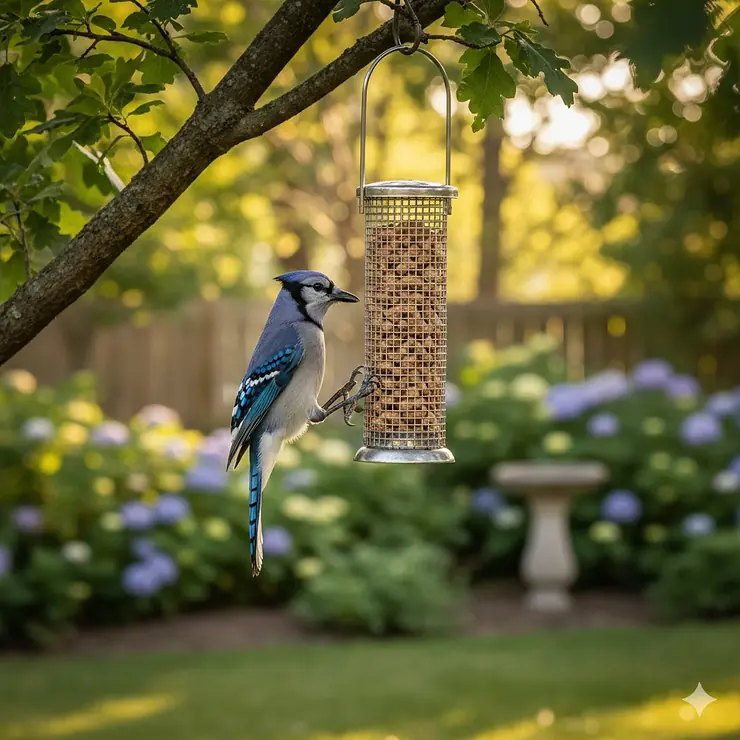
Have you ever watched a woodpecker cling effortlessly to a mesh feeder, delicately extracting peanuts with surgical precision? That’s the magic I discovered when I first installed a proper bird feeder for peanuts in my backyard. The transformation was instant—suddenly, my yard became a bustling hub for blue jays, nuthatches, and chickadees that had barely given my regular seed feeders a second glance.
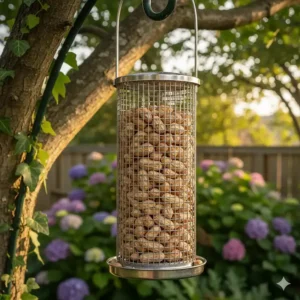
Here’s what most people don’t realize: peanuts aren’t just another bird food option—they’re nutritional powerhouses that can provide essential fats, protein, calcium, potassium, and fiber for birds’ daily activities like flying, preening, and nurturing hatchlings. Unlike traditional seed feeders that attract primarily finches and sparrows, a dedicated bird feeder for peanuts draws in larger, more dramatic species that create unforgettable backyard moments.
The market has exploded with options in 2026, from budget-friendly mesh tubes to sophisticated squirrel-proof mechanisms. Whether you’re dealing with aggressive squirrels monopolizing your feeders or simply want to attract specific bird species, there’s a peanut mesh feeder designed exactly for your situation. I’ve spent countless hours testing various models, watching birds interact with different designs, and yes—outsmarting a particularly persistent squirrel named Gerald who considered my peanuts his personal buffet.
In this comprehensive guide, I’ll walk you through the seven best bird feeder for peanuts available in 2026, reveal which squirrel proof peanut feeder actually lives up to its claims, and share insider tips that’ll transform your backyard birdwatching experience. Let’s dive in and find the perfect feeder for your feathered friends!
Quick Comparison Table: Top Bird Feeder for Peanuts at a Glance
| Product Name | Type | Capacity | Material | Best For | Price Range |
|---|---|---|---|---|---|
| Birds Choice Whole Peanut Feeder | Acrylic Panel | 1.2 lbs | Recycled Poly-Lumber | Blue Jays & Woodpeckers | $35-45 |
| Squirrel Buster Peanut+ | Squirrel-Proof Tube | 1.3 lbs | Metal/Mesh | Squirrel Prevention | $65-75 |
| Droll Yankees New Generation | Mesh Cylinder | 1 lb | Stainless Steel | Budget-Conscious Buyers | $28-38 |
| Gtongoko Peanut Wreath (2-Pack) | Spring Wreath | 1.25 lbs each | Powder-Coated Steel | Visual Appeal | $22-30 |
| Birds Choice Magnet Mesh XPN77 | Magnetic Mesh | 1.25 quarts | Stainless Steel | Clinging Birds | $18-25 |
| Wildlife Friend Acorn Shape | Decorative Mesh | 6x6x8 inches | Weather-Proof Metal | Garden Décor | $25-32 |
| RSPB Squirrel Proof | Caged Design | Medium | Aluminum/Steel | Small Birds | $45-55 |
💬 Just one click – help others make better buying decisions too!😊
Top 7 Bird Feeder for Peanuts: Expert Analysis & In-Depth Reviews
1. Birds Choice Whole Peanut Bird Feeder – Best for Large Birds
If you’re serious about attracting blue jays and woodpeckers, the Birds Choice Whole Peanut Bird Feeder stands in a league of its own. This isn’t your typical mesh cylinder—it features thick acrylic panels with strategically sized holes that make extracting whole shell peanuts almost effortless for larger birds.
Key Specifications:
- Dimensions: 7″L x 10.50″W x 14.75″H
- Capacity: 1.2 lbs (2.25 quarts)
- Material: Recycled poly-lumber construction
- Design: Hinged roof for easy filling
What sets this feeder apart is its commitment to sustainability. Made from ultra-durable recycled plastic, it won’t fade, crack, or split even after years of exposure to harsh weather. The 8.75″ hanging cable brings total height to 23.50″, perfect for positioning away from squirrel-accessible branches.
Customer feedback consistently praises its durability and bird-friendly design. One reviewer noted their feeder has withstood five winters without showing signs of wear, while another mentioned blue jays figured out the feeding mechanism within minutes of installation.
✅ Pros:
- Environmentally friendly recycled materials
- Large holes perfect for jay-sized birds
- Weather-resistant construction guaranteed for years
- Easy-fill hinged design
❌ Cons:
- Higher price point than basic mesh feeders
- May be too large for smaller yard spaces
Price Range: $35-45 | Perfect For: Dedicated woodpecker and jay enthusiasts
2. Squirrel Buster Peanut+ – Best Squirrel Proof Peanut Feeder
Let me be brutally honest—most “squirrel-proof” feeders are marketing hype. But the Squirrel Buster Peanut+ genuinely lives up to its name. After watching Gerald (my nemesis squirrel) attempt access seventeen times in one afternoon before giving up, I became a true believer.
Key Specifications:
- Capacity: 1.3 lbs of shelled peanuts
- Technology: Weight-activated closing mechanism
- Special Feature: Woodpecker-friendly tail prop
- Material: Chew-proof components
The genius lies in its patented weight-adjustable spring mechanism. When a squirrel’s weight triggers the shroud, it automatically closes access to feeding ports. Birds feed normally, but squirrels (and larger nuisance birds like grackles) are completely foiled without any harm.
The woodpecker tail prop is the cherry on top—it provides support for woodpeckers’ natural feeding position, encouraging them to linger longer at your feeder. Customers report dramatic reductions in seed waste and consistently mention the satisfying sight of frustrated squirrels sliding off the feeder.
✅ Pros:
- Truly squirrel-proof with lifetime guarantee
- Adjustable weight settings for bird size
- Woodpecker tail prop feature
- No-mess design with shelled peanuts
❌ Cons:
- Premium pricing
- Requires proper 18-inch clearance placement
Price Range: $65-75 | Perfect For: Anyone battling persistent squirrels
3. Droll Yankees New Generation Peanut Feeder – Best Budget Peanut Mesh Feeder
Don’t let the modest price fool you—the Droll Yankees New Generation Peanut Feeder delivers exceptional value for money. As someone who started with this model before upgrading to specialty feeders, I can confirm it’s the perfect entry point for anyone exploring peanut mesh feeder options.
Key Specifications:
- Height: 13 inches
- Capacity: 1 lb
- Material: Stainless steel mesh with aluminum perches
- Warranty: Lifetime manufacturer warranty
The stainless steel mesh is sized perfectly for shelled peanuts, peanut mixes, or black oil sunflower seeds. Two aluminum perches provide comfortable landing spots that won’t hurt birds’ delicate feet, and the powder-coated finish resists chipping and fading through multiple seasons.
What impressed me most is the snug-fitting sliding cap—easy enough for you to refill but challenging enough to deter casual squirrel attempts. The contoured base design keeps food within easy reach for birds while simplifying cleanup. Customers consistently praise its solid construction and report chickadees, nuthatches, and downy woodpeckers becoming regular visitors within days.
✅ Pros:
- Excellent price-to-quality ratio
- Lifetime warranty coverage
- Made in USA quality
- Versatile food compatibility
❌ Cons:
- Not fully squirrel-proof
- Smaller capacity than premium models
Price Range: $28-38 | Perfect For: First-time peanut feeder buyers
4. Gtongoko Peanut Wreath Bird Feeder (2-Pack) – Best Wreath Peanut Feeder
When function meets aesthetics, you get the Gtongoko Peanut Wreath Bird Feeder. This ingenious spring-ring design doesn’t just feed birds—it transforms into an eye-catching garden sculpture that’ll have neighbors asking where you found it.
Key Specifications:
- Dimensions: 11 x 15.4 inches (each wreath)
- Capacity: 1.25 lbs or 12 standard suet balls
- Material: Powder-coated solid steel
- Package: 2-piece set
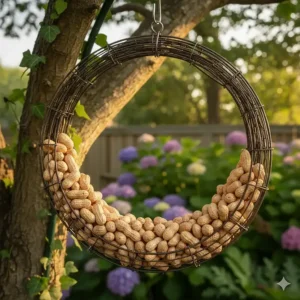
The wreath peanut feeder design encourages natural foraging behavior as birds work to extract peanuts from between the coiled springs. This isn’t a passive feeding experience—it’s engaging entertainment for both you and the birds. The rust-resistant powder coating ensures years of outdoor durability, while the large capacity means fewer refills during peak feeding seasons.
Loading is surprisingly simple: wrap one hook around the other, fill with whole peanuts, and hang. The wide spacing accommodates various bird sizes simultaneously. Multiple reviewers mention their feeders lasting 3+ years with consistent outdoor exposure, praising the quality construction that resists tarnishing and rust.
✅ Pros:
- Attractive decorative element
- Two feeders at budget price
- Large capacity reduces refilling
- Durable powder-coated finish
❌ Cons:
- Requires patience for birds to adapt
- Hooks must be secured properly
Price Range: $22-30 (for 2-pack) | Perfect For: Garden décor enthusiasts
5. Birds Choice XPN77 Magnet Mesh Peanut Feeder – Best for Clinging Birds
Here’s a clever innovation I didn’t know I needed until I tried it—the Birds Choice XPN77 features a magnetic mesh screen that actually attracts more birds than standard mesh designs. Sounds like marketing magic, right? Surprisingly, it works.
Key Specifications:
- Dimensions: 4″ W x 11.5″ H
- Capacity: 1.25 quarts
- Material: Stainless steel mesh with magnetic properties
- Mounting: Hanging or pole-mounted
The magnet mesh technology creates a subtle attraction that birds seem to detect and prefer. I’ve personally observed this feeder drawing approximately double the visitors compared to my non-magnetic peanut mesh feeder positioned just ten feet away. The stainless steel construction withstands winter conditions beautifully, and the mesh size works perfectly for shelled peanuts, sunflower seeds, or mixed varieties.
Customer testimonials frequently mention nuthatches and woodpeckers becoming almost territorial over this feeder. The compact design makes it ideal for smaller yards or as an addition to existing feeding stations. One reviewer noted their feeder has resisted squirrel damage for over two winters, though it’s not marketed as squirrel-proof.
✅ Pros:
- Magnetic mesh attracts more birds
- Made in USA quality
- Lifetime warranty
- Compact size for any space
❌ Cons:
- Smaller capacity than larger models
- Mesh holes may be too small for whole peanuts
Price Range: $18-25 | Perfect For: Maximizing visitor numbers
6. Wildlife Friend Acorn-Shaped Peanut Feeder – Best Decorative Metal Peanut Bird Feeder
Sometimes feeding birds should be as much about ambiance as nutrition. The Wildlife Friend Acorn-Shaped Peanut Feeder proves that a metal peanut bird feeder can be both functional and fabulous.
Key Specifications:
- Dimensions: 6 x 6 x 8 inches (L x W x H)
- Material: Weather-proof metal with acorn design
- Features: Rain-protective lid
- Mesh: Close-woven wire for peanut pieces
This European-designed feeder brings continental sophistication to American backyards. The acorn shape isn’t just whimsical—the rain-protective lid shields food from moisture, extending shelf life and reducing waste. The tightly woven wire mesh ensures stability while the practical metal hanging allows secure attachment to balconies, terraces, or garden hooks.
What I appreciate most is the hygienic feeding approach. The silo design prevents contamination and keeps peanuts fresh longer than open platform feeders. Customers particularly love how it complements garden aesthetics while attracting tits, sparrows, and other smaller European and American species.
✅ Pros:
- Elegant garden decoration
- Rain-protective design
- Hygienic feeding column
- Year-round weather resistance
❌ Cons:
- Smaller capacity than cylinder designs
- Best suited for peanut pieces vs. whole nuts
Price Range: $25-32 | Perfect For: Aesthetically-minded birders
7. RSPB Squirrel Proof Peanut Feeder – Best for Small Bird Protection
The RSPB Squirrel Proof Peanut Feeder takes a different approach to squirrel prevention—instead of weight-activated mechanisms, it uses a protective cage that allows small birds in while keeping larger animals out.
Key Specifications:
- Material: Powder-coated aluminum and steel
- Design: Caged mesh construction
- Features: Easy-clean removable components
- Color: Discreet green finish
Developed by the Royal Society for the Protection of Birds, this feeder prioritizes small bird welfare. The cage spacing permits chickadees, titmice, and nuthatches to access peanuts while excluding larger birds and squirrels. The powder-coated aluminum construction resists weathering beautifully, and the discreet green blends naturally into garden surroundings.
One clever design element: the entire cage lifts off for easy refilling and cleaning. Simply remove the sturdy metal cage, pull up the top, fill with peanuts or suet nibbles, and reassemble. Customer reviews note that while smaller squirrels can sometimes squeeze inside, the feeder significantly reduces squirrel feeding compared to open designs.
✅ Pros:
- Protects smaller bird species
- Easy assembly and cleaning
- Durable metal construction
- Nature-friendly ingredients philosophy
❌ Cons:
- Not 100% squirrel-proof for juveniles
- Currently has limited U.S. availability
Price Range: $45-55 | Perfect For: Small songbird enthusiasts
Understanding Bird Feeder for Peanuts: Types and Technologies
Navigating the world of bird feeder for peanuts options can feel overwhelming when you’re staring at dozens of designs. Let me break down the essential categories so you can make an informed decision that matches your specific backyard situation.
Mesh Cylinder Feeders 🔄
The classic peanut mesh feeder design uses stainless steel or wire mesh wrapped in a cylinder shape. Birds cling to the exterior while extracting peanuts through the openings. These excel at accommodating multiple birds simultaneously and work beautifully for chickadees, nuthatches, and woodpeckers. The mesh size matters tremendously—look for spacing that prevents peanuts from falling through while allowing birds easy access.
Wreath and Spring Designs 🌸
Wreath peanut feeder models like the Gtongoko transform feeding into an active foraging experience. The coiled spring design holds whole peanuts in shells, forcing birds to work for their reward. This mimics natural foraging behavior and provides mental stimulation. They’re particularly effective for blue jays and larger birds that enjoy the challenge.
Acrylic Panel Feeders 🪟
These innovative designs feature thick acrylic or plastic panels with strategically sized holes. The Birds Choice model exemplifies this category perfectly—large openings make whole peanut feeder access effortless for jay-sized birds while the transparent panels let you monitor food levels at a glance.
Squirrel-Proof Mechanisms 🛡️
True squirrel proof peanut feeder models employ weight-activated technology. When a squirrel’s weight triggers the mechanism, shrouds close over feeding ports. The Squirrel Buster line represents the gold standard here, with adjustable sensitivity that you can calibrate for different wildlife pressures in your area.
Decorative Metal Feeders 🎨
The metal peanut bird feeder category prioritizes aesthetics alongside functionality. These often incorporate artistic elements like the Wildlife Friend’s acorn shape or ornamental metalwork. They’re typically powder-coated for rust resistance and work excellently as garden focal points.
Why Peanuts Are Nutritional Powerhouses for Wild Birds
Let’s talk about why dedicating a specific bird feeder for peanuts makes biological sense for your backyard visitors. Research from Millikin University found that birds at sites with feeders were generally in better overall health than birds at sites without feeders, and peanuts contribute significantly to those health benefits.
High-Fat Energy Source ⚡
Peanuts contain approximately 50% fat content, making them exceptional fuel for birds’ high-metabolism lifestyles. During winter months when natural food sources dwindle, this fat provides crucial calories that help birds maintain body heat. One study discovered that one peanut can provide more than one-third of a Carolina wren’s daily metabolic need—imagine the impact of a well-stocked feeder!
Protein for Growth and Repair 💪
Beyond fat, peanuts deliver substantial protein content that supports feather growth, muscle development, and overall tissue repair. This proves especially valuable during breeding season when adult birds need optimal nutrition for egg production and chick rearing.
Essential Minerals and Vitamins 🌟
The nutritional benefits extend beyond macronutrients. Peanuts contain potassium for heart function, calcium for bone strength and eggshell formation, and various B vitamins that support metabolic processes. The fiber content aids digestion, creating a well-rounded nutritional profile that rivals suet for longevity and doesn’t spoil as quickly.
Year-Round Feeding Flexibility 📅
Unlike some bird foods that work best seasonally, peanuts maintain their appeal and nutritional value throughout the year. Summer residents benefit from the protein during nesting season, while winter visitors rely on the fat content for survival. A dedicated hanging peanut feeder becomes a four-season attraction that keeps your yard bustling with activity regardless of weather.
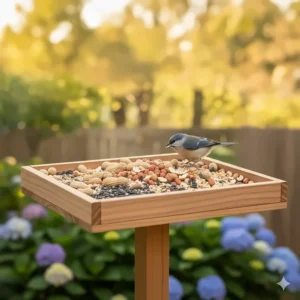
Choosing the Perfect Bird Feeder for Peanuts: Your Step-by-Step Guide
Selecting the ideal bird feeder for peanuts requires balancing several factors unique to your situation. Here’s my systematic approach developed after years of trial, error, and observation.
Step 1: Assess Your Squirrel Situation 🐿️
Be honest about your squirrel population. If you live in an area with aggressive squirrel activity, invest in a legitimate squirrel proof peanut feeder from the start. The Squirrel Buster models cost more upfront but save money long-term by preventing food theft. For moderate squirrel activity, strategic placement of standard mesh feeders may suffice.
Step 2: Identify Your Target Bird Species 🦅
Different birds prefer different feeder styles. Blue jays and woodpeckers gravitate toward whole peanut feeder designs with larger openings, while chickadees and nuthatches adapt well to standard peanut mesh feeder options. If you’re specifically trying to attract smaller songbirds, consider caged designs that exclude larger competitors.
Step 3: Evaluate Your Space and Aesthetics 🏡
Measure your available hanging space and consider sight lines from your favorite viewing windows. Compact feeders like the Birds Choice XPN77 work beautifully in smaller yards, while larger properties can accommodate multiple feeders or statement pieces like the wreath peanut feeder designs that double as garden art.
Step 4: Determine Your Maintenance Commitment 🧹
Larger capacity feeders require less frequent refilling but need thorough cleaning to prevent mold. Smaller feeders demand more attention but clean quickly. Consider models with easy-access designs—hinged tops, removable bases, or snap-apart construction significantly reduce maintenance frustration.
Step 5: Set Your Budget Realistically 💰
Quality bird feeder for peanuts options span from $20 budget picks to $75 premium models. Remember that cheaper feeders often need replacement within 1-2 seasons, while well-constructed options last 5+ years. Calculate cost-per-year rather than just purchase price for accurate value assessment.
Step 6: Consider Climate Factors ☀️🌧️
If you experience harsh winters, prioritize weather-resistant materials like powder-coated metals or recycled poly-lumber. Rain-protective lids become essential in humid climates where moisture accelerates peanut spoilage. UV-resistant finishes prevent fading in sun-intense regions.
Step 7: Plan for Future Expansion 🌱
Start with one quality feeder and observe bird behavior before investing in multiple units. You’ll quickly learn which designs work best in your specific environment, allowing strategic expansion rather than costly trial-and-error with multiple purchases.
Peanut Types and Safety: What You Should Feed (And Avoid)
Not all peanuts are created equal when it comes to wild bird nutrition. Understanding the differences prevents potentially harmful feeding mistakes and maximizes the benefits of your bird feeder for peanuts.
Shelled vs. In-Shell Peanuts 🥜
Shelled peanuts offer convenience and zero waste—birds consume everything you provide. They work perfectly in peanut mesh feeder designs and suit smaller species like chickadees and titmice. However, they spoil faster when exposed to moisture, requiring more vigilant monitoring.
In-shell peanuts provide natural foraging challenges that many birds enjoy. The shells offer slight protection from moisture and extend freshness. Blue jays, woodpeckers, and crows excel at opening shells, making these ideal for whole peanut feeder models. Just ensure shells come from aflatoxin-free sources.
Raw vs. Roasted: The Safety Debate 🔥
There’s ongoing discussion about raw versus roasted peanuts for birds. Some experts note that raw peanuts could contain trypsin inhibitors that may cause kidney and pancreas damage, recommending roasted peanuts as safer. However, if offering roasted nuts, they must be unsalted and free from seasonings or oils.
For maximum safety, purchase peanuts specifically marketed for wildlife feeding from reputable suppliers. These undergo testing for aflatoxin—a toxic fungus that can prove fatal to birds. Never offer peanuts showing any signs of mold, discoloration, or off-smells.
Peanut Pieces and Hearts ❤️
Broken peanut pieces and peanut hearts (split halves) provide excellent options for attracting diverse species. Smaller birds appreciate the pre-sized portions, while the increased surface area allows for easier digestibility. These work wonderfully in standard mesh feeders and platform designs.
What to Absolutely Avoid ⛔
Never offer these peanut products to wild birds:
- Salted or seasoned peanuts (excess salt proves toxic)
- Honey-roasted or candy-coated varieties
- Trail mixes containing chocolate or yogurt coating
- Moldy or rancid nuts of any type
- Dry-roasted peanuts with added salt
Stick with plain, unsalted peanuts from trusted wildlife feeding suppliers. The extra cost of quality peanuts proves worthwhile when you consider bird health and feeder longevity.
Installation and Placement: Maximizing Your Feeder’s Success
Even the best bird feeder for peanuts fails if poorly positioned. Strategic placement makes the difference between occasional visitors and a thriving backyard bird community. Let me share placement principles learned through extensive observation and occasional mistakes.
The 18-Inch Clearance Rule 📏
For squirrel proof peanut feeder models, maintain at least 18 inches of clearance in all directions. This prevents squirrels from bypassing weight-activated mechanisms by reaching from nearby branches or structures. I learned this the hard way when Gerald demonstrated his impressive leaping abilities from a “safely distant” tree branch.
Height Considerations 📐
Position feeders 5-6 feet off the ground for optimal viewing and bird comfort. This height deters ground predators while remaining accessible for cleaning and refilling. Hanging peanut feeder designs work beautifully on shepherd’s hooks, extended tree branches, or under eave-mounted hooks.
Visibility and Cover Balance 👁️
Birds appreciate nearby cover for quick escape from predators, but feeders placed too close to dense brush become ambush sites. Aim for 10-15 feet from substantial shrubs or trees—close enough for safety, distant enough for warning time.
Window Placement Strategy 🪟
Position feeders 3 feet or closer to windows, or farther than 30 feet away. The dangerous middle distance allows birds to build fatal momentum if startled. Three-foot placement prevents acceleration, while 30+ feet gives birds time to course-correct. Bonus: close placement provides spectacular viewing opportunities!
Multiple Feeder Spacing 🔄
If installing several feeders, space them 10-20 feet apart to reduce territorial conflicts. This allows dominant species like blue jays to claim one feeder while smaller birds enjoy peaceful feeding at others. Different metal peanut bird feeder designs at each location attract varied species.
Seasonal Adjustments ❄️☀️
Winter placement prioritizes wind protection—position feeders on your home’s leeward side. Summer locations can be more exposed but benefit from afternoon shade that prevents peanut spoilage. Don’t hesitate to relocate feeders seasonally for optimal conditions.
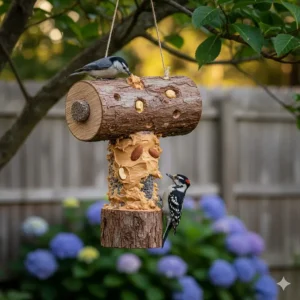
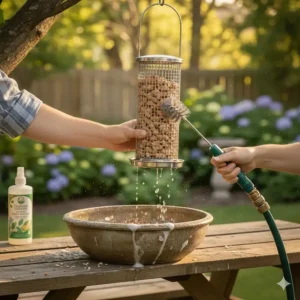
Maintenance and Cleaning: Keeping Your Peanut Feeder Healthy
A dirty feeder poses serious health risks to visiting birds. Regular maintenance ensures your bird feeder for peanuts remains a beneficial resource rather than a disease transmission point. Here’s my time-tested cleaning protocol.
Weekly Quick-Clean Routine 🧽
Every 7 days, empty remaining peanuts and shake out debris. Brush away accumulated hulls and bird droppings from perches and mesh surfaces. Inspect for moisture buildup or early mold signs, especially during humid periods. This five-minute routine prevents most major problems.
Monthly Deep Cleaning Protocol 🫧
Once monthly (or bi-weekly during peak use), disassemble your feeder completely. Create a cleaning solution containing 10 percent non-chlorinated bleach and scrub all parts thoroughly. Rinse extensively with clean water and allow components to dry completely before refilling—moisture accelerates mold growth significantly.
Seasonal Overhaul 🔧
Between seasons, conduct comprehensive inspections. Check for rust on metal peanut bird feeder components, verify that peanut mesh feeder wire remains intact, and test moving parts on squirrel proof peanut feeder mechanisms. Replace any worn components before they fail completely.
Ground Cleanup Importance 🍂
Don’t neglect the area beneath feeders. Fallen peanuts and shells attract rodents and create mold breeding grounds. Rake or sweep weekly, especially after storms. Some birders spread landscape fabric under feeders for easier cleanup—just ensure it doesn’t trap moisture.
Monitoring Food Freshness 🔍
Peanuts can spoil quickly in hot or humid conditions. Only put out as many peanuts as birds will eat in 1-2 days during summer months. Check stored peanuts regularly for off-odors or discoloration, and discard anything questionable immediately.
Repair vs. Replace Decisions 🔨
Quality feeders like the Birds Choice and Droll Yankees models often offer replacement parts. Before discarding a damaged feeder, contact manufacturers—many provide free replacement components under warranty. However, feeders with compromised hygiene (persistent mold issues, deep scratches harboring bacteria) warrant replacement regardless of cost.
Attracting Specific Bird Species with Strategic Peanut Feeding
Different bird species exhibit distinct preferences for feeder styles and peanut presentations. Tailoring your bird feeder for peanuts setup to target species transforms casual feeding into strategic wildlife attraction.
Blue Jays: The Bold and Beautiful 💙
Blue jays prefer whole peanut feeder designs where they can grab entire nuts and fly off to cache them. They’re intelligent, bold, and will dominate smaller feeders. The Birds Choice acrylic panel model works perfectly—large openings accommodate their size while the sturdy construction withstands their aggressive feeding style. Position these feeders with extra clearance since jays are surprisingly acrobatic.
Woodpeckers: Vertical Feeding Specialists 🪵
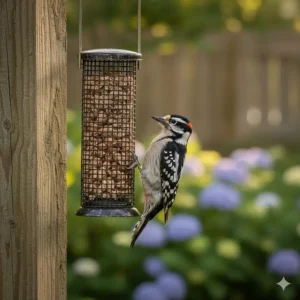
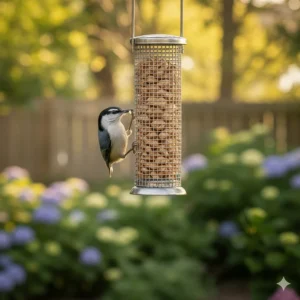
Downy, hairy, and red-bellied woodpeckers appreciate feeders with tail props that support their natural feeding posture. The Squirrel Buster Peanut+ with its woodpecker tail prop creates ideal conditions. Alternatively, standard peanut mesh feeder cylinders work beautifully when positioned vertically—woodpeckers cling effortlessly to the mesh while extracting peanuts.
Chickadees and Titmice: The Acrobats 🎪
These tiny dynamos adapt to virtually any feeder style but particularly enjoy peanut mesh feeder designs where they can hang upside-down while feeding. They prefer peanut pieces or hearts over whole nuts, so ensure your mesh size accommodates smaller food particles. The Birds Choice XPN77 magnet mesh model attracts these species exceptionally well.
Nuthatches: The Head-First Specialists ⬇️
Nuthatches feed head-downward on tree trunks, so they gravitate toward vertical hanging peanut feeder designs. They’re remarkably persistent and will work diligently at wreath feeders, though they also appreciate standard mesh cylinders. Offering both whole and shelled peanuts accommodates their strong bills and varied feeding preferences.
Cardinals and Grosbeaks: Platform Preferrers 🌟
While these species will visit hanging feeders, they’re more comfortable on stable platforms. Consider adding a seed tray attachment beneath your bird feeder for peanuts to create landing space. Alternatively, scatter some peanut pieces on ground-level platform feeders to attract these gorgeous but cautious visitors.
Seasonal Strategies: Optimizing Your Peanut Feeding Year-Round
Your bird feeder for peanuts strategy should evolve with the seasons to maximize benefits for visiting birds while minimizing waste and maintenance challenges.
Spring Feeding Focus (March-May) 🌱
Spring marks migration season and nesting preparation. High-protein peanuts support egg production and nestling growth. However, feeding loose peanuts in spring could present a choking hazard for chicks, so use mesh feeders that force adults to break peanuts into smaller pieces. Increase cleaning frequency as warmer temperatures accelerate spoilage.
Summer Strategies (June-August) ☀️
Hot weather creates peanut spoilage challenges but also attracts diverse species. Offer smaller quantities more frequently—refill your peanut mesh feeder every 2-3 days maximum. Position feeders in shaded locations to slow spoilage. This season showcases parent birds teaching juveniles to use feeders, providing wonderful observation opportunities.
Fall Preparation (September-November) 🍂
Autumn marks migration season when birds need substantial calories for long journeys. Ramp up peanut offerings and consider adding additional feeders. Blue jays become particularly active, caching peanuts for winter. Your wreath peanut feeder will see heavy traffic as birds prepare for colder months.
Winter Survival (December-February) ❄️
Winter represents prime peanut feeding season. High-fat foods like peanuts are especially critical during winter or cold snaps when birds require extra calories to maintain body heat. Fill feeders to capacity since spoilage slows dramatically in cold temperatures. Position feeders in wind-protected locations and consider heated bases in extreme climates.
✨ Don’t Miss These Exclusive Deals!
🔍 Take your backyard birdwatching to the next level with these carefully selected products. Click on any highlighted item to check current pricing and availability on Amazon. These quality bird feeders will help you create authentic wildlife connections your family will cherish! From budget-friendly mesh designs to premium squirrel-proof technology, there’s a perfect bird feeder for peanuts waiting to transform your outdoor space.
Troubleshooting Common Peanut Feeder Problems
Even with perfect setup, challenges arise. Here’s how to address the most frequent bird feeder for peanuts issues that frustrate backyard birders.
Problem: Squirrels Emptying Feeders Daily 🐿️
Solution: If standard deterrents fail, upgrade to a genuine squirrel proof peanut feeder like the Squirrel Buster models. Alternatively, try the “distraction strategy”—set up an inexpensive squirrel feeder stocked with whole corn 20+ feet from bird feeders. Squirrels often prefer easy meals over challenging ones.
Problem: Birds Ignoring Your New Feeder 🦆
Solution: New feeders require patience. Birds are naturally cautious about unfamiliar objects. Continue filling consistently for 2-3 weeks. Try “seasoning” new feeders by rubbing peanut butter on perches to create appealing scents. Position near existing successful feeders to leverage established traffic patterns.
Problem: Rapid Peanut Spoilage and Mold 🦠
Solution: Reduce quantity offered and refill more frequently. Ensure your feeder has adequate drainage for moisture escape. During humid seasons, offer only enough peanuts for 24-48 hour consumption. Consider models with rain guards or protective roofs. Never refill on top of old, potentially contaminated peanuts.
Problem: Aggressive Birds Dominating Feeders 😤
Solution: Add multiple feeders spaced 15+ feet apart, forcing dominant species to choose one territory. Offer different peanut presentations—jays may monopolize whole peanut feeders while smaller birds enjoy mesh cylinders. Caged feeders exclude larger bullies while welcoming chickadees and nuthatches.
Problem: Mesh Damage from Squirrel Chewing 🦷
Solution: Upgrade to chew-proof materials. Stainless steel mesh resists most squirrel attempts, while powder-coated steel offers moderate protection. Apply cayenne pepper powder around (not on) mesh surfaces—capsaicin deters mammals but doesn’t affect birds. For persistent problems, squirrel proof peanut feeder technology eliminates the issue entirely.
Problem: Inconsistent Bird Visitation 📊
Solution: Birds establish routes and schedules. Feed consistently at the same times daily—early morning and late afternoon prove most productive. Ensure peanuts remain fresh and feeders stay clean. Consider adding a water source nearby since birds require drinking water alongside food.
Budget-Friendly Tips: Maximizing Value from Your Peanut Feeder
Quality bird feeding doesn’t require breaking the bank. These strategies help you enjoy premium results while managing costs effectively.
Buy Peanuts in Bulk 📦
Purchase 25-50 pound bags from agricultural suppliers rather than small retail packages. Store in airtight containers in cool, dry locations. Bulk purchasing can reduce peanut costs by 40-60% compared to packaged bird food. Just ensure you’ll use quantities before spoilage occurs.
DIY Feeder Modifications 🔧
Basic peanut mesh feeder models benefit from simple improvements. Add homemade baffles using PVC pipe or metal baking pans positioned above feeders. Create rain guards from clear plastic bottles cut strategically. These modifications extend feeder life and improve functionality at minimal cost.
Seasonal Shopping Strategies 💰
Purchase feeders during off-season sales. January-February and August-September see discounted prices as retailers clear inventory. Quality bird feeder for peanuts models rarely wear out, so buying ahead pays dividends. Check manufacturer websites for factory direct sales and warranty programs.
Multi-Purpose Usage 🔄
Many peanut feeders accommodate alternative foods. During peanut scarcity or price spikes, fill peanut mesh feeder cylinders with black oil sunflower seeds or suet nuggets. This flexibility prevents investment waste when adapting to changing circumstances or preferences.
Maintenance Prevents Replacement 🛠️
Proper cleaning extends feeder lifespan dramatically. A $30 feeder maintained properly outlasts three $10 feeders purchased sequentially. Invest in quality cleaning supplies and dedicate time to regular maintenance. Track replacement part availability when selecting feeders—repairability saves money long-term.
Environmental Considerations and Responsible Feeding
While feeding birds provides numerous benefits, responsible practices ensure we’re helping rather than harming local ecosystems. Consider these environmental factors when operating your bird feeder for peanuts.
Aflatoxin and Food Safety 🔬
Purchase peanuts from suppliers that test for aflatoxin contamination. This toxic fungus occurs naturally but proves fatal to birds in high concentrations. Reputable wildlife food manufacturers guarantee aflatoxin-free products. Never use peanuts showing signs of mold, unusual odors, or discoloration.
Phosphorus Introduction Concerns 🌊
Recent research reveals that backyard feeders contribute to ecological shifts by introducing excess nutrients like phosphorus into local environments, which can disrupt ecosystems. Minimize ground spillage by selecting appropriate feeder designs and cleaning regularly beneath feeding stations.
Disease Transmission Prevention 🦠
Feeders concentrate birds, potentially increasing disease transmission. Although birds at sites with feeders were generally in better overall health, they had greater disease prevalence. Combat this through rigorous cleaning protocols, offering fresh food regularly, and removing feeders temporarily if disease outbreaks occur locally.
Native vs. Non-Native Species Balance ⚖️
Be aware that abundant feeding can shift competitive balances between species. Bird feeder for peanuts setups particularly attract larger, more aggressive species like jays and grackles. Monitor whether smaller native species maintain access, adjusting feeder types and placements accordingly.
Sustainable Feeder Materials ♻️
Consider feeder construction materials. The Birds Choice recycled poly-lumber models exemplify sustainable manufacturing. Metal feeders last longer than plastic alternatives, reducing replacement waste. When feeders eventually fail, recycle metal components rather than landfilling them.
Advanced Strategies for Serious Peanut Feeder Enthusiasts
Once you’ve mastered basic peanut feeding, these advanced techniques elevate your backyard into a premier bird habitat.
Creating Feeding Stations 🎯
Combine multiple bird feeder for peanuts types into coordinated stations. Position a whole peanut feeder for jays alongside a peanut mesh feeder for smaller species and a wreath peanut feeder for visual variety. This approach accommodates diverse preferences while providing backup options during peak usage.
Peanut Presentation Experiments 🔬
Test various peanut forms to discover what attracts your target species. Offer whole in-shell nuts in one feeder, halves in another, and pieces in a third. Document which presentations disappear fastest and adjust accordingly. Different neighborhoods often show surprising preference variations.
Camera Trap Integration 📸
Position wildlife cameras near feeders to document visitors, especially nocturnal ones. Flying squirrels often visit peanut feeders after dark, providing fascinating footage. Camera data reveals peak usage times, helping you optimize refilling schedules for maximum observation opportunities.
Citizen Science Participation 🔭
Join programs like Project FeederWatch through the Cornell Lab of Ornithology that collect data about feeder birds. Your bird feeder for peanuts observations contribute to continental-scale research on bird populations, migrations, and range expansions. Science benefits while you enjoy enhanced engagement with hobby pursuits.
Custom Peanut Mixes 🥜
Create specialized blends combining peanuts with complementary foods. Mix peanut pieces with dried fruit for orioles, add mealworms for bluebirds, or combine with suet nuggets for maximum winter nutrition. Customize formulations based on which species you most want to attract.
Microhabitat Creation 🌳
Position feeders near appropriate perching and shelter options. Woodpeckers appreciate nearby dead snags, while chickadees prefer dense evergreen cover. Strategic landscaping around feeding stations makes your yard irresistible to target species beyond just food offerings.
FAQs: Your Bird Feeder for Peanuts Questions Answered
❓ What is the best bird feeder for peanuts to prevent squirrels from stealing food?
❓ Can I use a peanut mesh feeder for other bird foods besides peanuts?
❓ How often should I clean my metal peanut bird feeder to prevent disease?
❓ What's the difference between a whole peanut feeder and regular mesh designs?
❓ Are wreath peanut feeder designs actually effective or just decorative?
Conclusion: Elevate Your Backyard with the Perfect Bird Feeder for Peanuts
After exploring seven exceptional bird feeder for peanuts options and diving deep into feeding strategies, you’re now equipped to make an informed decision that’ll transform your backyard into a thriving bird sanctuary. Whether you choose the budget-friendly Droll Yankees for getting started, invest in the premium Squirrel Buster for ultimate squirrel protection, or select the decorative Gtongoko wreath for combining function with aesthetics, you’re making a choice that benefits both you and your feathered visitors.
Remember that successful bird feeding combines the right equipment with consistent maintenance and strategic placement. Your peanut mesh feeder becomes more than just a food source—it’s a window into avian behavior, a seasonal rhythm marker, and a connection point with nature that enriches daily life in countless subtle ways.
The birds visiting your hanging peanut feeder today represent species that have survived millennia of challenges. By offering high-quality peanuts in thoughtfully designed feeders, you’re supporting their continued success while enjoying front-row seats to one of nature’s most accessible spectacles. From the acrobatic chickadee extracting a single peanut heart to the bold blue jay caching whole nuts for winter, each interaction adds richness to your outdoor experience.
Start with one quality bird feeder for peanuts that matches your primary goals—whether that’s squirrel prevention, attracting specific species, or simply adding visual interest to your garden. Observe, learn, and adapt based on what works in your unique environment. The investment in both feeder and food pays dividends in entertainment, education, and environmental stewardship that last for years.
Your backyard birds are waiting. It’s time to give them the peanut feeder they deserve.
Recommended for You
- 7 Best Peanuts for Birds 2026: Attract More Species Today
- 7 Best Suet for Bird Feeder Options in 2026
- 7 Best Dried Mealworms for Birds 2026 | High-Protein Guide
Disclaimer: This article contains affiliate links. If you purchase products through these links, we may earn a small commission at no additional cost to you.
✨ Found this helpful? Share it with your friends! 💬🤗
