
In This Article
Bird grit for digestion is one of the most argued-over products in the pet aisle, and the packaging rarely explains why. Pick up a jar with a budgie, a cockatiel, and a canary smiling on the label and you’d assume every beak in the house needs it. Ask an avian vet and the answer gets a lot more tangled.
Here’s the short version. Birds that swallow seeds whole, like pigeons and doves, lean on grit to grind them inside the gizzard. Birds that hull their seeds first, which covers most parrots, budgies, and cockatiels, mostly don’t need it. Even finches fall into that group, according to VCA Animal Hospitals’ finch feeding guide, and the same guide warns that overeaten grit can obstruct the digestive tract. That tension is the heart of the grit vs no-grit debate, and we’ll treat both camps fairly.
Whichever side you land on, you still need a plan for gut health. So this guide pairs three grit and mineral options with four probiotic picks. You can weigh a probiotic supplement for parrot digestion against old-school grit, read mineral grit ingredients like a label detective, and learn the digestive health signs in budgies before a small problem turns into an emergency.
Everything here rests on real specs, aggregated reviewer sentiment, and honest reasoning. There are no invented test stories. Prices appear as ranges only, so check the current price on each listing. If you’re hunting for a digestive aid for parakeets, shopping for avian probiotics for cockatiels, or just want an affordable bird probiotic supplement, you’re in the right place.
Quick Comparison: Bird Grit and Gut-Support Picks at a Glance
| Product | Type | Standout Trait | Approx. Price Range* | Best For |
|---|---|---|---|---|
| Kaytee Hi-Calcium Grit | Mixed grit (granite + shell) | Clear label, tiny labeled dose | Under $15 | Owners who want a conventional grit cup, vet-approved |
| Higgins Mineral Grit | Oyster-shell mineral grit | No gravel, trace minerals | Under $15 (small sizes) | Mineral supplementation without insoluble stone |
| Hari Oyster Shells | Soluble calcium grit | Single-ingredient simplicity | Under $12 | Calcium top-ups, breeding hens |
| Bird Probiotic Powder 10 Billion CFU | Probiotic + prebiotic | Multi-use powder with herbal add-ons | Mid-teens to low $20s | Budget-conscious daily gut support |
| Flora Bird | Probiotic powder | 7 strains, flavorless | Roughly $15-$30 | Picky eaters, mixed flocks |
| HealthyGut | Probiotic + prebiotic | Sprinkles onto food | Roughly $20-$30 | Pellet-eating parrots, post-illness support |
| Vetafarm Probotic | Probiotic powder | Water-soluble, 7 microbes | Roughly $15-$25 | Post-antibiotic recovery, hand-reared chicks |
*Ranges are approximate and drawn from typical listings at the time of research. Prices vary by seller and size, so check current price before buying.
Looking at the table, the three grit products and the four probiotics are solving different problems. Grit and shell products are about grinding and minerals, while the probiotics target gut flora. If a veterinarian has told you your hulling parrot doesn’t need grit, skip straight to the probiotics. Seed-swallowing species and breeders can reasonably start with the grit side.
💬 Just one click — help others make better buying decisions too!😊
Top 7 Bird Grit and Digestive Support Products: Expert Analysis
1. Kaytee Hi-Calcium Grit — conventional mix with a refreshingly clear label
Kaytee Hi-Calcium Grit earns its place because the ingredient panel actually tells you what you’re feeding. The list leads with granite grit, followed by oyster shell, calcium carbonate, dicalcium phosphate, and a set of trace minerals. The guaranteed analysis lists roughly 17.5-21% calcium and about 2.2-2.7% salt.
In plain terms, the granite is insoluble and stays in the gizzard to grind, while the shell and calcium salts dissolve for minerals. The label’s serving guide is a mere quarter teaspoon weekly per bird in a separate cup. That signals a once-in-a-while supplement, not a free-choice bowl.
Based on the spec comparison, this is the most sensible pick for keepers who’ve already discussed grit with an avian vet. It’s also reasonable for anyone with seed-swallowing birds. For a healthy hulling budgie on a pellet-plus-veggie diet, the veterinary sources above lean toward skipping it. The added zinc oxide and copper oxide are another reason to stay strictly at label dose, since VCA notes store-bought grit has been implicated in metal toxicity.
I could not verify a representative sample of real customer reviews for this specific jar, so I won’t characterize reviewer sentiment. Check recent verified-purchase reviews on the listing yourself.
Pros:
- ✅ Ingredient and mineral analysis fully disclosed
- ✅ Granite plus shell covers both grit types
- ✅ Tiny labeled dose discourages overfeeding
Cons:
- ❌ Zinc and copper additives demand strict dose control
- ❌ Marketed broadly, though hullers may not need it
At the time of research this sits in the under-$15 range for the jar. It’s good value if you’ll use it sparingly, and poor value if it sits unopened because your vet said no.

2. Higgins Mineral Grit — oyster-shell grit built around minerals, not gravel
Higgins Mineral Grit takes a different route from the granite-based jars, because it’s crushed oyster shell and explicitly not gravel. The manufacturer lists calcium at 36-38%, phosphorus at a minimum of 0.2%, and salt at a minimum of 1%, with trace minerals including zinc, copper, manganese, iron, selenium, iodine, and cobalt. Natural anise flavor adds a licorice aroma, which might coax a hesitant bird.
Here’s what that means in practice. Oyster shell dissolves, so this works more as a mineral supplement than a grinding aid. That sidesteps the stone-impaction worry but introduces a different one: doubling up with cuttlebone, a mineral block, and fortified pellets can push calcium and trace minerals higher than intended.
The label’s feeding direction is where I’d pause. Higgins suggests one teaspoon per bird per day, capped at 7% of total daily food. Kaytee Hi-Calcium Grit says a quarter teaspoon weekly. That’s roughly a 28-fold gap between two products aimed at the same small birds. It’s worth raising with an avian vet before you pick a dose.
I could not verify a reliable sample of reviews, so no sentiment claims here. The manufacturer page lists 6 oz and 20 lb sizes, so confirm which size and seller are available on Amazon.
Pros:
- ✅ Oyster shell base, no gravel
- ✅ Broad trace-mineral profile
- ✅ Anise flavor may improve acceptance
Cons:
- ❌ Label dose seems high compared with competitors
- ❌ Adds to total mineral load alongside supplements
Expect small sizes in the under-$15 range. It’s a fair value for mineral support, provided you control the dose.
3. Hari Oyster Shells — plain soluble calcium without the extras
Hari Oyster Shells is the minimalist’s option: crushed oyster shell in a 15.5 oz size, with no stones and no flavorings or added trace minerals that I could verify.
The practical meaning is simple. Oyster shell is mostly calcium carbonate, which dissolves in the digestive tract and gets absorbed. Because there’s no insoluble component, it won’t grind seeds the way granite does. That makes it a calcium source rather than a digestive tool, and the shell’s soluble nature is why some keepers who worry about stone grit prefer it.
My analytical take is that this suits two kinds of owners. The first is the keeper who wants a calcium option beyond cuttlebone. The second is a breeder whose hens have higher calcium needs before laying, a pattern the World Parrot Trust article discusses in the context of grit-eating hens. For a healthy non-breeding bird on a fortified diet, extra calcium isn’t automatically better. Excess calcium is its own problem, so ask your vet about total intake.
I could not verify a representative sample of buyer reviews for this exact listing, so I’m staying away from sentiment claims.
Pros:
- ✅ Simple single-ingredient formula
- ✅ No added zinc or copper to worry about
- ✅ Large bag lasts a long time
Cons:
- ❌ Offers no grinding action for gizzards
- ❌ Easy to double up with other calcium sources
Listings generally sit in the under-$12 range. Cheap and honest, but only valuable if your bird needs the calcium.
4. Bird Probiotic Powder 10 Billion CFU — budget-minded daily gut powder with herbal extras
This Bird Probiotic Powder 10 Billion CFU listing combines a probiotic and prebiotic blend with vitamin C and oregano extract in a vegan, flavorless powder. The seller says it works for small and large species and can be mixed into water, seeds, pellets, or fresh chop. Its Amazon rank in Bird Health Supplies was in the low hundreds at the time of research, a figure that changes constantly.
Let me translate that. A big CFU number sounds impressive, but it’s only meaningful relative to the serving size, which the snippet I reviewed didn’t spell out. Check the label for CFU per serving and the number of servings per container. Also note that most pet birds make their own vitamin C, so that add-on is probably more label appeal than necessity. The oregano is a botanical you should clear with your vet.
For the affordable bird probiotic supplement slot, this is a contender if the per-day cost holds up. I couldn’t verify the brand name from the listing text I accessed, so confirm the seller and the lot’s expiration date before buying. I also couldn’t verify reviews.
Pros:
- ✅ Flexible mixing: water, seed, or fresh chop
- ✅ Flavorless, so less likely to put birds off
- ✅ Covers small and large species
Cons:
- ❌ Herbal extras add unneeded variables
- ❌ Brand and serving basis need verification
Typical pricing appears to sit in the mid-teens to low-$20s. Decent value if the cost-per-day math works out.
5. Flora Bird — seven strains in a flavorless, multi-bird powder
Flora Bird from Vital Planet is built around diversity: ten billion cultures across seven strains. The listing says it was developed with input from holistic veterinarian Dr. Joel Murphy and the brand’s founder, and the unflavored powder mixes into water or food. Amazon listed it in the top 100 of Bird Health Supplies at the time of research, though ranks shift daily.
In practice, a 1.06 oz container holds roughly 80 scoops. At one scoop a day, that’s nearly three months for a single bird. For a flock, divide accordingly. The “diversity matters” pitch is intuitive, but strain-level evidence in pet birds is thin. Treat it as a reasonable gut-support product rather than a proven cure.
Who’s it for? Owners with picky birds benefit from the flavorless profile, and multi-bird households benefit from the universal positioning. If your bird just finished antibiotics or is stressed, this belongs on the shortlist to discuss with your vet. As for reviews, I couldn’t verify enough real review text to summarize sentiment fairly.
Pros:
- ✅ Seven strains for broad coverage
- ✅ Flavorless powder suits picky eaters
- ✅ Dozens of scoops per container
Cons:
- ❌ Strain-level bird evidence remains limited
- ❌ Higher upfront cost than basic options
Listings generally fall in the roughly $15-$30 range. Fair value, especially across multiple birds.
6. HealthyGut — a probiotic-plus-prebiotic powder meant for sprinkling on food
HealthyGut from Equa Holistics pairs probiotics with prebiotics in a human-grade, USA-made powder, and the company uses corn maltodextrin as a carrier to keep cultures viable. Listings for the 1.59 oz tub describe eight freeze-dried strains, and a scoop is included.
That matters because prebiotics feed the bacteria you’re adding, so the product aims to help them establish. The company’s own instructions say to sprinkle it on food, which is worth emphasizing. Some Amazon Q&A answers mention adding it to budgie water. That’s a mismatch with the manufacturer’s directions, so follow the label.
Reviewers on Chewy rate it around 4.7 out of 5 across roughly fifty ratings at the time of research. Common themes include birds accepting it on pellets, buyers calling it more potent than past products, and one owner whose budgie seemed brighter after being treated for illness. That’s anecdotal, small-sample sentiment, so treat it as a signal, not proof. The “vet recommended” claim on the product page is marketing, not a clinical endorsement.
Pros:
- ✅ Prebiotic plus probiotic combination
- ✅ Sticks well to pellets, per reviewers
- ✅ Strong retailer ratings from a small sample
Cons:
- ❌ Sprinkle-only instructions limit water use
- ❌ “Vet recommended” claim lacks citations
Expect roughly the $20-$30 range. It’s priced mid-to-premium, but the ratings justify a look if your bird eats pellets.
7. Vetafarm Probotic — a recovery-focused, water-soluble probiotic
Vetafarm Probotic is the most recovery-oriented product here. It contains seven live microbes, including Lactobacillus acidophilus, L. plantarum, L. rhamnosus, Bifidobacterium bifidum, and Enterococcus faecium, at 180 million CFU per gram. The maker markets it for restoring gut flora after infections, diarrhea, stress, and antibiotics, and for hand-reared chicks.
Mind the units here. That’s CFU per gram, while Flora Bird and the Bird Probiotic Powder 10 Billion CFU advertise totals per container or scoop. You can’t compare these numbers head to head without doing the math on servings.
Because the powder is water-soluble and also mixes into feed, it suits owners who prefer drinking-water dosing. That flexibility is a genuine edge over sprinkle-only products. None of the listed strains is labeled as bird-derived, so the species-specific question stays open. The retailer I reviewed showed ten reviews averaging five stars, which is a tiny sample. Confirm current availability on Amazon, since this brand is common in specialty shops.
Pros:
- ✅ Water-soluble or feed-mixable
- ✅ Seven named strains disclosed
- ✅ Designed for post-antibiotic recovery
Cons:
- ❌ Small review pool limits confidence
- ❌ Availability on Amazon may vary
It generally lands in the roughly $15-$25 range. Good value as a recovery tool you keep in the cabinet.
| Product | Main Actives | How You Feed It | Watch Out For | Best For |
|---|---|---|---|---|
| Kaytee Hi-Calcium Grit | Granite, oyster shell, trace minerals | Separate cup, small label dose | Zinc/copper load | Occasional grit offering |
| Higgins Mineral Grit | Oyster shell, trace minerals | Dish or mixed in food | High label dose | Mineral support |
| Hari Oyster Shells | Oyster shell | Scatter in dish | Excess calcium | Calcium top-ups |
| Bird Probiotic Powder 10 Billion CFU | Probiotic, prebiotic, vitamin C, oregano | Water, seed, or chop | Unclear serving basis | Daily budget support |
| Flora Bird | Seven strains | Water or food | Strain evidence limits | Multi-bird homes |
| HealthyGut | Probiotic and prebiotic | Sprinkled on food | Not for water use | Pellet eaters |
| Vetafarm Probotic | Seven microbes | Water or food | Availability | Post-antibiotic recovery |
Reading this specs table together, the grit products differ mostly in solubility and trace-mineral load, while the probiotics differ in format and how they’re dosed. For picky pellet eaters, HealthyGut or Flora Bird is easiest. If drinking-water dosing is your preference, Vetafarm Probotic has the clearest stated use. If calcium is the only gap, Hari Oyster Shells is the least complicated.
Digestive Health Signs in Budgies: A Practical Daily Monitoring Guide
Budgies are masters at hiding illness, so you need a routine to catch trouble early. Learning the digestive health signs in budgies takes about thirty seconds a day with a paper-lined cage floor.
Healthy droppings usually have three parts: a solid fecal portion, white urates, and a little clear liquid. Changes worth noting include watery droppings, a sudden color shift, or urates that turn green. The Wikipedia entry on psittacosis lists watery droppings and green urates among the signs of chlamydial infection, which can also pass to people. That’s one reason green urates are a see-the-vet moment rather than a wait-and-see moment.
Other warning signs include fluffed feathers, lethargy, reduced appetite, regurgitation, and a swollen crop. These are classic red flags for impaction or other digestive trouble. If grit is in the mix and you see them, stop offering it and call an avian vet.
Try this simple routine:
- Check droppings each morning on fresh paper.
- Note appetite and activity at the same time daily.
- Write down any change, plus anything new in the diet.
- Call your vet if abnormal droppings last more than a day.
Whole seeds appearing in droppings are another detail owners notice. A textbook quoted by a UK newspaper Q&A says too little grit lets whole seeds pass through. That’s contested, so a vet can tell you if it matters for your bird.
Digestive Aid for Parakeets: A Step-by-Step Usage Guide
A good digestive aid for parakeets is only as good as how you introduce it. The first thirty days are where most mistakes happen, so slow down.
Step 1: Start with the foundation. Before adding anything, review the diet. A seed-only menu is the likeliest culprit behind digestive complaints, and no supplement outperforms a balanced diet. A vet visit gives you a baseline.
Step 2: Change one thing at a time. If you add a probiotic, a grit cup, and a new pellet in the same week, you’ll never know what helped or what upset your bird.
Step 3: Introduce probiotics per the label. Start at the labeled amount on food or in water, depending on the product. HealthyGut is designed for sprinkling, while Vetafarm Probotic can be dissolved in water. Offer fresh water daily either way, because medicated or supplemented water can spoil faster.
Step 4: Offer grit conservatively, if at all. If your vet approves, use a small separate cup and remove it after a limited window. Don’t leave a full free-choice bowl in a small cage.
Step 5: Track results. Keep your dropping log going. Store powders as the label directs and watch expiration dates, since live cultures fade.
The most common first-month mistake is expecting overnight change. Probiotics are support tools, not instant fixes, and a persistent problem needs a diagnosis.
Real-World Scenarios: Matching Grit and Probiotics to Your Flock
Numbers only go so far, so here are three profiles showing how the products might fit.
Scenario 1: The seed-fed budgie pair on a tight budget. You have two budgies, a modest monthly budget, and a seed-heavy diet. The best move is shifting toward pellets and fresh vegetables first. If you want gut support, an affordable bird probiotic supplement like the Bird Probiotic Powder 10 Billion CFU is a candidate once you’ve verified the serving basis. Skip grit unless your vet says otherwise.
Scenario 2: The cockatiel finishing a round of antibiotics. After a vet-prescribed course, gut flora can be thrown off. This is the classic use case for avian probiotics for cockatiels. Vetafarm Probotic is marketed explicitly for post-antibiotic recovery, and HealthyGut is another option if the bird eats pellets. Ask your vet about timing the probiotic apart from the antibiotic doses.
Scenario 3: The small finch and canary aviary. VCA says finches hull seeds and generally don’t need grit. Some keepers still offer soluble shell for calcium, though. In that case, Hari Oyster Shells in a small dish is the lower-risk choice compared with a trace-mineral mix. Keep an eye on total calcium from all sources.
In every scenario, the fit comes down to species, diet, and vet input, not the loudest marketing claim.
✨ Don’t Miss These Carefully Selected Picks!
🔍 Take your bird’s digestive care to the next level with these researched products. Click on any highlighted product name to check current pricing and availability. A few thoughtful changes could help your feathered family feel their best!
What Is Bird Grit for Digestion?
Bird grit for digestion is small, hard mineral material, usually granite, flint, quartz, or crushed oyster shell, that birds swallow to help grind food inside the muscular gizzard. Seed-swallowing species such as pigeons and doves rely on it, while most parrots, budgies, and cockatiels hull seeds first and generally need little or none.
Why does that matter? Birds have no teeth, so the gizzard does the chewing. As a ScienceDirect overview of the avian stomach explains, the avian stomach has two chambers, the glandular proventriculus and the muscular ventriculus, or gizzard. In seed-eating species the gizzard is extremely strong, and grit inside it adds abrasion for grinding seeds.
Grit comes in two broad types. Insoluble grit, like granite, stays put and wears down slowly. Soluble grit, like oyster shell, dissolves and releases calcium. Many commercial mixes combine both.
Even the reference texts differ on which species need it. The same overview lists grit as functioning in several groups, including most psittacines, while VCA’s species-specific guides say hulling birds do fine without it. That mismatch is exactly why the grit vs no-grit debate persists.
The Grit vs No-Grit Debate: What Vets and Aviculturists Say
Two camps dominate, and both have a point.
The no-grit camp argues that hulling species don’t need stones. VCA’s guidance notes that birds that remove the shell before eating don’t need grit, and overeaten grit can cause obstruction. Forum discussions echo the concern that small psittacines may gorge on grit when unwell, raising the risk of gizzard impaction.
The pro-grit camp sees things differently. A World Parrot Trust article on mineral grit for parrots argues that parrots select and use grit in the wild, especially Australian species, and suggests old impaction horror stories involved seed-only diets in tiny cages. A cited veterinary textbook also states that insufficient grit lets whole seeds pass unchanged.
My take, grounded in the sources: the strongest consensus is that diet quality and individual health matter more than the jar. If your bird eats a formulated diet and shows no problems, adding grit is hard to justify. If you keep seed-swallowing species, grit is reasonable. If you’re in between, ask an avian vet, offer tiny amounts, and watch your bird.
Mineral Grit Ingredients Decoded
Reading mineral grit ingredients is the fastest way to tell products apart. Here’s a plain-language decoder.
Insoluble grinders. Granite, flint, quartz, and silica sand don’t dissolve. They work in the gizzard and eventually wear down. Kaytee Hi-Calcium Grit leads with granite grit for this reason.
Soluble calcium sources. Oyster shell, limestone, calcium carbonate, and dicalcium phosphate dissolve and feed the body’s calcium needs. Higgins Mineral Grit and Hari Oyster Shells both center on shell.
Trace mineral compounds. Zinc oxide or sulfate, copper compounds, ferrous carbonate or sulfate, manganese, cobalt carbonate, calcium iodate, and sodium selenite show up on many labels. They’re small additions, but VCA specifically flags store-bought grit as a possible source of metal toxicity, so dosage discipline matters.
Flavor and processing agents. Orange oil and anise flavor make products more appealing, while mineral oil often helps bind dust. Neither is alarming at label doses.
Particle size. One buying guide notes small finches need fine grit, around 1-2 mm, while chickens need coarse. Poultry or pigeon grit isn’t automatically right for a budgie.
Always match the label’s guaranteed analysis to your bird’s diet. If your pellets already contain added minerals, extra mineral grit can stack up quickly.
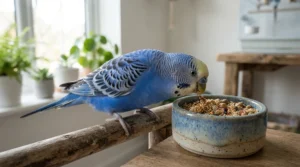
How to Choose Bird Grit for Digestion
Choosing well takes five to seven honest checks.
- Identify your species and eating style. Whole-seed swallowers need grit more than hullers. This single factor changes the whole decision.
- Ask an avian vet. If your bird has digestive problems, VCA’s advice is to consult your veterinarian about grit needs.
- Pick soluble or insoluble on purpose. Choose shell for calcium and granite for grinding, not both by default.
- Read the ingredient panel. Look for disclosed trace minerals and avoid mystery blends.
- Match the particle size. A product built for chickens or pigeons may be too coarse for small birds.
- Use a separate cup and a small dose. Follow the label and avoid free-choice bowls in small cages.
- Monitor your bird. If you see regurgitation, lethargy, or a swollen crop, stop the grit and call your vet.
| Option | Grit Type | Label Direction | Best For |
|---|---|---|---|
| Kaytee Hi-Calcium Grit | Mixed | 1/4 tsp weekly | Occasional offering |
| Higgins Mineral Grit | Soluble | 1 tsp daily (max 7% of food) | Mineral support |
| Hari Oyster Shells | Soluble | Scatter in dish | Calcium top-ups |
Comparing these three, the real divide is solubility and dosing direction, not brand. If you want grinding action, only Kaytee Hi-Calcium Grit contains an insoluble component. If you only want calcium, Hari Oyster Shells is the simplest. The Higgins Mineral Grit label’s high dose is the reason to talk with a vet first.
Probiotic Supplement for Parrot Digestion: What the Evidence Can and Can’t Say
A probiotic supplement for parrot digestion sounds like an easy win, but the science is more modest than the labels.
Some avian-focused sources argue species-specific probiotics should work best because gut bacteria vary by host. A keeper-run nutrition resource summarizing the research notes that species specificity is considered important, yet several studies found no significant benefit from adherent lactobacilli. One cockatiel chick study reportedly found no weight-gain difference in healthy babies on an adequate diet. The same page suggests any probiotic may beat none under the right circumstances.
That’s a balanced read for avian probiotics for cockatiels. They’re plausible tools, especially after antibiotics, stress, or illness, but not magic. A laboratory study of commercial probiotics also notes that strain-level identity isn’t always listed on supplement labels, so detailed strain lists, like Vetafarm Probotic‘s, are a point in a product’s favor.
How should you shop? Look for named strains, clear serving sizes, expiration dates, and storage instructions. Be skeptical of huge CFU numbers without context. Products like Flora Bird, HealthyGut, and Vetafarm Probotic are easiest to evaluate because they disclose either strain counts or per-gram potency.
Remember that no probiotic replaces a vet visit when droppings stay abnormal.
Affordable Bird Probiotic Supplement: Price & Value Analysis
Finding an affordable bird probiotic supplement means looking past sticker price. Divide the container price by the number of servings your bird will actually use.
Here’s a worked example using the listing facts. Flora Bird offers about 80 scoops. If you use one scoop daily, a container lasts nearly three months, so cost per day is the container price divided by 80. For a pair of birds, halve the lifespan. Do the same math with any product once you confirm servings.
| Product | Package Info | Approx. Price Range* | Value Take |
|---|---|---|---|
| Bird Probiotic Powder 10 Billion CFU | Serving count unverified | Mid-teens to low $20s | Verify servings first |
| Flora Bird | ~80 scoops, 1.06 oz | Roughly $15-$30 | Strong if one scoop covers your flock |
| HealthyGut | 1.59 oz tub | Roughly $20-$30 | Premium pricing, solid ratings |
| Vetafarm Probotic | 180 million CFU/g | Roughly $15-$25 | Best as a recovery staple |
*Approximate; check current price.
Reading this, the cheapest-looking tub isn’t automatically the best value, because servings per container and number of birds change the math. For long-term daily use, Flora Bird looks efficient on the 80-scoop figure. For occasional recovery needs, Vetafarm Probotic can sit in a cabinet and earn its keep.
Be realistic about total cost of ownership too. A grit jar like Kaytee Hi-Calcium Grit lasts for ages at a quarter teaspoon weekly, so its true cost is tiny. A probiotic you give every day is the recurring expense. Decide whether daily use is justified or whether short, targeted courses make more sense.
Bird Grit vs Alternatives: Which Gut-Support Route Fits?
Grit isn’t the only lever. Here’s how the main options compare.
| Option | How It Works | Best For | Main Risk |
|---|---|---|---|
| Insoluble grit | Grinds seeds in the gizzard | Whole-seed swallowers | Impaction if overeaten |
| Soluble shell (Hari Oyster Shells) | Releases calcium | Calcium needs | Excess calcium |
| Mineral grit blends (Higgins Mineral Grit) | Calcium plus trace minerals | Mineral top-up | Stacked mineral load |
| Balanced pellet diet | Complete nutrition | Most hulling parrots | Slow transitions |
| Probiotics (HealthyGut) | Supports gut flora | Post-illness recovery | Variable evidence |
Take the first two rows together. Insoluble and soluble grit solve different problems, and mixing them up is where owners get into trouble. A balanced diet quietly outperforms every supplement for hulling species, and it’s the “boring” fix many vets emphasize. Probiotics sit alongside diet rather than replacing it.
In short, choose the route based on what your bird actually needs. A seed-swallowing aviary bird leans on grit. A hulling budgie or cockatiel usually benefits more from diet improvement plus, if needed, a probiotic like Flora Bird.
Common Mistakes When Buying Bird Grit and Probiotics
A few pitfalls show up again and again.
Leaving grit out as a free-choice bowl. Smaller psittacines may overeat grit when unwell, raising impaction risk. Use a small cup and a limited window.
Buying poultry or pigeon grit for a budgie. Particle size and formulation differ, so match the product to the bird.
Doubling up on calcium. Combining Higgins Mineral Grit, cuttlebone, a mineral block, and fortified pellets can overshoot.
Trusting CFU totals blindly. A bigger number means little without the serving basis. Compare per-serving data, as you’d need to do between Vetafarm Probotic and Flora Bird.
Treating “vet recommended” as proof. Product-page claims aren’t clinical endorsements.
Changing everything at once. If you add a probiotic, grit, and new food together, you can’t tell what’s working.
Using supplements instead of a vet. Persistent watery droppings, green urates, regurgitation, or lethargy deserve a professional exam. Supplements are support, not diagnosis.
Ignoring storage. Live cultures lose potency with heat and age, so follow label storage and check dates.
Avoid these, and you’re ahead of most buyers.
Frequently Asked Questions
❓ Is oyster shell the same as grit for budgies?
❓ Can I mix a bird probiotic into my cockatiel's water?
❓ How long does a bird probiotic take to work?
❓ Do I need a prescription for an avian probiotic?
❓ Is Kaytee Hi-Calcium Grit safe for my parakeet every day?
Conclusion
So, does your bird need grit for digestion? For pigeons, doves, and other whole-seed swallowers, usually yes. For most hulling budgies, cockatiels, and finches, the veterinary sources reviewed here lean toward no, or at most a tiny, controlled offering. The grit vs no-grit debate won’t be settled by a product jar, so let species, diet, and your vet guide you.
If you do offer grit, Kaytee Hi-Calcium Grit brings a clear label and a tiny labeled dose, Higgins Mineral Grit focuses on shell and minerals, and Hari Oyster Shells keeps things simple. On the gut-support side, Bird Probiotic Powder 10 Billion CFU is a budget candidate worth verifying, Flora Bird offers strain diversity, HealthyGut pairs prebiotics with probiotics for pellet eaters, and Vetafarm Probotic shines for post-antibiotic recovery.
Whatever you choose, change one thing at a time, watch droppings daily, and call an avian vet when something looks off. A calm, observant keeper is the best digestive aid a bird can have.
Recommended for You
- Syringe Feeder For Sick Bird: 7 Best Picks & Safe Tips (2026)
- Small Humidifier For Bird Cage Room: 7 Best Safe Picks (2026)
- HEPA Air Purifier For Bird Rooms: 7 Best Picks For 2026
Disclaimer: This article contains affiliate links. As an Amazon Associate, I earn from qualifying purchases. If you purchase products through these links, we may earn a small commission at no additional cost to you.
✨ Found this helpful? Share it with your friends! 💬🤗
