
In This Article
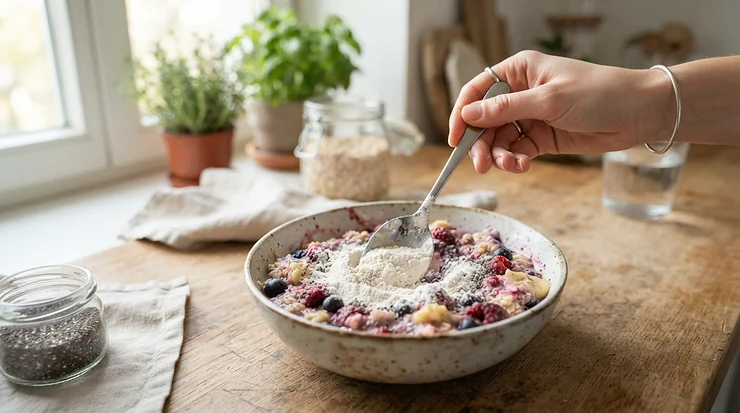
A feather supplement for macaws is a powder, liquid, or oil added to a macaw’s daily diet to cover the nutrients feather production burns through fastest: amino acids, biotin, vitamins A, E, and D3, zinc, and omega-3 fatty acids. It supports a pellet-based diet and an avian vet’s diagnosis. It never replaces either one.

A macaw’s plumage is a high-maintenance masterpiece. Each feather is built almost entirely from keratin, and keratin is protein, which means every molt is a construction project with a hungry crew. When the materials run short, you get dull color, stress bars, brittle quills, and sometimes a bird that starts chewing at what’s coming in. That’s why the search for the right feather supplement for macaws is rarely about vanity. It’s about giving a big, intelligent, metabolically busy bird the raw materials it can’t always get from a bowl of pellets.
Here’s the honest part, though. The supplement aisle is loud, and the research is quieter than the labels suggest. The most-studied supplement in parrots is fish oil, according to a recent review in the Journal of Avian Medicine and Surgery, and even that work focuses on cardiovascular health rather than plumage. So this guide does what the spec sheet won’t: it explains what each ingredient does, where the evidence is thin, and which product fits which bird. I haven’t hand-tested any of these products, and I’m not going to pretend otherwise.
Quick Comparison Table: 7 Feather Supplement Options at a Glance
Here’s the lineup before we dig in. Each entry is a real product I researched, sorted by what it’s built to do.
| Product | Type | Key Ingredients (per listing) | Best For |
|---|---|---|---|
| UnRuffledRx FeatherUp | Powder multivitamin | Biotin, omega-3, vitamin K, 25 nutrients | UnRuffledRx FeatherUp suits all-in-one molt support |
| Nekton-Biotin (formerly Nekton-Bio) | Powder, amino acid focus | 18 amino acids, 13 vitamins, biotin | Nekton-Biotin suits protein-hungry molts |
| Equa Holistics BIOFeather | Powder, “all-natural” | Parrot feather-growth formula, 120 servings | Equa Holistics BIOFeather suits owners wanting a parrot-specific blend |
| Nordic Naturals Ultimate Omega | Fish oil (human-grade) | 1280 mg omega-3, EPA and DHA | Nordic Naturals Ultimate Omega suits vet-guided omega-3 boosts |
| Hemp Well Bird Hemp Oil | Oil | Omega-3 and omega-6, oral or topical | Hemp Well Bird Hemp Oil suits plant-based oil fans |
| Hemp Well Organic Hemp Hearts for Birds | Whole food | Omega-3 and omega-6 | Hemp Well Organic Hemp Hearts suits foraging and enrichment |
| Lafeber’s Avi-Era | Powder multivitamin | 13 essential vitamins, vitamin C, iodine | Lafeber’s Avi-Era suits baseline vitamin insurance |
Read the table as three jobs, not seven rivals. Nekton-Biotin and UnRuffledRx FeatherUp are built for the molt itself. Nordic Naturals Ultimate Omega and both Hemp Well products work on the fatty-acid side. Lafeber’s Avi-Era is a general vitamin safety net. Most macaws need one product from one job, not a stack of all three.
💬 Just one click — help others make better buying decisions too!😊
Top 7 Feather Supplement for Macaws: Expert Analysis
A note on method: I couldn’t verify individual customer reviews for these products, so I’m not summarizing review sentiment I haven’t read. Instead, each entry rests on the manufacturer’s published ingredient information and what avian nutrition research says those ingredients do. Check the verified-purchase reviews yourself for palatability and mixing complaints. Prices shift constantly, so use the current-price check on each listing.
1. UnRuffledRx FeatherUp — all-in-one molt formula with omega-3
The 90 g tub is listed at 240 servings, which matters for a big bird: macaws can burn through a small jar fast, and servings per container is the number that tells you the real cost per day. The listing highlights biotin, omega-3, and vitamin K inside a 25-nutrient blend.
Biotin is a B vitamin tied to keratin formation, so it fits the job on paper. Omega-3 in a powder deserves a skeptical eye, though. Powders aren’t known for delivering much EPA or DHA, and the listing doesn’t tell you which omega-3 form is inside. Treat it as a bonus, not a replacement for a dedicated oil.
This one is for owners who want a single product to sprinkle on chop during a molt and call it done. The spec sheet won’t tell you how a picky macaw reacts, which is why the first week deserves close attention.
Pros:
- ✅ Large 240-serving tub for big-bird feeding
- ✅ Combines biotin, omega-3, and vitamin K
- ✅ Powder mixes into chop or moistened pellets
Cons:
- ❌ Omega-3 source and amount unclear on the listing
- ❌ Multi-nutrient blends make overdosing vitamins easier to overlook
Value verdict: strong per-serving math for a mid-tier product. Check current price before buying.

2. Nekton-Biotin (formerly Nekton-Bio) — 18 amino acids for protein-hungry molts
Manufacturer information lists 18 amino acids, 13 vitamins, 6 trace elements, calcium, and 200,000 µg biotin per kg. The reasoning is sound: seed-heavy diets tend to run short on arginine, methionine, and lysine, and feathers eat those amino acids for breakfast.
This is the most nutritionally specific product of the seven. It targets the exact bottleneck of a molt, which is amino acid supply, instead of waving at “wellness.” One catch I’d flag: the manufacturer says no other multivitamin should be given alongside it, and it shouldn’t be used during breeding. That’s a useful guardrail against stacking vitamins blindly.
It suits macaws on mostly pellet-and-seed diets heading into a heavy molt. If your bird eats an excellent chop-rich diet, the marginal benefit shrinks.
Pros:
- ✅ 18 free amino acids aimed at keratin building
- ✅ Dissolves in cold water or soft food
- ✅ Clear manufacturer guidance on what not to combine
Cons:
- ❌ Contains no omega-3 fatty acids
- ❌ Not for use during breeding
Value verdict: the best targeted molt product here. Prices vary by size, so check current price.
3. Equa Holistics BIOFeather — parrot-specific formula with 120 servings
The listing positions this as an all-natural feather growth dietary supplement for parrots, sold in a 120-serving powder. The available product page gave me limited ingredient detail, so I can’t tell you its amino acid profile or omega content. That’s a real gap, and you should read the full label before you buy.
What I can say is that a parrot-specific formula and a clear serving count make dosing less of a guessing game than some generic bird vitamins. “All-natural” is a marketing phrase, not a nutritional claim, so judge it by the supplement facts panel.
It fits owners who prefer a parrot-labeled product and plan to compare labels carefully. If transparency of ingredients is your top priority, Equa Holistics BIOFeather needs a closer look than the brand story gives.
Pros:
- ✅ Formulated specifically for parrots
- ✅ 120 servings per container
- ✅ Powder format works in soft foods
Cons:
- ❌ Limited ingredient detail on the page I reviewed
- ❌ “All-natural” says little about nutrient levels
Value verdict: reasonable if the label checks out. Check current price.
4. Nordic Naturals Ultimate Omega — fish oil with direct EPA and DHA
Here’s the outlier: a human-grade fish oil, listed at 1280 mg omega-3 with EPA and DHA in lemon flavor. A parrot rescue article on omega fatty acids names it as an option to discuss with an avian vet. That vet-conversation caveat is the entire point. Dosing a macaw from a human capsule is not a DIY project.
Why bother? Fish oil delivers EPA and DHA directly, with no conversion step. In cockatiels, red blood cell levels of those fats rose far more on fish oil than on flax, as we’ll see in the flaxseed oil vs fish oil for bird feathers section below. The downside is palatability, which researchers flagged for home supplementation.
It suits macaws whose vet has recommended an omega-3 boost and whose owners can handle storing oil properly.
Pros:
- ✅ Supplies EPA and DHA directly
- ✅ Most-studied supplement category in parrots
- ✅ Established omega-3 brand
Cons:
- ❌ Needs vet-set dosing for a macaw
- ❌ Fishy taste may cause refusal
Value verdict: premium tier for the omega slot. Check current price.
5. Hemp Well Bird Hemp Oil — plant-based oil for feather and skin support
The listing describes a 2 fl oz bottle of organic hemp oil with omega-3 and omega-6 fatty acids, usable orally or topically. Hemp’s omega-3 is plant-based ALA, not EPA or DHA, so it sits in the same family as flax. Parrots may convert some of it, but conversion varies by species.
The topical use claim is the interesting one. Dry, flaky skin around molting follicles is a common nuisance, and an oil that doubles as a dietary and skin product is genuinely convenient. Still, “supports feather and skin health” is a soft claim. Don’t expect it to fix plucking by itself.
It suits owners wanting a plant-based oil and a low-drama introduction to fats.
Pros:
- ✅ Organic, GMO-free, USA-grown per listing
- ✅ Usable orally or topically
- ✅ Contains both omega-3 and omega-6
Cons:
- ❌ Omega-3 is ALA, not preformed EPA or DHA
- ❌ Small 2 fl oz bottle empties fast with a macaw
Value verdict: fair for the format. Check current price.
6. Hemp Well Organic Hemp Hearts for Birds — omega-rich whole food for foraging
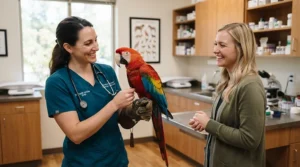
Hemp hearts are hulled hemp seeds, sold here in 8 oz and 1 lb listings with omega-3 and omega-6 content. The listing says they reduce feather plucking, and that deserves skepticism. Plucking has medical, environmental, and behavioral roots, and no seed fixes all three.
Where hemp hearts earn their place is enrichment. Sprinkle them in foraging toys and you get fats plus mental work for a bird that needs both. Macaws are strong chewers and clever foragers, so the delivery method is half the benefit.
It suits macaws needing a whole-food fat source, but watch portions. Seeds are calorie-dense, and obesity is its own parrot health problem.
Pros:
- ✅ Whole-food omega source without liquids or powders
- ✅ Great for foraging and enrichment
- ✅ Organic, non-GMO per listing
Cons:
- ❌ Plucking claim isn’t well supported
- ❌ Calorie-dense if overfed
Value verdict: good value as a treat-plus-nutrition hybrid. Check current price.
7. Lafeber’s Avi-Era — baseline vitamin insurance
The listing says it contains all 13 essential vitamins plus vitamin C and iodine, in a 1.25 oz powder. It doesn’t list omega fatty acids or amino acids, so it’s not a feather-specific formula.
Think of Lafeber’s Avi-Era as the backstop. Macaws eating a quality pellet diet usually need less supplementation, but birds on seed-heavy diets or those recovering from illness may benefit from a balanced vitamin source. It pairs well with an oil, but not with another full multivitamin, since doubling vitamins (especially fat-soluble ones like A and D) isn’t harmless.
It suits owners building a diet from scratch who want vitamin insurance before layering feather-specific products.
Pros:
- ✅ Covers all 13 essential vitamins
- ✅ Adds vitamin C and iodine
- ✅ Trusted avian brand
Cons:
- ❌ Not specific to feather growth
- ❌ Contains no omega-3 source
Value verdict: inexpensive baseline protection. Check current price.
✨ Don’t Miss These Exclusive Deals!
🔍 Ready to match a feather supplement for macaws to your bird’s actual needs? Click any highlighted product above to check current pricing and availability. A few smart picks beat a shelf full of half-used tubs, and your macaw’s next molt will thank you!
Feather Supplement for Macaws vs Multivitamins vs Whole Foods
Not everything above is the same kind of product, and mixing them up is how owners overspend.
| Option | Strength | Weakness | Best For |
|---|---|---|---|
| Feather-specific powders (Nekton-Biotin, UnRuffledRx FeatherUp) | Targeted amino acids and biotin | Little to no EPA or DHA | Heavy molts |
| General multivitamins (Lafeber’s Avi-Era) | Broad vitamin coverage | Not feather-focused | Seed-heavy diets |
| Omega oils (Nordic Naturals Ultimate Omega, Hemp Well Bird Hemp Oil) | Fatty acid support | Palatability, oxidation | Dull or dry plumage |
| Whole foods (Hemp Well Organic Hemp Hearts) | Enrichment plus nutrition | Calorie density | Foraging routines |
The pattern is clear: powders feed the keratin build, oils feed the feather’s condition and the skin, and whole foods feed the brain. A macaw that eats fresh produce and a good pellet may need only an oil. A macaw coming off a seed diet probably benefits from a protein-forward powder first.
How to Choose a Feather Supplement for Macaws: 6 Steps
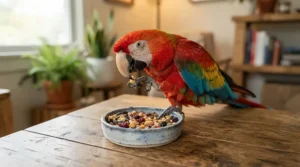
- Start with your vet. Plucking, dull plumage, and slow regrowth can come from infection, liver issues, or stress. Supplements can’t fix what a diagnosis would catch.
- Read the supplement facts, not the front label. Look for named amino acids, biotin amounts, and a stated omega-3 form (ALA, EPA, DHA).
- Match the product to the gap. Protein gaps call for amino acid powders. Fat gaps call for oils.
- Avoid stacking multivitamins. Fat-soluble vitamins like A and D accumulate. Follow the manufacturer’s warnings.
- Check the serving count. A large macaw can empty a small jar quickly, so cost per serving beats sticker price.
- Consider storage and freshness. Oils oxidize. Refrigerate after opening where directed and watch the date.
Flaxseed Oil vs Fish Oil for Bird Feathers: What the Research Actually Shows
This is where the internet gets confidently wrong in both directions. The cockatiel study by Heinze and colleagues, summarized by Petfood Industry, found that EPA, DHA, and total n-3 levels in red blood cells were markedly higher in birds fed fish oil than flax or control diets. Alpha-linolenic acid, the plant omega-3, was greatest in the flax group. Fish oil birds also had lower plasma cholesterol and triglycerides.
Does that settle it? Not quite. A study in Monk parrots, published in the Journal of Animal Physiology and Animal Nutrition, found that birds on a flaxseed diet had significantly higher plasma EPA and DHA by day 70, and the authors concluded those parrots can readily convert ALA to long-chain omega-3s. Species differences matter, and no one has run this exact test in macaws.
| Factor | Flaxseed Oil | Fish Oil |
|---|---|---|
| Omega-3 form | ALA (plant) | EPA and DHA (marine) |
| Parrot evidence | Conversion shown in Monk parrots | Strongest blood-level gains in cockatiels |
| Palatability | Generally easier | Can be refused |
| Storage | Oxidizes quickly | Oxidizes quickly |
| Best For | Owners preferring plant-based, picky birds | Vet-guided, EPA and DHA targeting |
The takeaway: fish oil has the stronger direct evidence, flax is a reasonable fallback when a bird refuses fish oil, and neither study measured feather quality directly. Both measured blood chemistry. That’s an honest gap, so keep expectations modest and your vet in the loop.
Omega-3 Supplement for Parrot Feather Health: Where the Benefits Come From
Why would omega-3 matter for plumage at all? Omega fatty acids are structural components of skin and follicle cell membranes, and they influence inflammation. A Papayago Rescue House article on omega fatty acids notes they help maintain feather integrity and support the immune system, though it’s an educational rescue page, not a clinical trial.
For an omega-3 supplement for parrot feather health, think of the oil as the greenhouse rather than the bricks. Amino acids build the feather; fatty acids help the skin and follicle do their job. A bird with plenty of protein but deficient fats may still grow rough-looking feathers. A bird with both, and low stress, has the best shot at a clean molt.
Practical advice: choose one oil, introduce it slowly, and keep it fresh. Rancid oil is worse than no oil.
Large-Parrot Omega Intake: Why Macaws Aren’t Just Big Cockatiels
Large-parrot omega intake is a topic where the research lags the hobby. Most controlled omega studies used cockatiels, Monk parrots, and Quaker parrots. Extrapolating to a 2-pound macaw is educated guesswork.
What we can reason from: macaws in captivity are prone to diets that run high in energy-dense nuts and seeds, which are rich in omega-6 relative to omega-3. That imbalance is why many avian nutrition discussions emphasize balancing the ratio rather than just adding more oil. Your goal isn’t a bigger dose; it’s a better ratio.
Because macaws are large, a “per-bird” dose from a small-bird product label is rarely appropriate, and a human capsule isn’t a bird dose either. Ask your avian vet for a target based on body weight and diet, then pick the product that fits it. If your vet hasn’t given a number, don’t invent one.
Molting Nutrition Needs: What a Macaw Is Actually Building
Molting nutrition needs spike because feathers are mostly keratin, which is protein. Sources put feathers at roughly 90% protein or more, which is why protein and sulfur-containing amino acids like methionine and cystine matter so much. That’s the logic behind amino acid-forward products like Nekton-Biotin.
Beyond protein, the supporting cast includes biotin and B vitamins (keratin synthesis), vitamin A (skin and follicle health), vitamin E (antioxidant protection), zinc and copper (enzyme cofactors), and essential fatty acids. Calcium and vitamin D3 are more about bone than feathers, but a stressed molting bird benefits from a solid baseline.
Practically, that means three levers during a molt: a high-quality pellet base, fresh vegetables and some cooked protein sources like legumes or egg in moderation, and one targeted supplement. More isn’t better. A molt demands consistent nutrition, not an experimental pantry.
Feather Growth Timeline: What’s Normal and What’s a Red Flag
The feather growth timeline varies by species and health. A vet-reviewed overview says a molt can last several weeks, and sources put full molts anywhere from roughly 5 to 12 weeks, with regrowth of individual feathers often taking around 4 to 5 weeks.
Here’s a rough sequence to expect:
- Weeks 1-2: Old feathers loosen and drop; pin feathers appear (they look like bristles).
- Weeks 3-6: Pin feathers grow out, and the keratin sheath flakes away during preening.
- Weeks 6-12: Full feather maturation, particularly large flight and tail feathers.
If feathers have been plucked repeatedly, follicles may need months to recover after the behavior stops. A supplement can’t speed that up past biology. And if new feathers aren’t appearing at all, that’s a vet visit, not a product upgrade.

Top Bird Feather Supplement for African Greys: Why Greys Need Extra Attention
If you share a home with an African grey and a macaw, the top bird feather supplement for African greys may differ from the macaw pick. Greys are more prone to feather destructive behavior and tend to be sensitive to dietary gaps, and research on greys has leaned toward fat and cholesterol work: an African grey study examined how the type and amount of dietary fat influence plasma cholesterol, and a review notes greys without atherosclerosis had higher omega-3 in tissue.
For molting, an amino-acid powder like Nekton-Biotin or a combined formula like UnRuffledRx FeatherUp makes sense. For fat support, an omega oil chosen with your vet fits better. Greys are also famous for refusing new foods, so introduce any product gradually and in small amounts mixed into a favorite chop.
One practical difference: smaller body size means smaller doses than a macaw, so never use a macaw’s serving for a grey.
Molting Supplement for Cockatiels: A Smaller Bird, a Smaller Margin
A molting supplement for cockatiels follows the same nutritional logic with tighter margins. Cockatiels molt more often but for shorter periods than larger parrots, per the vet-reviewed overview, which means they spend a larger share of the year rebuilding feathers.
Because cockatiels are tiny, over-supplementing is easier. A pinch that’s trivial for a macaw is a significant dose for a 90-gram bird. Products like Nekton-Biotin are labeled for all ornamental birds, but the dosing instructions matter more than the marketing. Cockatiels also have the best-documented omega-3 evidence: the Heinze study showed meaningful fatty-acid changes on fish oil within 8 to 13 weeks.
If your cockatiel is a frequent “powder dandruff” shedder, remember that’s normal; heavy feather loss with bald patches is not.
Practical Usage Guide: Setting Up a Feather Supplement Routine for Your Macaw
Step one: pick a single baseline. If your macaw eats a good pellet, you may only need an omega oil or a seasonal amino acid powder. Step two: start at the low end of the label dose for several days, watching droppings and appetite. Step three: mix powders into moistened pellets or chop, not dry food where they’ll sift to the bottom of the bowl. Step four: keep oils sealed, refrigerated if directed, and discard anything that smells sharp.
For a molt-season routine, begin supplementing as the first pin feathers appear and continue through the end of heavy feather growth. Skip stacking: follow manufacturer cautions like the one on Nekton-Biotin about additional multivitamins. In the first 30 days, the common mistakes are over-dosing, switching products too often, and forgetting to track results. A simple note on your phone with the date, product, and feather condition beats memory every time.
Real-World Scenarios: Matching Products to Macaw Profiles
Scenario 1: The seed-heavy rescue. A newly adopted green-winged macaw arrives eating mostly seeds. The priority is transitioning to pellets, adding a vitamin base like Lafeber’s Avi-Era, and using Nekton-Biotin during molt. Budget: moderate. Frequency: daily for the molt window.
Scenario 2: The pellet-fed pet with dull color. A blue-and-gold macaw eats a quality pellet and fresh chop, but feathers look dry. The logical move here is an omega source, so Nordic Naturals Ultimate Omega (with vet-set dosing) or Hemp Well Bird Hemp Oil if fish oil is refused.
Scenario 3: The forager who loves toys. A scarlet macaw with a busy enrichment schedule gets Hemp Well Organic Hemp Hearts for Birds tucked into foraging toys, plus a seasonal powder like UnRuffledRx FeatherUp during molt.
The point is that environment and diet drive the choice. Same species, three different bowls.
Problem to Solution: Fixing Common Feather Supplement Frustrations
“My macaw refuses the powder.” Mix it into a warm, favorite chop, or try a smaller initial amount for several days.
“The oil smells off.” Discard it. Oxidized oil is a health risk, not just a smell issue. Buy smaller bottles and refrigerate where directed.
“I’ve supplemented for weeks and nothing changed.” Check the feather growth timeline above, then check the diet base. If follicles are damaged from plucking, regrowth takes months.
“I’m worried about overdoing vitamins.” Use one multivitamin source at a time. If you’re using Nekton-Biotin, skip the extra multivitamin, as the manufacturer advises.
“My bird is plucking.” Get a vet workup first. Medical, environmental, and behavioral causes all show up here, and no powder addresses boredom.
Common Mistakes When Buying a Feather Supplement for Macaws
The first mistake is assuming “natural” means “safe.” Natural oils go rancid, and natural vitamins still accumulate. The second is trusting a plucking claim on a label. Some listings promise to reduce feather plucking, but behavior has multiple causes and a seed won’t solve loneliness.
The third mistake is copying human advice. Plant-based ALA conversion is limited in people: a review of ALA conversion in the National Library of Medicine’s PMC archive notes that conversion to EPA and DHA is limited and that ALA supplementation generally raises EPA but not DHA. Parrots may behave differently, as the Monk parrot data show, but that’s a reason to ask a vet, not to assume.
The fourth is ignoring the diet base. A supplement on top of a poor diet is a patch on a leaking roof. And the fifth, buying five products at once, makes it impossible to tell what’s working.
FAQ: Feather Supplement for Macaws
❓ What is the best feather supplement for macaws during molt?
❓ Can I give my macaw human fish oil capsules?
❓ How long does it take a feather supplement to work on macaws?
❓ Is flaxseed oil good enough for parrot feather health?
❓ Should I use a multivitamin and a feather supplement together?
Conclusion
A good feather supplement for macaws does three things: it fills a real nutritional gap, fits your bird’s habits, and doesn’t pretend to cure what only a vet can diagnose. For protein-driven molts, Nekton-Biotin is the most targeted option. For a convenient all-in-one, UnRuffledRx FeatherUp fits. For the omega slot, Nordic Naturals Ultimate Omega has the strongest evidence category behind it, while Hemp Well Bird Hemp Oil and Hemp Well Organic Hemp Hearts for Birds offer plant-based routes. Equa Holistics BIOFeather is worth a close label read, and Lafeber’s Avi-Era is a sensible vitamin backstop.
If you remember one thing, make it this: diet first, diagnosis second, supplements third. Give your macaw a quality pellet base, a vet who knows the bird, and one well-chosen product, then give the feather growth timeline the weeks it needs. Glossy plumage is built slowly.
🦜 Ready to give your macaw’s next molt the best possible start?
Check current prices on your favorite pick above, and let your bird’s plumage do the talking!
Recommended for You
- Bird Grit for Digestion: 7 Best Picks & Honest Truths (2026)
- Syringe Feeder For Sick Bird: 7 Best Picks & Safe Tips (2026)
- Small Humidifier For Bird Cage Room: 7 Best Safe Picks (2026)
Disclaimer: This article contains affiliate links. As an Amazon Associate, I earn from qualifying purchases. If you purchase products through these links, we may earn a small commission at no additional cost to you.
✨ Found this helpful? Share it with your friends! 💬🤗
