
In This Article
If you’ve spent any time down the parrot-supply rabbit hole, you’ve probably landed on the same fork in the road every bird owner eventually hits: java tree vs manzanita stand, and which one your feathered roommate actually deserves. It sounds like a small decision — it’s wood, right? — but the wood your bird stands on for six, eight, sometimes twelve hours a day shapes its foot health, its enrichment, and honestly, how much chewed-up sawdust ends up on your carpet. Java wood comes from retired, non-fruiting coffee trees, all gnarled branches and jungle-gym texture. Manzanita comes from a California chaparral shrub so dense it practically laughs at beak pressure. Both are marketed as “natural,” but they behave very differently once a cockatoo gets its beak on them.
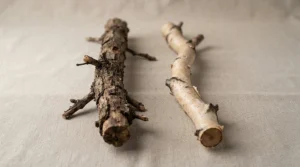
This guide breaks down seven real, currently-sold products — a mix of java wood trees and manzanita perches spanning budget to premium — and digs into what actually separates them beyond the marketing copy. We’ll compare branch diameter variety, chew-resistance, weight capacity, and the un-glamorous stuff like how fast java wood ages next to how manzanita just sort of… doesn’t. By the end, you’ll know exactly which category fits your bird, your space, and your wallet, plus how to set the thing up so it lasts.
What Is a Java Tree vs Manzanita Stand?
A java tree stand is a play perch built from the branches of retired coffee (Coffea) trees, prized for wide branches and natural forking. A manzanita stand uses Arctostaphylos shrub wood — denser, smoother-barked, and far more chew-resistant, making it the go-to for heavy chewers and larger parrots.
Quick Comparison Table
| Feature | Java Wood | Manzanita |
|---|---|---|
| Hardness | Medium-hard | Very hard |
| Branch variety | High (natural forks) | Moderate (curved limbs) |
| Chew resistance | Good, wears over 1-3 years | Excellent, lasts years longer |
| Best for | Play stands, floor trees | Cage perches, heavy chewers |
| Typical price range | $25-$150+ | Under $15 to $60+ |
Looking at the table, the story is really about tradeoffs, not a clear winner. Java wood wins on sheer branch variety and that “mini jungle” look that makes floor stands feel like real enrichment, while manzanita wins on raw longevity because it’s simply a denser wood that resists beak damage far longer. If you’ve got a moderate chewer who wants room to climb and flap, lean java; if you’ve got a macaw or cockatoo that treats every perch like a demolition project, manzanita earns its keep.
💬 Already leaning one way? Scroll down to the full product breakdown — your bird’s perfect perch is probably already sitting on a shelf somewhere.
Top 7 Java Tree and Manzanita Stands: Expert Analysis
We looked at real, currently-available listings from established aviary brands to build this roundup — no invented products, no fictional model numbers. Below are seven options spanning small cage accessories to full floor-standing trees.
1. A&E Cage Co. Java Wood Multi Branch Perch – Small — budget-friendly branching for small parrots
The small multi-branch perch measures roughly 16 inches by 1.2 inches, and that branching structure is the whole point here — instead of one uniform dowel, your bird gets several forked limbs of slightly different diameters in one piece. That matters more than it sounds: constantly gripping the same diameter is a documented risk factor for foot problems in captive parrots, so a single perch offering diameter variety is doing real preventive work. Based on the build, this is squarely aimed at budgies, cockatiels, and small conures rather than anything with serious jaw strength. Reviewers consistently note that it mounts easily inside standard cages and holds up fine for lighter chewers, though a few mention it wearing down faster once a determined lovebird gets involved. What most buyers overlook is that java wood’s bark texture also doubles as light beak conditioning, saving you a separate chew toy.
Pros:
- ✅ Natural branch forks add diameter variety for foot health
- ✅ Compact size fits most small and mid-size cages
- ✅ Eco-friendly sourcing from retired coffee trees
Cons:
- ❌ Not built for heavy chewers like conures or caiques
- ❌ Bark wears down noticeably within a year of daily use
At a price point that typically lands under $15, this is an easy first natural perch to add to a small bird’s cage, and the value is hard to argue with for the money.
2. A&E Cage Co. Java Wood Multi Branch Perch – Large — thick natural branching for big-footed birds
Scaled up to about 26 inches by 2.4 inches, the large version of this perch is where java wood starts making a real case for itself with bigger birds. The thicker branch diameters mean an African Grey or Amazon can actually get a secure grip instead of overextending its foot the way it might on an undersized dowel. Based on the spec comparison with the small version, the extra branch mass also means more chewing surface before a bird works through to the mounting hardware — a meaningful durability bump for medium parrots. Aggregated review sentiment points to strong satisfaction with the branching layout, though a subset of owners with heavier chewers report it needing replacement sooner than promised. This is best suited to conures, Quakers, and small-to-mid Amazons rather than full macaws, which will likely out-chew it.
Pros:
- ✅ Wide branch diameter suits medium-sized parrot feet
- ✅ Multiple forks create natural climbing variety
- ✅ Renewable, non-fruit-bearing coffee tree material
Cons:
- ❌ Heavy chewers can wear through it in months, not years
- ❌ Larger footprint needs a bigger cage or play area
Priced in the $25-$40 range typically, it’s a reasonable mid-tier pick if your bird’s beak strength is moderate rather than macaw-level.
3. A&E Cage Company AE250S Java Wood Tree — compact tabletop jungle for cockatiels & conures
This tabletop-style java wood tree condenses the “floor tree” experience into a size that fits on a table or dresser, which is exactly why it shows up so often in smaller apartments. What most buyers overlook about tabletop trees like this one is that they still deliver the core benefit of a full stand — out-of-cage perching with branch variety — without requiring the square footage a 5-foot tree demands.
The branches naturally taper and twist the way java wood does, so your bird isn’t locked into one grip pattern, and the base is stable enough that an actively climbing conure won’t tip it. Reviewers frequently mention it as a solid “step up” purchase once a bird graduates from cage-only life, with recurring praise for how naturally birds take to the branch shapes.
On the downside, its smaller footprint means it’s genuinely not rated for anything bigger than a mid-size parrot.
Pros:
- ✅ Space-saving tabletop footprint for apartments
- ✅ Naturally varied branch angles encourage foot movement
- ✅ Stable base resists tipping during active play
Cons:
- ❌ Too small for large parrots like macaws or cockatoos
- ❌ One-of-a-kind branch shapes mean sizing can vary by unit
Expect a price in the $30-$50 range, which lands it as a strong value pick for anyone wanting a real java tree experience without the floor-stand commitment.
4. A&E Cage Company Medium Single Java Wood Tree Play Stand — full floor tree for African Greys & Amazons
This is the floor-standing version, and at roughly 48 inches long by 28 inches wide by 66 inches tall, it’s built to be a genuine out-of-cage headquarters rather than a supplemental perch. The base uses kamper wood sourced from Kalimantan, and the spacing between branches is deliberately generous — Based on the spec comparison with tabletop models, that extra spread gives larger birds room to fully extend their wings while perched, which matters for exercise and won’t happen on a cramped cage perch.
Reviewers consistently describe the branches as slender-looking in photos but sturdy in practice, with African Grey and Amazon owners reporting strong satisfaction; a smaller number flagged the branch diameter as thinner than expected for very large birds, so measuring your bird’s foot span before buying is worth the two minutes it takes.
This stand earns its premium price through sheer scale and the one-of-a-kind branch structure that no two units share.
Pros:
- ✅ Full wingspan room for medium-to-large parrots
- ✅ Sturdy kamper wood base handles active climbers
- ✅ Unique branch structure — genuinely one-of-a-kind
Cons:
- ❌ Some branches run thinner than expected for large-footed birds
- ❌ Requires real floor space; not apartment-friendly
At a typical price in the $150-$250 range, it’s the java pick for owners ready to invest in a permanent out-of-cage centerpiece.
5. Manzanitashop Small Manzanita Bird Perch (7″-8″) — rock-hard grip for small cage corners
This small manzanita perch runs 7 to 8 inches long with a diameter that tapers from about 1/2 inch down to 1/8 inch, and that taper is the entire selling point — your bird’s foot naturally shifts diameter as it moves along the branch, which is precisely the kind of variation avian vets point to for preventing pressure-point injuries. Manzanita is meaningfully harder than java wood, so even small parakeets and lovebirds that chew constantly won’t chew through it quickly. Based on the spec comparison with softer woods, that hardness is a double-edged sword: it’s excellent for durability but slightly less “choppable” for birds that enjoy destructive shredding as enrichment. Reviewers consistently describe the wood as smooth, splinter-free, and safe, with several noting it as chemical-free and oven-cured for pest safety. It mounts to standard cage bars with included hardware, making it a simple drop-in addition.
Pros:
- ✅ Diameter taper supports natural foot-position variation
- ✅ Oven-cured and chemical-free for pet safety
- ✅ Extremely durable against small-bird chewing
Cons:
- ❌ Too hard for birds that crave destructible chew enrichment
- ❌ Small size limits use to budgies, finches, and lovebirds
Typically priced under $10, it’s one of the cheapest ways to add genuine foot-health variety to a small bird’s cage.
6. Manzanitashop Large Manzanita Bird Perch (11″-12″) — dense hardwood durability for medium parrots
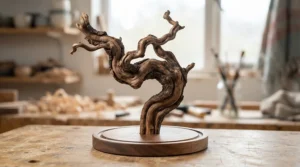
Scaled up to 11-12 inches, this manzanita perch keeps the same tapered, naturally curved branch shape but adds enough length and diameter to serve cockatiels, conures, and small-to-mid Amazons. What the spec sheet won’t tell you, but reviewers note, is that manzanita’s smooth bark means less mess than java wood shedding bark flakes — a small but real quality-of-life difference if the perch sits over a food dish. The hardness that makes manzanita so durable also means it holds its natural curve indefinitely; it won’t sag or flatten under weight the way some softer natural branches do over a year of daily use. Aggregated customer sentiment is strongly positive on longevity, with multiple owners reporting years of use with the same perch, though a handful mention the curved shape making mounting slightly fussier than a straight dowel.
Pros:
- ✅ Holds shape and doesn’t sag under sustained weight
- ✅ Sheds less bark debris than softer natural woods
- ✅ Suitable size range for cockatiels through small Amazons
Cons:
- ❌ Curved shape can complicate mounting in tight cages
- ❌ Premium hardness comes at a slightly higher price than basic dowels
At a price generally in the $12-$20 range, it’s a strong mid-tier manzanita option for owners prioritizing long-term durability.
7. Manzanitashop Manzanita Perches Set of Two, 36″ (3 Feet) — heavy-duty spanning perches for macaws
This is the heavyweight of the lineup: two 3-foot manzanita perches sold as a set, designed to span large flight cages or aviaries where a single short perch just doesn’t cover the distance. Manzanita is genuinely one of the hardest woods used in aviculture, and at this scale that matters enormously — a macaw or cockatoo applying full bite force to a perch this size needs wood that won’t splinter into sharp fragments, and manzanita’s density is built for exactly that stress test.
Based on the spec comparison with the shorter perches in this lineup, the extra length also lets you position multiple birds along the same perch without crowding, which is a real consideration in shared aviary setups. Reviewers consistently praise the natural curve and coloring of each piece, noting that no two perches are identical, and long-term durability reports are strongly positive even from macaw and cockatoo owners.
The tradeoff is simply size and cost — this isn’t a casual cage accessory.
Pros:
- ✅ Extreme durability rated for macaw and cockatoo bite force
- ✅ 3-foot length spans large cages and aviary setups
- ✅ Naturally curved, unique coloring on every piece
Cons:
- ❌ Overkill and oversized for small-to-mid parrots
- ❌ Higher price point reflects the size and hardness
Expect a price range around $40-$60 for the pair, which is genuinely reasonable for aviary-grade manzanita at this scale.
Setting Up Your New Perch: A Practical Usage Guide
Getting a java tree or manzanita stand home is only step one — how you set it up determines whether your bird actually uses it. Start by positioning the stand in a spot your bird can see from its cage; parrots are naturally cautious of new furniture, and line-of-sight familiarity speeds up acceptance dramatically. For the first week, leave a few favorite treats directly on the branches rather than forcing interaction — Based on how flock behavior works, birds explore new objects faster when the object itself seems to offer a reward. Inspect java wood stands monthly for loose bark or splintering near heavy-chew zones, since bark shedding is normal but sharp splinters are not. Manzanita needs far less maintenance thanks to its density, but still deserves a quick wipe-down with a bird-safe cleaner every couple of weeks to clear droppings before they dry into the bark grain. A common first-30-days mistake is placing the stand too close to a wall outlet or curtain cord — birds explore vertically, and a floor tree extends their reach further than owners expect. Finally, rotate toys and foraging items onto the stand’s branches periodically; a static stand gets ignored, but one that changes slightly every week stays genuinely enriching.

Real-World Scenarios: Matching the Stand to Your Bird
Picture three very different households. First, a college student with a single cockatiel in a studio apartment — limited space, moderate budget, and a bird that’s a light chewer. The A&E Cage Company AE250S Java Wood Tree fits perfectly here: tabletop footprint, real branch variety, and a price that doesn’t demand a second job. Second, a family with a Quaker parrot that treats every wooden object like a personal project — for this household, the Manzanitashop Large Manzanita Bird Perch makes more sense as a cage upgrade, since its hardness slows down destructive chewing without eliminating the enrichment of gnawing bark. Third, an aviary owner with a pair of macaws sharing a large flight cage — here the Manzanitashop Manzanita Perches Set of Two, 36″ is the obvious call, built specifically for bite force and shared spanning distance that a small tabletop tree could never handle. Matching stand to lifestyle isn’t about finding the “best” product in a vacuum — it’s about matching wood hardness and branch scale to the specific bird, space, and budget in front of you.
How to Choose Between Java Wood and Manzanita
- Assess your bird’s chew intensity first. Light chewers (budgies, cockatiels) do fine on java wood; heavy chewers (macaws, cockatoos) will out-chew it faster than the price justifies.
- Measure available floor or cage space. Full java trees need real square footage, while manzanita perches mount directly onto existing cage bars.
- Consider foot-health variety over size alone. A perch with tapered diameter (common in manzanita) does more for foot health than one uniform thick branch, a point echoed in the Hagen Avicultural Research Institute’s guidance on preventing bumblefoot.
- Factor in maintenance tolerance. Java wood sheds bark and needs periodic inspection; manzanita is close to maintenance-free.
- Set a realistic replacement budget. Java trees may need replacing every 1-3 years under heavy use; manzanita often lasts significantly longer.
- Check bird size against branch diameter. Undersized branches force awkward grip; oversized branches prevent birds from wrapping toes securely.
- Buy from established aviary brands. Verified sourcing (no chemical treatment, sustainably harvested) matters more with natural wood than with plastic alternatives.
🌿 Ready to compare options side by side? The seven picks above cover every one of these criteria — scroll back up before you decide.
Common Mistakes When Buying a Natural Wood Bird Stand
The most common misstep is buying based on looks alone — a photogenic, gnarled java branch might be too thin for the bird it’s intended for, since natural wood varies piece to piece and stock photos rarely disclose exact branch diameter. A second frequent mistake is assuming “natural” automatically means “chemical-free”; reputable brands disclose sourcing and curing methods, but bargain listings sometimes don’t, so checking for oven-curing or chemical-free claims explicitly matters. Third, many owners buy a single uniform-diameter perch and call it done, missing the actual point of natural wood — diameter variety across the whole cage setup, not just one branch. Fourth, people underestimate how much space a floor-standing java tree needs until it arrives, so measuring the intended spot beforehand saves a return shipment. Finally, some buyers assume manzanita’s hardness makes it universally “better,” when in fact birds that need destructible chew enrichment can become frustrated with wood they can’t meaningfully work through.
Java Tree vs Manzanita Stand: What to Expect in Real-World Performance
On paper, both wood types look similar — natural, chemical-free, bird-safe. In daily use, the differences show up fast. A java tree, once installed, tends to visibly change over its first year: bark thins in high-traffic grip zones, and by year two or three, especially with a moderate chewer, you’ll likely see branch surfaces smoothed or partially worn through. That’s not a defect; it’s simply softer wood doing what softer wood does under repeated pressure. Manzanita, by contrast, looks and feels almost identical five years in as it did on day one for most birds smaller than a macaw. What the spec sheet won’t tell you is that this durability difference also shows up acoustically — manzanita produces a noticeably different, denser “thunk” when a bird lands on it compared to the more hollow sound of java branches, which some owners use as an informal indicator of remaining wood integrity over time.

Natural Wood Stands for Different Birds: Budgies to Macaws
Small birds — budgies, lovebirds, finches — do best with thin manzanita or small java branches under an inch in diameter, prioritizing grip security over bite-resistance since these species aren’t strong chewers. Mid-size birds — cockatiels, conures, Quakers — benefit from the branch variety of tabletop java trees like the A&E Cage Company AE250S Java Wood Tree, since their moderate chew strength won’t destroy java wood quickly while their active nature benefits from more climbing surface. Large parrots — African Greys, Amazons — sit right at the edge where java wood durability starts to matter more, making the A&E Cage Company Medium Single Java Wood Tree Play Stand‘s thicker branches a safer long-term bet than smaller java pieces. Macaws and cockatoos, with genuinely destructive bite force, are really only well-served long-term by manzanita at scale, which is exactly why the Manzanitashop Manzanita Perches Set of Two, 36″ exists as a category unto itself.
Long-Term Cost & Maintenance
| Wood Type | Avg. Replacement Cycle | Cleaning Effort | Total 5-Year Cost Estimate* |
|---|---|---|---|
| Java Wood | 1-3 years (moderate chewers) | Moderate (bark inspection) | Multiple replacements likely |
| Manzanita | 5+ years typical | Low (wipe-down only) | Often a single purchase |
*Estimates vary significantly by bird species, chew intensity, and product size — treat these as directional, not exact.
The math here favors manzanita for pure cost-per-year if you own a heavy chewer, since one $40-$60 set of 36-inch perches can genuinely outlast three or four cheaper java replacements over the same period. That said, java wood’s lower upfront price and larger branch variety mean it often wins on value for light-chewing birds that will never fully exploit manzanita’s extra durability, so the “cheaper long-term” answer really depends on which side of that chew-intensity line your bird falls on.
Safety, Regulations & Compliance Guide
Natural wood bird products sold in the U.S. aren’t subject to a dedicated federal safety standard the way children’s toys are, so responsibility largely falls on manufacturers’ voluntary practices and buyer diligence. Reputable brands disclose whether wood is chemical-free, pesticide-free, and either sustainably harvested or sourced from retired agricultural trees (as with java wood from non-fruiting coffee plants). Veterinary guidance consistently emphasizes that perch diameter variety is a genuine health factor, not just a marketing claim — improperly sized or uniformly-shaped perching is a recognized contributor to pododermatitis in captive parrots, according to the Merck Veterinary Manual’s overview of geriatric and captive bird conditions. Avoid any wood perch that arrives with a strong chemical smell, visible mold, or coloring that looks artificially treated, and always inspect for sharp splinter points before installing, particularly on java wood after its bark has started to wear.
Features That Actually Matter (And Those That Don’t)
Branch diameter variety, verified chemical-free sourcing, and a stable, tip-resistant base are the features that genuinely affect your bird’s health and your stand’s lifespan — everything else is largely aesthetic. Marketing terms like “one-of-a-kind” or “hand-selected” sound premium but simply describe the reality that natural wood pieces are never identical, which is true of essentially every product in this category, not a differentiator worth paying extra for. Similarly, elaborate multi-tier designs look impressive in photos but don’t outperform a simpler stand with well-chosen branch diameters — more tiers just mean more surface for a determined chewer to eventually work through. Focus your buying decision on hardness (java vs. manzanita), size-to-bird match, and verified safe sourcing; skip paying a premium purely for visual complexity.
Frequently Asked Questions
❓ Is java wood or manzanita better for a cockatiel?
❓ How long does a java wood perch typically last?
❓ Is manzanita safe for birds to chew?
❓ Can I mix java wood and manzanita perches in one cage?
❓ Do java trees need special cleaning compared to manzanita?
Conclusion
The java tree vs manzanita stand decision really comes down to one honest question: how hard does your bird chew, and how much space do you actually have? Java wood delivers branch variety and a genuinely jungle-like play experience at a friendlier price, making it the smarter pick for light-to-moderate chewers like cockatiels, conures, and smaller parrots. Manzanita trades some of that visual variety for sheer, almost stubborn durability — the kind of wood that shrugs off a macaw’s bite force for years rather than months. Neither wood is objectively “better” across the board; the seven products above simply put real numbers behind that tradeoff so you’re not guessing. Whichever direction you lean, the underlying goal stays the same — give your bird varied, safe, chemical-free surfaces to grip, climb, and chew, because that variety is doing real work for its long-term foot and joint health. It’s also worth remembering that java wood’s distinctive forked shape traces directly back to its origin as a Coffea species grown for shade and structure, not just as decorative branch shapes chosen at random.
Recommended for You
- Java Tree Stand for Macaw: 7 Best Picks Tested for 2026
- Java Wood Bird Stand: 7 Top-Rated Picks Reviewed (2026)
- T-Stand With Food Bowls: 7 Best Picks for Parrots in 2026
Disclaimer: This article contains affiliate links. As an Amazon Associate, I earn from qualifying purchases. If you purchase products through these links, we may earn a small commission at no additional cost to you.
✨ Found this helpful? Share it with your friends! 💬🤗
