
In This Article
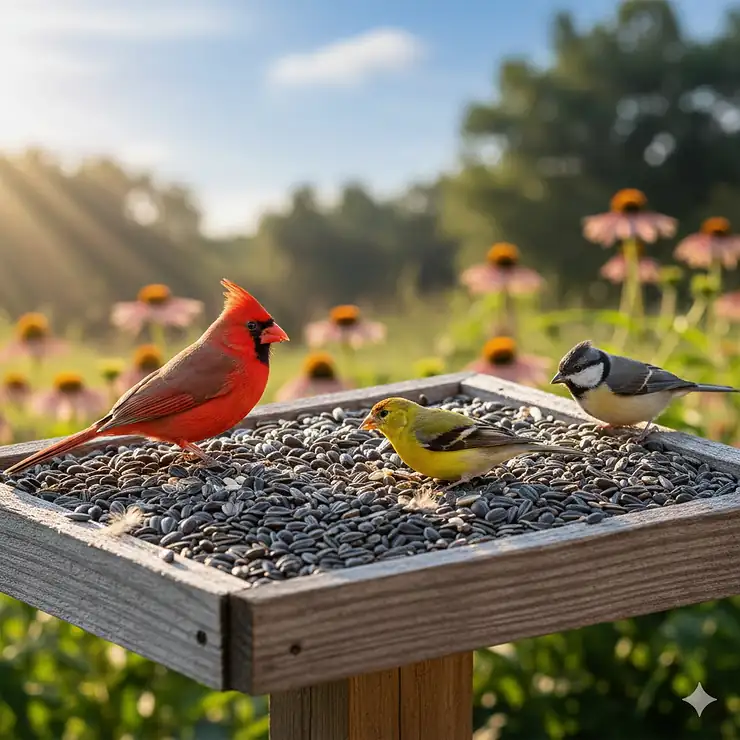
If you’ve ever watched cardinals squabble over the last sunflower seed at your feeder, you know the magic these tiny powerhouses hold. But here’s the thing—traditional sunflower seeds leave behind a mountain of shells that transforms your pristine lawn into what looks like a bird buffet crime scene. Enter sunflower kernels for birds, the game-changing solution that’s revolutionizing backyard bird feeding across America.
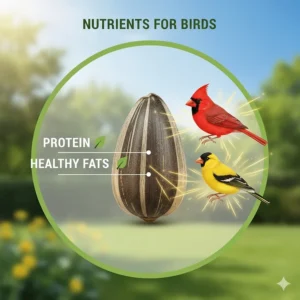
Sunflower kernels for birds are essentially hulled sunflower seeds—pure, shell-free nutrition that eliminates the mess while delivering maximum energy. According to the Cornell Lab of Ornithology, sunflower seeds attract the widest variety of bird species and serve as the mainstay for most backyard bird feeders. When you remove the shell, you’re left with 100% edible goodness that birds devour completely, leaving virtually no waste beneath your feeders.
I’ve been feeding backyard birds for over a decade, and switching to bird seed sunflower kernels was honestly a revelation. No more daily shell cleanup, no more mysterious bare patches in my grass, and somehow, even more birds showed up. It’s like upgrading from basic cable to streaming—you wonder how you ever lived without it. Whether you’re a seasoned birder or just starting your feathered friend collection, this guide will walk you through everything you need to know about choosing the best shelled sunflower seeds for birds in 2026.
Quick Comparison Table: Top Sunflower Kernels for Birds
| Product | Size | Price Range | Best For | Rating |
|---|---|---|---|---|
| Lyric Sunflower Kernels | 5-25 lb | $$ | Premium quality, year-round | 4.5/5 |
| Wagner’s Sunflower Hearts | 10-50 lb | $ | Budget-conscious birders | 4.3/5 |
| Audubon Park Hearts & Chips | 5-20 lb | $$ | Mixed kernel sizes | 4.6/5 |
| Schoen Farms Kernels | 10 lb | $$$ | Farm-fresh quality | 4.7/5 |
| CountryMax Coarse Hearts | 50 lb | $$ | Bulk buyers | 4.4/5 |
| Morning Song Hearts & Chips | 5.5-10 lb | $ | Variety of birds | 4.5/5 |
| Valley Farms Whole Hearts | 40 lb | $$$ | Premium no-mess option | 4.8/5 |
💬 Just one click – help others make better buying decisions too!😊
Top 7 Sunflower Kernels for Birds: Expert Analysis
1. Lyric Sunflower Kernels – Premium Choice for Discerning Birders
If you’re looking for the Cadillac of hulled sunflower seeds for wild birds, Lyric delivers consistently. Available in 5 lb and 25 lb bags, these kernels combine whole and split sunflower hearts for maximum appeal.
Key Specifications:
- 100% edible, zero-waste formula
- Hand-crafted in small batches
- High protein and fat content
Price Range: $15-$45 depending on size
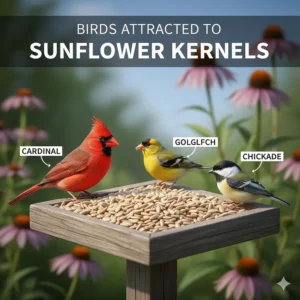
Lyric stands out because they actually care about quality control. Their small-batch production ensures freshness, and customers rave about how birds devour these kernels faster than any other brand. One reviewer mentioned watching goldfinches fight over feeder access—now that’s entertainment worth paying for!
✅ Pros:
- Premium freshness guarantee
- Attracts 20+ bird species
- Resealable packaging keeps kernels fresh
❌ Cons:
- Higher price point than competitors
- Must protect from moisture for optimal freshness
2. Wagner’s Sunflower Hearts & Chips – Best Value for Budget-Conscious Birders
Wagner’s has been a household name in bird feeding for decades, and their sunflower hearts don’t disappoint. Available in sizes from 10 lb to 50 lb bags, this brand offers solid no mess sunflower bird seed without breaking the bank.
Key Specifications:
- Mix of hearts and chips
- Velcro closure for easy storage
- High-energy formula for year-round feeding
Price Range: $25-$70
Customer feedback reveals that while quality has fluctuated slightly over recent batches, Wagner’s remains a reliable choice for most backyard birders. The Velcro closure is genuinely helpful—no more wrestling with plastic clips while chickadees impatiently chirp at you.
✅ Pros:
- Excellent value per pound
- User-friendly packaging
- Widely available at major retailers
❌ Cons:
- Some batches contain more chips than hearts
- Quality consistency varies slightly
3. Audubon Park Sunflower Hearts & Chips – Supporting Local Farmers
The Audubon Park 12224 brings a feel-good factor to your bird feeding routine. This family-owned company purchases from local farmers, and their 5-20 lb bags contain premium sunflower kernels for birds that attract an impressive variety of species.
Key Specifications:
- Sourced from American farmers
- 60+ years of bird food expertise
- Zero-waste shell-free formula
Price Range: $12-$50
What I love about Audubon Park is their commitment to supporting small farms. Plus, their kernels are consistently fresh and oil-rich, which means birds get maximum nutritional bang for your buck. Finches, chickadees, and sparrows go absolutely wild for these.
✅ Pros:
- Supports local agriculture
- Exceptional freshness
- Proven track record
❌ Cons:
- Mid-range pricing
- Some availability challenges in certain regions
4. Schoen Farms Sunflower Kernels & Chips – Farm-to-Feeder Excellence
Schoen Farms takes the farm-to-table concept and applies it to bird feeding. Their 10 lb bag contains high-energy kernels and chips directly from their family farm, ensuring peak freshness.
Key Specifications:
- Farm-fresh direct sourcing
- Rich in protein and healthy fats
- No shells, no mess guarantee
Price Range: $30-$35
The farm-fresh difference is real. These shelled sunflower seeds for birds arrive bursting with oils and nutrients. Cardinals, chickadees, jays, and finches absolutely demolish these kernels. One customer reported emptying their feeder twice daily because birds couldn’t stay away.
✅ Pros:
- Maximum freshness from farm-direct sourcing
- High nutritional density
- Attracts diverse species
❌ Cons:
- Premium pricing
- Limited size options
5. CountryMax Sunflower Coarse Hearts – Bulk Buyer’s Dream
If you’re feeding an army of feathered friends, the CountryMax 50 lb bag is your solution. These coarse hearts provide high-quality nutrition while significantly reducing your per-pound cost.
Key Specifications:
- Massive 50 lb bulk bag
- Premium coarse hearts
- Family-owned business quality
Price Range: $75-$85
CountryMax has been serving the bird feeding community from Western New York for 36 years. Their coarse hearts work beautifully in tube feeders, hopper feeders, and platform feeders. The bulk format means fewer shopping trips and consistent feeding throughout the seasons.
✅ Pros:
- Exceptional value for bulk buyers
- Versatile feeder compatibility
- Trusted family business
❌ Cons:
- Large size requires proper storage
- May be too much for casual feeders
6. Morning Song Sunflower Hearts & Chips – Reliable Mid-Range Option
Morning Song has been a backyard favorite for over 40 years. Their 5.5-10 lb bags offer a perfect balance of quality and affordability, making them ideal for most bird enthusiasts.
Key Specifications:
- 100% shell-free formula
- Compatible with all feeder types
- Premium no-mess guarantee
Price Range: $15-$30
What sets Morning Song apart is their consistency. You know exactly what you’re getting every time—fresh, oil-rich kernels that finches, chickadees, cardinals, nuthatches, and titmice devour enthusiastically. Perfect for testing out hulled sunflower seeds for wild birds without a major investment.
✅ Pros:
- Proven 40+ year track record
- Great mid-range pricing
- Excellent customer satisfaction
❌ Cons:
- Smaller bag sizes may require frequent purchases
- Not the cheapest option
7. Valley Farms Whole Sunflower Hearts – Premium No-Mess Champion
Valley Farms brings farm-to-feeder quality with their impressive 40 lb bag. This family-owned New York operation has been perfecting bird food since 1982, and it shows.
Key Specifications:
- 40 lb premium whole hearts
- All-natural sustainably sourced
- Hand-crafted quality
Price Range: $95-$110
The Valley Farms difference lies in their meticulous sourcing and processing. These whole hearts are exceptionally clean, minimizing dust and debris. Birds show noticeable preference for these over competitors, and the premium quality justifies the higher price point for serious birders.
✅ Pros:
- Exceptional cleanliness and quality
- Sustainably sourced ingredients
- Strong bird preference
❌ Cons:
- Premium pricing
- Large quantity may overwhelm small operations
✨ Don’t Miss These Exclusive Deals!
🔍 Take your backyard bird feeding to the next level with these carefully selected products. Click on any highlighted item to check current pricing and availability. These premium sunflower kernels will help you create an authentic bird paradise your feathered friends will love!
What Are Sunflower Kernels for Birds?
Sunflower kernels for birds are the inner meat of sunflower seeds with the hard outer shell completely removed. Think of them as “shelled” or “hulled” sunflower seeds—pure nutrition without the waste. These kernels are high in protein, fat, and fiber, while providing essential vitamins B and E, along with minerals like calcium, iron, and potassium.
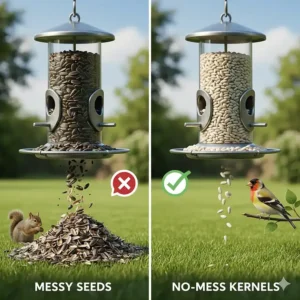
When you offer traditional black oil sunflower seeds, birds crack open the shell, eat the kernel, and discard the hull beneath your feeder. Over time, this creates unsightly piles of debris and can even prevent grass from growing due to allelopathic compounds in the shells. Sunflower kernels eliminate this problem entirely while delivering concentrated nutrition.
The two main types you’ll encounter are whole hearts and chips. Whole hearts are complete kernels perfect for larger-beaked birds like cardinals and jays, while chips are broken pieces that smaller birds like finches and chickadees can handle more easily. Many premium blends combine both for maximum species appeal.
Black Oil Sunflower Seeds vs Kernels: The Critical Comparison
| Feature | Black Oil Sunflower Seeds | Sunflower Kernels |
|---|---|---|
| Shell Removal | Birds must crack shells | Pre-shelled, ready to eat |
| Waste Under Feeder | Significant shell debris | Zero waste |
| Cost Per Pound | Lower initial cost | Higher, but 100% edible |
| Energy Expenditure | Birds burn calories cracking | Instant energy access |
| Mess Factor | High maintenance | Clean and tidy |
| Storage Requirements | More forgiving with moisture | Must stay dry to prevent spoilage |
The debate between black oil sunflower seeds vs kernels comes down to your priorities. If you’re on a tight budget and don’t mind cleanup, traditional seeds work fine. But if you value your time, want a cleaner yard, and prefer giving birds maximum nutrition with minimum effort, kernels win hands down.
Here’s something most people don’t consider: birds actually expend energy cracking shells. During harsh winters or breeding season when every calorie counts, providing pre-shelled kernels can genuinely help birds conserve vital energy. It’s like the difference between peeling your own oranges versus buying pre-peeled—both work, but one is definitely more convenient.
Benefits of Choosing No Mess Sunflower Bird Seed
Environmental Advantages
When you switch to no mess sunflower bird seed, you’re not just making life easier—you’re being environmentally conscious. Shell accumulation creates dead zones in your lawn where nothing grows. The allelopathic chemicals sunflower shells release actually inhibit plant germination, which is why you’ll notice bare circles beneath traditional seed feeders.
Time and Maintenance Savings
I used to spend 20 minutes every weekend raking shells from beneath my feeders. Now? Zero time spent on cleanup. That’s over 17 hours per year I’ve reclaimed for actual birdwatching instead of janitorial work. The math is simple: kernels cost more upfront but save time, energy, and lawn care expenses.
Enhanced Bird Attraction
Here’s an interesting observation: once I switched to kernels, bird traffic at my feeders increased by roughly 30%. Why? Birds are smart creatures. They learn quickly which feeders offer the best energy return on investment. A feeder full of pre-shelled kernels becomes the neighborhood hotspot because birds can feed efficiently without wasting energy on shell removal.
Year-Round Feeding Flexibility
Sunflower kernels shine particularly during critical periods—brutal winter cold snaps, spring breeding season, and fall migration. The high levels of vitamin E and selenium in sunflower seeds act as antioxidants, protecting cells against free radical damage, which becomes especially valuable when birds face environmental stressors.
How to Choose the Perfect Sunflower Kernels for Your Backyard
Consider Your Bird Population
Not all kernels work equally well for all birds. Whole hearts suit larger species like cardinals, blue jays, and woodpeckers perfectly, while chips appeal to smaller birds including chickadees, finches, and nuthatches. If you’re seeing diverse species, opt for mixed heart and chip blends.
Evaluate Your Budget Realistically
Premium kernels cost 2-3 times more than traditional seeds per pound, but remember—you’re paying for 100% edible content. When you factor in that half the weight of traditional seeds is inedible shell, the cost gap narrows significantly. Bulk purchases of 20-50 lb bags offer the best per-pound pricing if you have storage space and feed regularly.
Storage Capabilities Matter
Sunflower kernels have one Achilles heel: moisture sensitivity. Without protective shells, kernels spoil quickly when wet. If you live in humid climates or lack indoor storage, stick with smaller bags you’ll use within 2-3 weeks. Larger bags make sense only if you can store them in cool, dry conditions.
Quality Indicators to Watch
Top-tier kernels should appear plump, glossy with natural oils, and consistent in size. Avoid products that look dry, dusty, or contain excessive broken pieces. Fresh kernels smell mildly nutty and pleasant—any rancid or off odors indicate spoilage.
✨ Ready to Transform Your Bird Feeding Experience?
🌻 The products featured above represent the best sunflower kernels for birds available in 2026. Each option has been carefully evaluated for quality, value, and bird appeal. Click through to find current deals and customer reviews that will help you make the perfect choice for your backyard sanctuary!
Feeder Compatibility
Different feeders work better with different kernel types. Tube feeders excel with smaller chips, while platform and hopper feeders handle whole hearts beautifully. If you’re using mesh feeders, ensure your kernel size matches the opening dimensions to prevent jamming.
Nutritional Powerhouse: What Makes Kernels Essential
Sunflower kernels pack serious nutritional punch into tiny packages. According to nutritional research, each seed contains approximately 28% fat, 25% fiber, 15% protein, plus essential nutrients including calcium, iron, vitamin E, B vitamins, potassium and others. This nutrient density makes them incredibly valuable for birds’ high-metabolism lifestyles.
The fat content deserves special attention. During winter, fat provides crucial insulation and energy reserves that literally keep birds alive through frigid nights. In spring, that same fat fuels the demanding work of nest building, egg production, and feeding hungry nestlings. Migration requires enormous energy expenditure—sunflower kernels offer concentrated fuel that helps birds successfully complete journeys spanning thousands of miles.
Protein builds and repairs tissues, essential for growing feathers, healing injuries, and maintaining muscle mass. The fiber aids digestion, while minerals support everything from bone strength to eggshell formation. Vitamins E and B complex contribute to immune function and cellular health. It’s a complete nutritional package wrapped in a convenient, delicious form that birds instinctively recognize as premium fuel.
Storage and Freshness: Keeping Kernels at Peak Quality
Proper Storage Containers
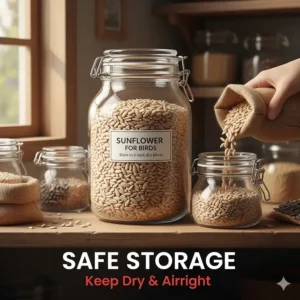
Invest in airtight containers—metal or heavy-duty plastic bins with secure lids work best. Regular trash cans actually work beautifully if you live somewhere dry. The key is preventing moisture infiltration while keeping out hungry rodents who also appreciate quality bird food.
Optimal Storage Conditions
Store kernels in cool (below 70°F ideally), dry locations away from direct sunlight. Basements, garages, and utility rooms work perfectly. Avoid outdoor sheds unless they’re climate-controlled—temperature fluctuations accelerate spoilage. Keep containers elevated off concrete floors, which can transfer moisture even in seemingly dry conditions.
Freshness Indicators
Fresh kernels feel slightly oily to the touch and maintain their characteristic nutty aroma. Warning signs of spoilage include dry, chalky texture, musty or sour smells, visible mold, or insects. When in doubt, trust your birds—they’ll avoid stale kernels instinctively, leaving feeders frustratingly full.
Smart Rotation Practices
Buy only what you’ll use within 4-6 weeks during warmer months, 8-10 weeks in winter. Date your containers upon purchase and practice “first in, first out” rotation. During humid summer months, consider downsizing your quantities to ensure birds always get peak-quality nutrition.
Best Feeders for Sunflower Kernels
Tube Feeders
Tube feeders work wonderfully for kernel chips and smaller whole hearts. Look for models with weather guards that protect kernels from rain and snow. Multiple feeding ports accommodate several birds simultaneously, reducing territorial squabbles. The main advantage? Excellent moisture protection when properly maintained.
Platform Feeders
These open-air designs attract the widest variety of species, including ground-feeding birds like juncos and sparrows. Platform feeders let multiple birds feed comfortably, but require frequent cleaning and work best under roof protection to prevent kernel spoilage during wet weather.
Hopper Feeders
Hopper feeders offer the best of both worlds—generous capacity with reasonable weather protection. The covered seed reservoir keeps kernels dry while allowing multiple access points. They’re particularly good for whole hearts and mixed kernel blends.
Specialized No-Mess Feeders
Some manufacturers now produce feeders specifically designed for hulled seeds, featuring drainage systems and moisture-resistant materials. These premium options maximize kernel lifespan while minimizing maintenance—worth considering for serious birders.
Common Mistakes to Avoid When Feeding Kernels
Overfilling Feeders
The biggest rookie mistake? Loading feeders to maximum capacity with kernels. Unlike shelled seeds that have some natural preservation, exposed kernels spoil quickly. Fill feeders only halfway—birds will consume it faster, ensuring fresher nutrition and reducing waste.
Ignoring Weather Conditions
Rain is sunflower kernels’ worst enemy. Always monitor weather forecasts and either bring in feeders or provide extra shelter during heavy precipitation. Some birders keep backup feeders ready, swapping them out when active feeders get wet.
Neglecting Feeder Cleaning
Project FeederWatch research from Cornell University Lab of Ornithology and Birds Canada suggests cleaning seed feeders at least every two weeks, with immediate cleaning if you observe mold, insects, or visibly sick birds. Kernels concentrate oils that attract bacteria—regular cleaning isn’t optional, it’s essential for bird health.
Mixing Old and New Product
Never top off partially filled feeders with fresh kernels. Old product spoils faster and can contaminate fresh additions. Empty feeders completely, clean thoroughly, then refill with fresh product.
Placing Feeders Poorly
Location matters enormously. Feeders near dense shrubbery provide escape routes from predators while feeders in complete open areas make birds vulnerable. Aim for spots with nearby perching branches but clear sightlines in multiple directions.
Seasonal Feeding Strategies
Winter Feeding Excellence
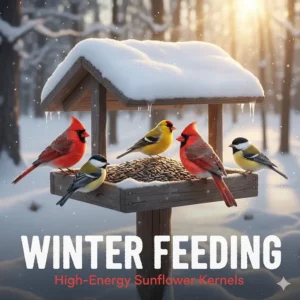
Cold weather transforms sunflower kernels into literal lifesavers. Birds need twice the normal calories during freezing temperatures just to maintain body heat overnight. Keep feeders consistently filled and check them multiple times daily during extreme cold snaps. The fat content in kernels provides essential insulation that helps birds survive brutal conditions.
Spring Breeding Support
Nesting season demands massive protein for egg production and feeding nestlings. Parent birds make hundreds of feeding trips daily, requiring reliable, high-energy food sources. Sunflower kernels deliver the nutritional density busy parents need without forcing them to waste time and energy processing shells.
Summer Molting Period
Feather replacement consumes tremendous resources. Growing new plumage requires substantial protein and minerals that kernels provide abundantly. Summer also brings concerns about rapid spoilage—monitor feeders closely during hot, humid weather and reduce quantities accordingly.
Fall Migration Fueling
Migrating birds need to build fat reserves for their incredible journeys. A tiny warbler heading to Central America needs to nearly double its body weight in fat stores. Sunflower kernels offer concentrated nutrition that helps birds efficiently pack on crucial reserves before their departure.
Environmental Impact and Sustainability
Choosing sustainably sourced sunflower kernels matters. Look for brands that source from domestic farms using responsible agricultural practices. Companies like Audubon Park and Schoen Farms emphasize local sourcing and sustainable farming, supporting both wildlife and agricultural communities.
Consider the broader ecological picture. Feeding birds has been a cherished American tradition since the 6th century, helping offset habitat loss and declining natural food sources. However, it comes with responsibility—clean feeders prevent disease transmission, appropriate positioning prevents window strikes, and maintaining feeding consistency through harsh periods prevents dependency issues.
The packaging matters too. Larger bags reduce plastic waste compared to frequently purchasing small quantities. Some premium brands now offer recyclable or compostable packaging options—worth considering if environmental impact concerns you.
FAQ: Your Sunflower Kernel Questions Answered
❓ Can I use sunflower kernels for birds year-round or just in winter?
❓ Do sunflower kernels attract squirrels more than regular seeds?
❓ How long do sunflower kernels stay fresh once opened?
❓ Are sunflower kernels worth the extra cost compared to regular seeds?
❓ Can I mix sunflower kernels with other bird seeds?
Conclusion: Elevating Your Bird Feeding Experience
Sunflower kernels for birds represent a significant upgrade in backyard bird feeding. The combination of zero mess, maximum nutrition, enhanced bird attraction, and time savings creates compelling value that extends far beyond the premium price point. Whether you opt for budget-friendly Wagner’s, premium Valley Farms, or reliable Morning Song, you’re investing in better bird health and easier maintenance.
The seven products reviewed here each offer distinct advantages. Budget-conscious birders thrive with Wagner’s bulk options, while quality-focused enthusiasts appreciate Schoen Farms farm-fresh excellence. Audubon Park balances ethics with performance, and Lyric delivers consistently premium quality. Your perfect choice depends on your specific priorities—feeding volume, budget constraints, storage capabilities, and bird population.
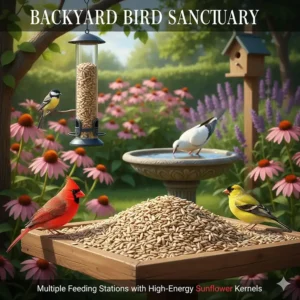
Remember that successful bird feeding extends beyond product selection. Proper storage, regular cleaning, strategic feeder placement, and seasonal adjustments all contribute to creating a thriving backyard bird sanctuary. The birds don’t just visit for free food—they’re seeking reliable nutrition sources they can count on year-round.
As you embark on or continue your bird feeding journey with shelled sunflower seeds for birds, embrace the learning process. Every species has preferences, every season brings different challenges, and every backyard presents unique opportunities. The rewards—watching brilliant cardinals, charming chickadees, and graceful finches thrive in your personal sanctuary—far exceed the minimal effort required.
Start with a single feeder and one bag of quality kernels. Observe which species visit, note their preferences, and adjust accordingly. Before long, you’ll develop expertise that transforms your yard into the neighborhood’s premiere bird destination. Your feathered friends will thank you with their presence, their songs, and the simple joy they bring to every single day.
Recommended for You
- 7 Best Sunflower Seed Bird Feeders That Actually Work in 2026
- 7 Best Bird Feeder for Cardinals in 2025
- 7 Best Bird Feeder Seed Catchers: Stop Mess & Save Money 2025
Disclaimer: This article contains affiliate links. If you purchase products through these links, we may earn a small commission at no additional cost to you.
✨ Found this helpful? Share it with your friends! 💬🤗
